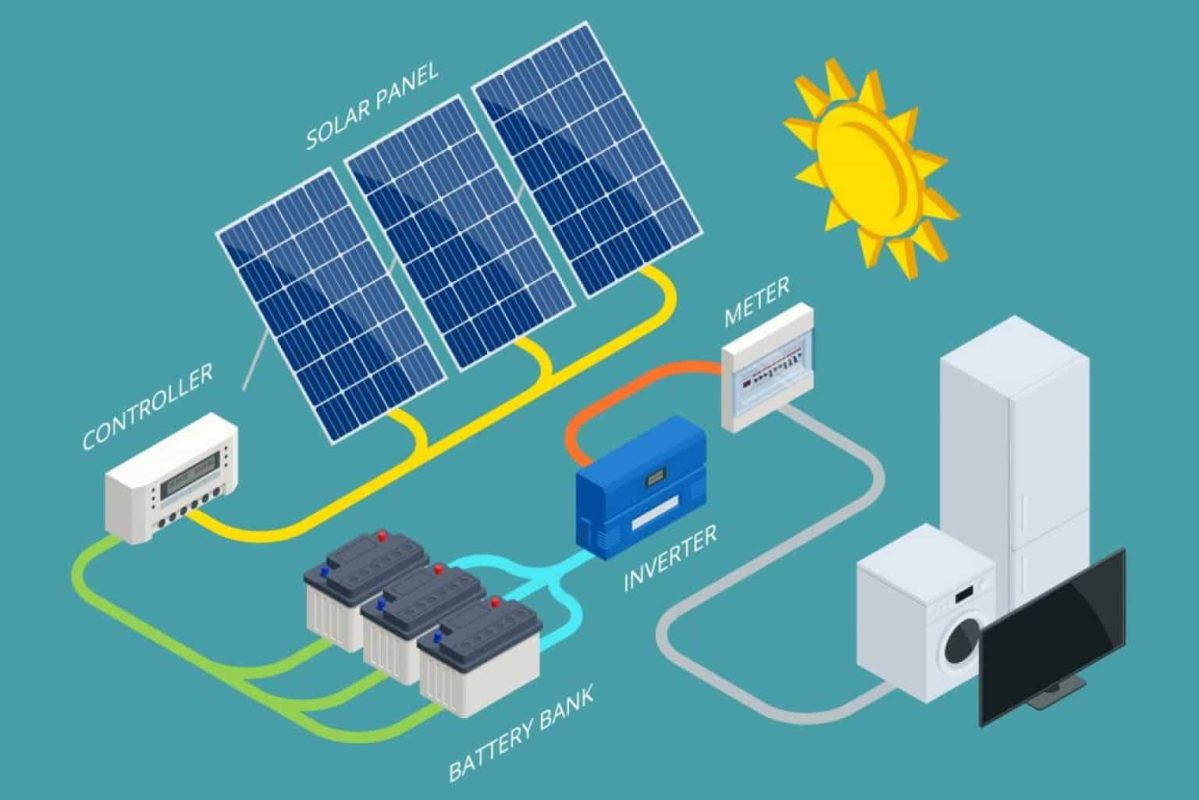




Within a photovoltaic system, the correct choice and maintenance of batteries is essential to ensure its efficiency and durability. Batteries are critical components that store the energy generated by the photovoltaic panels, allowing its use in periods when the sun is not present. Among the most common types of batteries used in these systems are GEL, Li-Ion, LiFePO4 and acid-based batteries.
Each type of battery has specific characteristics and requires distinct maintenance measures. GEL batteries are known for reliability and low maintenance, while Li-Ion batteries offer high energy density and long life. On the other hand, LiFePO4 batteries are appreciated for their increased safety and extended charge-discharge cycles. Acid-based batteries, although traditional, require more rigorous maintenance to prevent premature degradation. Understanding these aspects is crucial for optimizing the performance of the photovoltaic system and for extending the life of the batteries used.
Understanding each type of battery
In photovoltaic systems, choosing the right batteries is essential to maximize their efficiency and durability. Next, we will detail each type of battery frequently used in these systems: GEL, Li-Ion, LiFePO4 and acid-based ones.
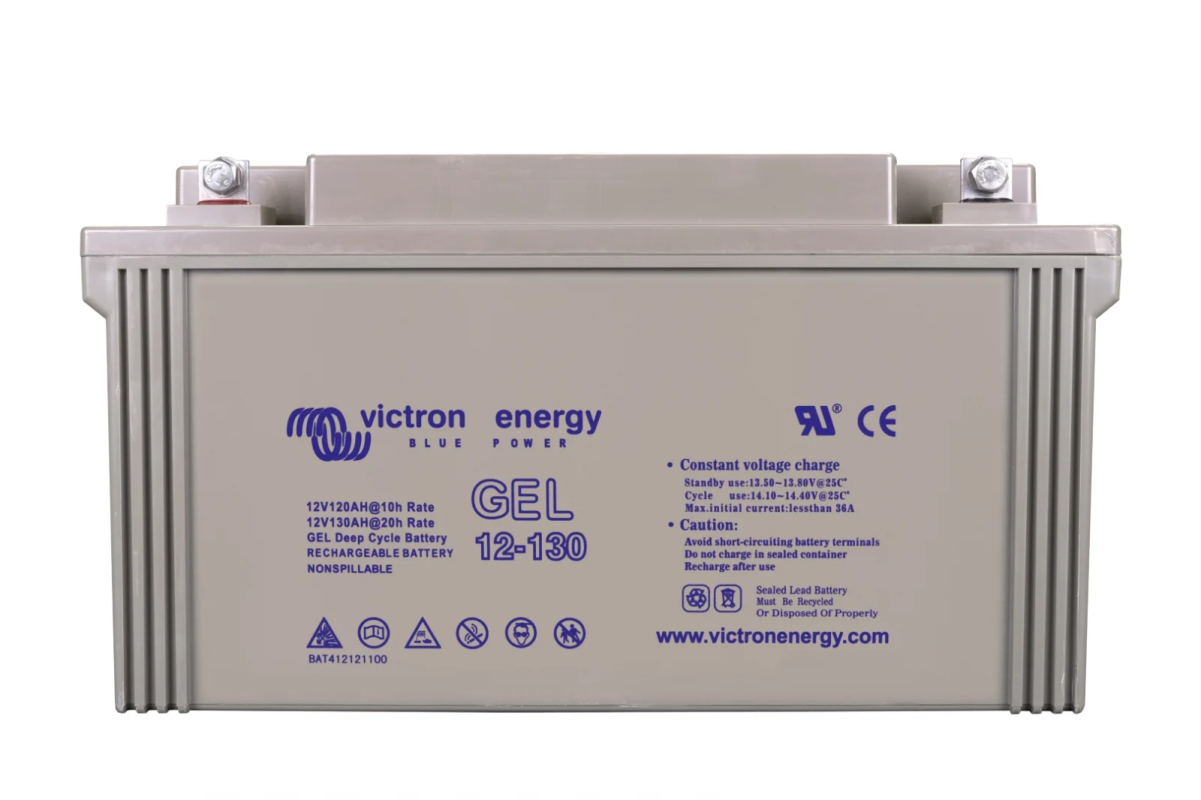
- GEL batteries they are a type of lead-acid batteries, but with the electrolyte in the form of a gel. They are known for their reliability and low maintenance. GEL batteries are sealed, which means that they do not require periodic maintenance of the water level. They are resistant to vibrations and shocks, being ideal for use in harsh environments. Also, GEL batteries have a low self-discharge rate, which makes them efficient for long-term use in photovoltaic systems.
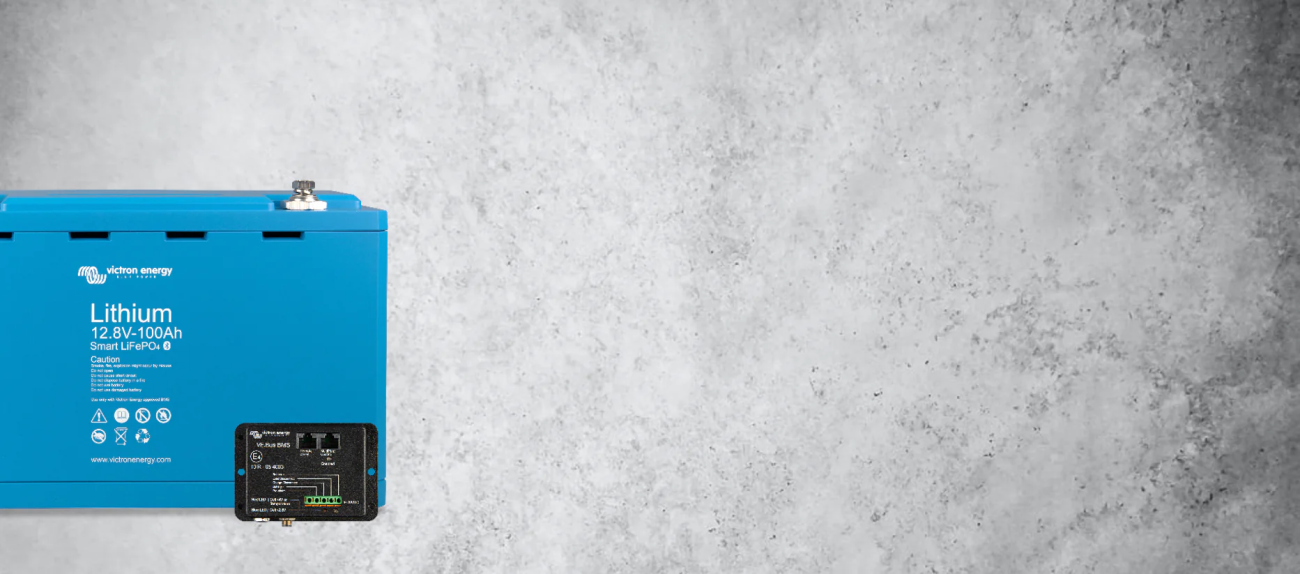
- Li-Ion (lithium-ion) batteries they are recognized for their high energy density and long life. They are frequently used in portable electronics and have become popular in photovoltaic systems due to their efficiency. Li-Ion batteries are light and compact, which makes them suitable for applications where space and weight are critical. However, they require a battery management system (BMS) to ensure safe operation and to prevent overcharging or overdischarging.
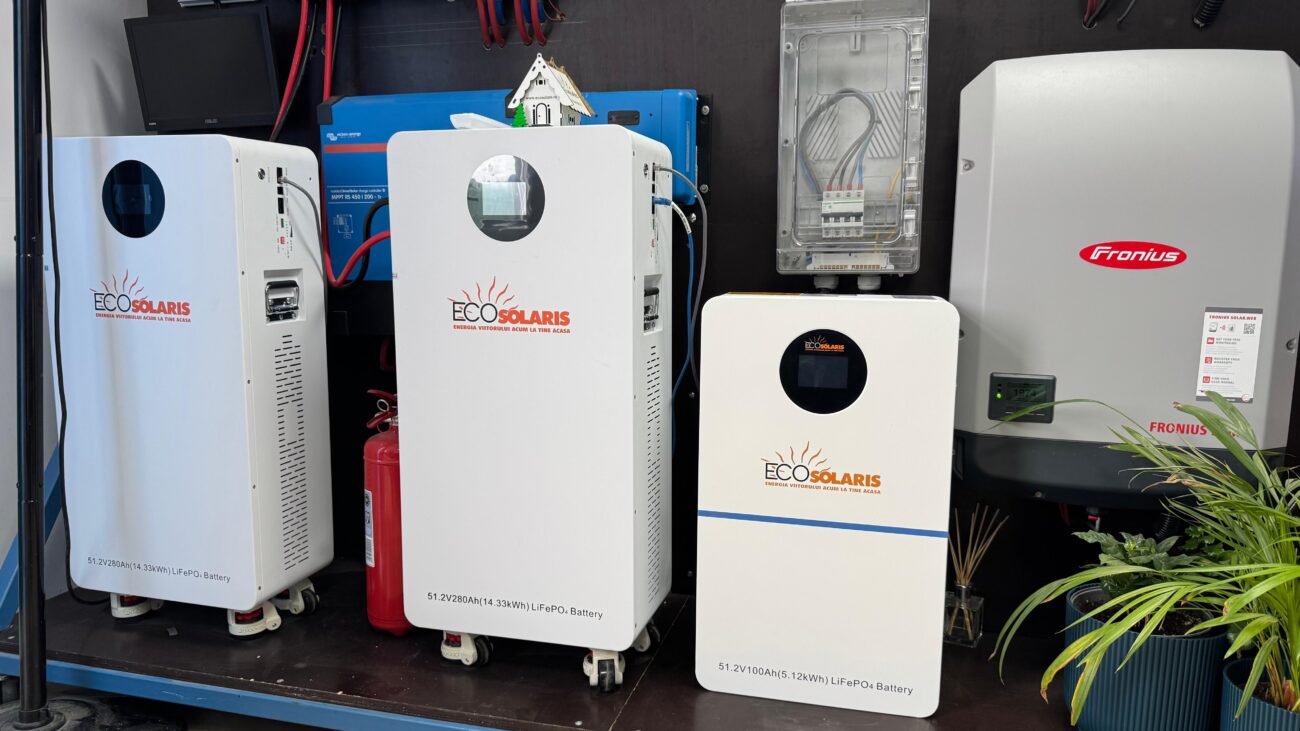
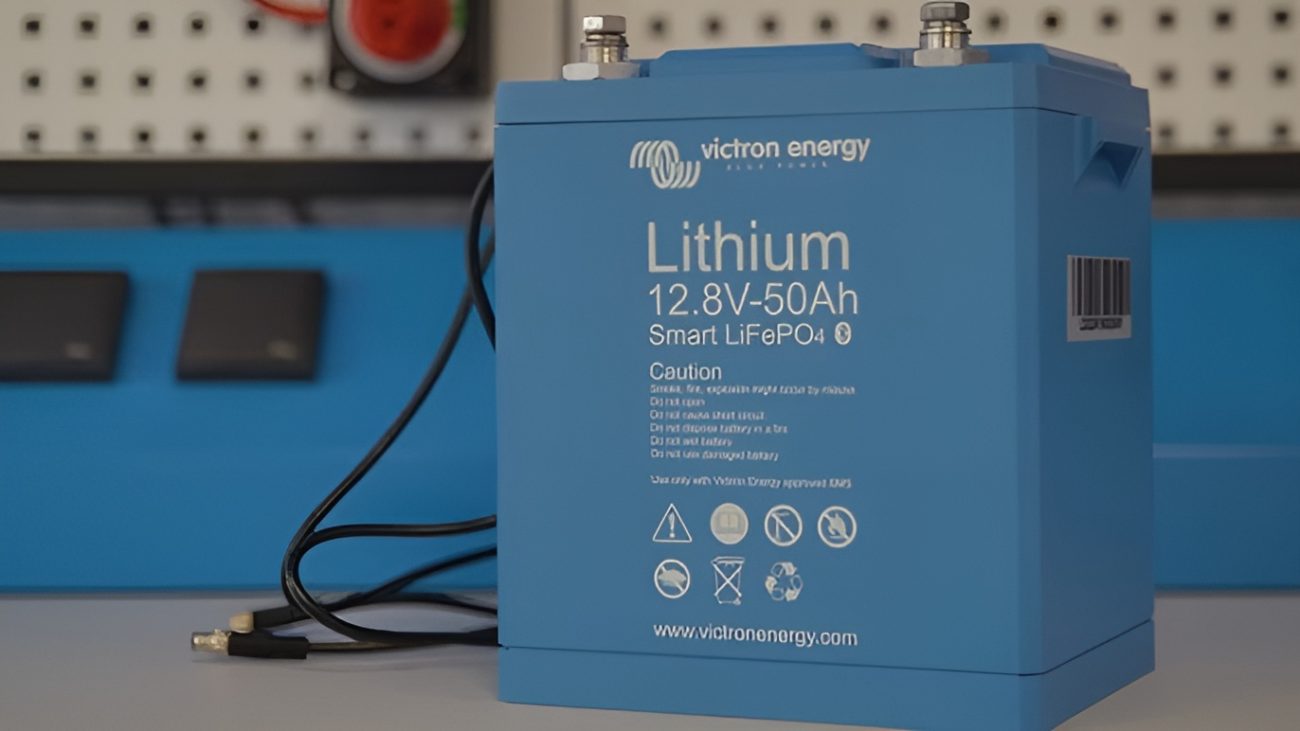
- LiFePO4 (lithium-iron-phosphate) batteries are a subcategory of lithium-ion batteries, appreciated for their increased safety and exceptional durability. These batteries offer longer charge and discharge cycles compared to other types of batteries, which makes them ideal for intensive use in photovoltaic systems. Also, LiFePO4 batteries are more thermally stable and less susceptible to fire caused by overheating, making them a safe option for long-term use.
- Acid-based batteries they are the most traditional and have been used for a long time in various applications, including photovoltaic systems. These batteries are known for their low initial cost, but require rigorous maintenance to prevent premature degradation. Acid-based batteries require periodic checking and topping up of the water level, as well as constant monitoring of charging and discharging to ensure an optimal lifespan. Although they are heavier and bulkier than other types of batteries, they remain a viable option due to their low cost and wide availability. [#$$#]
Each type of battery – GEL, Li-Ion, LiFePO4 and acid-based – presents specific advantages and disadvantages. The correct choice of battery for a photovoltaic system depends on the specific needs of the user, budget and maintenance requirements. Understanding these differences is essential for optimizing the performance and durability of the photovoltaic system.
Maintenance and correct use for each type of batteries
The maintenance and correct use of batteries in photovoltaic systems are essential to ensure their efficiency and durability. Each type of battery – GEL, Li-Ion, LiFePO4 and acid-based – requires specific maintenance procedures. Here is how these batteries should be managed to obtain optimal performance.
- GEL batteries they are known for their low maintenance, but there are still some necessary precautions. Since they are sealed, they do not require checking and topping up the water level. However, it is important to keep them in a cool and well-ventilated environment to prevent overheating. Periodically checking the voltage and avoiding deep discharge are essential to extend the life of the battery. Also, cleaning the terminals to prevent corrosion helps maintain a good electrical connection.
- Li-Ion batteries require different maintenance due to their advanced technology. It is essential to use a battery management system (BMS) to monitor battery voltage, current and temperature. BMS prevents overcharging and excessive discharging, thus protecting the battery from damage. Li-Ion batteries must be kept in a cool and dry environment and away from direct exposure to the sun. It is also important to avoid completely discharging the battery and to maintain a partial charge to extend the life.
- LiFePO4 batteries, although similar to Li-Ion batteries, requires more specific maintenance due to their chemical properties. These batteries are safer and more thermally stable, but they also benefit from the use of a BMS to monitor and regulate the operating parameters. LiFePO4 batteries should be charged regularly and kept at an optimal temperature to prevent degradation. Periodically checking the connections and cleaning the terminals are also important to ensure optimal performance.
- Acid-based batteries it requires the most maintenance of all the mentioned types. It is essential to periodically check and top up the distilled water level to maintain performance and prevent cell damage. Lead-acid batteries must be stored in a well-ventilated environment to prevent the accumulation of explosive gases. You should also avoid deep discharge and charge the battery regularly to prevent sulphation. Cleaning the terminals to prevent corrosion and checking the cables to ensure solid connections are also essential.
Each type of battery - GEL, Li-Ion, LiFePO4 and acid-based - requires specific maintenance and use procedures to ensure efficiency and durability in photovoltaic systems. By following these practices, users can optimize battery performance and extend the life of their photovoltaic systems.
Conclusion
In conclusion, the correct choice and maintenance of batteries are crucial aspects for the efficiency of a photovoltaic system. Whether you opt for GEL, Li-Ion, LiFePO4 or acid-based batteries, each type requires specific attention to ensure optimal performance and longevity. Understanding the features and maintenance requirements for each type of battery will help you make the right choice for your energy needs. [#$$#]
A well-maintained photovoltaic system will not only work more efficiently, but will also contribute to a more sustainable use of energy resources. Investing in the knowledge and practical application of this information will bring long-term benefits, ensuring reliable performance and reduced operating costs. Thank you for your interest and we hope that this information will be useful in optimizing your photovoltaic system.