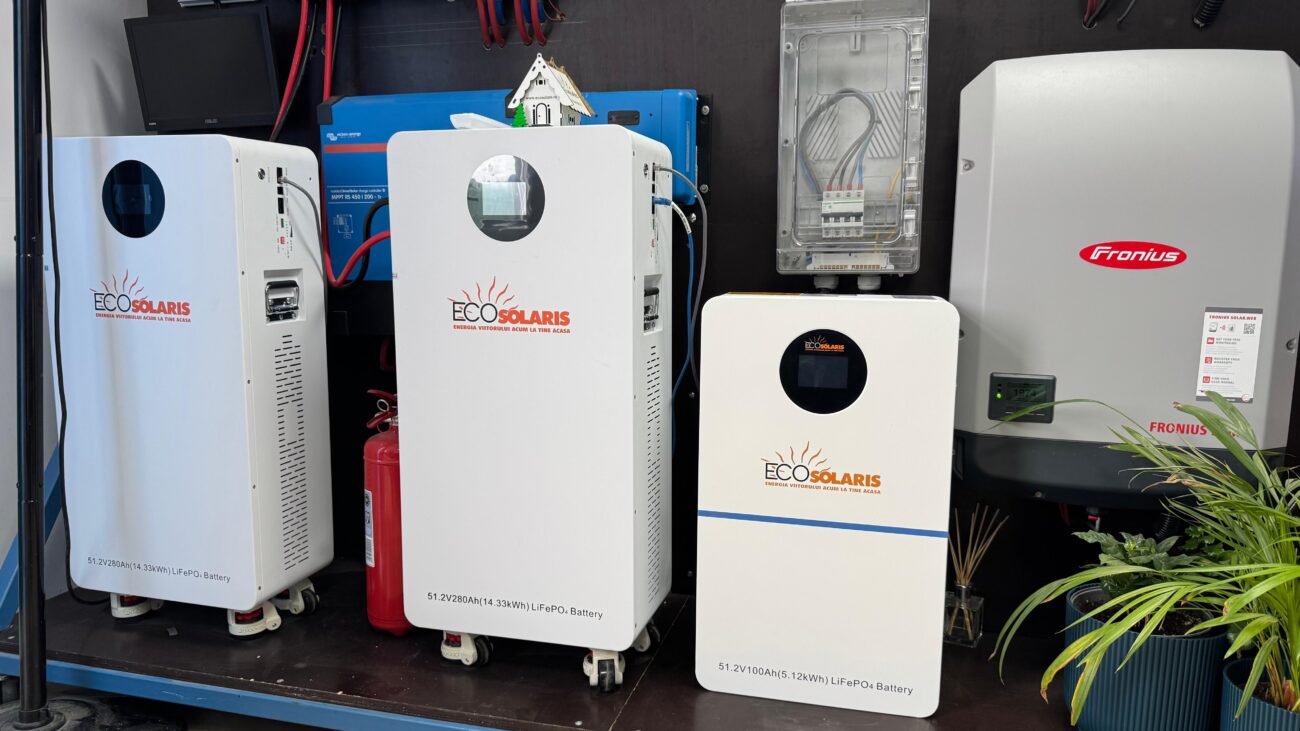






The importance of BMS in batteries with LiFePO4 cells
The importance of the BMS in batteries with LiFePO4 cells- In the world of batteries with LiFePO4 cells, a crucial element for their performance and safety is the BMS (Battery Management System). The BMS is a vital component that manages and monitors various aspects of the batteries, ensuring optimal operation and extending their life.
Batteries with LiFePO4 technology are appreciated for their energy density, reliability and increased safety compared to other types of lithium-ion batteries. However, to get the most out of these features, it is essential that each cell in the battery is properly balanced in terms of charging and discharging. This is effectively achieved by the Battery Management System, which monitors voltage, current, temperature and other critical parameters to prevent overcharging, overdischarging and other conditions that could affect battery performance or safety.
In addition to its protective role, the BMS also contributes to the optimization of the energy efficiency of the battery, managing the way in which the energy is distributed and used during the charge and discharge cycles. This aspect is particularly important in applications where the reliability and durability of batteries are critical, such as in electric vehicles, energy storage and other similar systems.
Main functionalities of the BMS in batteries with LiFePO4 cells
Battery Management System is an essential component in LiFePO4 cell batteries, having the crucial role of managing and monitoring various aspects to ensure their optimal operation, safety and durability. Next, we will explore in detail the main functionalities of the BMS in this context.
Voltage and current monitoring
One of the fundamental functions of the BMS is the constant monitoring of the voltage and current in each cell of the battery. This monitoring is crucial to ensure optimal balance of cells during charge and discharge cycles. The BMS detects and reports voltage and current variations that may indicate problems such as overcharging or overdischarging, thus protecting the battery against premature damage.
Cell balancing
Another important functionality of the BMS in LiFePO4 batteries is cell balancing. Due to the variable nature of each cell in a battery, during charging some cells may reach a higher voltage than others. The BMS manages this imbalance by redistributing the charge between the cells, thus ensuring that all the cells are charged evenly and that overcharging or undercharging one of them is avoided.
Protection against overload and overdischarge
Protection against overload and overdischarge is one of the most critical functions of the BMS. Overcharging can lead to cell damage and, in extreme cases, can cause fires or explosions. On the other hand, overdischarging can affect the durability and capacity of the battery. The BMS monitors and controls the charging and discharging process to prevent these unwanted conditions, keeping the battery in a safe and optimal operating state.
Temperature monitoring [#$$#]
Temperature plays a crucial role in the performance and safety of LiFePO4 batteries. The BMS monitors the temperature in real time inside the battery and can act accordingly to avoid overheating or excessive cooling. Overheating can affect the internal chemistry of the cells and lead to rapid degradation of battery performance or damage to the electroactive material. By managing the temperature, the BMS contributes to extending the life of the battery and to maintaining an optimal function in various operating conditions.
The benefits of using a suitable BMS in batteries with LiFePO4 cells
Battery Management System is a crucial component in batteries with LiFePO4 cells, offering numerous benefits that contribute to performance, durability and safety. Next, we will explore in detail the main advantages of using a suitable BMS in these types of batteries.
Extending battery life
One of the most important benefits of a suitable is its ability to extend the life of LiFePO4 cell batteries. By precisely monitoring and managing the charging and discharging processes, the BMS can prevent overcharging and overdischarging of individual cells, thus reducing stress on the battery and helping to maintain the integrity of cell chemistry in the long term.
Optimizing energy efficiency
Using an appropriate BMS helps to optimize the energy efficiency of LiFePO4 batteries by efficiently managing the way energy is stored and distributed. The BMS monitors and controls the way the battery is charged and discharged, ensuring that the processes are efficient and that energy losses are reduced to a minimum.
Ensuring safety and reliability
Safety is another significant benefit of using a proper Battery Management System. The BMS constantly monitors critical parameters such as voltage, current and temperature in each battery cell. This continuous monitoring allows the detection and prevention of dangerous conditions such as overloading or excessive overdischarging, thus reducing the risk of accidents or property damage.
Reduction of maintenance costs
The implementation of a suitable BMS can also lead to a reduction in the maintenance costs of systems that use batteries with LiFePO4 cells. Due to the efficient management of the charging and discharging processes, the batteries are subject to less wear and tear and require less preventive maintenance. Thus, the costs associated with the premature replacement of batteries or with repairs caused by defects can be significantly reduced.
The contribution of BMS to sustainability and economy
The use of an appropriate Battery Management System in batteries with LiFePO4 cells not only increases their durability and efficiency, but also contributes to a greater economy of resources and energy as a whole. By extending the life of batteries, the need to produce and recycle new batteries is reduced, thus contributing to reducing the carbon footprint and protecting the environment.
Conclusion [#$$#]
In conclusion, the proper use of the Battery Management System in batteries with LiFePO4 cells brings significant benefits in terms of durability, efficiency and safety. It not only protects the battery against premature damage by constantly monitoring critical parameters and balancing the load, but also optimizes energy use and reduces maintenance costs. This advanced technology not only increases the performance of systems that use LiFePO4 batteries, but also contributes to sustainability by extending the life of the batteries and reducing the impact on the environment. In an era where energy efficiency and safety are growing priorities, the integration of an appropriate BMS becomes essential to maximize the advantages of energy storage technologies and to ensure an efficient and sustainable use of energy resources.