


Efficiency of orientation systems for photovoltaic panels
In the era of increasing concerns for sustainability and the use of renewable resources, guidance systems for photovoltaic panels are becoming increasingly important in the modern energy landscape. These systems represent advanced technological solutions, designed to maximize the efficiency of solar energy collection by optimally aligning the photovoltaic panels according to the position of the sun.
Orientation systems for photovoltaic panels are designed to allow the panels to follow the apparent movement of the sun throughout the day, so that they receive direct sunlight continuously. This functionality is essential to ensure maximum production of electricity from renewable sources. By automatically adjusting the angle of inclination and the direction of the panels, the orientation systems optimize the capture of solar radiation, reducing losses and maximizing the energy yield of photovoltaic installations.
The benefits of using these systems are obvious in the current context, where energy efficiency and carbon footprint reduction are global priorities. Improving the performance of photovoltaic panels through precise orientation contributes to increasing the durability and profitability of solar energy systems, transforming sunlight into a clean and affordable energy source.
Types of orientation systems
In order to understand the diversity and usefulness of solar panel orientation systems, it is important to explore the different types of systems available in the solar industry. These systems are designed to maximize the capture of solar radiation by automatically adjusting the position of the panels according to the apparent movement of the sun throughout the day. Next, we will explore some of the most common types of orientation systems used in practice:
Single Axis Orientation Systems
Single-axis orientation systems are among the simplest and most widespread solutions used in photovoltaic parks. These allow the panels to follow the movement of the sun only on a single axis, either horizontally or vertically.
- Tracking on the Horizontal Axis: This method involves orienting the panels so that they move along a single horizontal axis, from east to west. The panels rotate to follow the apparent movement of the sun throughout the day, optimizing exposure to sunlight depending on its position in the sky.
- Tracking on the Vertical Axis: In the case of vertical axis tracking, the panels are adjusted to move around a vertical axis, optimizing the angle of inclination to the earth's surface according to the position of the sun. This type of system is useful in regions where the change in the altitude of the sun in the sky is significant throughout the year.
Two-Axis Orientation Systems (Two-Dimensional)
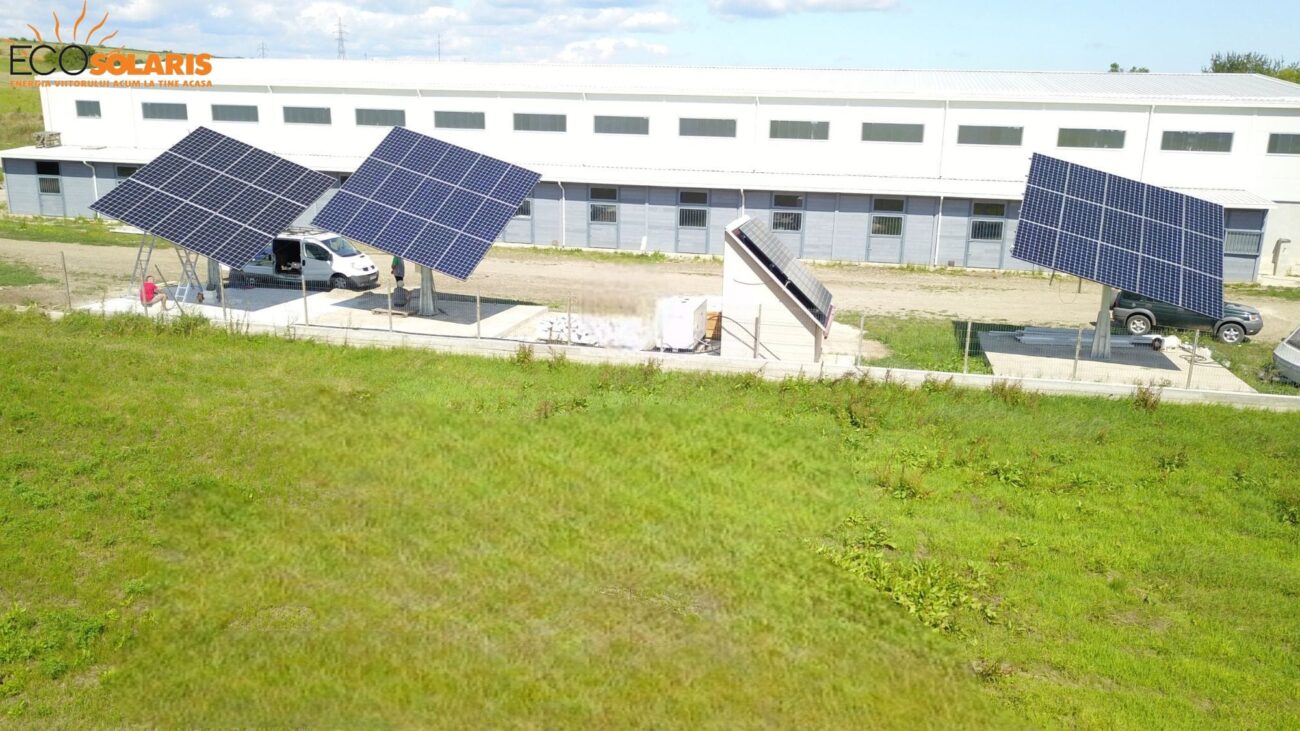
Two-axis orientation systems are more advanced and allow the panels to follow the movement of the sun in both directions, horizontally and vertically. They offer a much more precise alignment with sunlight and can optimize the capture of solar radiation throughout the day.
- Systems with Two Independent Axis: This type of system uses two independent motors to control the movement of the panels both horizontally and vertically. Thus, the panels can precisely follow the movement of the sun throughout the day, thus maximizing the energy efficiency of photovoltaic installations.
Advanced Orientation Technologies [#$$#]
In addition to one or two axis systems, there are also more advanced technologies that use sensors and algorithms to optimize the orientation of the panels in real time depending on the current position of the sun and weather conditions.
- Systems Based on Solar-Tracking Sensors: These systems are equipped with sensors that monitor the exact position of the sun and automatically adjust the tilt angle and direction of the panels to maximize the capture of solar radiation. They are extremely precise and ensure optimal performance in various lighting conditions.
The use of PV array orientation systems brings many significant advantages and benefits, contributing to the efficiency and cost-effectiveness of solar energy systems in various applications. These advantages can be discussed in detail to highlight the positive impact of these advanced technologies in the field of renewable energy.
Increasing Energy Efficiency
One of the most obvious benefits of orientation systems for photovoltaic panels is the increase in energy efficiency. By precisely tracking the movement of the sun throughout the day, these systems allow the panels to receive direct sunlight for a longer period of time each day. This maximizes electricity production compared to static panels, which do not automatically adjust according to the position of the sun.
Reduction of Operation and Maintenance Costs
Another major benefit is the reduction of long-term operation and maintenance costs. Although the initial implementation of orientation systems can be more expensive compared to static panels, the long-term benefits include significant savings in terms of repair and replacement of panels damaged due to direct and prolonged exposure to the sun.
Maximizing Investment Profitability
By increasing efficiency and reducing operating costs, orientation systems contribute to maximizing the return on investment in photovoltaic projects. They allow the owners of solar installations to obtain a higher yield per unit of surface area covered by the panels, which can lead to faster amortization of the initial costs and to the generation of sustainable profits in the long term.
Reducing Carbon Emissions
Another essential benefit of using guidance systems is the reduction of carbon emissions. By generating electricity from renewable sources and increasing the efficiency of photovoltaic systems, these technologies contribute to reducing the impact on the environment. Reducing dependence on fossil energy sources and promoting solar energy represent critical steps in combating global climate change.
Adaptability and Improved Performance
Modern orientation systems for photovoltaic panels are designed to be adaptable to various meteorological and geographical conditions. They are equipped with advanced control and monitoring technologies, such as solar-tracking sensors and sun movement prediction algorithms, which optimize performance in real time depending on light and weather conditions.
Conclusion [#$$#]
In conclusion, the orientation systems for photovoltaic panels represent a crucial innovation in the field of solar energy, bringing with it numerous benefits and advantages. These advanced technologies not only maximize energy efficiency by precisely tracking the movement of the sun and optimizing the capture of solar radiation, but also reduce long-term operation and maintenance costs. By increasing the profitability of investments in photovoltaic projects and by significantly contributing to the reduction of carbon emissions, these systems not only support environmental sustainability, but also promote a global energy transition towards clean and sustainable energy sources. The continuous improvement of these technologies and their widespread adoption are essential for a greener and more economically efficient energy future.