





The influence of extreme heat on photovoltaic panels
The influence of extreme heat on photovoltaic panels – In a constantly changing world, renewable energy sources are becoming more and more important. Photovoltaic panels represent one of the most popular and efficient methods of capturing solar energy, transforming it into electricity. However, with the increase in global temperatures and the increasingly frequent extreme heat waves, it is essential to understand how extreme heat influences the performance of these photovoltaic panels.
As temperatures rise, the performance of photovoltaic panels can be affected, which raises important questions for the future of solar energy. The influence of extreme heat on these panels becomes a subject of major interest for researchers and engineers in the field. By studying these effects, solutions can be developed to maximize the efficiency of photovoltaic panels, even in high temperature conditions. This analysis is essential to ensure a constant energy production and to maintain the long-term sustainability of solar energy technologies.
Photovoltaic panels are vital for a future green economy, and understanding how extreme heat affects their performance is crucial for their optimization and adaptation in the context of climate change.
Mechanisms of influence of heat on photovoltaic panels
Photovoltaic panels are essential for converting solar energy into electricity. However, extreme heat can significantly affect the performance of these panels. Understanding the mechanisms by which heat affects photovoltaic panels is crucial for their long-term optimization and efficiency.
Efficiency of photovoltaic panels under the influence of extreme heat
The first major mechanism by which heat influences photovoltaic panels is the effect of temperature on the conversion efficiency of solar energy. As the temperature increases, the efficiency of the photovoltaic panels decreases. This happens because the semiconductor materials in the panels, such as silicon, have properties that vary with temperature. At higher temperatures, the additional thermal energy can lead to an excessive excitation of the electrons, which, instead of contributing to the generation of electric current, recombine, thus reducing efficiency.
Degradation of photovoltaic panel materials due to heat
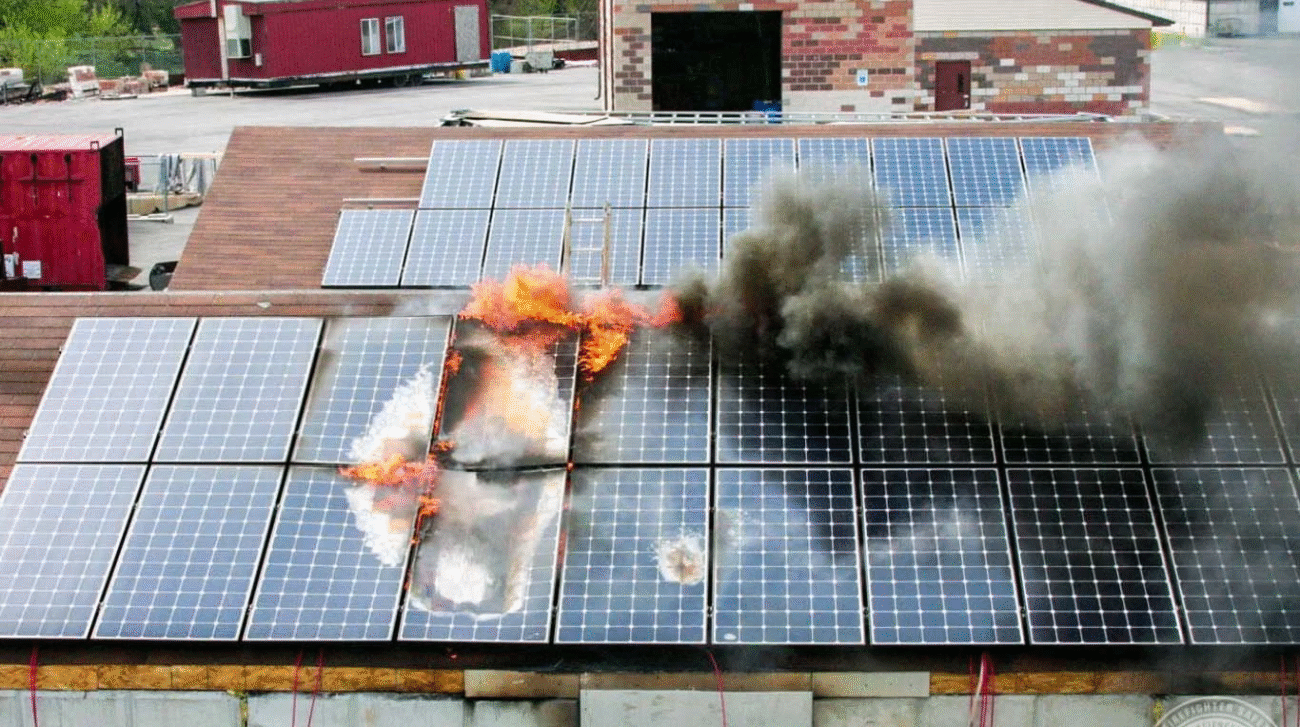
Another important mechanism is the degradation of the materials from which the photovoltaic panels are made. Prolonged exposure to high temperatures can accelerate wear and aging of materials, such as encapsulants and backing films. This can lead to cracks, delamination and other structural defects that reduce the performance of photovoltaic panels and shorten their lifespan. Also, electrical contacts and cables can suffer from constant exposure to heat, thus affecting the integrity of the circuits and the overall efficiency of the photovoltaic system.
Thermal efficiency of photovoltaic panels affected by extreme heat
Extreme heat can also influence the thermal efficiency of photovoltaic panels. During hot days, the panels can reach very high temperatures, which directly affect the thermal module of the system. This can lead to insufficient heat dissipation, which in turn negatively influences the performance of the panels. The combined effect of ambient temperature and intense solar radiation can create an overheating of the panels, which causes a further decrease in efficiency.
Adaptation of photovoltaic panels to extreme temperatures [#$$#]
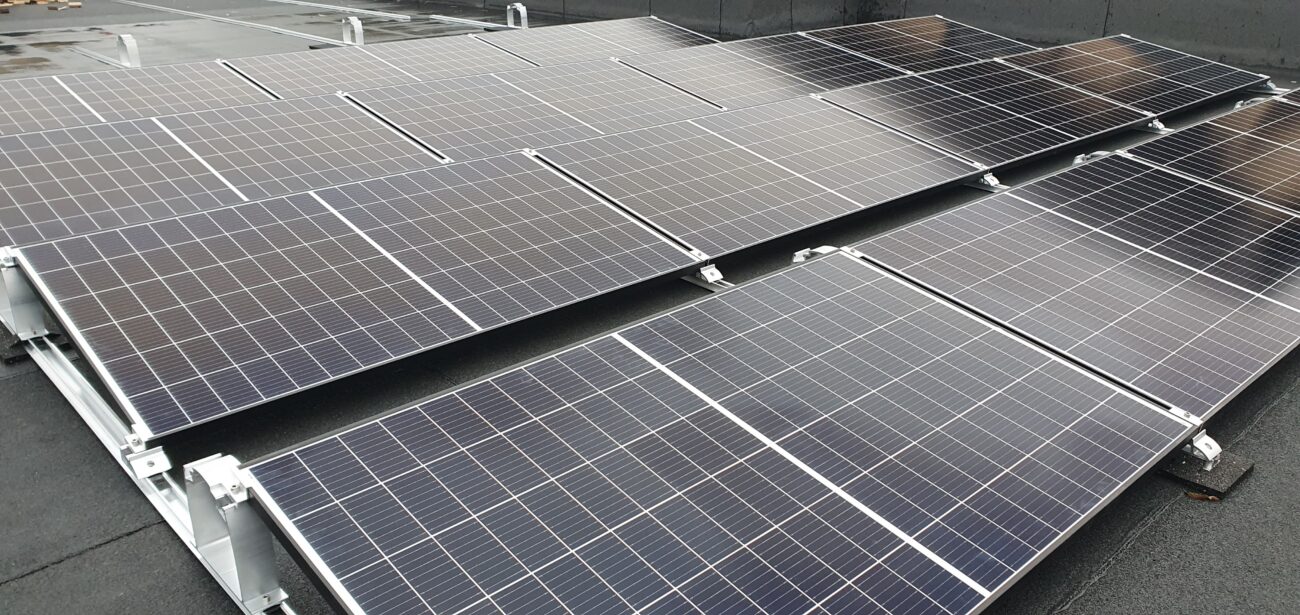
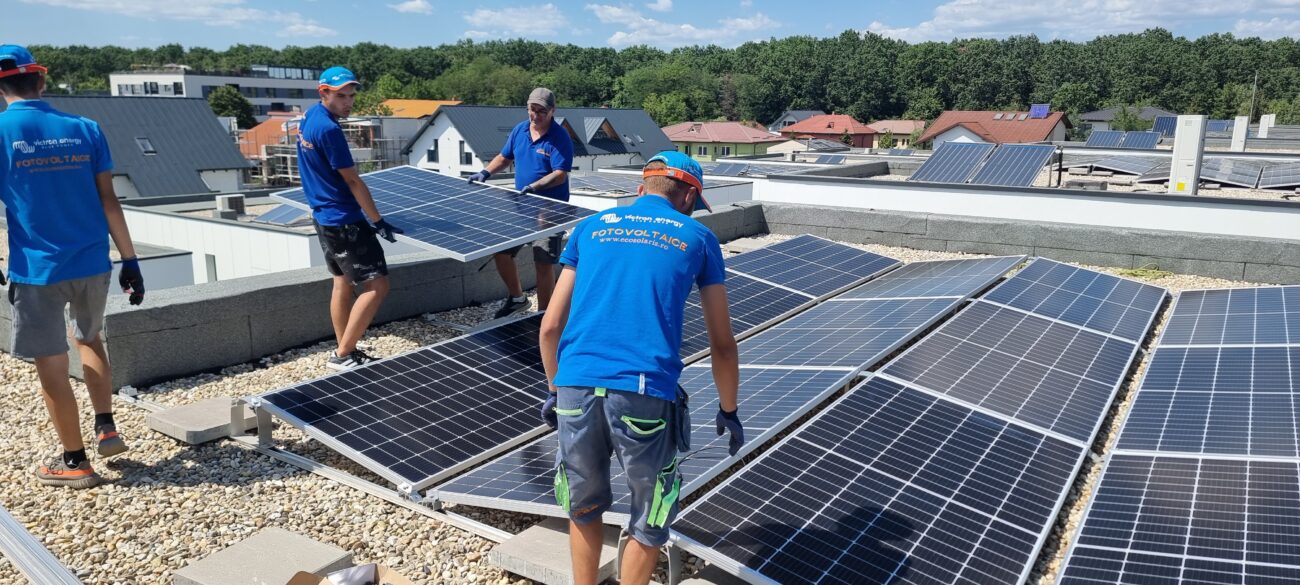
In addition to these mechanisms, heat can also affect the way photovoltaic panels are mounted and maintained. In areas with extremely high temperatures, the design of mounting systems must include passive cooling measures, such as adequate spaces between panels to allow natural ventilation. Also, regular maintenance to prevent the accumulation of dust and dirt is essential, because these particles can contribute to overheating and reducing performance.
Technologies and innovations to improve the impact of heat
As climate changes cause global temperatures to rise, improving the impact of heat on photovoltaic panels becomes essential. Various technologies and innovations have been developed to maintain the efficiency and durability of these panels even in extreme heat conditions.
Advanced technologies for improving the impact of heat on photovoltaic panels
A significant innovation in the photovoltaic field is the use of materials with a low thermal coefficient. Panels made from materials such as perovskite or thin film solar cells tend to be more resistant to high temperatures. These materials have a reduced sensitivity to temperature variations, thus maintaining a constant efficiency even in extreme heat conditions.
Active cooling systems represent another crucial technology for reducing the impact of heat on photovoltaic panels. These systems use cooling liquids or forced air to maintain the temperature of the panels at an optimal level. For example, the circulation of chilled water behind the panels can absorb excessive heat, preventing overheating and maintaining the efficiency of converting solar energy into electricity.
Innovations in the design of photovoltaic panels for heat management
The intelligent design of photovoltaic panels can also contribute to ameliorating the impact of heat. Bifacial panels, which capture sunlight from both sides, can disperse heat more efficiently than traditional panels. This not only improves energy performance, but also reduces the operating temperature of the panels.
Another important innovation is the use of nanomaterials and smart layering to reflect part of the solar radiation. Anti-reflective layers and nano-structured materials can reduce heat absorption, thus keeping the temperature of the photovoltaic panels at a lower level. These technologies not only improve the efficiency, but also extend the lifespan of the panels.
Integrated solutions for improving the impact of heat on photovoltaic systems
The integration of passive cooling solutions, such as natural ventilation and the use of reflective structures, can be extremely effective. For example, the installation of photovoltaic panels on high structures, which allow the free circulation of air, can significantly reduce their temperature. Also, the use of white roofs or other reflective materials for mounting the panels can reduce the absorption of solar heat.
Advanced temperature monitoring and control is another important integrated solution. The use of temperature sensors and control algorithms to dynamically adjust the orientation of panels or cooling systems can optimize performance in real time. These intelligent systems can react quickly to temperature changes, ensuring optimal efficiency and improved protection against extreme heat.
Implementation and optimization strategies in high temperature areas [#$$#]
The implementation of photovoltaic panels in areas with high temperatures requires specific strategies to ensure the efficiency and durability of solar energy systems. These optimization strategies are essential to face the challenges imposed by extreme heat and to maximize energy production.
Optimizing the installation of photovoltaic panels in extreme heat conditions
A crucial strategy for the implementation of photovoltaic panels in areas with high temperatures is to optimize their mounting. Installing the panels at a correct angle can reduce the direct impact of solar radiation and improve natural ventilation. For example, mounting the panels at a greater angle can allow air to circulate under the panels, helping to dissipate heat and maintain the temperature of the panels at an optimal level.
The use of cooling technologies for photovoltaic panels
Cooling technologies are essential for optimizing the performance of photovoltaic panels in areas with high temperatures. Active cooling systems, such as water or forced air cooling, can significantly reduce the temperature of the panels, preventing overheating and maintaining energy efficiency. Also, passive cooling solutions, such as the use of reflective materials or mounting the panels on structures that allow free air circulation, can contribute to reducing the operating temperature of the panels.
Advanced materials for photovoltaic panels in areas with high temperatures
Choosing the right materials for photovoltaic panels is another important strategy in areas with high temperatures. The use of materials with a low thermal coefficient, such as perovskite solar cells or thin-film panels, can reduce sensitivity to temperature variations and improve performance in extreme heat conditions. These materials are more resistant to thermal degradation and maintain their energy efficiency even at high temperatures.
Monitoring and maintenance of photovoltaic panels in extreme heat conditions
Constant monitoring and regular maintenance of photovoltaic panels are essential to ensure optimal performance in areas with high temperatures. The use of temperature sensors and real-time monitoring systems can help quickly detect problems caused by extreme heat and implement corrective measures. Also, regular maintenance, such as cleaning the panels to prevent the accumulation of dust and dirt, can help maintain efficiency and prevent overheating.
Design and orientation strategies for photovoltaic panels
The design and orientation of photovoltaic panels play a crucial role in optimizing performance in high temperature conditions. The use of bifacial panels, which can capture sunlight from both sides, can improve energy efficiency and help disperse heat. Likewise, orienting the panels so as to avoid direct exposure to the sun during the hottest hours of the day can reduce excessive heating and maintain an optimal operating temperature.
The implementation of these optimization strategies in areas with high temperatures is essential to ensure performance and durability photovoltaic systems. By adopting advanced technological solutions, using appropriate materials and constant monitoring, photovoltaic panels can work efficiently even in extreme heat conditions, thus contributing to a sustainable and efficient solar energy production.
Conclusion [#$$#]
In conclusion, managing the influence of extreme heat on photovoltaic panels is crucial to maintain the efficiency and durability of these solar energy systems. Advanced technologies, innovations in design and materials resistant to high temperatures play an essential role in improving the impact of heat on photovoltaic panels. Also, implementation and optimization strategies, including the use of cooling systems and constant monitoring, are vital to ensure optimal performance in difficult climatic conditions.
The adoption of these measures will contribute to increasing the sustainability of solar energy and to a more efficient production of green energy. As global temperatures continue to rise, it is essential to constantly adapt and innovate to face the challenges imposed by extreme heat on photovoltaic panels.