


The current energy environment, characterized by price volatility, climate change concerns and the need for a transition to sustainable energy sources, places photovoltaic energy at the center of attention. A custom photovoltaic system is more than just installing solar panels; it is a long-term strategic investment, specifically adapted to the needs of each consumer, which brings financial, ecological and energy independence benefits.
Why choose a custom PV system over a standard system?
A pre-configured photovoltaic system, although it may seem a simpler option initially, does not take into account the particularities of each location and each consumer. A customized photovoltaic system, on the contrary, is designed taking into account a number of critical factors, which guarantees an optimal return on investment and a perfect adaptation to individual needs.
The key factors that define an efficient customized photovoltaic system:
- Energy consumption profile analysis: Evaluating average daily and seasonal consumption, identifying consumption peaks and the types of appliances used are essential for the correct sizing of the system.
- Solar potential study: Determining the amount of solar radiation available at that location, taking into account factors such as latitude, climate and possible obstacles (buildings, trees).
- Assessment of roof orientation and pitch: The angle and direction in which the roof is oriented significantly influences the amount of solar energy captured. A custom solution can include optimizations to the panel support structure to maximize sun exposure.
- Establishing the client's objectives: Reducing energy costs, achieving energy independence, contributing to environmental protection or a combination of these are objectives that will guide system design.
- Architectural and aesthetic integration: Solar panels can be discreetly integrated into the building design without affecting the aesthetic appearance. There are solar panel solutions with different colors and textures that can match any architectural style.
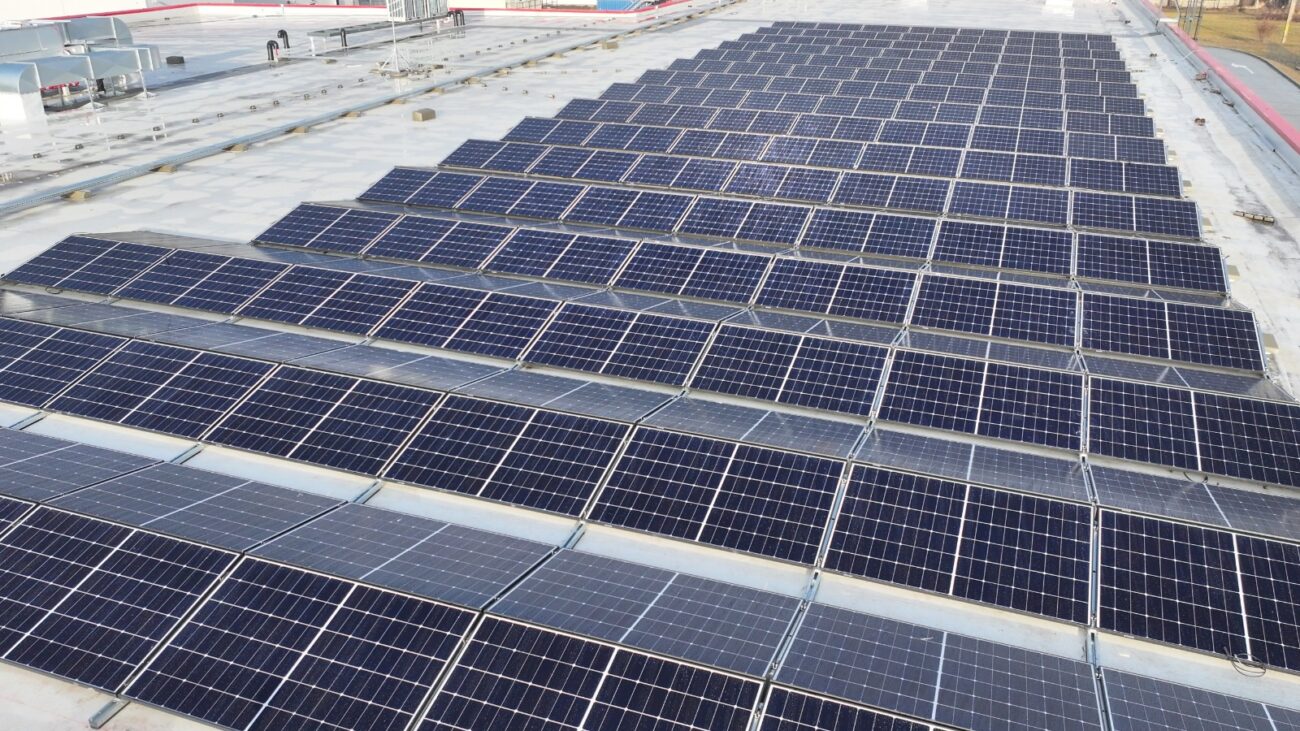
- Consideration of available space: The available roof or land area will determine the number of solar panels that can be installed. In case of limited spaces, high efficiency solar panels can be used.
The key components of a customized photovoltaic system:
- Photovoltaic solar panels: Choosing the right solar panels is crucial. Factors such as efficiency, durability, manufacturer's warranty and cost will be considered.
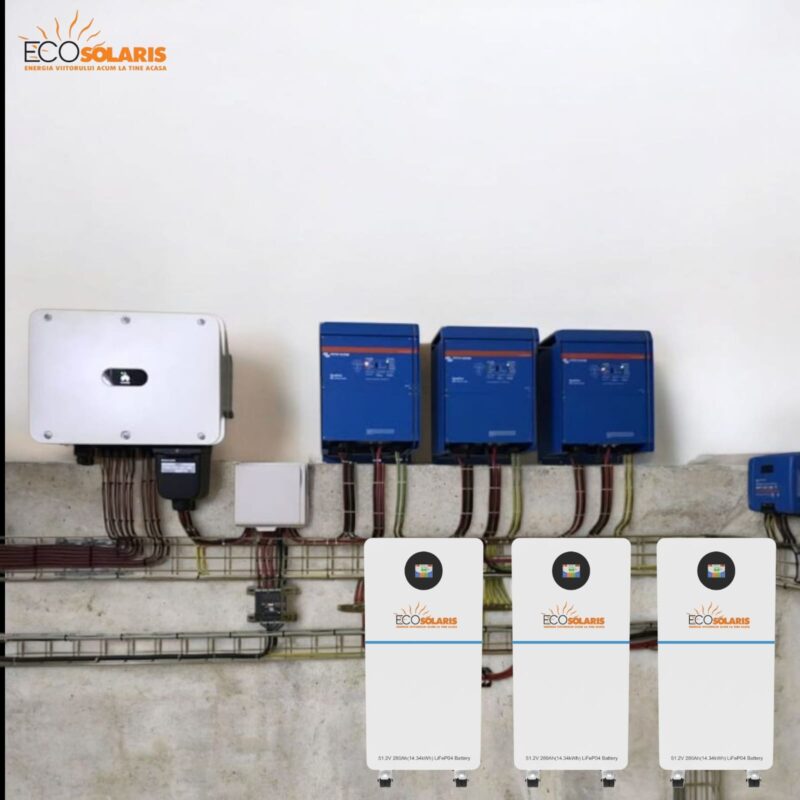
- Solar inverter: The inverter transforms the direct current produced by the solar panels into alternating current, which can be used in the home or injected into the network. Inverter efficiency is an important factor to consider.
- Monitoring system: A monitoring system allows real-time tracking of energy production, identification of potential problems and optimization of system performance.
- Solar batteries (optional): Solar batteries store the energy produced by the panels during the day, allowing it to be used at night or on cloudy days. The integration of solar batteries increases the degree of energy independence.
- Energy management system (optional): [#$$#]An energy management system allows automatic control of energy consumption in the home, prioritizing the use of solar energy and optimizing costs.
The process of implementing a customized solar solution, step by step:
- Initial Consultation and Assessment: Specialists will assess the client's energy needs, location and goals.
- Custom design: A detailed technical design is drawn up, including system sizing, component selection and installation plan.
- Obtaining the necessary permits: Necessary permits and building permits are obtained from local authorities.
- Professional system installation: The installation team will mount the solar panels, inverter, batteries (if applicable) and other components.
- Connecting to the network and commissioning: The system is connected to the power grid and the customer becomes the prosumer.
- Monitoring and maintenance: Permanent monitoring of the system is ensured and preventive maintenance is carried out to guarantee optimal operation.
Financial and cost considerations:
- Initial investment cost: The initial cost of a custom PV system can vary depending on the size of the system, the components used and the complexity of the installation.
- Long-term savings: Lower energy bills and the ability to sell surplus energy into the grid generate substantial long-term savings.
- Financial incentives and subsidies: There are state and local programs that offer subsidies and tax credits for the installation of photovoltaic systems. They can considerably reduce the initial cost of the investment.
- Amortization period: The payback period of the investment in a custom PV system varies depending on several factors, but is usually between 5 and 10 years.
- Financing the photovoltaic system: There are various financing options available, from special bank loans to leasing or partnership contracts with energy companies.
Maintenance and upkeep of a photovoltaic system:
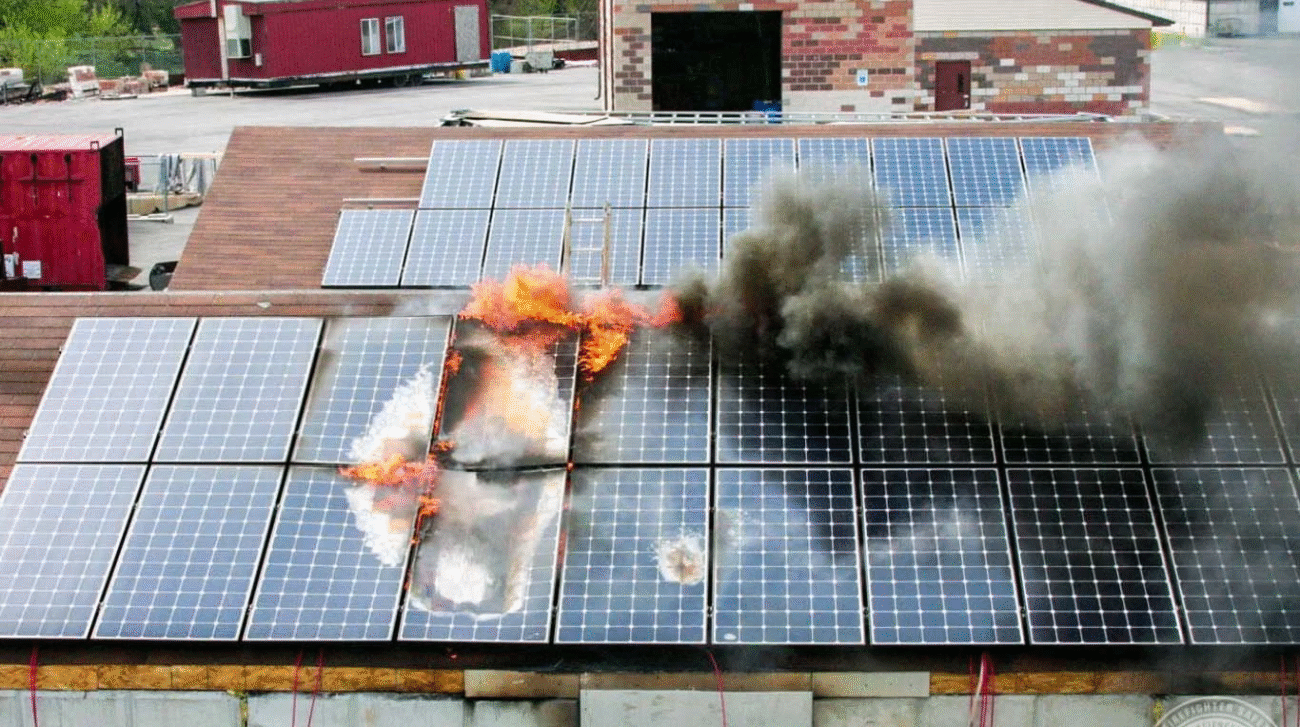
- Cleaning the solar panels: Solar panels must be cleaned periodically to remove dust, dirt or snow, which can reduce their efficiency.
- Checking system components: It is recommended to periodically check the inverter, cables and other system components to identify possible problems.
- Preventive maintenance: Performing preventive maintenance extends the life of the system and ensures optimal long-term operation.
The advantages of solar energy in the current context:
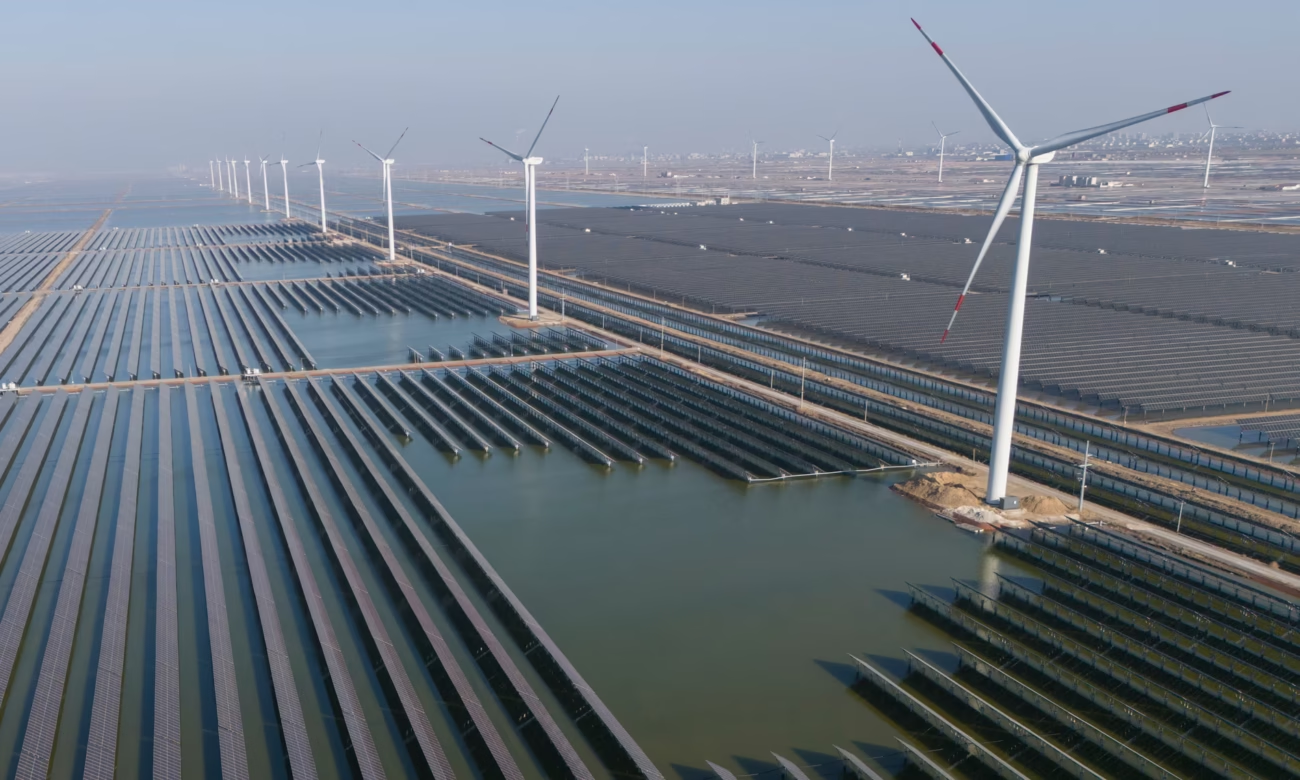
- Clean and renewable energy: Solar energy is a clean source of energy that produces no greenhouse gas emissions and does not contribute to climate change.
- Reducing dependence on fossil fuels: The use of solar energy reduces the dependence on fossil fuels, which are a limited and polluting source of energy.
- Stability and predictability: The cost of solar energy is stable and predictable, unlike fossil fuel prices, which can fluctuate considerably.
- Job creation: The solar energy industry creates jobs in the production, installation and maintenance of photovoltaic systems.
Design and implementation of a customized photovoltaic system: a strategic partnership. [#$$#]
Choosing a competent and experienced partner for the design and installation of a customized photovoltaic system is crucial. The ideal partner will offer you:
- Specialized consultancy: A team of experts will guide you in the process of choosing the right solution, taking into account your needs and the characteristics of the location.
- Custom design: A detailed technical project, tailored specifically to your requirements.
- Professional installation: A team of qualified installers will install the system respecting the highest quality and safety standards.
- After-sales services: Technical support, maintenance and monitoring to ensure that the system works optimally in the long term.
Conclusion: A sustainable energy future starts with a smart choice:
Investing in a customized solar solution is an important step towards a more sustainable, economical and independent energy future. By working with a reliable partner and choosing a solution adapted to your needs, you can help protect the environment, reduce energy costs and ensure a better future for future generations. Don't hesitate to contact a PV specialist to discuss the customized solutions available to you.