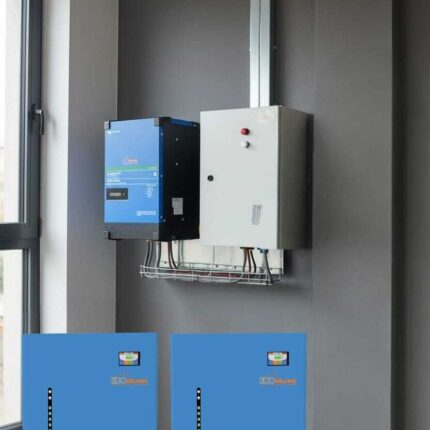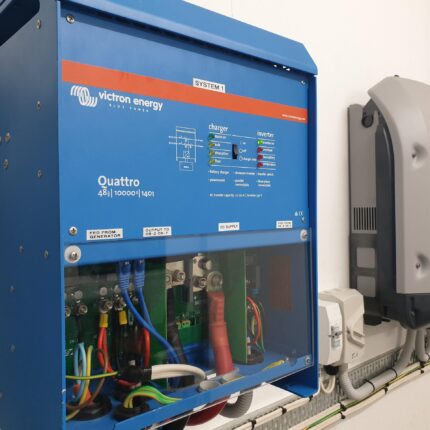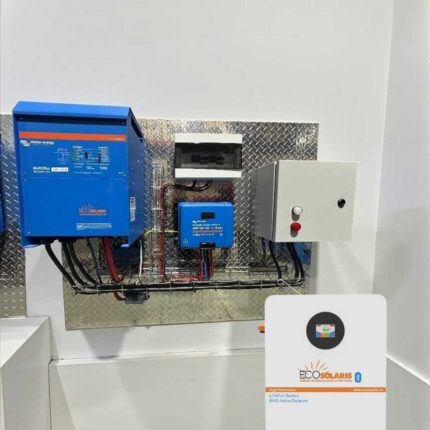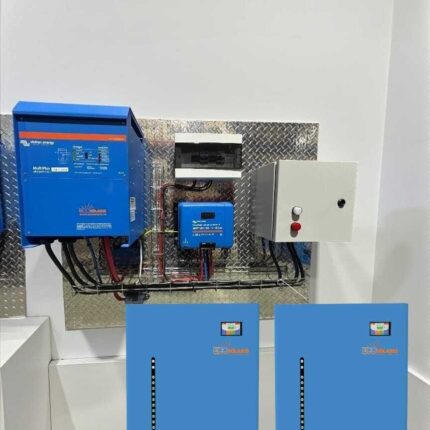





Hybrid photovoltaic systems represent an advanced and versatile solution for electricity generation, adapted for both on-grid and off-grid operation. These systems use hybrid inverters, which allow connection to the main electricity grid (on-grid), but also have the ability to operate independently (off-grid) if necessary.
How does a hybrid photovoltaic system work?
The main component of these systems is the photovoltaic panels, which transform solar energy into electricity. Hybrid inverters are essential for converting direct current (DC) generated by panels into alternating current (AC), suitable for use in the power grid or for direct consumption. These inverters are designed to efficiently manage and optimize energy regardless of the operating mode.
Hybrid PV systems often also include batteries to store excess electricity generated by PV panels during the day. This allows users to use the energy stored in the batteries during peak consumption periods or when the electricity grid is unavailable (off-grid).
Multiple advantages of the hybrid photovoltaic system
Hybrid photovoltaic systems offer multiple advantages, including reducing energy costs, increasing energy autonomy and minimizing environmental impact.

Promotional package 3kW Inverter Victron GX Hybrid 48V 3000VA battery 5kwh
Promotional package 3kW Inverter Victron GX Hybrid 48V 3000VA with 15kWh battery
Promotional package 3kW Inverter Victron GX Hybrid 48V 3000VA with 5kWh battery
Promotional package 5kW Victron GX Hybrid 48V 5000VA inverter with 15kWh battery
Promotional package 5kW Victron GX Hybrid Inverter 48V 5000VA with 5kWh battery
Promotional Package Inverter Victron Energy 48V 10kW with 15kwh battery
Promotional Package Inverter Victron Energy 48V 10kW with 30kwh battery
Promotional Package Inverter Victron Energy 48V 10kW with 45kwh battery
Promotional package Victron Energy 48V 15kW Inverter with 10kWh LifePO4 battery
Promotional package Victron Energy 48V 15kW Inverter with 30kWh LifePO4 battery
Promotional package Victron Energy 48V 15kW Inverter with 45kWh LifePO4 battery
Promotional package Victron Energy Inverter 48V 8kW with 10kwh battery
Promotional package Victron Energy Inverter 48V 8kW with 15kwh battery

Hybrid photovoltaic system 24V 3kW Victron Energy