
More and more families and companies are choosing to invest in solar energy, and photovoltaic systems are becoming an increasingly popular solution for energy independence.
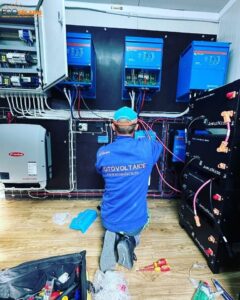
But after installation, many owners fall into a common trap: they believe that, once installed and covered by warranty, the system no longer requires any verification.
The reality is that a photovoltaic system, no matter how efficient it is, needs periodic checks to operate at optimal parameters and avoid costly technical problems.
The warranty does not replace maintenance
Although a PV system has a warranty, it only covers manufacturing defects, not the effects of wear over time, weather conditions or mounting exposed to dust and moisture.
The components of a solar system are exposed daily to wind, rain, dust, large temperature variations and intense solar radiation. Over time, these conditions can damage the connections, oxidize the cables, or cause the panels to become less efficient.
For example, a thin layer of dust or dry leaves can reduce energy production by up to 10%. An inverter operating with undetected faults can result in loss of efficiency without the owner immediately noticing.
Periodic checks do not void the warranty - on the contrary, o keep valid and can prevent the occurrence of defects that would not be covered by it.
Why it is important to check the photovoltaic system
A well-maintained photovoltaic system provides not only high energy efficiency, but also safety for your home or business.
Although solar panels are designed to operate autonomously for years, their performance is highly dependent on timely checks and maintenance.
Periodic verification brings clear benefits, which are directly reflected in the performance and durability of the system:
Consistent performance: clean panels without deposits or damage absorb more light and generate more energy.
Extended life: early identification of loose connections, oxidized components or the inverter in need of upgrades prevents costly failures.
Increased safety: a high voltage electrical system must be checked periodically to avoid the risk of overheating, short circuit or fire.
Economic efficiency: a properly maintained system has a higher yield and ensures a faster return on investment.
For example, even a thin layer of dust, leaves or snow can reduce energy production by up to 10%.
In addition, an inverter operating with undetected faults can cause loss of efficiency without the owner immediately noticing.
According to data published by International Energy Agency (IEA), photovoltaic systems can reduce their efficiency by up to 10% in the absence of regular maintenance.
This finding confirms the importance of periodic checks, which maintain optimal system performance and prevent premature degradation of components.
Therefore, the verification of the photovoltaic system is not just a technical formality, but a concrete measure to protect the investment, increase energy production and ensure safe and sustainable long-term operation.
What does a technical check entail?
A professional verification of a photovoltaic system includes several steps, each of which has an important role in maintaining the overall performance: [#$$#]
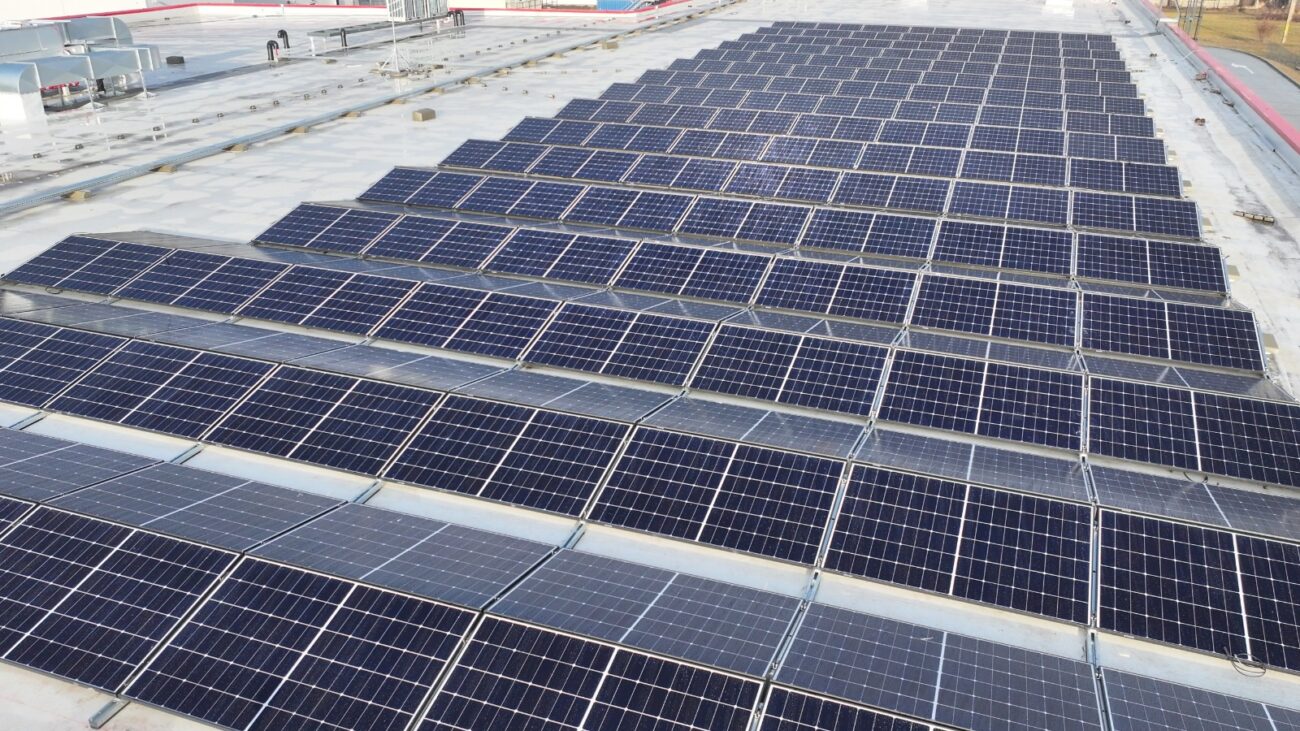
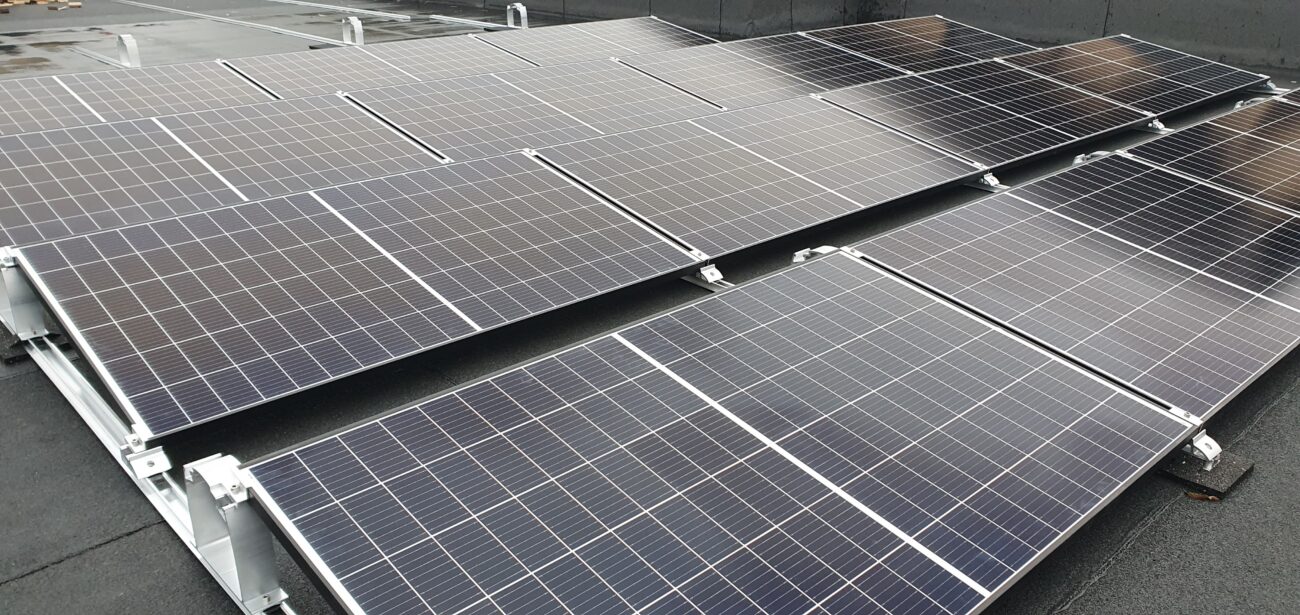
Inspection of solar panels – checking the surface for cracks, stains, deposits or traces of corrosion.
Checking electrical connections – tightening the terminals, controlling the insulation and eliminating the risk of oxidation.
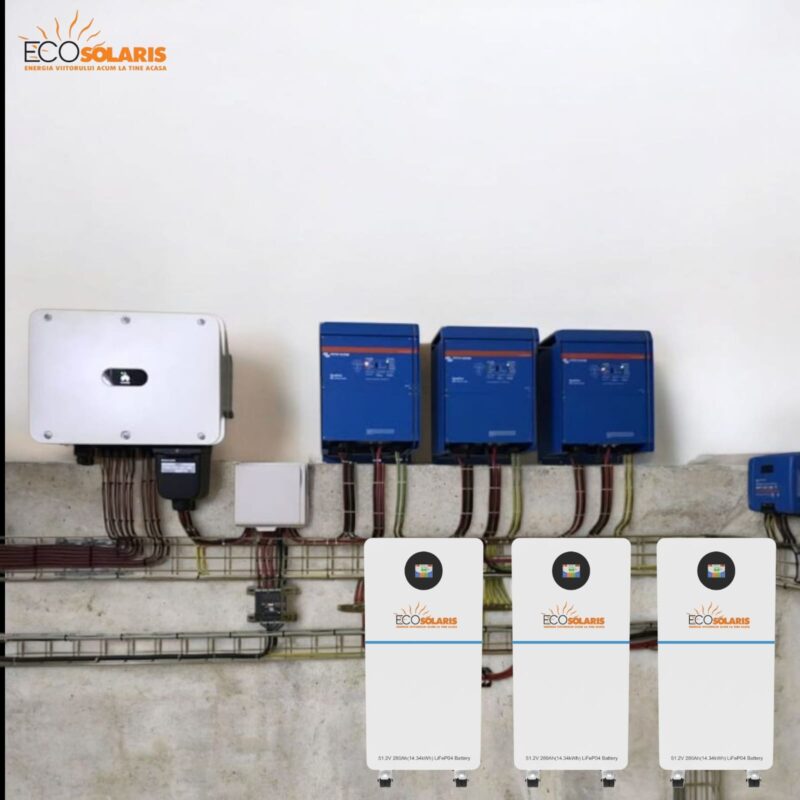
Inverter testing – analyzing production data, identifying alarms and comparing performance with design parameters.
Control of earthing and protections – measuring the grounding resistance and verifying the functionality of the overvoltage protections.
Monitoring data analysis – comparing the actual production with the estimated one to detect possible efficiency losses.
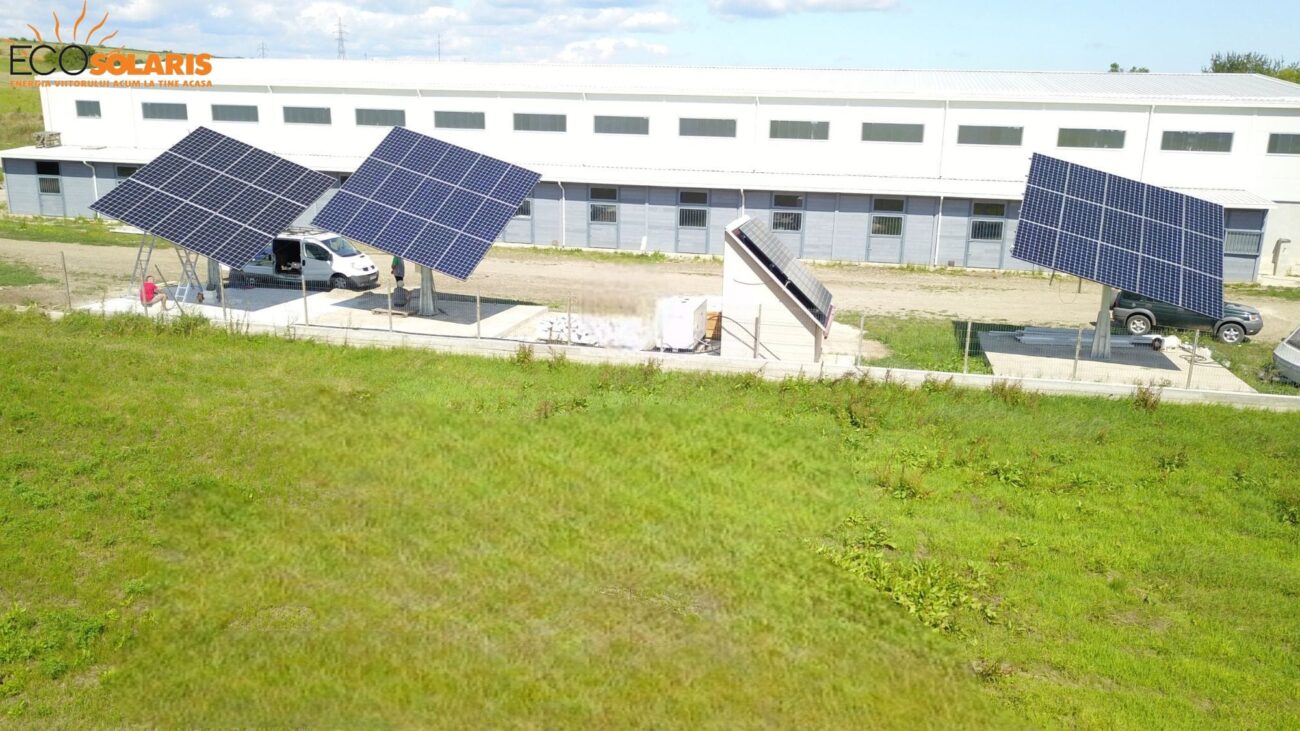
Cleaning and checking of the clamping structure – to avoid deformation of the panels and loss of alignment with the sun.
All these checks should be done at least once a year, ideally in spring or autumn, before the extreme seasons (hot summer or hard winter).
What can happen if you do not check the system
Neglecting maintenance can lead, over time, to a noticeable decrease in performance and even to irreparable damage.
Some possible consequences:
Low yield and financial losses.
Unexpected interruptions in inverter operation.
Oxidation of electrical connections and risks of overheating.
Dirty or damaged panels that no longer meet production parameters.
High costs for repairs that could have been avoided.
In short, an unmaintained solar system gradually loses efficiency and can end up producing 15–20% less than a periodically checked one.
Verification means accountability and efficiency
A PV system is a long-term investment — typically for 20–25 years. Like any complex technological equipment, it needs attention.
A simple annual check by a licensed specialist can make the difference between a system that maintains its performance and one that begins to noticeably decline after just a few years.
In addition, the periodic check proves responsibility towards the investment made and towards the environment. Each kWh efficiently produced means less emissions și a real contribution to sustainability.
🔧 EcoSolaris – your partner for sustainable solar performance
La EcoSolaris, we believe that a high-performance photovoltaic system does not stop at the moment of installation.
Periodic maintenance and evaluation are essential steps to maintain efficiency and safety over time.
An annual check carried out by authorized specialists allows the quick identification of possible malfunctions and ensures the optimal functioning of the entire system.
Thus, investing in green energy remains profitable, sustainable and safe for many years to come.
A timely check means increased efficiency, extended life span și protecting the home warranty and safety.
To maintain the performance and safety of your system, do not postpone the periodic check. Schedule a full PV system check now and make sure your green energy investment is working at full capacity.