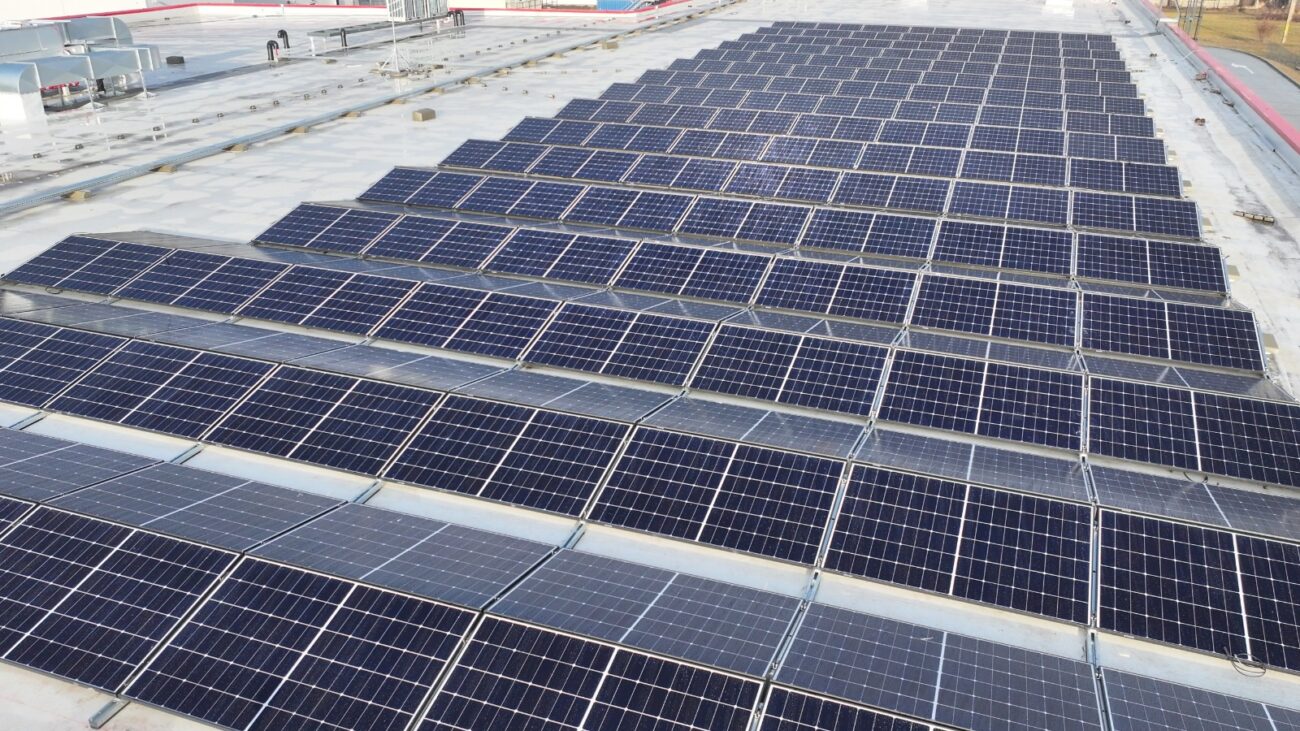






Solar energy has evolved from a fringe technology to one of the most promising solutions for the global energy transition. In the context of climate change and the depletion of fossil resources, investments in renewable energy have grown exponentially. This article aims to explore the main trends in solar energy and highlight what innovations and challenges await us in the future.
1. The global context of solar energy
In recent decades, the demand for clean energy sources has increased more and more. Solar energy stands out for its potential to reduce greenhouse gas emissions and ensure long-term energy security. Globally, the costs of installing solar panels have dropped significantly, making this technology affordable not only for large companies, but also for households.
As governments and companies adopt ambitious policies to combat climate change, solar energy is becoming an essential pillar in the renewable energy strategy. Investments in research and development lead to the emergence of innovative technologies that not only improve the efficiency of converting light into electricity, but also expand its applicability in various environments.
2. Technological innovations in the solar field
2.1. High efficiency solar panels
One of the major trends is increasing the efficiency of solar panels. Recent research focuses on the use of advanced materials such as perovskites and nanomaterials that can capture more sunlight and convert it into electricity with minimal loss. While traditional silicon-based solar cells have already reached theoretical efficiency limits, new materials open up the possibility of overcoming these barriers, helping to lower costs per watt generated.
2.2. Bifacial technologies and solar concentrators
Another notable innovation is the development of bifacial solar panels, which capture light from both the front and back. They provide improved performance, especially in reflective environments such as snow-covered areas or near white surfaces. In parallel, solar concentrator technologies, which use mirrors or lenses to focus light onto a small surface, increase light intensity and, implicitly, conversion efficiency.
2.3. Integrating solar systems into urban infrastructure
Rapid urbanization has required the adaptation of energy solutions to the new requirements of urban environments. Integrated photovoltaic systems represent an important trend, whereby solar panels are integrated into the structure of buildings, either as decorative elements or as functional facades. This approach not only saves space, but also reduces installation and maintenance costs, helping to create smarter and more sustainable cities.
3. Energy storage and smart grids
Another essential component in the development of solar energy is the capacity to store the generated energy. Given the intermittent nature of solar radiation, storage systems are vital to ensure a constant supply during periods of inactivity or increased demand.
3.1. Advanced batteries and storage technologies [#$$#]
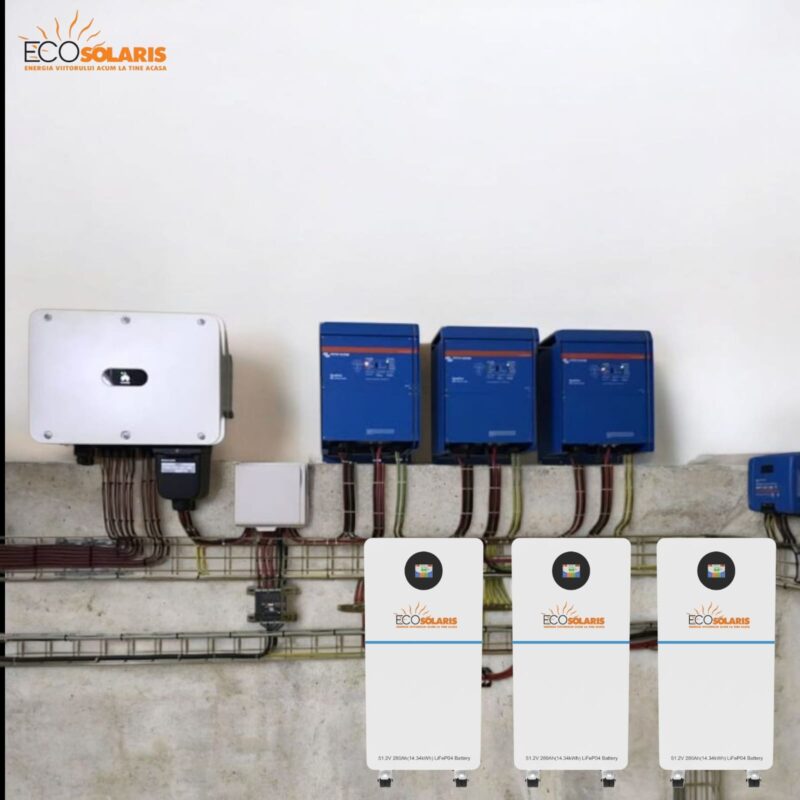
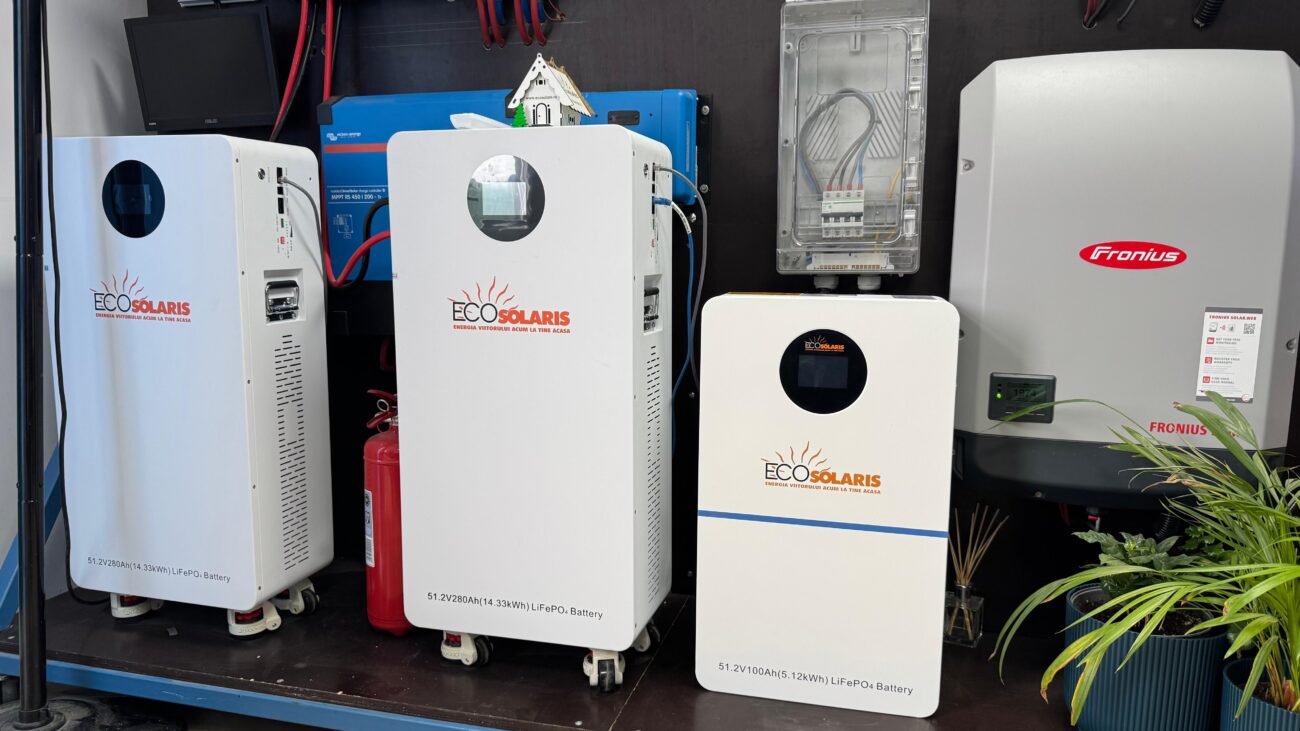
Advances in battery technologies, including lithium-based ones, have enabled the creation of storage systems with greatly improved energy density and extended life cycles. In addition, research into solid-state batteries and other emerging technologies offers promising prospects for more efficient integration of solar energy into power grids.
3.2. Smart grids and energy management
Digitization and the deployment of smart grids is another major trend. These networks allow real-time monitoring and management of energy flows, facilitating the integration of renewable sources and optimizing consumption. IoT (Internet of Things) technologies and solutions based on artificial intelligence contribute to the creation of energy ecosystems that are more resilient and more adaptable to changes in energy demand.
4. Policies and regulations: Driving the energy transition
To accelerate the adoption of solar energy, it is essential that the authorities implement favorable policies and regulations. Government support measures such as subsidies, tax incentives and financing schemes play a crucial role in reducing financial and technical barriers.
4.1. National and international strategies
Several countries have adopted ambitious strategies to increase the share of solar energy in the national energy mix. These strategies include targets for the installation of photovoltaic capacity, plans to upgrade electricity networks and research and innovation programmes. At the international level, multilateral climate change agreements and cross-border collaborations are stimulating the exchange of best practices and investment in large-scale solar projects.
4.2. Impact of regulations on investment
Clear and stable regulations are essential to attract investment in the solar sector. In the absence of a predictable legislative framework, investors may be reluctant to commit resources over the long term. Thus, harmonizing energy policies and creating a friendly business environment are critical steps in the evolution of the solar industry.
5. Environmental impact and social benefits
Solar energy is not only a technological solution, but also one that brings significant benefits to the environment and society. By reducing CO₂ emissions and other pollutants, solar panels help improve air quality and reduce negative effects on public health.
5.1. Reducing the carbon footprint
The large-scale implementation of solar technologies can significantly contribute to the achievement of greenhouse gas emission reduction targets. In addition to the climate benefits, the shift to renewable energy sources can reduce dependence on fossil resources, lessening the geopolitical and economic risks associated with fluctuations in oil and natural gas prices.
5.2. Job creation and community development
Investments in solar power boost the local economy by creating new jobs in areas such as installation, maintenance and technology development. In addition, renewable energy projects can revitalize rural communities and provide economic opportunities in disadvantaged areas, thus contributing to sustainable development and reducing social inequalities.
6. Challenges and future prospects
Despite the enormous potential of solar energy, there are also significant challenges that need to be addressed to ensure an effective energy transition.
6.1. Dependence on weather conditions [#$$#]
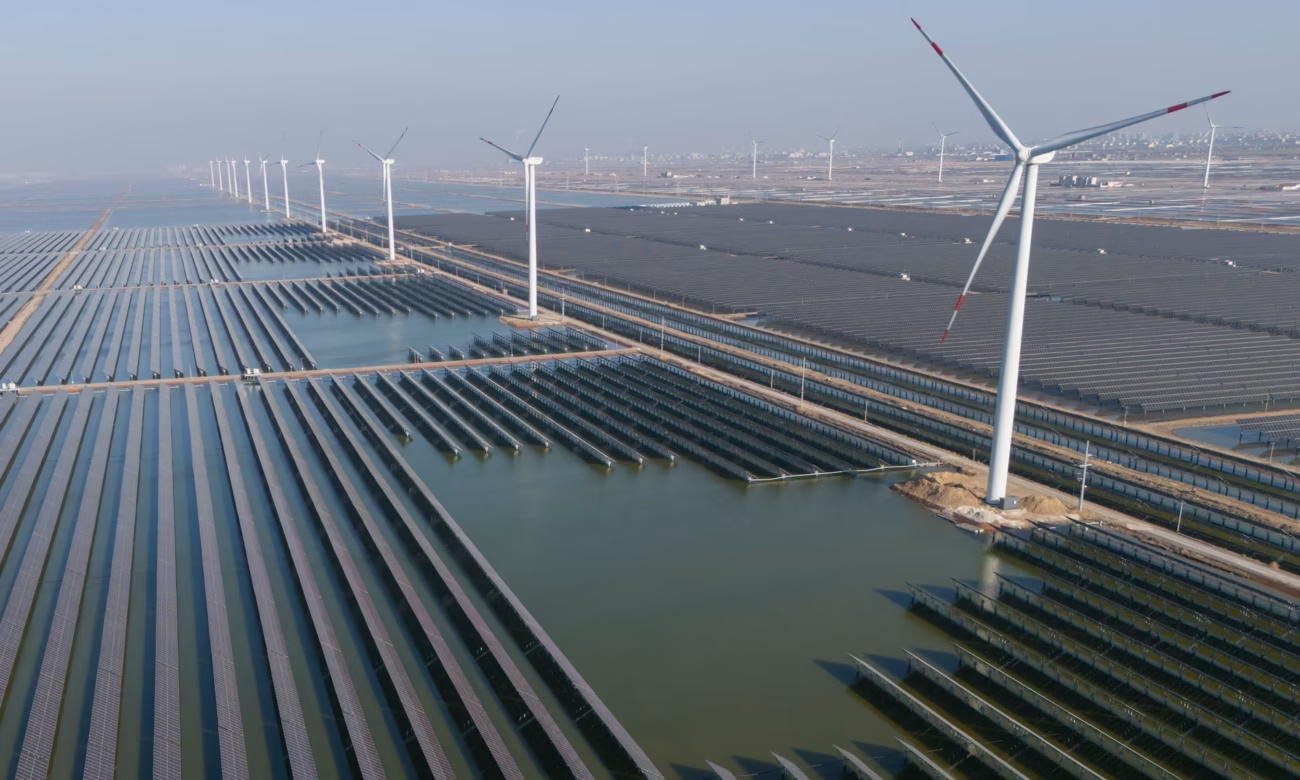
The intermittency of solar energy remains a major problem. The variability of solar radiation depending on weather conditions and seasons can affect the stability of power grids. The solution lies in the development of efficient storage systems and the integration of complementary energy sources, such as wind or hydroelectric.
6.2. Waste management and panel recycling
Another long-term challenge is managing the waste from solar panels at the end of their life. Recycling valuable materials from solar cells not only reduces environmental impact, but also helps replenish supply chains for essential materials. Industry needs to invest in recycling technologies and develop circular economy strategies to minimize waste and make use of existing resources.
6.3. Integration into existing distribution networks
As solar generation capacities increase, traditional power grids must be upgraded to handle the influx of decentralized energy. This involves significant investments in infrastructure and the development of digital solutions that allow real-time monitoring and control. Harmonious integration of solar energy into existing networks is essential to avoid overloading and ensure efficient energy distribution.
7. Conclusion
The future of solar energy promises to be full of innovations and opportunities, but also challenges that require integrated solutions and global collaboration. From improving panel efficiency and developing storage technologies, to implementing smart grids and formulating enabling policies, all of these will play a crucial role in how society adapts to the energy needs of the 21st century.
Solar energy is not only an alternative to conventional energy sources, but also a platform for economic and social transformation. By reducing carbon emissions, creating jobs and stimulating technological innovation, the solar sector can become an engine of sustainable development globally. At the same time, addressing the challenges of production intermittency and waste management will require a concerted effort by all actors involved: governments, industry, researchers and communities.
In conclusion, the current trends in solar energy show us that the energy future is closely linked to technological development and the adoption of ambitious policies. As innovations continue to lower the cost and improve the performance of solar systems, the transition to a renewable economy is becoming more feasible. Thus, solar energy has the potential to fundamentally change the way we produce and consume energy, paving the way to a cleaner, safer and fairer world.
Therefore, investment in research and development, along with sound public policies, will determine the future success of solar energy. These efforts will not only contribute to protecting the environment, but will also generate significant economic benefits, creating a sustainable and innovative energy future. In this context, each new discovery and each technological advance represents a step forward towards the realization of a global energy system based on sustainability and efficiency.