



The importance of protections in the electrical panel and special protections for water pumps or heat pumps
Explained from an electrical engineer's perspective
In every home or commercial building, the switchboard plays a crucial role in the distribution and protection of electrical installations. An essential aspect of this is the use of electrical protections, which ensure the safe operation of equipment and prevent electrical accidents. In addition, when it comes to specific equipment, such as water pumps or heat pumps, special protections become indispensable to prevent damage and ensure maximum durability of the systems.
1. Protections in the electrical panel – their role and importance
The switchboard is the point of distribution of electricity in a building. Various protections are installed here to prevent defects that could affect the safety of users or the operation of electrical equipment. Among the most common protections are:
The fuses: These are devices that burn out in the event of an overload or short circuit, interrupting the electrical current and protecting installations from major damage.
Overload Protection Devices (SPD): These are used to prevent overloads that could damage electrical equipment in the building.
Residual current devices (RCDs): These are essential for the protection of users by interrupting the power supply in the event of current leakage, which can lead to electric shocks or fires.
Protections in the electrical panel are fundamental to prevent fires, electric shocks and other accidents that can occur as a result of electrical faults. Without these protections, the risks would be much higher and the safety of the home would be compromised.
2. Special protections for water pumps and heat pumps
Water pumps and heat pumps are essential equipment for the correct operation of a heating or water supply system. They can be affected by various electrical faults or external conditions, which can lead to costly damage or danger to users. Therefore, special protections are absolutely necessary:
Overload and short circuit protection: Pumps are subject to high voltages, and any fluctuation in voltage or current can cause the motor to burn out. Installing proper overload and short circuit protections can prevent such situations.
Protection against lack of water: Water pumps must be protected from running empty (without water), which can cause them to be damaged. A safety switch or a sensor that detects the lack of water is essential to stop the pump before it fails.
Thermal protection: Heat and water pumps can overheat and this can cause compressors or other components to fail. Thermal protection devices monitor the motor temperature and stop the pump if it reaches a dangerous temperature.
Protection against outgassing: In heat pumps using refrigerants, protections for the escape of dangerous gases are essential, to prevent risks of poisoning or fire.
3. The dangers to which customers are exposed without adequate protections [#$$#]
Using electrical equipment and water or heat systems without adequate protection can lead to numerous risks. Here are some of the major dangers:
Electrocution: If residual current devices (RCDs) or overload protectors are not installed correctly, a short circuit may result in electric shock to the user. This risk is significantly higher in the case of equipment that does not have properly implemented protections.
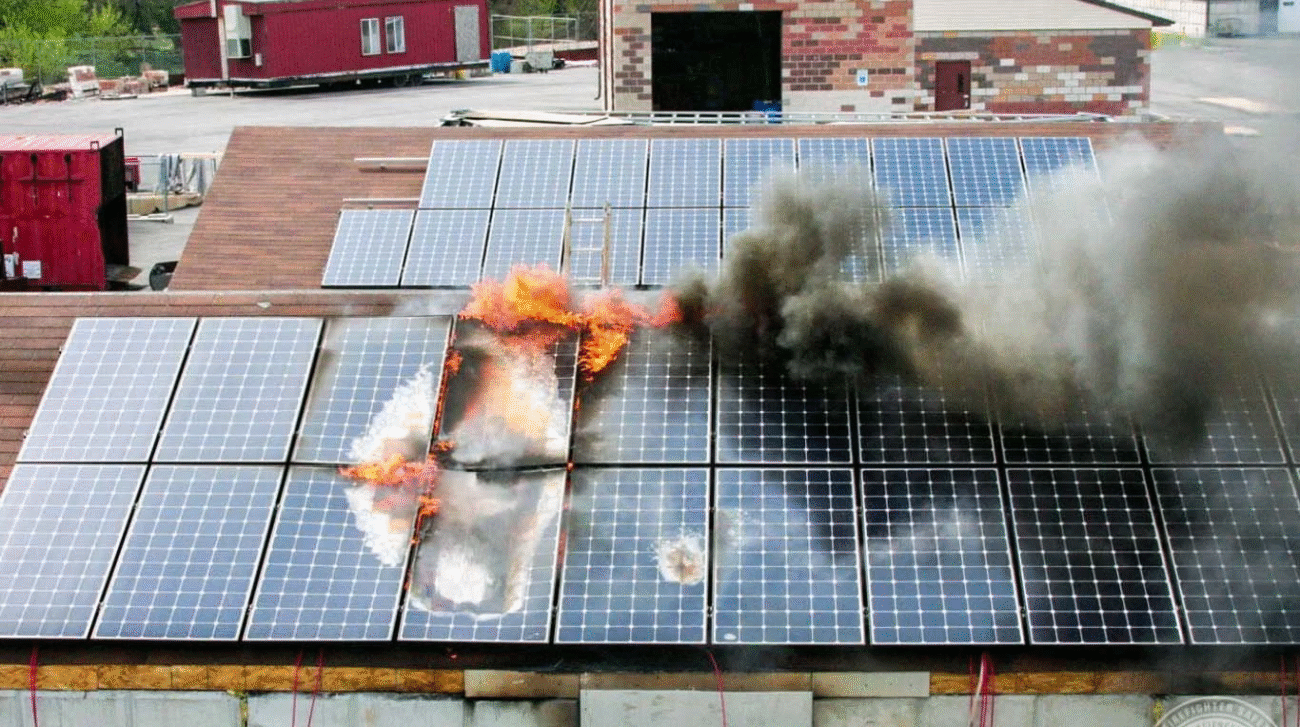
Fires: Without overload or short circuit protections, an overloaded cable can start a fire. Also, water pumps or heat pumps, which do not have protection against overheating or idling, can become sources of fire in the event of a fault.
Costly equipment failures: Without special protections, water pumps or heat pumps risk failure due to overheating, lack of water or electrical overloads. These failures can lead to high repair costs and replacement parts.
Gas poisoning: Heat pumps, especially those that use refrigerants, can present risks of releasing toxic gases if they are not equipped with adequate protection systems.
Conclusion
In conclusion, protections in the electrical panel and special protections for water pumps and heat pumps are not optional, but essential for the safety and efficiency of electrical systems. They protect both equipment and users, preventing accidents, saving costs and ensuring optimal long-term operation of electrical and water systems. Proper installation and regular maintenance of guards are essential steps in creating a safe living and working environment.