
In a world increasingly concerned with sustainability and finding renewable energy sources, choosing a photovoltaic system is a major decision for many home or business owners. With solar technology becoming increasingly affordable and efficient, it is essential to understand the key factors in selecting a PV system to suit our needs.
The first step in the process of choosing a photovoltaic system is to assess individual needs. This may include current energy consumption, space available for solar panels, and budget available for investment. A careful analysis of these aspects will help determine the right size and capacity of the solar power system for our specific location and requirements.
In addition to individual needs, it is also important to consider technical factors such as the efficiency and durability of solar panels, as well as the type of installation suitable for our specific environment. Choosing a professional and experienced installer can also make a significant difference in the performance and reliability of our PV system.
Choosing a PV system is an important and complex decision, and the right information and careful analysis are crucial to getting the most out of our solar investment.
The most important things to know when choosing a photovoltaic system
When it comes to choosing the right PV system, there are several key factors to consider to ensure we make the best decision for our needs. Here are some of the most important things to know about this process:
- Assessment of energy needs: One of the first steps in choosing a photovoltaic system is to assess how much energy we consume on a regular basis. This assessment will help us properly size the system and determine how many solar panels and energy storage capacity is needed to meet our energy requirements.
- Efficiency and durability of solar panels: Solar panels are the heart of the PV system, so it is crucial to choose high-quality solar panels that offer maximum efficiency and long-term durability. Checking the manufacturer's efficiency rating and warranty can be helpful in this regard.
- Cost and return on investment: The initial cost of a PV system can be significant, but it is important to evaluate the long-term cost and return on investment. Calculating the energy savings we will realize over time, as well as the potential subsidies or tax credits available for solar energy, will help us determine if the investment is financially advantageous.
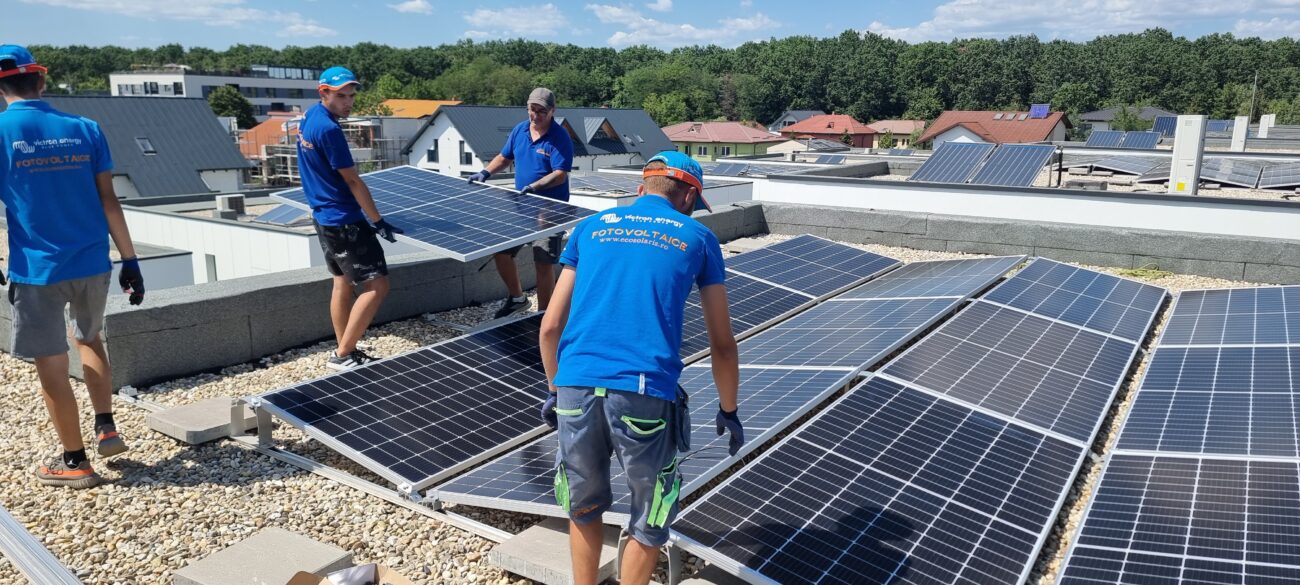
- Selecting a professional installer: The process of installing a photovoltaic system is as important as choosing the right equipment. Selecting a professional and experienced installer can ensure a correct and reliable installation of our system, thus helping to maximize its performance and durability.
- System monitoring and maintenance [#$$#]: After installation, regular monitoring and maintenance of the system is essential to ensure optimal long-term performance. Periodically checking system performance and performing preventive maintenance can help prevent problems and maintain system efficiency throughout its useful life.
- Compatibility with local environment and regulations: Before installing a photovoltaic system, it is important to ensure that it is compatible with our environment and that it complies with local regulations and legal requirements. Some areas may have restrictions on the size or type of PV system allowed, and prior investigation can prevent potential legal or environmental issues in the future.
Choosing a photovoltaic system involves a careful analysis of multiple aspects, starting from assessing our energy needs to selecting the right equipment and installer. By understanding and applying these key factors, we can ensure we get the maximum benefit from our solar investment.
Conclusions
As solar technology continues to advance and become more affordable, choosing the right PV system can be a strategic decision for the environment and your personal finances. However, before investing in such a system, it is essential to consider a number of critical factors to ensure that we are making the best possible choice.
One of the most important factors is assessing our energy needs and the system's ability to meet them. A careful analysis of our energy consumption and the potential savings we can achieve by using solar energy can significantly influence the size and configuration of the system we choose.
We also need to ensure that we invest in high quality equipment such as efficient and durable solar panels to ensure that our PV system will perform optimally in the long term. Selecting a professional and experienced installer can also help ensure quality installation and long-term system performance.
Cost and return on investment are also critical factors in the decision-making process. Even though the initial cost of a photovoltaic system may seem high, evaluating the long-term savings and possible subsidies or tax credits available can change the financial perspective of the investment.
Regular monitoring and maintenance of the system is also crucial to ensure optimal operation and long-term sustainability. By regularly checking system performance and performing preventive maintenance, we can prevent potential problems and maintain system efficiency throughout its useful life.
In addition, we must be aware of the system's compatibility with the environment and local regulations. Compliance with legal requirements and environmental regulations can prevent potential problems and controversies in the future, ensuring that our investment in solar energy is sustainable and responsible.
In conclusion, choosing a photovoltaic system involves a careful analysis of multiple aspects, starting from the assessment of our energy needs to the regular monitoring and maintenance of the system. By understanding and applying these key factors, we can make an informed and strategic choice that benefits both us and the environment.