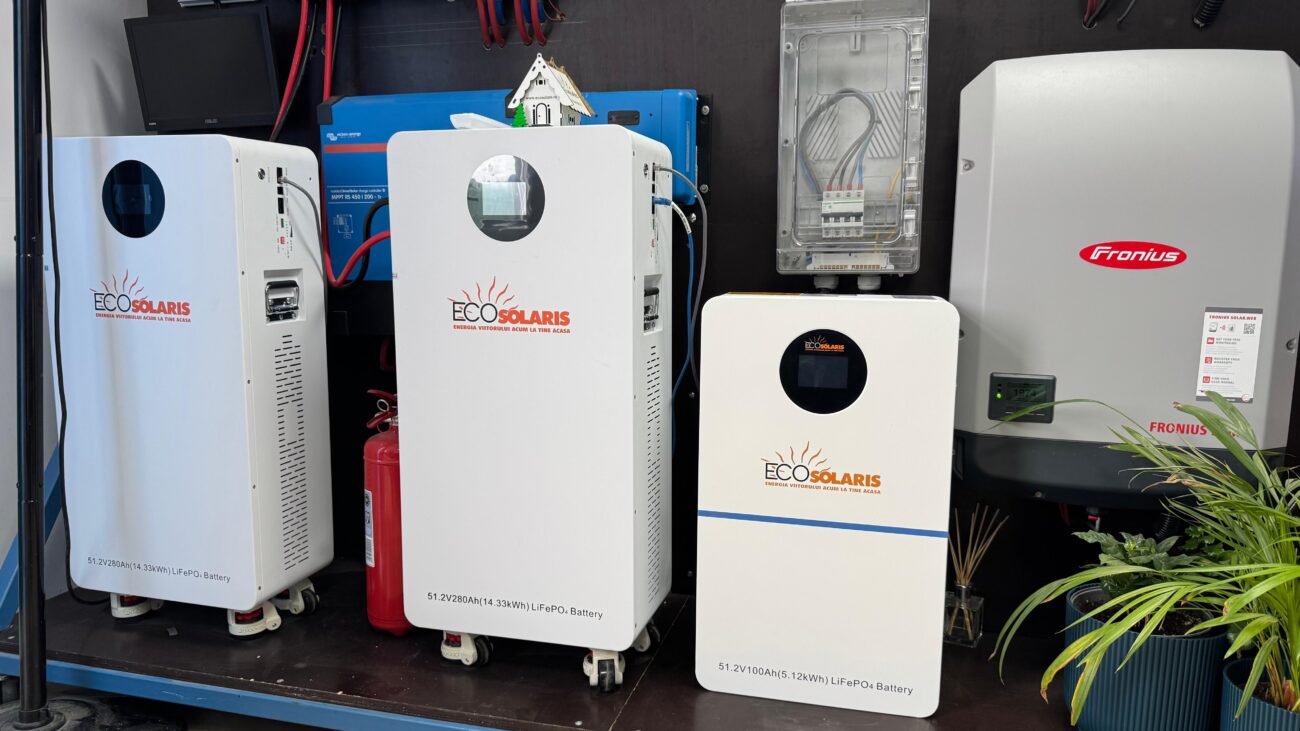





LiFePO4 Cell Equalization – In modern PV systems, the battery is a vital component and LiFePO4 (Lithium Iron Phosphate) cells have gained considerable popularity due to their excellent performance in terms of durability and energy efficiency. The equalization of these cells becomes essential to maintain the health and extend the life of the battery, while ensuring optimal efficiency of the photovoltaic system.
LiFePO4 stands out for its high energy density, increased safety and durability of charge-discharge cycles, making them ideal for applications where reliability is crucial, such as in solar installations. However, a common problem in multi-cell LiFePO4 systems is disproportionality in charging and discharging, which can lead to imbalances and shortened battery life.
LiFePO4 cell equalization is the process of ensuring that all cells in a battery are charged and discharged evenly. This process is crucial for preventing individual cells from being overcharged or undercharged, which could lead to their premature damage and reduced overall energy storage capacity. By applying a proper equalization technique, battery performance is optimized and battery life is maximized, resulting in significant long-term savings in PV system maintenance and replacement costs.
10 reasons why the equalization of LiFePO4 cells in photovoltaic systems is important
Equalization of LiFePO4 cells in PV systems is an essential practice with multiple benefits that contribute to the efficiency and durability of the entire system. Here are ten clear reasons for the importance of this process:
- Extending battery life: Equalizing LiFePO4 cells helps maintain an even distribution of energy storage capacity across all cells, thus preventing imbalances that can lead to premature battery aging.
- Maximizing system efficiency: Correct equalization ensures optimal performance of each cell, which translates into increased efficiency of the PV system as a whole.
- Reducing the risk of damage: LiFePO4 cells are sensitive to overcharging and undercharging, and regular equalization reduces the risk of cell damage, thus ensuring system reliability and durability.
- Long-term savings: By extending battery life, LiFePO4 cell equalization helps reduce maintenance and component replacement costs, saving you money in the long run.
- Optimizing energy performance: Balanced cell batteries operate at full capacity, providing efficient energy storage and ensuring that the energy produced by the PV panels is used efficiently.
- Maintaining system security: Cell equalization reduces the risk of overheating or battery failure, contributing to a safe operating environment for the entire PV system.
- Optimizing the use of resources: By equalizing the cells, the risk of energy losses or inefficiencies in the charging and discharging process is minimized, thus maximizing the use of available resources.
- Compliance with the manufacturer's specifications: [#$$#]Many LiFePO4 battery manufacturers recommend regular equalization to maintain warranty and specified performance, thus ensuring compliance with standards and usage recommendations.
- Adaptability to variable environmental conditions: Photovoltaic systems are exposed to climatic variations and various load conditions; the equalization of LiFePO4 cells helps to adapt the system to changes in environment and usage.
- Improving system durability: A PV system with correctly equalized LiFePO4 cells will be more robust and reliable over time, providing a sustainable and sustainable investment in solar energy.
When is it recommended to equalize LiFePO4 cells in photovoltaic systems
Equalizing LiFePO4 cells in a PV system is a recommended practice in several critical situations to maintain battery health and efficiency. Here's when it's crucial to do this process:
- After initial battery installation: After installing a LiFePO4 battery in a new PV system, it is recommended to perform an initial cell equalization. This ensures that all cells start operating at the same level of capacity and health, setting a benchmark for future system performance.
- Before putting the system into operation: Before commissioning the PV system, it is essential to carry out an equalization to check and correct any initial difference between the cells. This preventive measure can prevent further problems and ensures immediate optimal performance.
- After a long period of non-use: If the PV system has been inactive for a significant period, it is recommended to perform an equalization of the LiFePO4 cells before reactivating the system. This helps to improve and restore energy storage capacity that may have been affected by self-discharge or imbalances during idle time.
- After voltage imbalances have been observed: If you monitor the system and notice significant differences in the voltage or capacity of individual cells, it is advisable to perform an immediate equalization. This can help correct problems and prevent further damage to the battery.
- Before extreme temperature seasons: Before entering seasons with extreme temperatures, such as winter or very hot summer, it is good to perform an equalization of the LiFePO4 cells. Extreme temperature variations can affect cell performance and balance, and a preemptive equalization can keep the system in optimal conditions.
- If battery performance drops significantly: If you notice a significant drop in PV system performance or reduced battery life, an equalization may be necessary to check and correct any cell aging or imbalance issues.
- During periods of heavy battery use: If the system is used intensively for a long time, it is recommended to perform a periodic equalization to maintain a constant performance and extend the life of the battery.
Conclusion [#$$#]
The conclusion of this study on the importance of equalizing LiFePO4 cells in photovoltaic systems leads us to the conclusion that careful management of these batteries is crucial to maximize the efficiency and durability of the solar system. Periodic equalization not only extends battery life, but also optimizes energy performance, providing a sustainable and economical solution for green energy consumers. In a global context increasingly concerned with sustainable energy solutions, technologies such as LiFePO4 play a vital role in the transition to a cleaner and more energy efficient world. Continued research and innovation in this field will continue to lead to more advanced and affordable solutions for all those interested in contributing to the protection of the environment through the use of renewable energy.