



Differences between a hybrid photovoltaic system and an on-grid photovoltaic system: Energy production and consumption
In the context of solar energy, there are two main types of photovoltaic systems that are used to capture and convert solar energy into electricity: on-grid photovoltaic systems și hybrid photovoltaic systems. Both have the main goal of reducing electricity costs and contributing to the use of renewable energy sources. However, there are key differences between them, particularly in how energy production and consumption are managed.
What is an On-Grid Photovoltaic System?
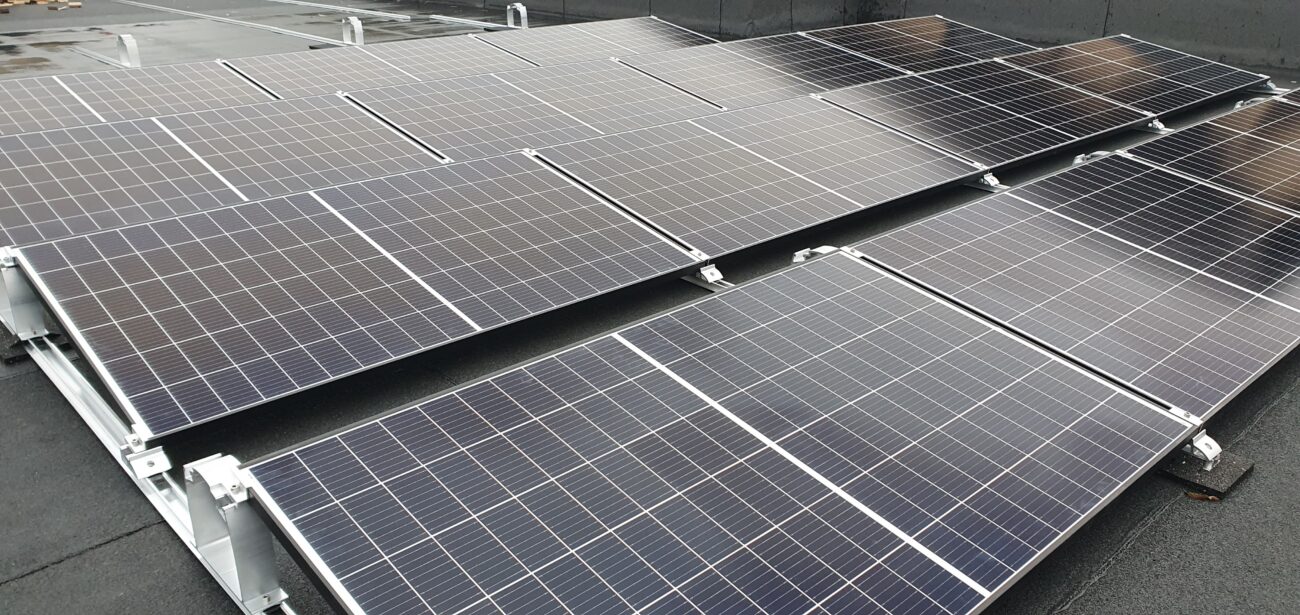
Un on-grid photovoltaic system it is directly connected to the national electricity grid. This type of system produces electricity using solar panels and converts it into alternating current (AC) using an inverter. The energy produced is used to supply local consumers (eg households, businesses) and the surplus energy that is not consumed is sent back to the public electricity grid. In many cases, in exchange for this delivered energy, users receive a credit on their energy bills or, depending on local regulations, may be remunerated for the energy delivered to the grid.
Advantages of the on-grid system:
- Energy savings: The energy produced directly reduces consumption costs and the surplus can be sold to the grid.
- Simple to install and maintain: No batteries required for storage energy, so the initial investment is lower.
- Network replacement: During periods of low production, users rely on the national electricity grid to meet their energy needs.
Disadvantages of the on-grid system:
- Network dependency: If there is a power outage in the grid, users will not have access to solar power, even though the PV panels are generating power.
- No storage: The energy produced is not stored for later use, but sold to the grid, which can lead to losses during the night or bad weather.
What is a Hybrid photovoltaic system?
Un hybrid photovoltaic system combines the characteristics of a system on-grid with those of a system off-grid, i.e. network independent. In such a system, solar energy is used to power local consumers and charge batteries. If solar production exceeds consumption, the energy is stored in batteries for later use during times when there is not enough sunlight, such as at night or on cloudy days. A hybrid system is also connected to the electricity grid, but if the batteries are fully charged, the surplus energy can be directed to the grid, similar to the on-grid system.
Advantages of the hybrid system:
- Energy independence: Users benefit from a backup power source without being completely dependent on the power grid.
- Energy storage: Surplus solar energy is stored in batteries for later use, thus reducing dependence on grid power.
- Improved efficiency: During peak periods of solar production, energy is stored for later use, which increases the overall efficiency of the system.
Disadvantages of the hybrid system: [#$$#]
- Higher initial costs: Investment in batteries for storage increases the initial cost of the system.
- More complex maintenance: Hybrid systems require more careful maintenance, especially for batteries, which must be monitored and serviced periodically to ensure high durability.
Differences between energy production and consumption
Energy production:
- The on-grid system it produces energy and sends it directly to the grid when it is not consumed locally. It usually operates at full capacity during the day when the sun is intense, but the surplus is sold, not stored.
- The hybrid system it produces energy and stores it in batteries for later use. This system can work efficiently even during the night, providing a more constant level of energy.
Energy consumption:
- The on-grid system it consumes solar energy directly from the panels, and if there is a deficit, it is supplemented from the public electricity network.
- The hybrid system it consumes energy from panels and batteries, and in the event of an additional energy deficit, it can access the electrical grid.
Differences in idle performance:
În the production gap, which refers to the times when the PV panels do not generate enough energy to meet the consumption requirements (for example, at night or in bad weather conditions), a hybrid system will be more efficient than a system on-grid, thanks to storage energy in batteries. Thus, a hybrid system can provide energy even in the absence of solar energy production, while an on-grid system will be completely dependent on the electrical grid.
Conclusion
Both photovoltaic systems on-grid, as well as those hybrids they have advantages and disadvantages, and the choice between them depends on the user's needs and goals. If the main purpose is cost savings și simplifying installation, an on-grid system may be more suitable. If you wish energy independence, storage of energy and a constant source of energy even at night or during periods of high energy demands, a hybrid PV system could be the ideal choice. In any case, both options contribute significantly to reducing the impact on the environment and increasing the energy efficiency of your household or business.