



Correct use of LiFePO4 batteries in photovoltaic systems
In the context of the global transition to more sustainable energy sources, photovoltaic technology has become an essential pillar of renewable energy production. However, to fully exploit the potential of this technology, an effective solution for energy storage generated. LiFePO4 (lithium ferrophosphate) batteries have emerged as a top option in this field, being appreciated for their high safety, extended durability and excellent long-term performance. Their correct implementation in photovoltaic systems can ensure a optimal use of solar energy and can considerably extend the life of the equipment. In this article, we will explore the best practices for using LiFePO4 batteries in a PV system, highlighting the benefits and technical aspects essential to maximizing their efficiency and safety.
What are LiFePO4 batteries and what are their benefits in photovoltaic systems?
LiFePO4 batteries are a type of lithium-ion battery, but with a cathode based on lithium iron phosphate. This chemistry gives them excellent characteristics that make them suitable for use in photovoltaic systems. Unlike other types of lithium-ion batteries, LiFePO4 has much higher thermal and chemical stability, which translates into improved safety and long-term performance.
The advantages of using LiFePO4 batteries in photovoltaic systems
LiFePO4 batteries are an excellent choice for photovoltaic systems due to several key factors:
- Durability and cost-effectiveness: These batteries have a significantly longer lifespan than other types of lithium-ion batteries, making them more cost-effective in the long run.
- Advanced safety: Being much more thermally and chemically stable, LiFePO4 batteries significantly reduce the risks of accidents, offering a high level of protection.
- High performance: These batteries are extremely efficient in storing and releasing energy, which maximizes the use of solar energy generated by photovoltaic panels.
- Compatibility with modern technologies: LiFePO4 batteries are compatible with most inverters and state-of-the-art photovoltaic systems, which makes them easy to integrate into any existing configuration.
How to properly use LiFePO4 batteries in photovoltaic systems?
To ensure optimal performance of the PV system and extended life of LiFePO4 batteries, it is important to follow some principles of correct use and good practices.
- Correct calculation of battery capacity
Choosing a battery with a suitable capacity is essential. If the battery is too small, the system will not store enough energy to provide constant power at night or on cloudy days. If the battery is too large, the risks include higher costs and power loss. It is recommended to calculate the battery capacity according to the daily energy consumption and the generation capacity of the photovoltaic system.
- Using a suitable charge controller
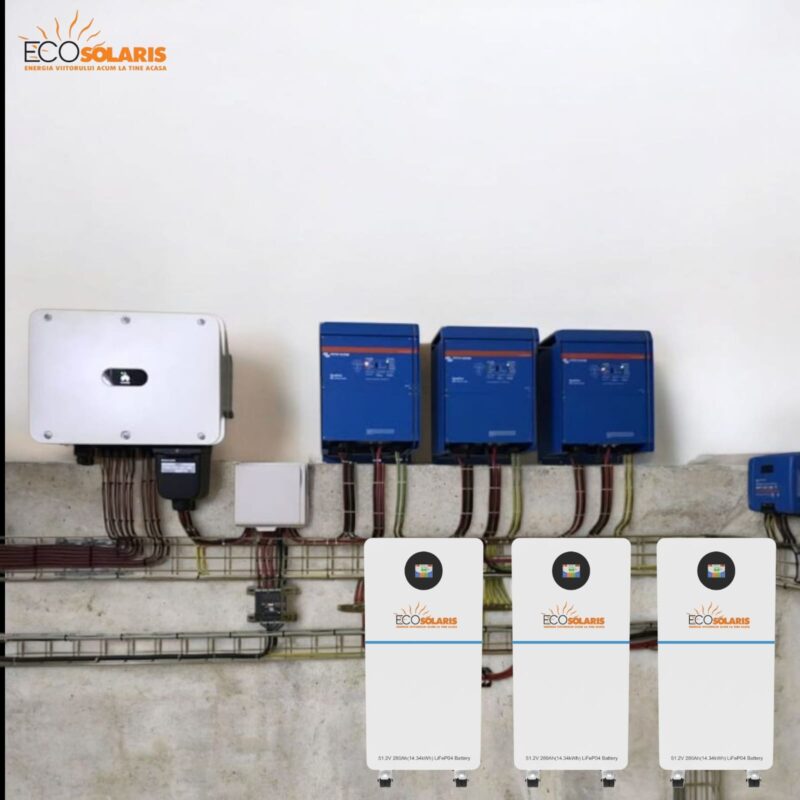
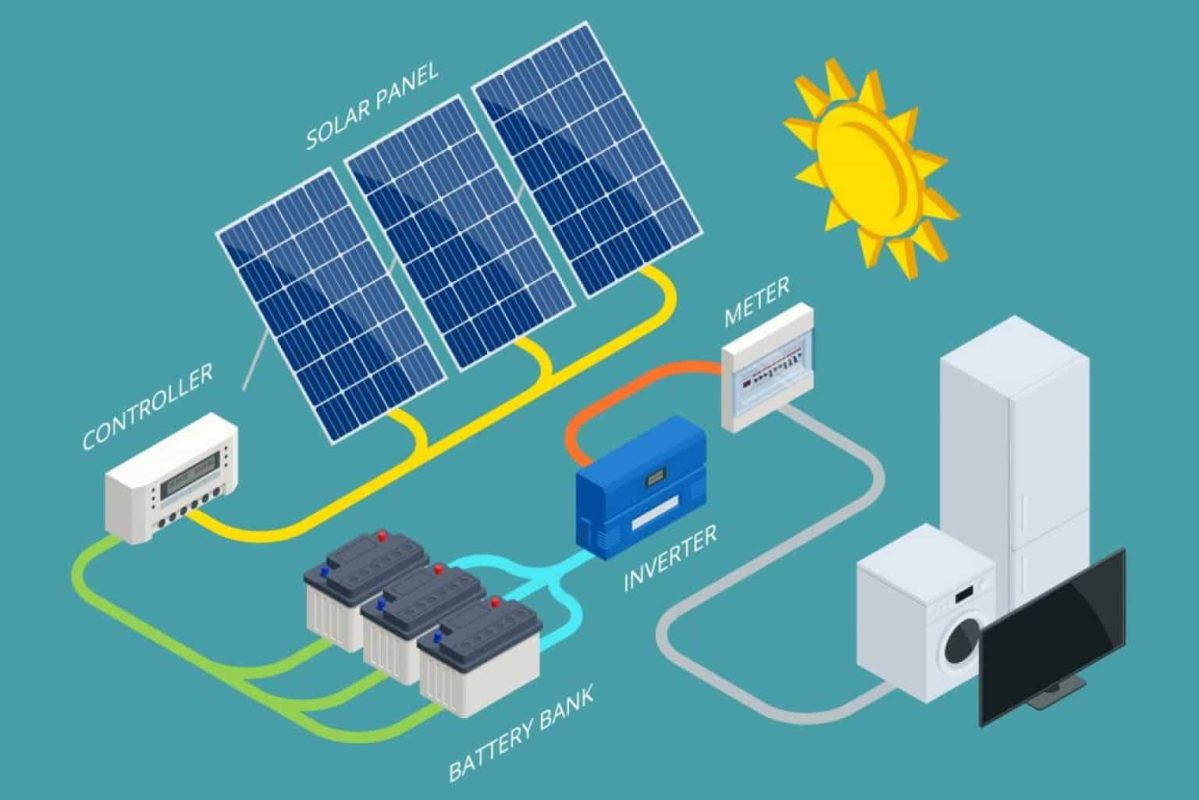
LiFePO4 batteries require a compatible charge controller to ensure controlled charging and discharging. Using a specific charge controller for LiFePO4 batteries helps prevent overcharging and protect them from damage. [#$$#]
Also, a Battery Management System (BMS) is crucial for monitoring and controlling the operation of the battery. It prevents overcharging, deep discharge and ensures optimal use of stored energy.
- Avoiding the complete discharge of the battery
To prevent premature wear of the battery, it is recommended to avoid completely discharging it. Ideally, the battery charge level should be maintained between 20% and 80% of their full capacity. Frequent full discharges can damage cells and reduce battery performance in the long run.
- Maintaining the optimal temperature
Accumulators LiFePO4 works most efficiently in a temperature range between 0°C și 45°C. Any significant deviation from this range can adversely affect battery performance and shorten battery life. Low temperatures can slow down the charging and discharging processes, while high temperatures can cause them to overheat and be damaged. To protect the batteries, it is recommended to install them in a controlled environment, away from direct exposure to extreme temperatures. In areas with very high or low temperatures, you can use air conditioning or ventilation systems to maintain an optimal environment for the batteries.
5. Battery conservation
Battery storage: If you do not use the battery for a long time, store it in a cool, dry place and at about 40-60% charge. Avoid storage at 100% or 0% charge. Keep it from downloading completely. During periods of non-use, the battery should not be completely discharged, as this may affect its performance.
- Battery performance monitoring
Periodic monitoring of battery performance is crucial to prevent any problems and ensure optimal operation. Most modern storage systems are equipped with intelligent monitoring systems that allow checking the battery status, charge level and other essential parameters. Using these tools can help identify potential problems early and intervene quickly to fix them.
- Periodic checking of batteries
Monitors performance: Periodically checks the capacity of batteries, such as the amount of energy stored and the amount of energy consumed. Regular maintenance: Make sure the batteries are clean and there are no signs of damage such as swelling or leakage. By following these tips, you will be able to maximize the life of your LiFePO4 batteries and enjoy their optimal performance for a longer period.
Therefore, LiFePO4 batteries are one of the best options for energy storage in photovoltaic systems, offering safety, efficiency and durability. However, to maximize their performance, it is essential to follow good usage practices, such as choosing an appropriate capacity, using a battery management system, maintaining an optimal temperature, and periodically monitoring performance. By implementing these measures, users will be able to benefit in the long term from consistent performance and reduced maintenance costs.