





Adding new batteries to an existing battery bank is an important topic for those who manage energy storage systems, be it for domestic or industrial applications. GEL batteries are increasingly appreciated for their durability and ability to work efficiently in variable temperature conditions. However, even when the existing battery bank still contains GEL batteries, careful analysis is required before adding new units.
GEL batteries, known for their gelled electrolyte, offer significant advantages such as low internal resistance and extended lifetime. However, adding new GEL batteries to an already formed bank requires consideration of several factors, including the current condition of the existing batteries and the capacity differences between the new and old batteries. This is a decision that can affect the performance and longevity of the entire system, and the compatibility between the units is essential to ensure the optimal functioning of the battery bank.
Is it correct or not to add GEL batteries to an existing GEL battery bank
Adding new GEL batteries to an existing bank that already contains GEL batteries can be a complicated decision, requiring careful analysis to determine whether or not this addition is correct. Listed below are the main reasons that may influence this decision.
- The differences in capacity and state of charge: One of the main reasons why adding new GEL batteries to an existing bank can be problematic is the difference in capacity and state of charge between the new and old batteries. GEL batteries in an existing bank may have reduced capacity due to wear and tear, which may result in uneven discharge when used with new batteries. This can negatively affect the overall performance of the battery bank and reduce the life of new batteries.
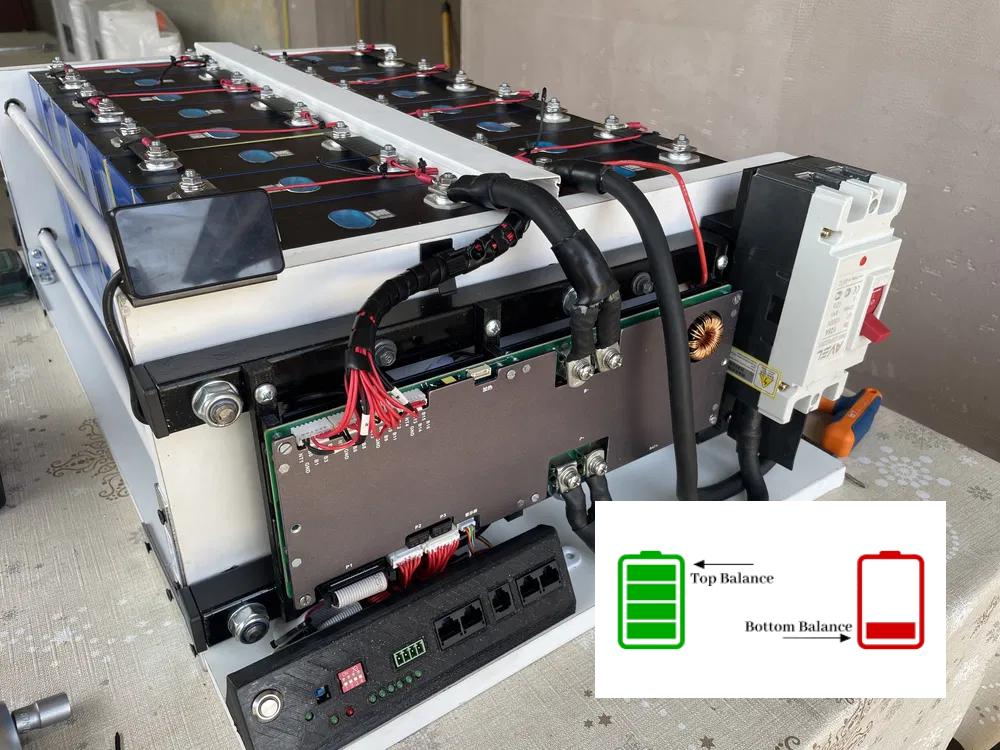
- Impact on load balance: GEL batteries in a bank perform best when all units are at a similar level of wear and capacity. Adding new batteries to an existing bank can cause an imbalance in the charging process, as the old and new batteries will have different charging characteristics. This imbalance can lead to overcharging the new batteries and undercharging the old ones, which will affect efficiency and lead to premature deterioration of the entire battery bank.
- The need for additional monitoring and maintenance: When adding new GEL batteries to an existing bank, closer monitoring of the system is required. This includes periodic checking of the voltage and current of each battery, to ensure that all units are working correctly and at optimal parameters. Also, the maintenance of the battery bank can become more complicated, because special attention must be paid to both new and old batteries.
- Additional long-term costs: Although adding new GEL batteries to an existing bank may seem like an economical solution in the short term, it may generate additional costs in the long term. The differences in performance and durability between new and old batteries can lead to the need for frequent replacements or even damage to the entire battery bank, which implies significant replacement and repair costs.
- Safety risks: [#$$#]Another reason why adding new GEL batteries to an existing bank may not be correct is the safety risk. The differences in charging and discharging between new and old batteries can lead to overheating, which in some cases can cause serious damage or even fires. Ensuring full compatibility between all batteries in a bank is essential to minimize the associated risks.
Although it is possible to add new GEL batteries to an existing bank, this is not always the most correct or efficient solution. It is important to carefully analyze the condition of existing batteries, consider the associated costs and risks, and carefully monitor the entire system to ensure safe and efficient operation.
Conclusion
In conclusion, adding new GEL batteries to an existing bank that already contains GEL batteries requires careful evaluation. Although this process may seem like a practical solution for expanding the capacity or extending the life of a system, the differences in capacity and state of charge between new and old batteries can cause significant problems. Load imbalances, the need for rigorous monitoring and safety risks are essential factors that must be taken into account.
Rather than adding new batteries to an existing bank, it may be more efficient to replace the entire bank when the current batteries reach their end of life. This ensures an optimal balance in the system and reduces the associated risks, thus maintaining the overall performance and reliability of GEL batteries.