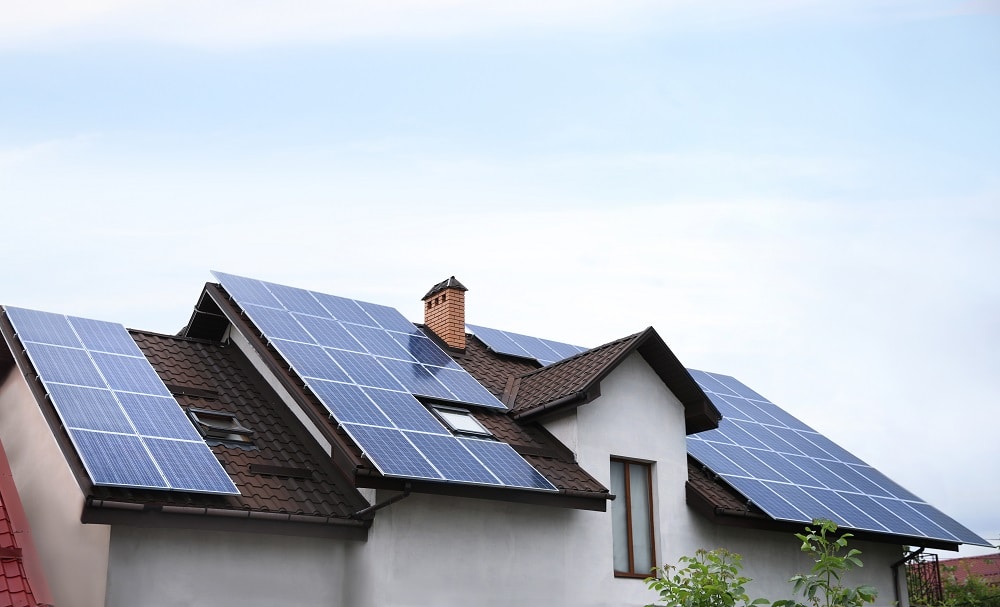




In the era of renewable energy, the use of batteries in photovoltaic systems has gained significant importance in various fields of activity. These advanced technologies are essential for the efficient storage of solar energy, allowing an optimal use of natural resources. Batteries, as an integral part of photovoltaic systems, contribute to maximizing their efficiency and flexibility, offering sustainable solutions for multiple applications.
As more and more industries turn to green energy solutions, understanding the role of batteries in photovoltaic systems becomes crucial. These devices not only ensure a continuous supply of energy, even in the absence of sunlight, but also facilitate the integration of solar energy in various processes and activities. In this context, exploring the applications and advantages offered by batteries in photovoltaic systems can open new perspectives and opportunities for optimizing the use of renewable energy.
Important battery types for photovoltaic systems
In the field of photovoltaic systems, batteries are essential for the storage and management of solar energy. Here is a simplified overview of four common types of batteries used in these systems: AGM, GEL, LiFePO4 and Li-Ion.
AGM (Absorbent Glass Mat) batteries
"AGM" refers to the technology used to absorb the electrolyte in a fiberglass separator. This type of battery is known for its reliability and the fact that it is sealed, which means that it does not require frequent maintenance and does not leak. AGM batteries are often used in residential and commercial applications due to their relatively low cost and acceptable durability.
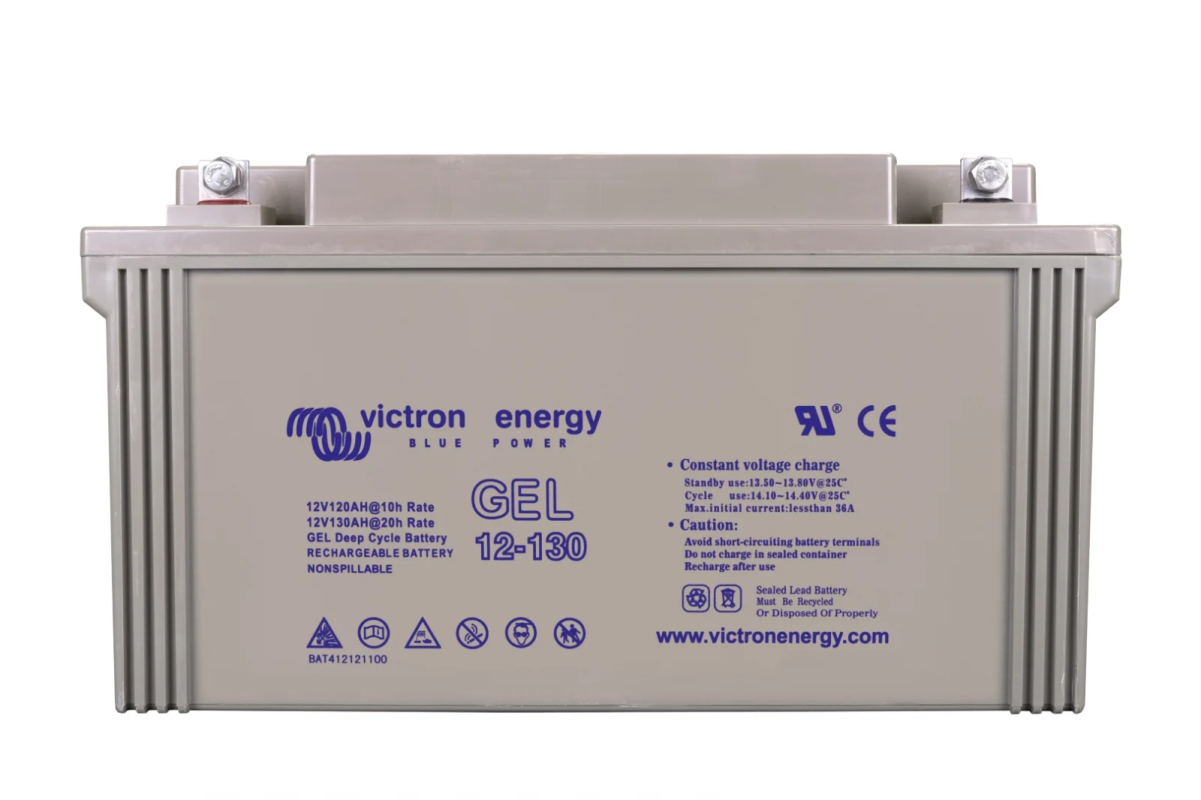
GEL batteries
"GEL" comes from the gelled electrolyte used in these batteries. This gel is more stable than the liquid in traditional batteries and offers better protection against vibrations and extreme temperatures. GEL batteries are frequently used in harsh environments, such as isolated areas or marine applications, due to their superior durability.
LiFePO4 (Lithium-Iron-Phosphate) batteries
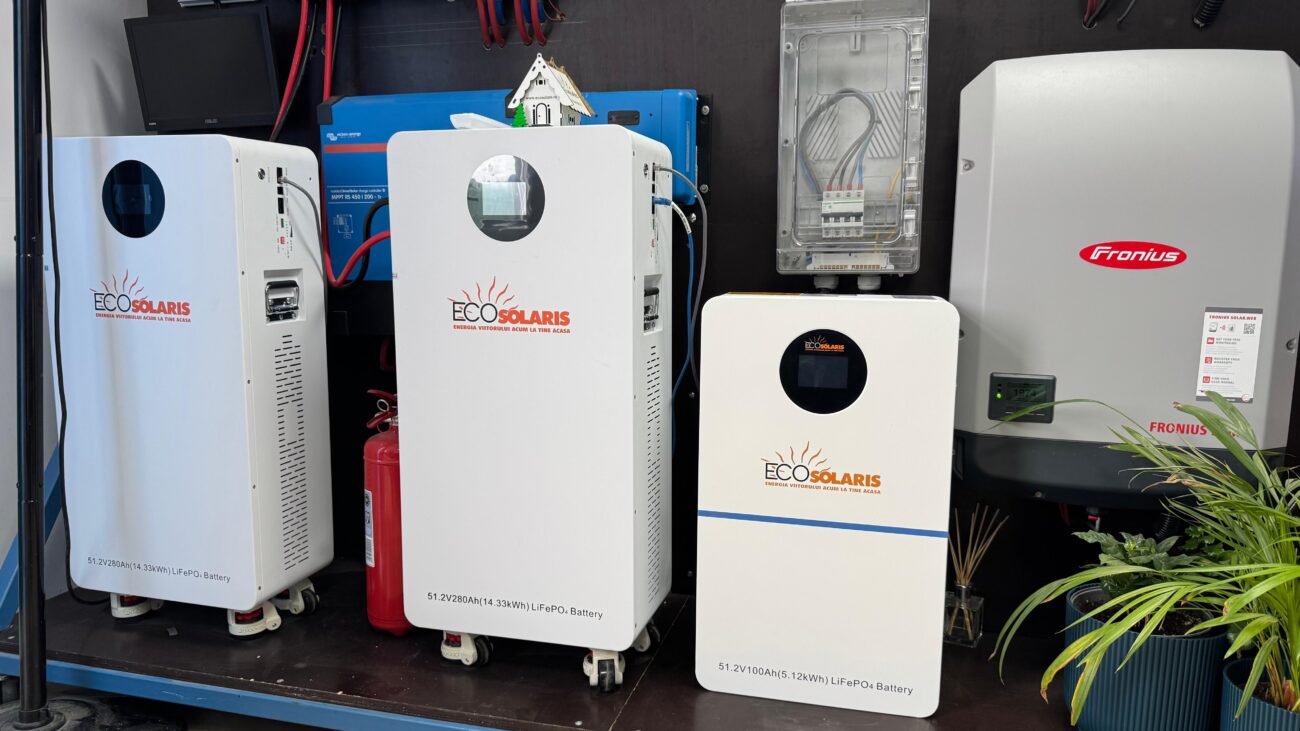
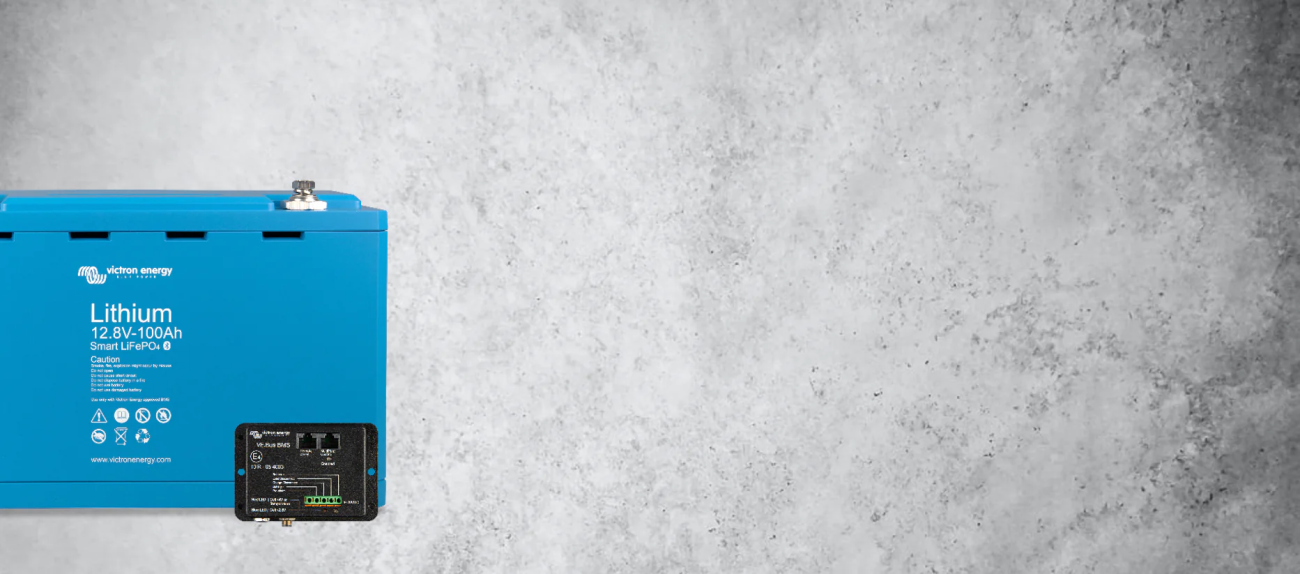
"LiFePO4" is an acronym for Lithium-Iron-Phosphate, which is the material used for the battery's cathode. This battery technology is appreciated for its safety and durability. LiFePO4 batteries are suitable for commercial and industrial applications that require long-term and efficient energy storage.
Li-Ion (Lithium-Ion) batteries
"Li-Ion" refers to the use of lithium ions in the energy storage process. Li-Ion batteries are known for their high energy density and high efficiency. They are frequently used in modern residential and commercial applications, where optimal performance and limited space are important aspects.
Each type of battery has distinct characteristics that make them suitable for different applications in photovoltaic systems. The choice of the appropriate type depends on the specific needs of each project and the performance requirements.
Batteries recommended for photovoltaic systems in different fields of activity
In the field of photovoltaic systems, the choice of suitable batteries varies according to the specific application and the performance requirements of each field of activity. Here is a detailed presentation of the most frequently used battery types - AGM, GEL, LiFePO4 and Li-Ion - and their ideal applications in various fields.
- AGM (Absorbent Glass Mat) batteries [#$$#]they are excellent for small-scale residential and commercial applications. Due to the relatively low cost and minimal maintenance, they are suitable for photovoltaic systems in family homes and small businesses. For example, AGM batteries are frequently used in solar energy installations for holiday homes, where the operating conditions are less demanding and the budget may be limited. These batteries have a nominal voltage of 12V and work efficiently in a temperature range from -20°C to +50°C. However, they are more sensitive to deep discharges and have an average lifespan of 3-5 years.
- GEL batteries they are ideal for applications that require constant performance in various conditions, including environments with extreme temperatures and areas with vibrations. These batteries are often used in photovoltaic installations for holiday homes, isolated areas or marine applications, where resistance to difficult conditions is crucial. GEL batteries have a nominal voltage of 12V and work well in a temperature range from -15°C to +45°C. They are more resistant to deep discharges and have a lifespan of 5-7 years. The higher initial cost is offset by improved performance and increased durability.
- LiFePO4 (Lithium-Iron-Phosphate) batteries they are suitable for commercial and industrial applications that require top performance and extended durability. These batteries are ideal for large-scale renewable energy projects, such as commercial solar farms or data centers that require efficient energy storage and consistent performance. LiFePO4 batteries have a nominal voltage of 12V and can operate in a temperature range from -10°C to +60°C. They have a lifespan of approximately 10-15 years and are able to withstand a large number of charging and discharging cycles. Although the initial cost is higher, their performance and efficiency advantages make them an excellent choice for large-scale applications.
- Li-Ion (Lithium-Ion) batteries they are the most modern and are frequently used in residential and commercial applications that require high performance energy storage solutions. These batteries are suitable for photovoltaic systems in modern homes, offices and shopping centers, where high efficiency and durability are sought. Li-Ion batteries have a variable nominal voltage of 12V, 24V or 48V and work efficiently in a range of temperatures from -20°C to +60°C. With a lifespan of 10-15 years and a large number of charge and discharge cycles, these batteries are ideal for applications that require optimal performance and high efficiency, although they have a higher initial cost.
Each type of battery (AGM, GEL, LiFePO4 and Li-Ion) has unique characteristics that make them suitable for different fields of activity within photovoltaic systems. The correct choice of battery depends on the specific requirements of the application, the operating conditions and the available budget. The careful analysis of these factors will ensure the selection of the most suitable solution for your energy needs.
Conclusion
In conclusion, the choice of battery type for a photovoltaic system plays a crucial role in ensuring the efficiency and durability of the energy storage solution. Whether you opt for AGM, GEL, LiFePO4 or Li-Ion batteries, each type has unique characteristics that make it suitable for different applications and operating conditions.
AGM and GEL batteries are ideal for residential and small-scale commercial use, offering reliable and cost-effective solutions for solar energy storage. On the other hand, LiFePO4 and Li-Ion batteries are preferred for large-scale applications and commercial projects, due to their superior performance and extended durability. [#$$#]
Understanding the characteristics and advantages of each type of battery will help you make an informed choice based on the specific needs of the photovoltaic system you want to implement. Regardless of the option chosen, investing in an appropriate energy storage system will contribute to maximizing the efficiency and long-term success of your solar project. Thus, you will be able to benefit from all the advantages of renewable energy and optimal management of energy resources.