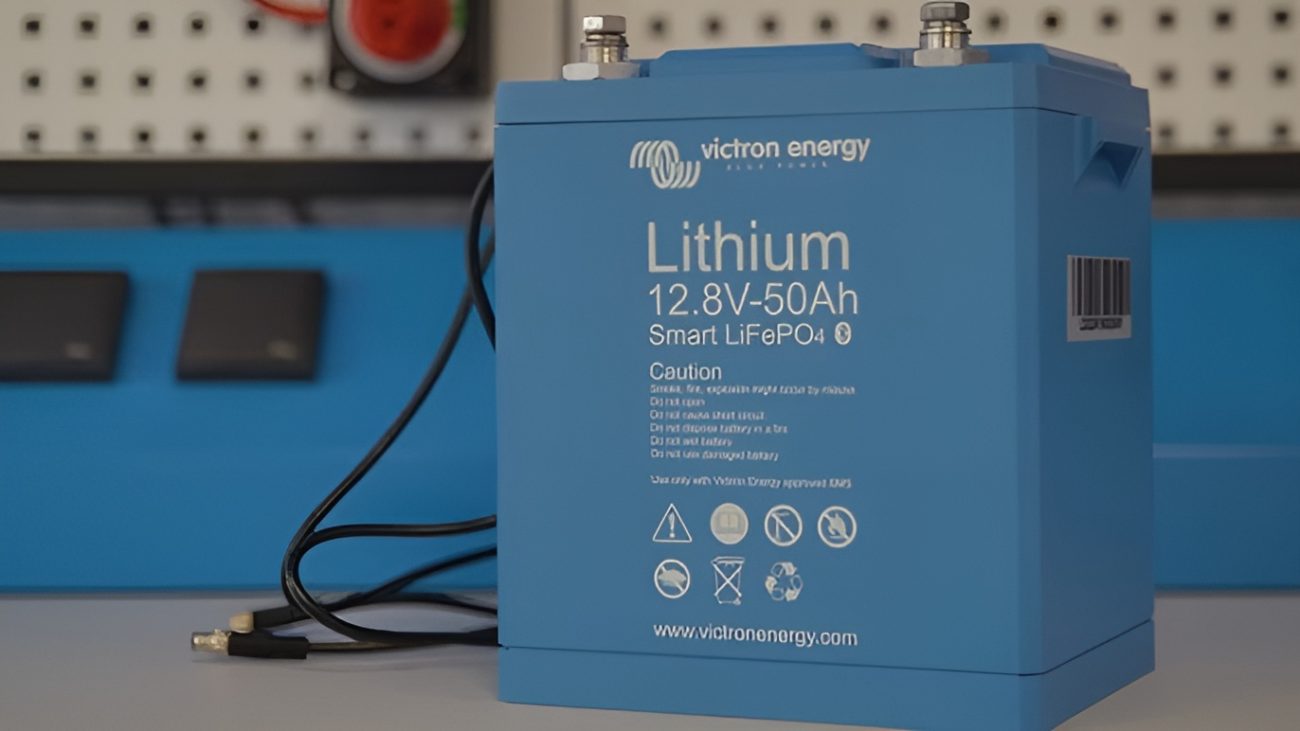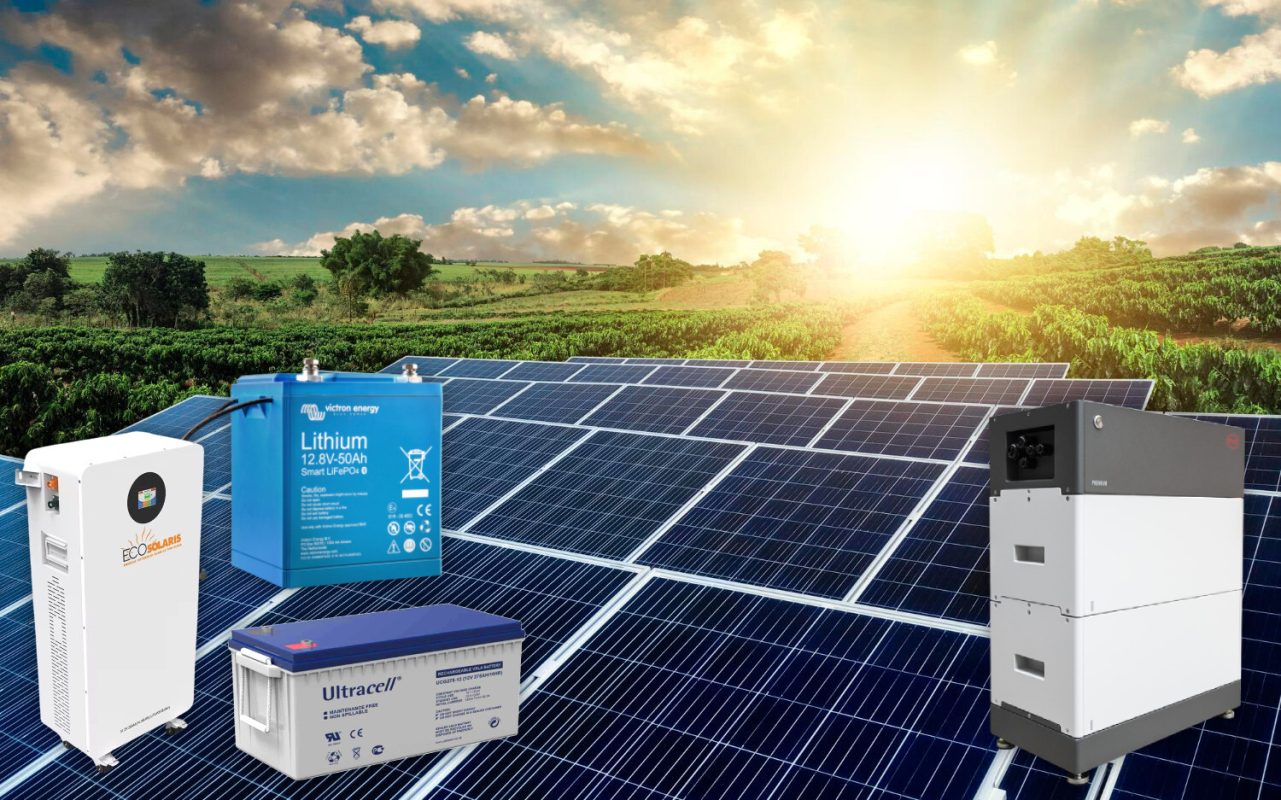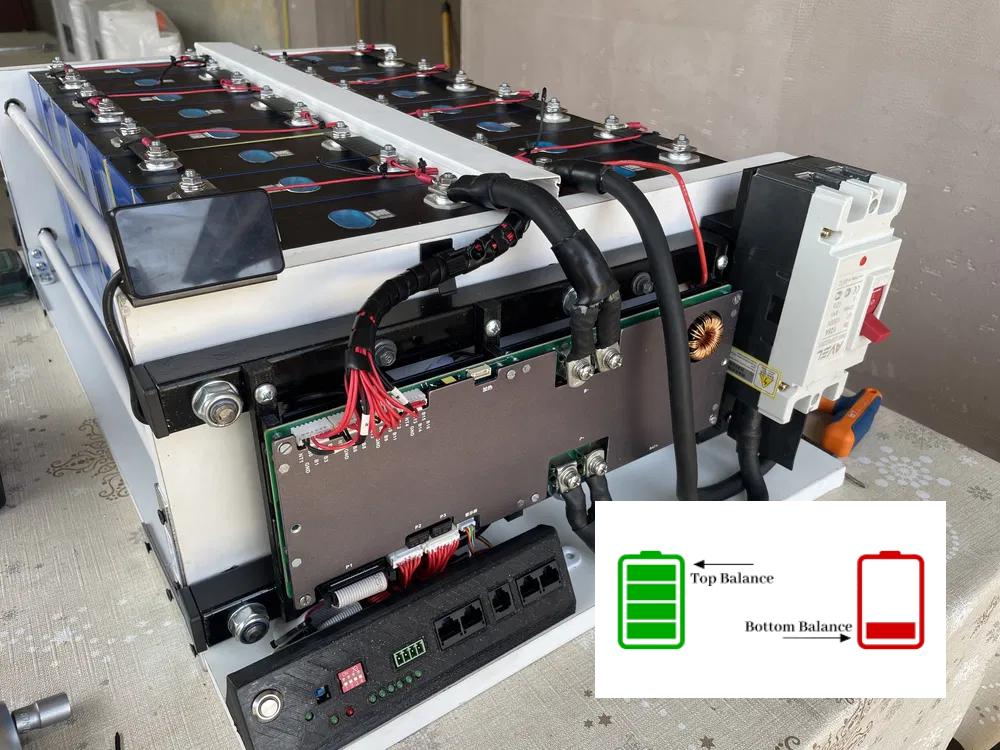





LiFePO4 (lithium-iron-phosphate) batteries are known for their durability and energy efficiency, being a popular choice in various applications, from electric vehicles to energy storage systems. While these batteries offer many advantages, an essential practice for maintaining their optimal performance is equalization. Equalization refers to the process of balancing the charge in all the battery cells to prevent voltage differences that can lead to reduced lifespan and below-expected performance.
A correct equalization of LiFePO4 batteries helps to maintain the chemical and electronic integrity of the cells. This involves applying a controlled charging process that brings all cells to the same voltage level. By maintaining the balance between the cells, the overvoltage or undervoltage of an individual cell is prevented, thus ensuring an efficient use of the stored energy and an extension of the battery life. Although equalization is a standard practice for many types of batteries, a specific and well-documented approach is required for LiFePO4 batteries, given their unique characteristics.
10 reasons why equalizing LiFePO4 batteries is important
The equalization of LiFePO4 (lithium-iron-phosphate) batteries is an essential process for maintaining their long-term performance and safety. Although this practice may seem like a technical routine, it has a significant impact on the lifespan and energy efficiency of the batteries. Here are 10 main reasons why equalization is so important:
Prevention of voltage imbalances between cells
Without proper equalization, the individual cells of a LiFePO4 battery can reach different voltage levels, leading to inefficient charging and discharging. This imbalance can damage the cells in the long term and reduce the overall capacity of the battery.
Extending battery life
By maintaining a correct balance between the cells, the risk of overcharging or deep discharging of a cell is minimized, two situations that can lead to irreversible damage to the LiFePO4 battery.
Improving overall performance
LiFePO4 batteries that are properly equalized can deliver power more consistently and efficiently. Equalization allows all cells to contribute equally to the total capacity of the battery, ensuring optimal performance.
Reducing the risk of overvoltage and undervoltage
The equalization process prevents overvoltage or undervoltage situations in an individual cell, which can lead to battery defects or even safety hazards, such as thermal leaks.
Ensuring full use of battery capacity
A LiFePO4 battery that is not properly equalized may end up not using its full available capacity, as weaker cells will limit the overall performance of the battery pack.
Reduction of maintenance costs
By preventing premature damage to the cells, equalization helps to reduce maintenance and battery replacement costs. A well-maintained LiFePO4 battery requires less frequent and less expensive interventions.
Improving general safety
A properly balanced LiFePO4 battery has a much lower risk of dangerous defects. Equalization helps prevent extreme operating conditions that can lead to fires or explosions.
Avoiding energy loss [#$$#]
Voltage imbalances can lead to energy losses through heat or inefficient charging/discharging processes. The correct equalization minimizes these losses and maximizes the energy efficiency of the battery.
Maximizing charge/discharge cycles
LiFePO4 batteries that are well equalized have the ability to withstand a greater number of charge and discharge cycles. This helps to extend the operational life of the battery.
Maintaining the internal stability of the battery
Equalization helps to maintain internal stability within the battery pack, preventing imbalance problems that could affect both short-term and long-term performance.
By maintaining correct equalization, LiFePO4 batteries can operate at their maximum capacity, offering users the benefits of a reliable, durable and safe energy solution. This simple but crucial process is essential to protect the investment in LiFePO4 batteries and to ensure optimal performance in any application.
Steps required for correct equalization of LiFePO4 batteries
Equalizing LiFePO4 (lithium-iron-phosphate) batteries is an essential process to maintain their performance and durability. The correct realization of the equalization requires a careful approach, following some specific steps that ensure the protection of the cells and the prevention of defects. Here are the detailed steps to perform a correct equalization of LiFePO4 batteries:
Checking the manufacturer's specifications
Before starting the equalization process, consult the manufacturer's specifications to determine the maximum charging voltage and other critical limits of LiFePO4 batteries. Each manufacturer may have different requirements and recommendations, so it is important to follow these instructions.
Battery voltage and temperature monitoring
It uses a monitoring system to check the voltage of each cell and the temperature of the battery before equalization. Make sure that all cells are within the safety limits established by the manufacturer, because overheated or low voltage cells may require special attention.
Using a battery charger specialized for LiFePO4
Choose a charger specially designed for LiFePO4 batteries, which has an equalization function. This type of charger will ensure a precise control of the applied voltage and current, preventing the risk of overcharging and damaging the cells.
Setting the charger to the equalization voltage
Configure the charger to the equalization voltage recommended by the manufacturer. Usually this is higher than the standard charging voltage, but below the maximum allowed level. Monitor the process to ensure that the charger maintains this constant voltage.
Charging at a low current rate
The equalization process must be performed at a low current rate (usually below 0.1C) to minimize the stress on the cells and to allow a uniform voltage balance between them. Fast charging can create voltage differences that complicate equalization.
Continuous monitoring of the voltage of each cell
During the equalization process, it continuously monitors the voltage of each cell. If you notice large voltage variations between the cells, stop the process and check the condition of the problematic cells. It is essential to avoid overloading any individual cell.
Maintaining the battery at the equalization voltage until stabilization
Continue to maintain the equalization voltage until all cells have reached the same voltage level and stabilized. This process can take several hours or even more, depending on the initial state of the battery and the voltage differences between the cells. [#$$#]
Checking the final state of the cells
After the equalization process is completed, check the voltage of each cell and the temperature of the battery again. Make sure that all the cells are balanced and that the battery is within the safety limits. If there are major differences, it may be necessary to repeat the equalization process.
Safe disconnection of the charger
After equalization is complete, disconnect the charger from the battery safely. Make sure there are no sparks or signs of overheating at the connection points.
Realization of a periodic monitoring
In order to maintain the optimal state of LiFePO4 batteries, periodically carry out equalization processes, according to the manufacturer's recommendations. It also continuously monitors the voltage of the cells and the general state of the battery in order to detect any imbalances in time.
Following these steps ensures a correct and efficient equalization of LiFePO4 batteries, preventing premature damage and maintaining optimal long-term performance. The equalization process is essential to protect the investment in LiFePO4 batteries and to maximize their benefits in any application.
Conclusion
The correct equalization of LiFePO4 batteries is essential to maintain their performance, safety and lifetime. By carefully monitoring voltage and temperature, using specialized equipment and following proper charging steps, premature damage can be prevented and the full use of battery capacity can be ensured. Equalization contributes to the prevention of internal imbalances that can affect the energy performance and stability of the batteries, thus maximizing the number of charge/discharge cycles and reducing maintenance costs.
The implementation of a periodic and controlled equalization program helps to extend the life of LiFePO4 batteries, protecting the investment in this technology. Thus, equalization becomes a vital step in the effective management of lithium-iron-phosphate batteries, offering users a sustainable and safe energy solution.