


A photovoltaic system looks complex, but it works on simple principles. Here is the complete energy flow diagram and the role of each component.
Energy flow — 6 stages
1. Photovoltaic panels they convert sunlight into direct current (DC) at 30-40V per panel.
2. Series/parallel connection: the panels are grouped in a "string" that raises the voltage to 400-600V DC (more efficient for transport).
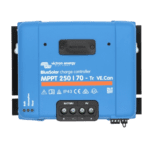
3. The MPPT controller (in the hybrid inverter) extracts maximum power from the panels by continuously adjusting the operating point.
4. The DC/AC inverter converts direct current to alternating current 230V 50Hz for consumers.
5. Distribution board: AC energy passes through meters, protections and reaches the circuits of the house.
6. Surplus → batteries or mains: the unconsumed energy goes either to the batteries (if hybrid system) or to the public network (as a prosumer).
Detailed key components
Photovoltaic panels
The heart of the system. TOPCon, HJT or PERC technologies. They convert photons into electrons through the photoelectric effect. 22-26% efficiency for modern panels.
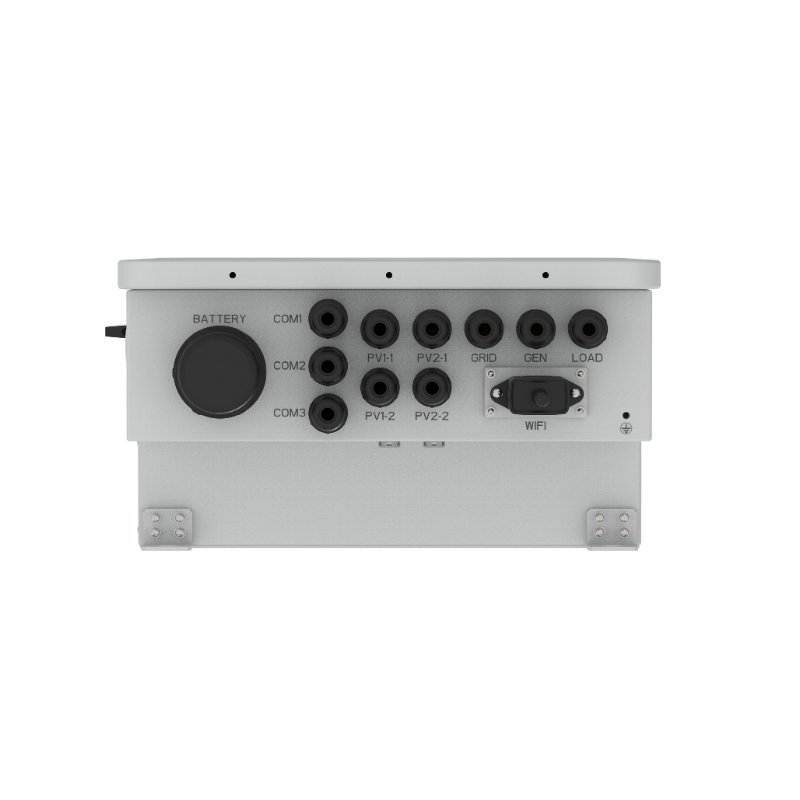
Hybrid inverter
The brain of the system. Manage:
- Panel Manufacturing (MPPT)
- Charging the batteries
- Supply of energy to consumers
- Synchronization with the public network
- Automatic Uninterruptible Power Supply (UPS)
LiFePO4 batteries
It stores the daytime surplus for nighttime consumption. Typical capacity 5-15 kWh per pack.
Smart Meter
It measures bidirectional flow with the network. Required for prosumer status.
DC and AC cables
Photovoltaic Specs — UV resistant, double insulated, calculated loss section <2%.
Visual flow chart
PANELS → MPPT → HYBRID INVERTER → HOUSE BOARD → CONSUMERS
                       ↓ ↑ ↓ ↑
                    BATTERY METER → NETWORK
What happens in different situations
Sunny day, low consumption: panels produce → direct consumption + battery charging + network surplus
Sunny day, high consumption: panels produce → also for consumption, plus battery/mains replenishment
Evening: the battery discharges → the house works autonomously
Night with a dead battery: the network takes over the consumption
Power failure: hybrid inverter isolates the house from the grid, supplies from the battery
Total system efficiency
From the panels to the wall outlet:
- Panels: 22% light capture efficiency → 78% heat loss (unavoidable)
- DC cables: 99% transmission
- MPPT: 99% extraction
- Inverter: 97% conversion
- Total system efficiency: ~21% of incident light reaches the consumer
La EcoSolaris we design turnkey systems with all optimized components. See the catalog.















Very clearly explained. You solved many of my doubts related to photovoltaic systems
thanks, but those prices are definitely out of date now aren't they? with inflation..
Thank you for your appreciations! For a personalized offer, you can contact us at oferta@ecosolaris.ro or at 0721-XXX-XXX.
I made the green house last year, very useful for those who want to know
Good evening, I have a question related to inverters. Three-phase or single-phase in an average house?
For the residents of the block, there are solutions with mini panels on the balcony (plug-and-play) with a power of 800W-2kW. It does not require special authorizations.