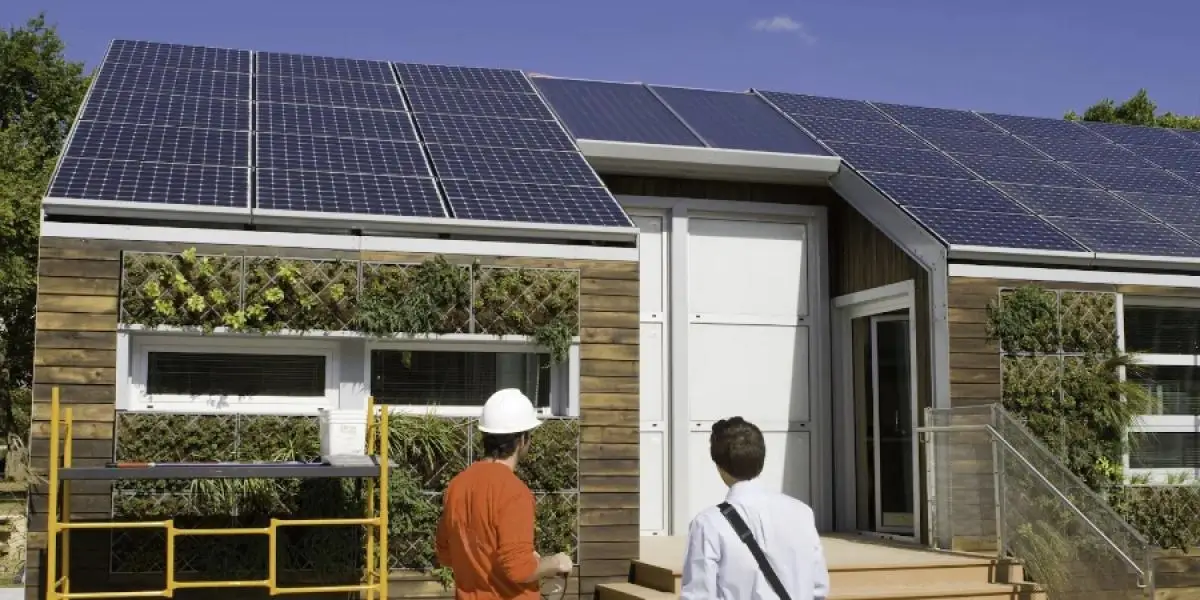




In the current context of the energy transition, photovoltaic systems represent an increasingly popular solution for the generation of green energy, but in regions with little sunlight, the efficiency of these systems can be affected. Maximizing the efficiency of a photovoltaic system in such conditions becomes essential to ensure a stable and profitable production of electricity.
Factors such as panel orientation, tilt angle and the use of modern technologies such as advanced charge controllers play a crucial role in optimizing performance. It is also important to take into account the quality of components and solutions for energy storage, which can contribute to obtaining greater efficiency even in low light conditions. This article explores how we can improve the efficiency of a photovoltaic system by adapting it to areas with reduced exposure to the sun.
Aspects that must be taken into account when we want to install a photovoltaic system in an area with little sunlight
When we want to install a photovoltaic system in an area with little sunlight, it is important to consider a number of factors to maximize efficiency and ensure constant energy production. Here are the main aspects that we must take into account:
1. Orientation and inclination of photovoltaic panels
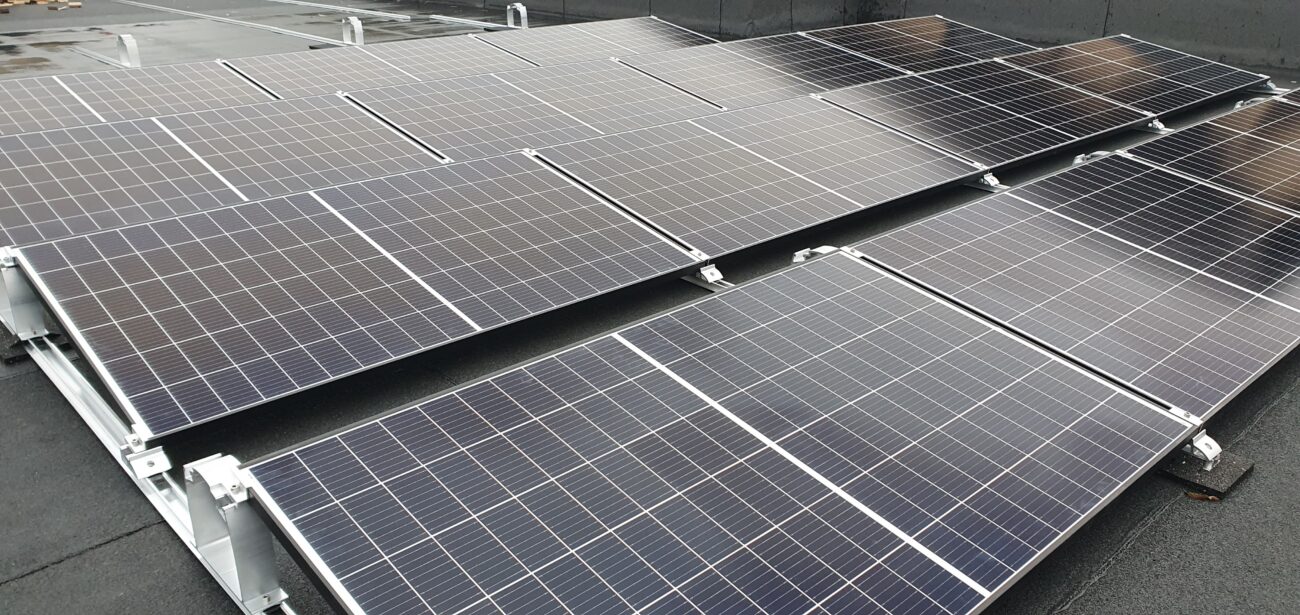
In regions with less sunlight, the orientation and angle of inclination of the photovoltaic panels are essential. The panels must be oriented to the south (in the northern hemisphere) to capture as much light as possible, and the angle of inclination must be adjusted according to the latitude of the location, in order to maximize the capture of solar radiation throughout the year.
2. High efficiency photovoltaic panels
In areas with low exposure to the sun, it is essential to opt for photovoltaic panels with high efficiency. Monocrystalline panels, for example, are known for their superior performance in low light conditions, capturing a greater amount of energy from diffused light.
3. Sun tracking systems
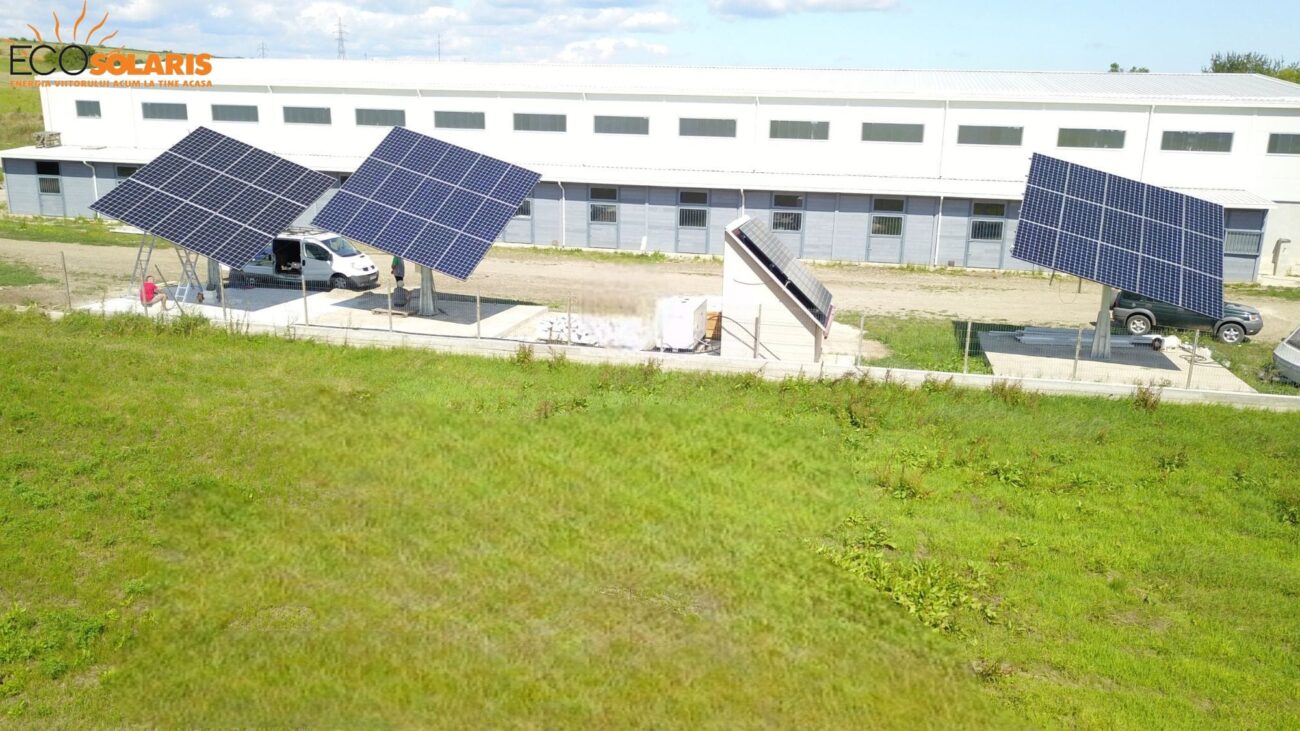
A sun tracking system can help optimize energy production, automatically adjusting the position of the panels based on the movement of the sun in the sky. Although these systems involve a higher initial cost, they can compensate for the lack of sunlight by capturing the rays more efficiently.
4. Advanced charge controllers
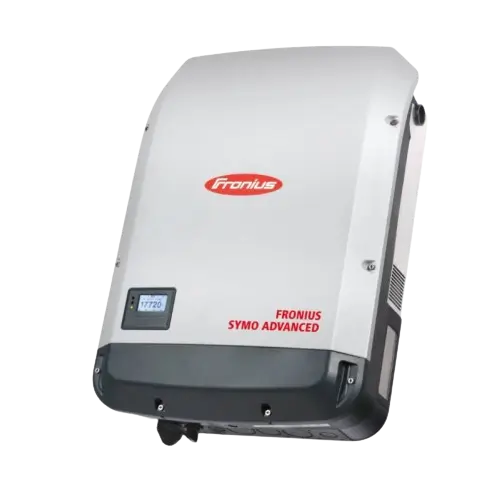
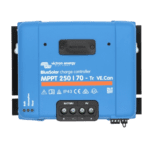
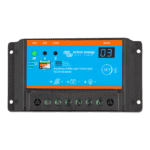
An MPPT (Maximum Power Point Tracking) charge controller can significantly improve the efficiency of the photovoltaic system. These devices optimize the flow of energy from the panels to the batteries, ensuring that the system works at maximum capacity even in variable light conditions.
5. Batteries for energy storage
In regions with fewer hours of sunshine, energy storage systems become essential. Efficient batteries, such as LiFePO4 (lithium-iron-phosphate), allow the energy generated during the day to be stored for use at night or on cloudy days.
6. Periodic monitoring and maintenance
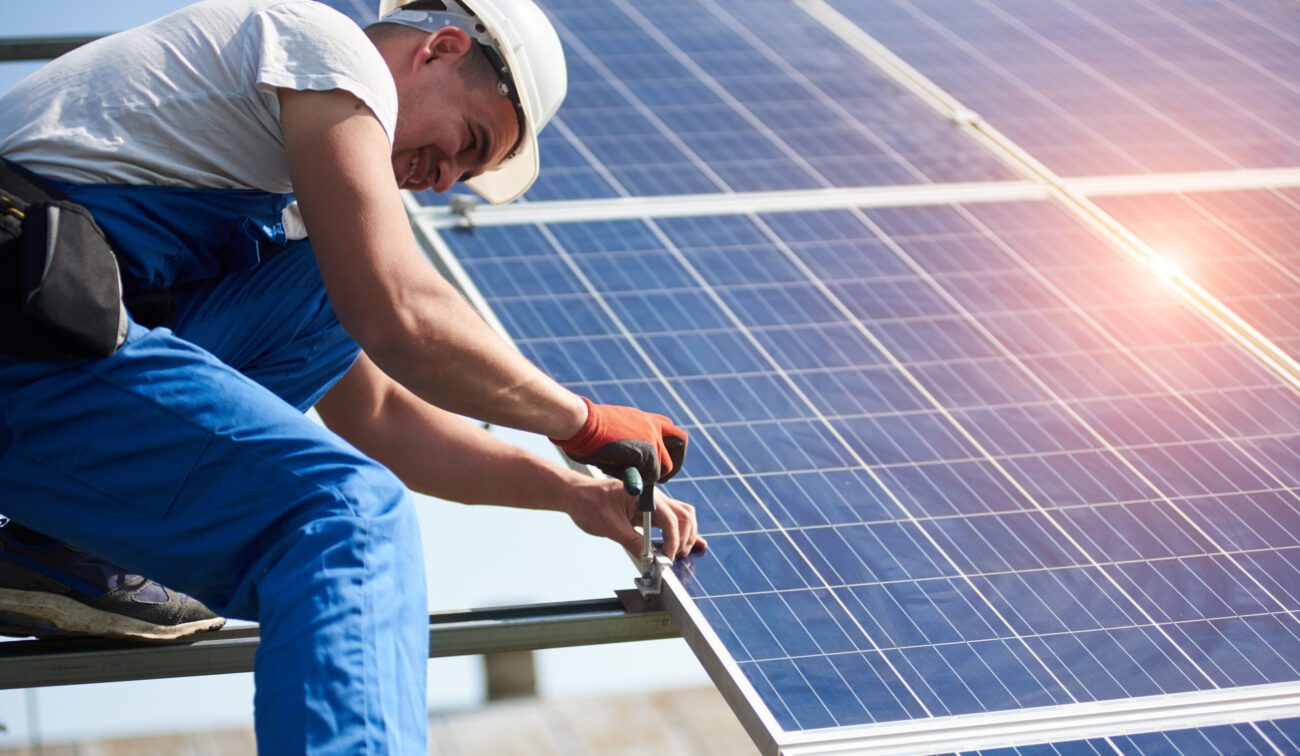
In order to maintain the optimal performance of a photovoltaic system, a constant monitoring of the components is necessary, as well as periodic maintenance. The panels must be cleaned regularly to remove dirt and snow, which can reduce the ability to capture light.
7. Hybrid solutions
In areas where sunlight is insufficient to fully power a photovoltaic system, hybrid solutions can be an option. Combining the photovoltaic system with wind generators or other renewable energy sources can help compensate for the lack of sun.
[#$$#]
8. Efficient use of energy
Maximizing the efficiency of a photovoltaic system depends not only on the generation of energy, but also on the way in which it is used. The implementation of solutions to reduce consumption, such as LED lighting or energy-efficient household appliances, can contribute to more efficient use of available energy.
In conclusion, installing a photovoltaic system in an area with little sunlight requires careful planning and the use of the best available technologies to ensure high efficiency and stable long-term energy production.
The necessary steps to increase the efficiency of a photovoltaic system in conditions of low light from the sun
To make a photovoltaic system efficient in low light conditions, it is essential to follow a series of steps that involve optimizing every aspect of the system's design and operation. Here are the main steps to follow:
1. Evaluation of the location and the solar potential
The first step consists in the detailed evaluation of the location where the photovoltaic system is to be installed. It is important to analyze the climate data, to understand how many hours of direct sun and diffused light are available annually. This will help to correctly dimension the system and to choose the right technologies.
2. Selecting the right photovoltaic panels
For low light conditions, it is essential to choose efficient photovoltaic panels that work well even on cloudy days. Monocrystalline panels are usually the best option, because they have a high efficiency even when the sunlight is not strong.
3. Optimal orientation and inclination of the panels
A correct orientation of the photovoltaic panels is crucial. In the northern hemisphere, the panels must be oriented to the south, and the angle of inclination must be adjusted according to the latitude and the season, in order to maximize the capture of sunlight. In general, the panels must have a greater inclination in regions with little light to more effectively capture the winter sun's rays.
4. Installing an MPPT charge controller
An MPPT (Maximum Power Point Tracking) charge controller is essential to optimize the efficiency of the photovoltaic system. This type of controller adjusts the voltage and current from the panels to extract the greatest amount of energy possible, even in low light conditions.
5. Use of efficient storage batteries
Energy storage becomes essential when sunlight is reduced. LiFePO4 batteries are recommended due to their long life and ability to store energy efficiently. They allow the use of energy during the night or on days with insufficient sun.
6. Monitoring and regular maintenance
To maintain an efficient photovoltaic system, constant monitoring is essential. Modern systems allow remote monitoring of performance, and adjustments can be made to improve efficiency. Also, periodic cleaning of the panels to remove dirt or snow is necessary, because they can significantly affect the ability to capture sunlight.
7. Installation of a sun tracking system
If the budget allows, a sun tracking system can increase the efficiency of the photovoltaic panels, automatically adjusting their position to follow the sun's path throughout the day. This system maximizes the amount of captured light, even in diffuse or variable light conditions.
8. Optimization of energy consumption
[#$$#]
In addition to energy generation, it is important to optimize consumption. The implementation of efficient solutions, such as LED lighting and low-energy appliances, can help balance low-energy production in low-light conditions.
9. Integration of complementary energy sources
In some cases, it may be useful to integrate alternative energy sources, such as wind turbines, to supplement the energy generated by the photovoltaic system during periods of insufficient light. This ensures a constant supply of the system, even in unfavorable weather conditions.
By following these steps, a photovoltaic system can be optimized to work efficiently even in areas with little sunlight, ensuring stable and reliable energy production.
Conclusion
In conclusion, installing a photovoltaic system in areas with reduced exposure to the sun is not impossible, but it requires careful planning and the use of high-performance technologies. Whether we are talking about choosing the right photovoltaic panels, installing an advanced charge controller or using efficient storage solutions, each step contributes to increasing efficiency and optimizing system performance in low light conditions.
Although the challenges are real, the solutions available today offer a wide range of options to transform the limited sunlight into useful energy. With a well-structured plan and the right equipment, even in regions with less sun, a photovoltaic system can become a stable and sustainable energy source.
Finally, the choice of a photovoltaic system must be made according to specific energy needs and local conditions, and an optimized approach will guarantee positive results in the long term.