


Choosing a photovoltaic system for your home is an important step towards a more sustainable and economical future. More and more people are choosing to install such systems due to the long-term benefits, such as reducing electricity costs and reducing the carbon footprint. In the current context of rising energy prices, investing in a photovoltaic system becomes a viable solution for the energy efficiency of the home.
When considering a photovoltaic system, it is essential to understand what your energy needs are and what options are available on the market. Factors such as the geographical location, the surface of the roof, its orientation and the budget are essential elements in the selection process. Whether you want total energy independence or just to reduce your bills, correct information is the key to a suitable choice. Before making a decision, consulting a specialist can help you identify the personalized solutions that best suit your home.
This article will guide you through the important aspects to consider, to give you a solid knowledge base.
Guide to choosing a photovoltaic system for your home
To choose a suitable photovoltaic system for your home, it is important to follow some essential steps. They will guide you in the selection process, ensuring that you make a smart and energy-efficient investment.
1. Evaluate your energy consumption
The first step is to understand how much energy you consume monthly and annually. This will help you to correctly size the photovoltaic system. It checks the energy bills of the last year and determines the average daily consumption.
2. Identify the available space
The surface and orientation of the roof or other areas where the photovoltaic panels can be mounted are critical factors. A roof facing south or with an optimal inclination will maximize the capture of solar energy. Also, make sure there is enough space to mount an adequate number of panels.
3. Establish the budget
The cost of a photovoltaic system can vary depending on the size, the type of equipment and the complexity of the installation. It is important to establish a realistic budget, taking into account any subsidies or financing programs available, such as government support programs.
4. Choose the type of photovoltaic panels
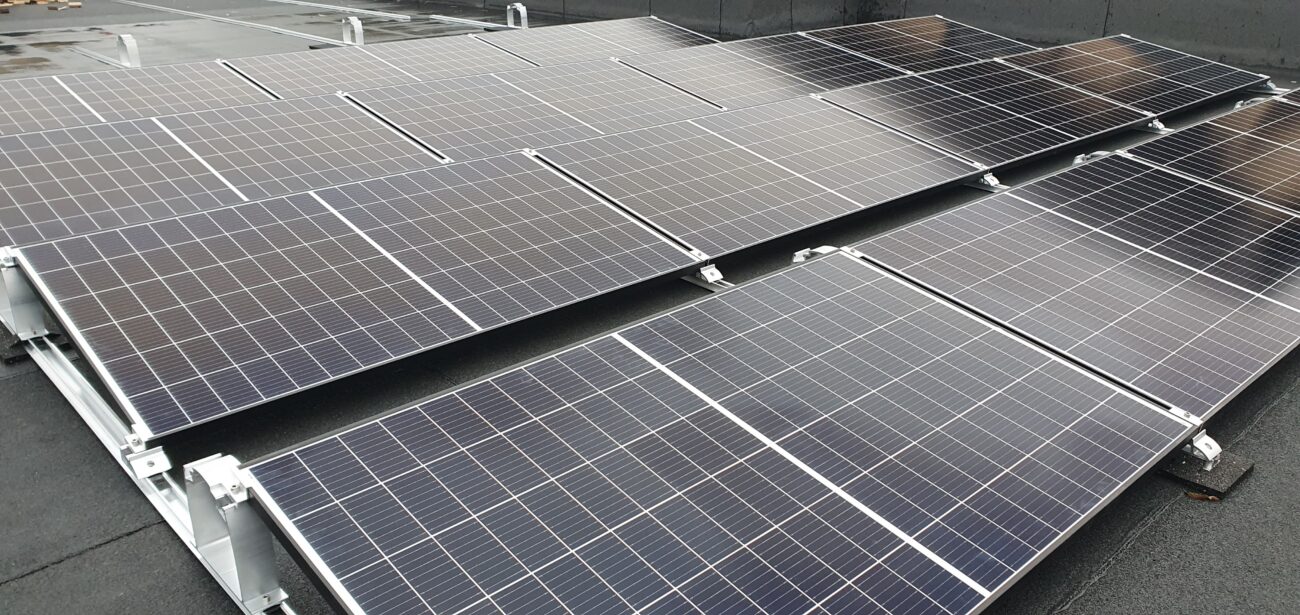
There are different types of photovoltaic panels, such as monocrystalline, polycrystalline and thin film panels. Each type has advantages and disadvantages depending on efficiency, cost and durability. Consult a specialist to understand which type of panel is most suitable for your location and budget.
5. Select a suitable inverter
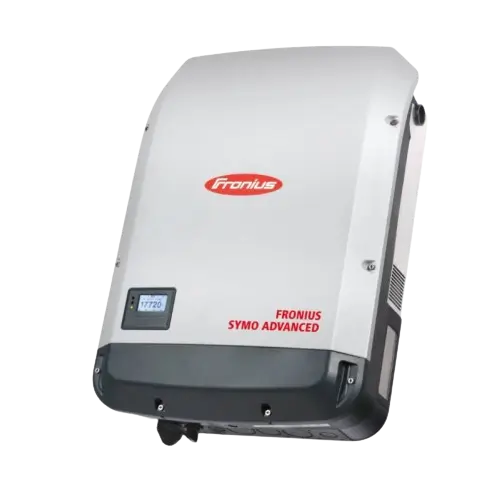
The inverter transforms the energy captured by the solar panels from direct current into alternating current, usable in the house. There are string inverters, optimized or microinverters. Its choice depends on the size of the system and the configuration of your roof.
6. Check the possibility of energy storage
Another aspect to consider is the option to add a storage battery. This allows you to use the energy generated during the day and during the night or during periods when there is not enough sun. A battery may increase the initial cost, but it offers more energy independence.
7. Research offers and installation companies [#$$#]
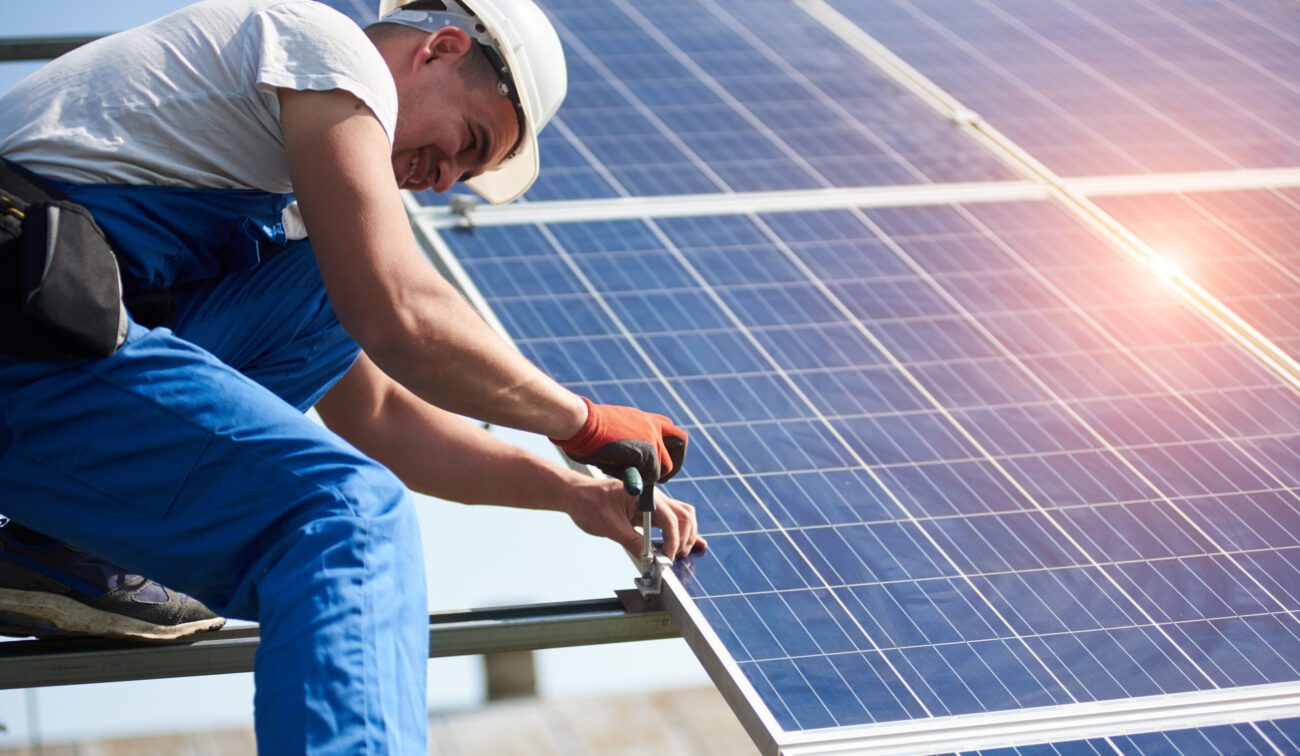
There are many companies that offer design and installation services for photovoltaic systems. It is recommended to request several offers to compare the prices, the quality of the equipment and the guarantees offered. Check the reviews and experience of the companies to make the best choice.
8. Check the legislation and the possibility to connect to the network
Depending on the country and location, there are regulations that allow a photovoltaic system to be connected to the grid. Thus, the surplus energy can be sold back to the energy distributor. It is essential to understand these regulations and to make sure that your system is compatible.
9. Consult a specialist
In the end, it is always a good idea to contact a solar energy specialist. It can help you evaluate all available options and choose a customized **photovoltaic system**, adapted to your energy and budget needs.
Follow these steps and you will be ready to choose an efficient photovoltaic system, which will bring long-term savings and contribute to protecting the environment.
Conclusion
In conclusion, choosing a suitable photovoltaic system for your home is not a complicated process if you follow the essential steps and get the right information. Evaluating your energy needs, identifying the appropriate space, establishing a realistic budget and consulting a specialist will help you make a smart long-term investment. Whether you want to reduce energy costs or become energy independent, the photovoltaic system can be the ideal solution for you.
In addition to the obvious economic advantages, the installation of a photovoltaic system also contributes to protecting the environment, reducing carbon dioxide emissions and the use of non-renewable resources. Moreover, with the development of technologies and access to government subsidies, the initial cost of such a system becomes more and more affordable, making solar energy a viable option for any home owner.
Therefore, before making a final decision, it is essential to inform yourself, compare the offers and make sure that the chosen system meets all your requirements. Investing in a well-chosen **photovoltaic system** will bring you not only significant savings, but also an important step towards a greener and more sustainable future.