



Photovoltaic system Micro-Grid - storage 45 kWh
Energy independence and maximum optimization
Against the background of increasing demand for energy independence, more and more users of photovoltaic systems are opting for the expansion and modernization of existing installations. Migrating from a simple self-consumption system to a complete micro-grid, with energy storage and intelligent automation, is a natural step for those looking to optimize consumption, reduce dependence on the public grid and increase the reliability of their own energy system.
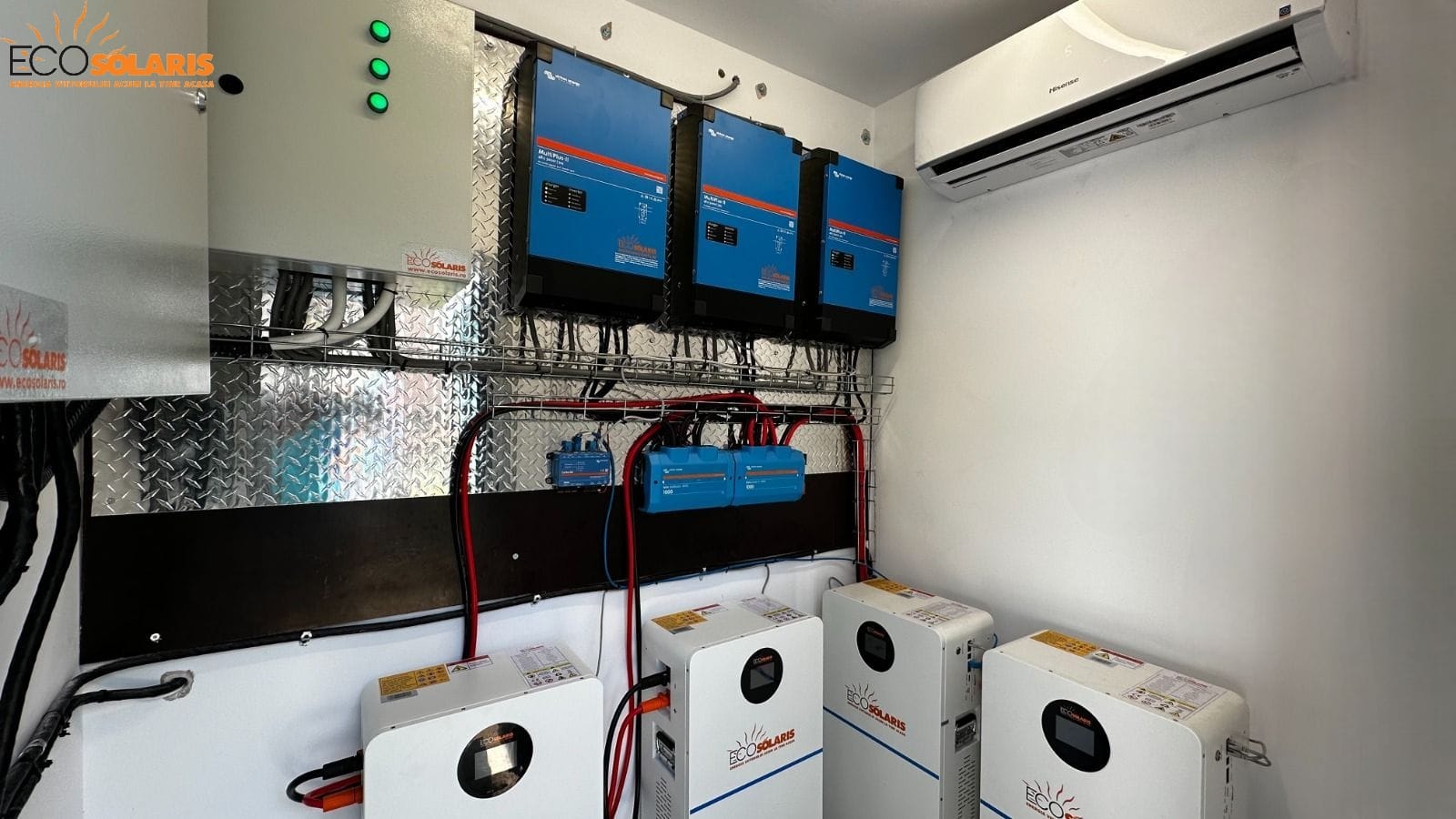
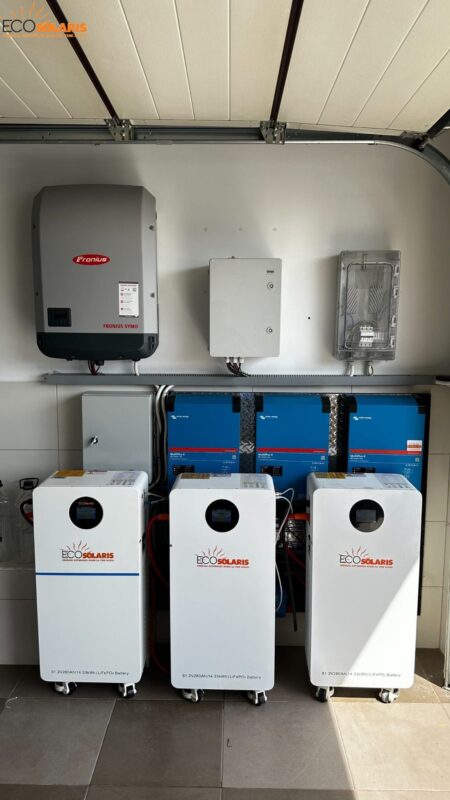
In this article we present a concrete example of professional upgrade realized on an existing system, by integrating some top components: Victron Energy MultiPlus-II inverters și LiFePO4 Ecosolaris batteries, alongside a fully automated electrical panel. The project was designed to turn a basic photovoltaic solution into a system reliable, scalable and efficient micro-grid.
The objective of the upgrade
The customer already had a functional photovoltaic system, but without energy storage and without automation. The main objective was to move to a type energy architecture micro-grid, able to intelligently manage existing sources, ensure autonomous operation in the event of a grid outage and allow optimized consumption of the renewable energy produced.
The upgrade focused on three main directions:
Integrating a reliable system of energy storage.
Replacing and synchronizing conversion and control functions with Victron MultiPlus-II hybrid inverters.
Implementation of a fully equipped electrical panel, with protections and automations, for safe and efficient operation.
System components
The configuration of the new micro-grid system was carried out with the following equipment:
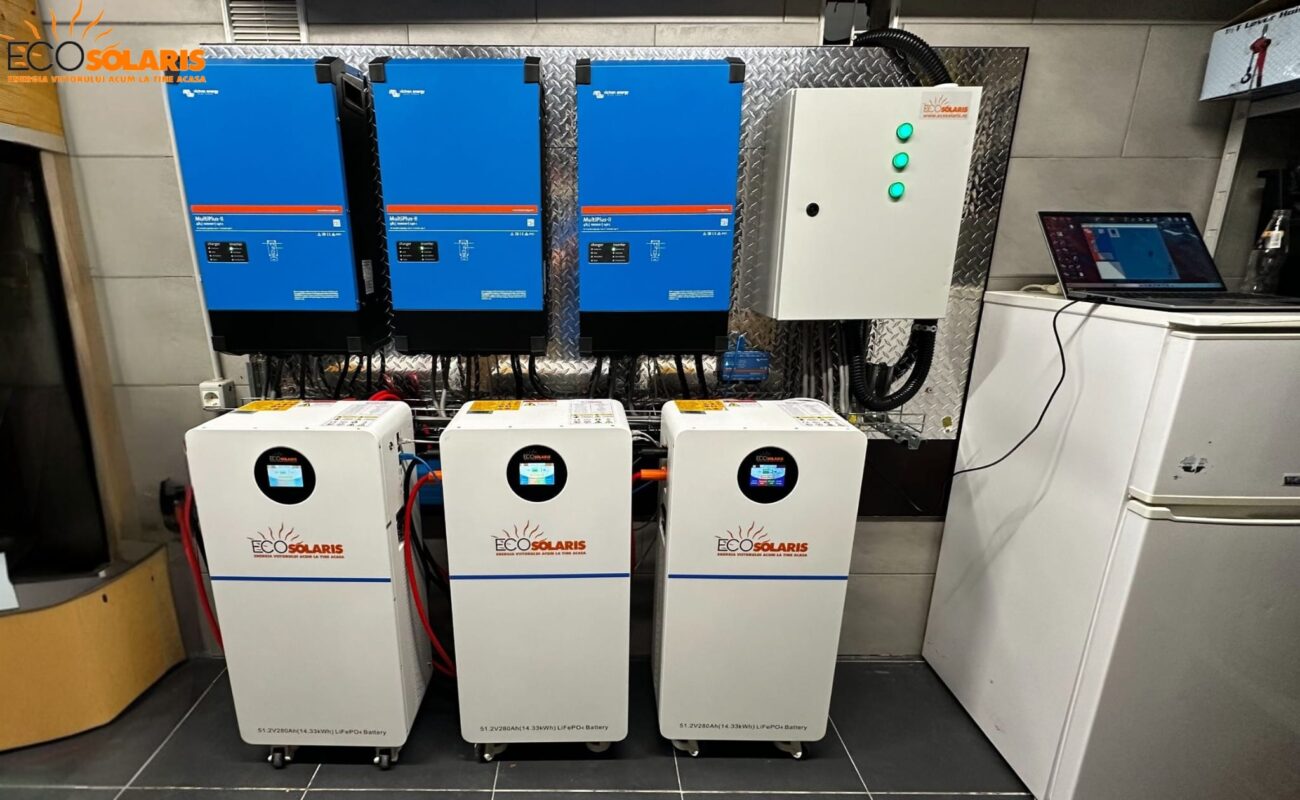
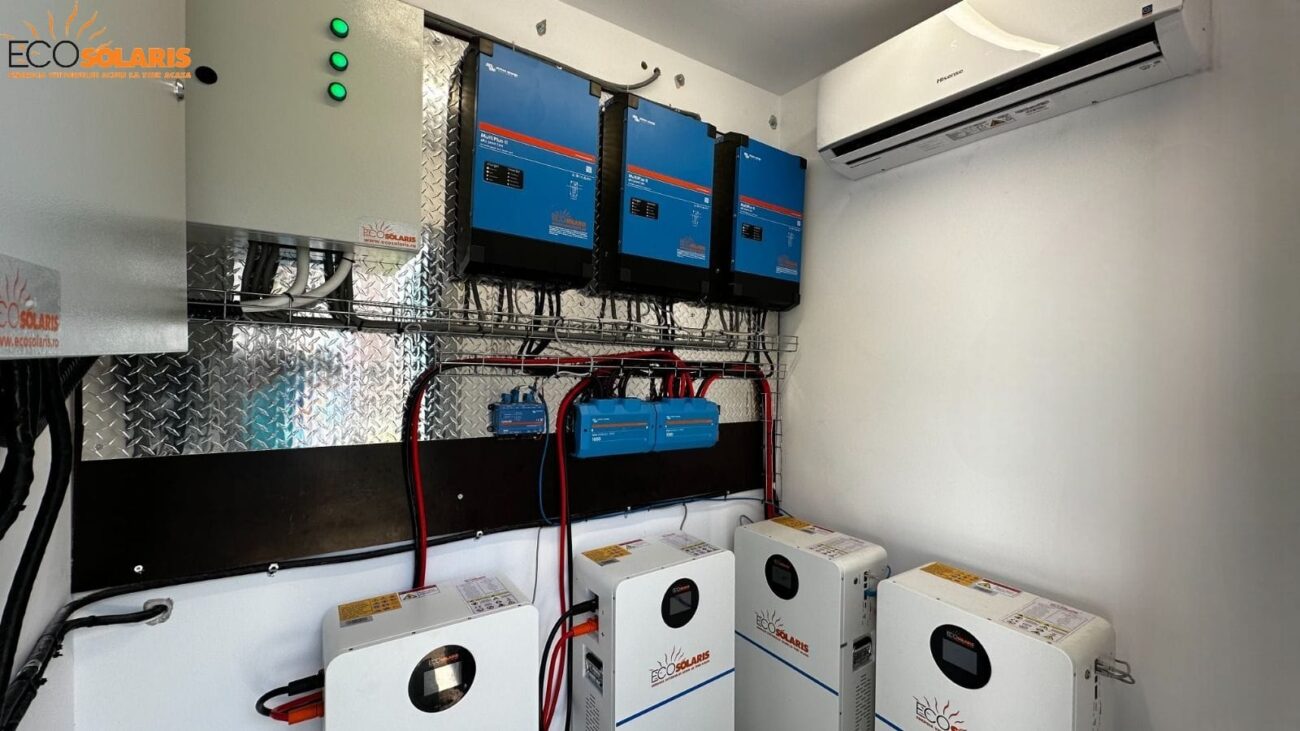
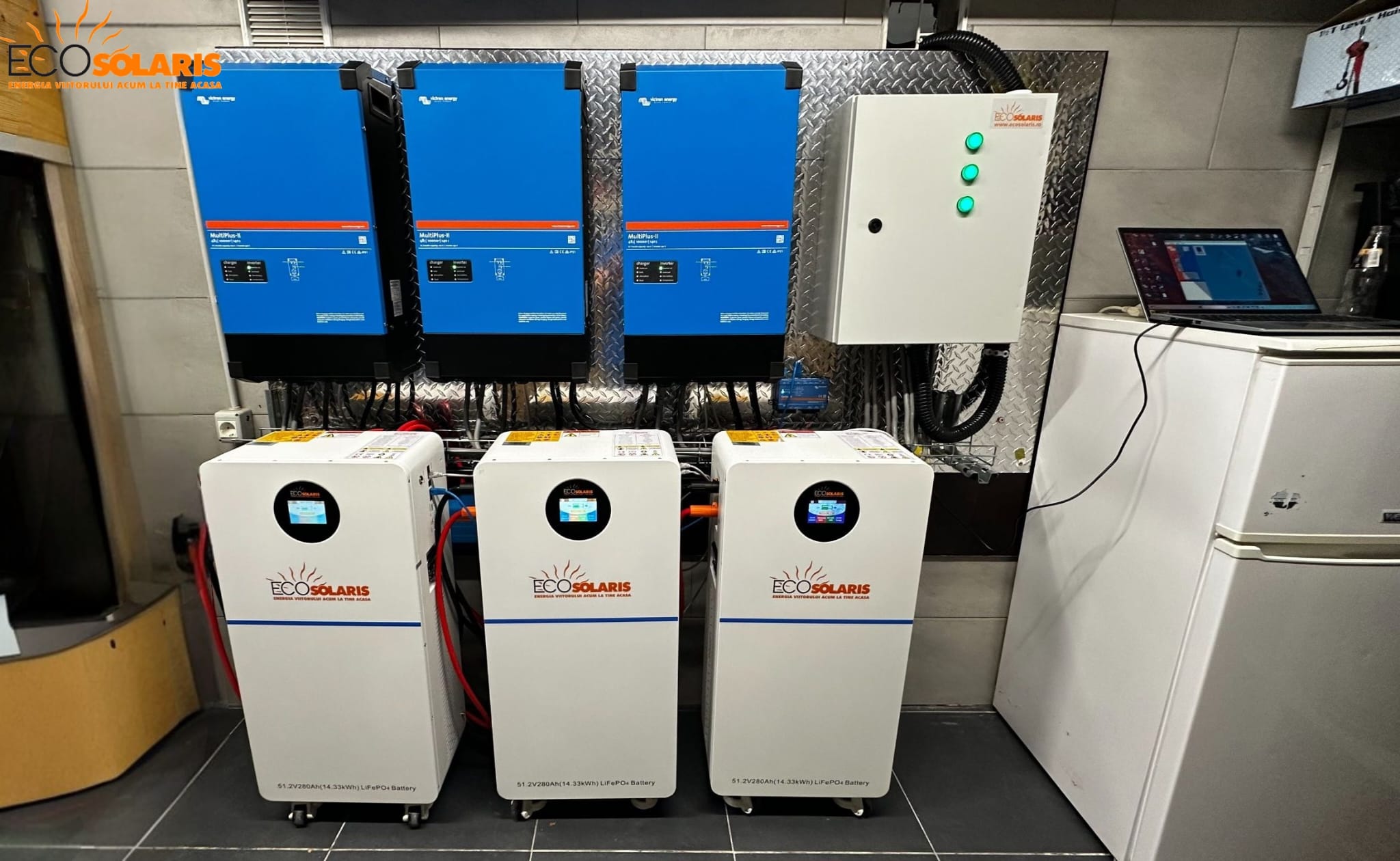
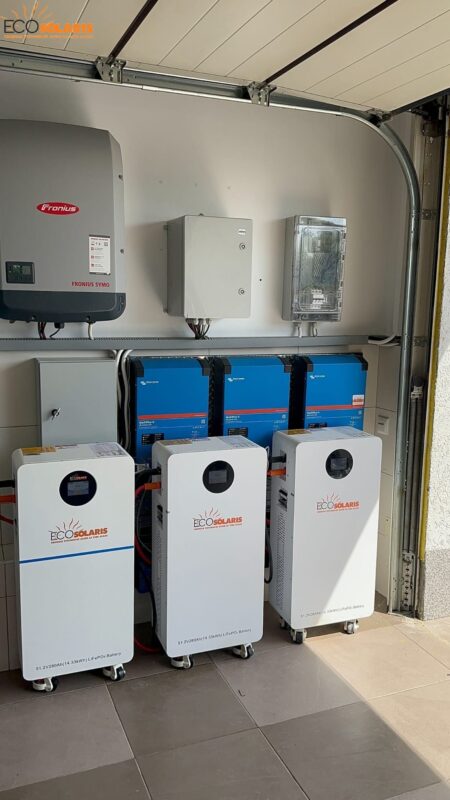
Three inverters Victron Energy MultiPlus-II 5000 VA – configured for parallel operation
Three accumulators of LiFePO4 EcoSolaris, each with a capacity of 15 kWh, totaling 45 kWh
Electric panel with AC/DC protections and automation
System of remote monitoring and control by Victron VRM
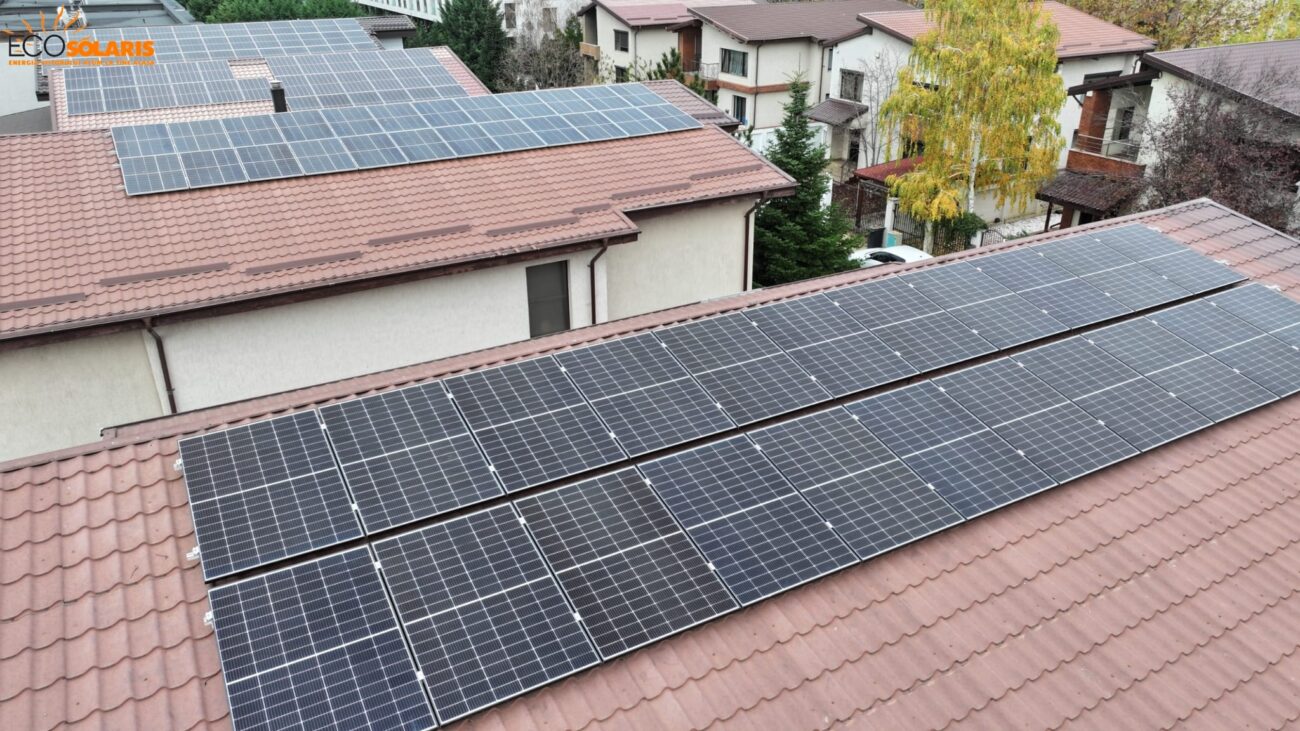
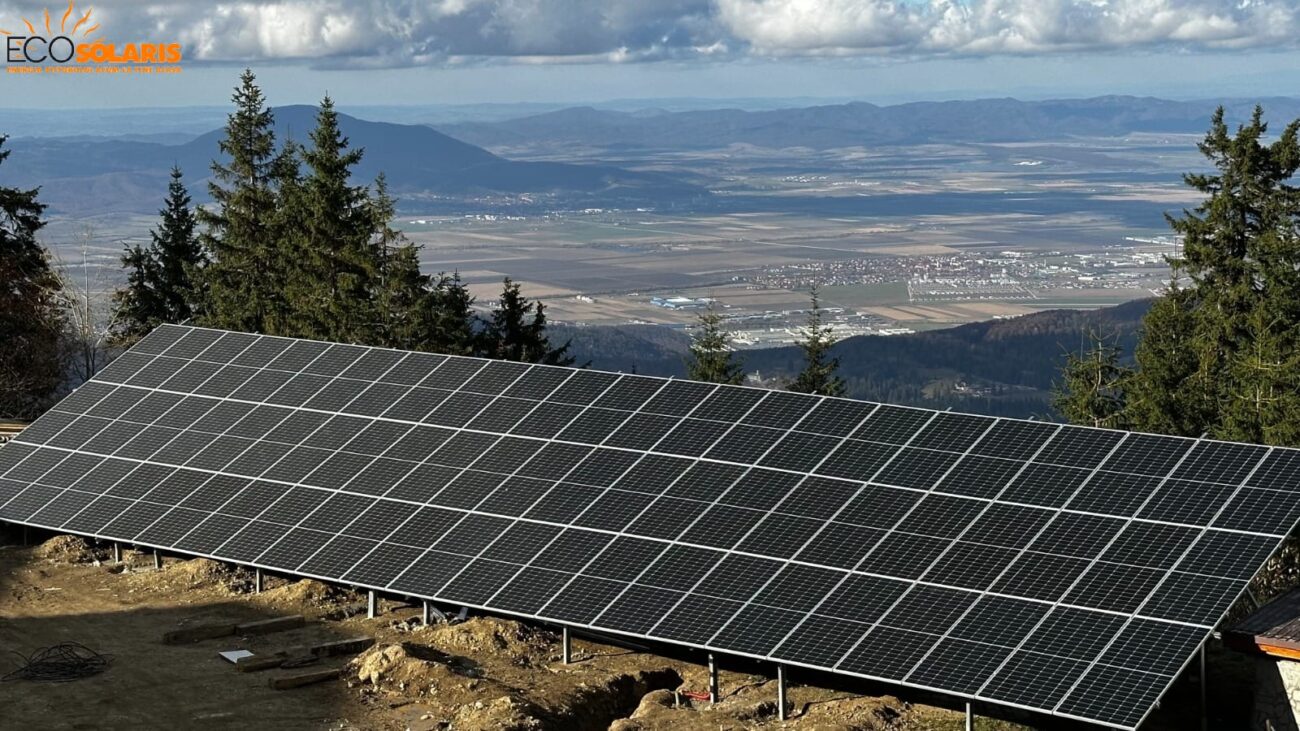
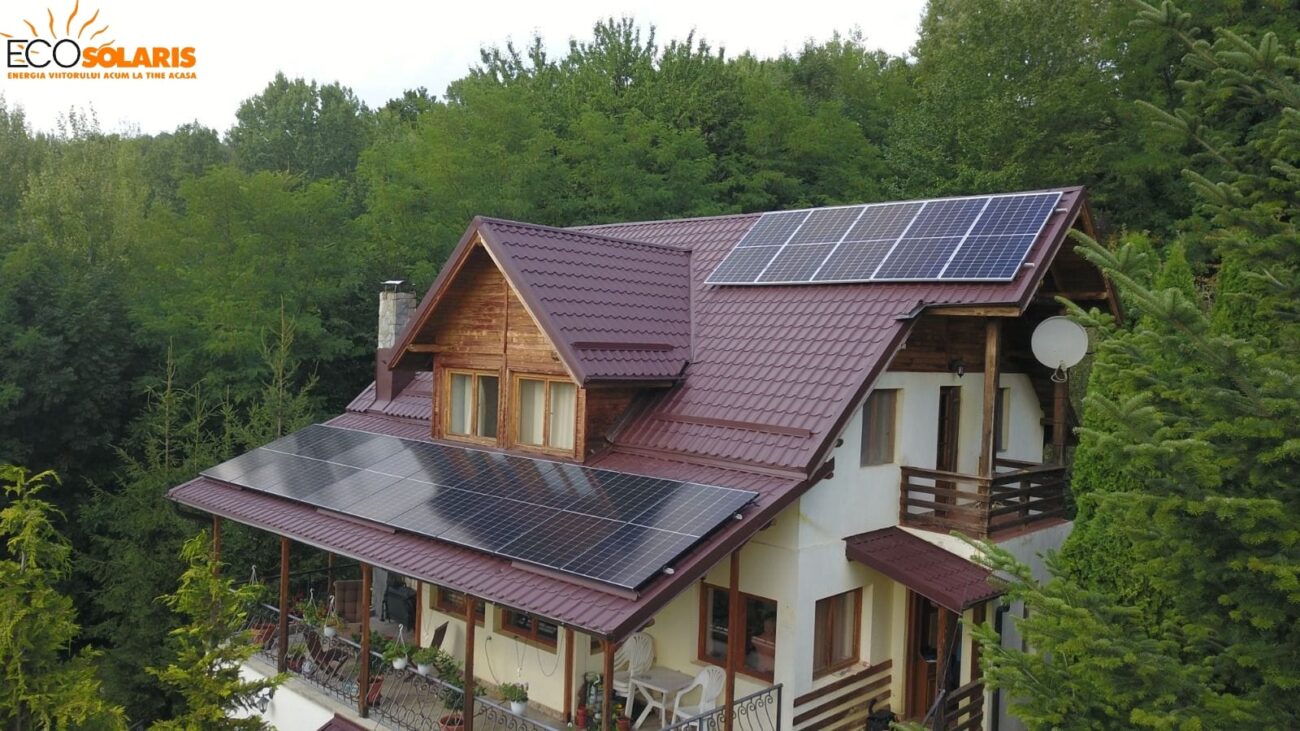
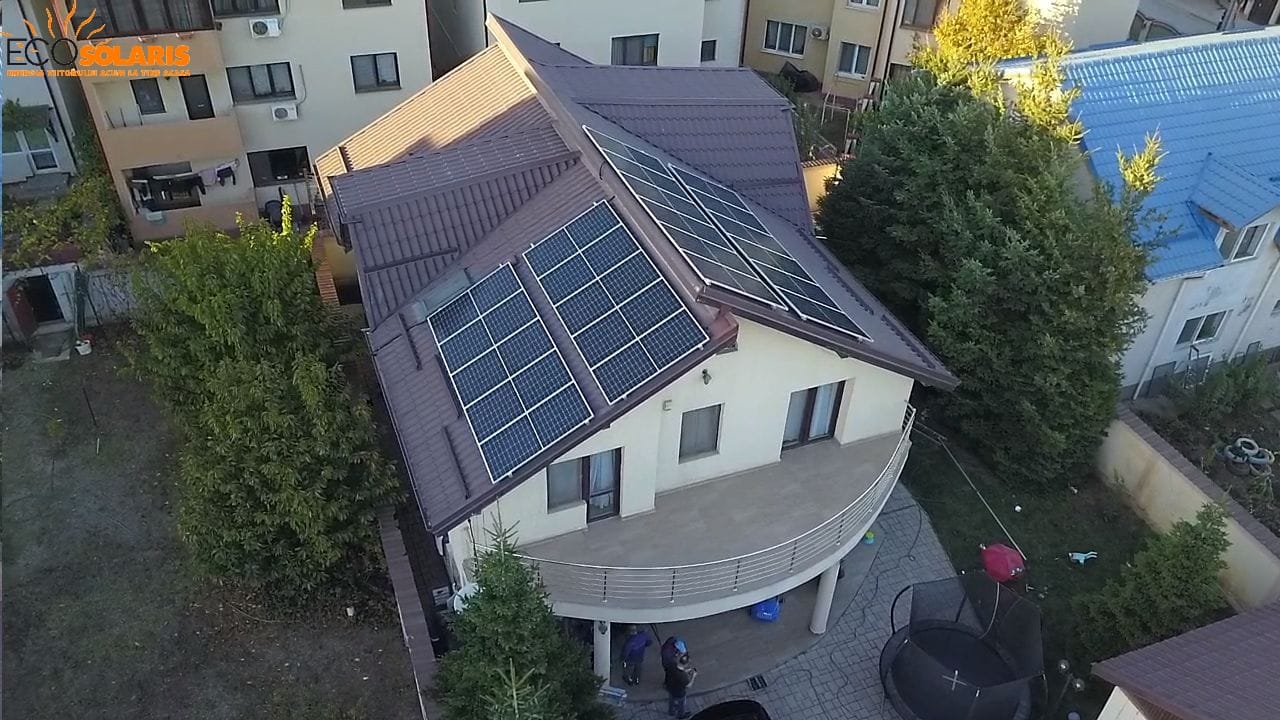
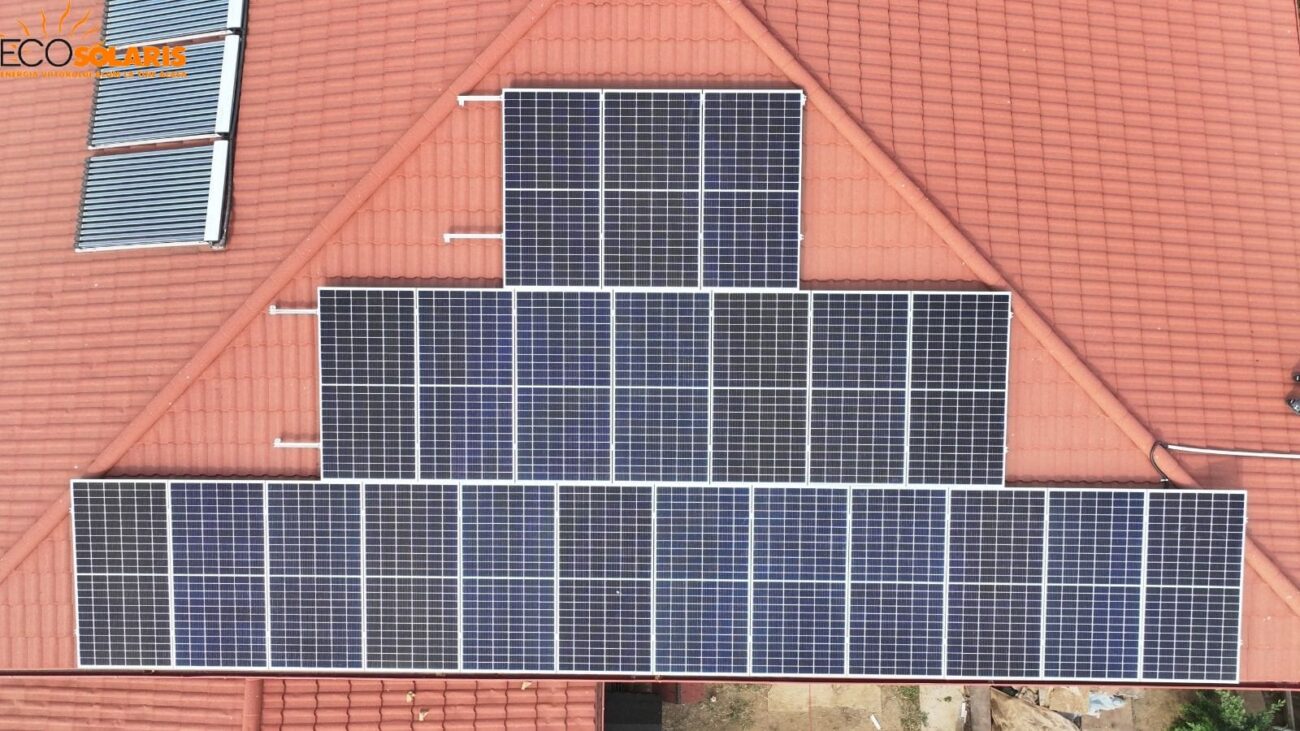
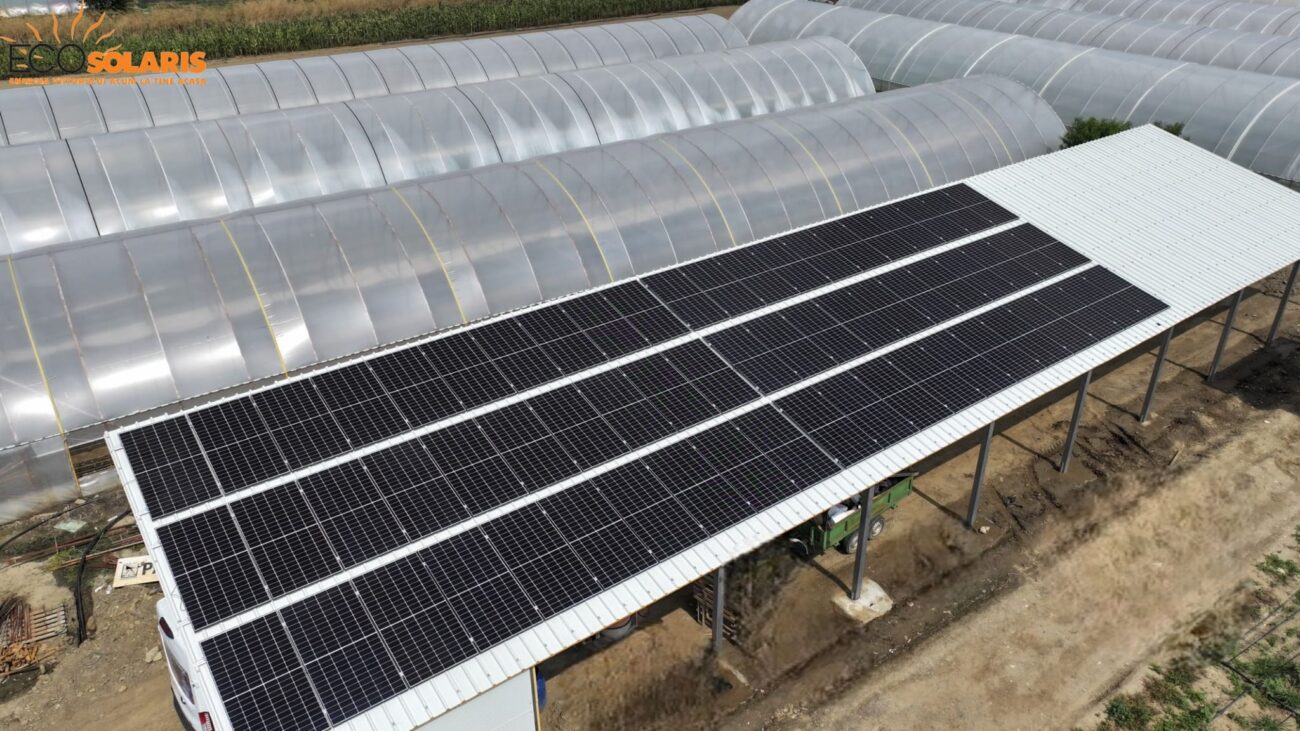
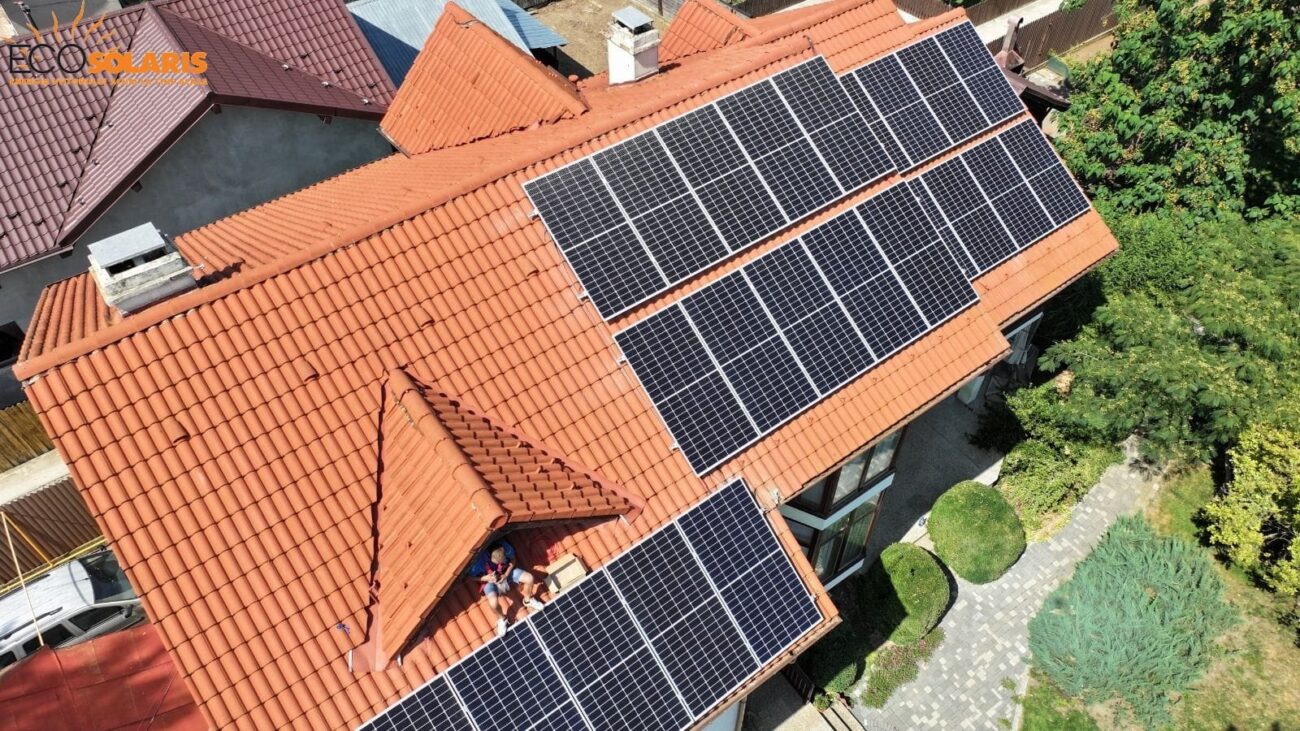
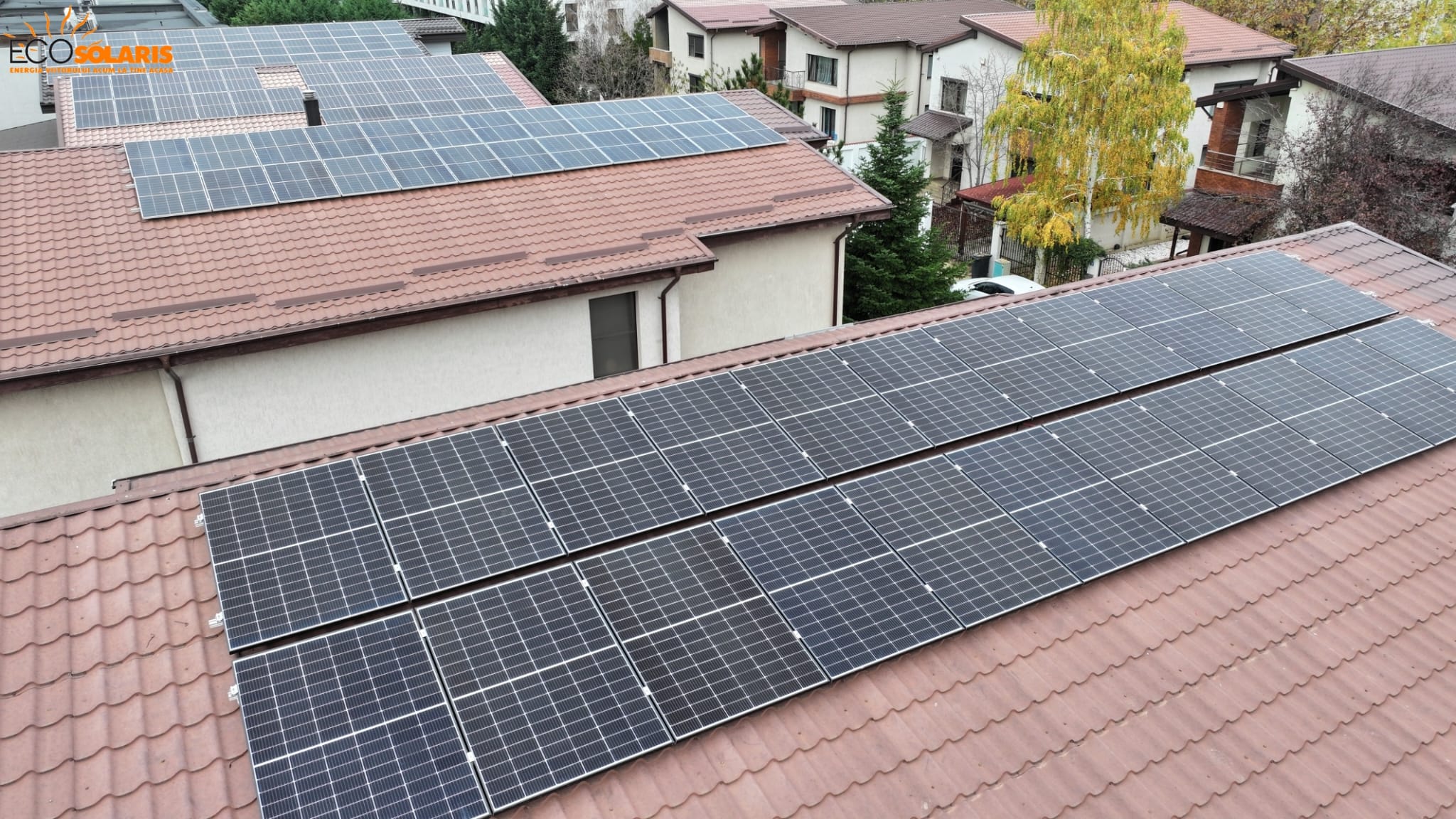
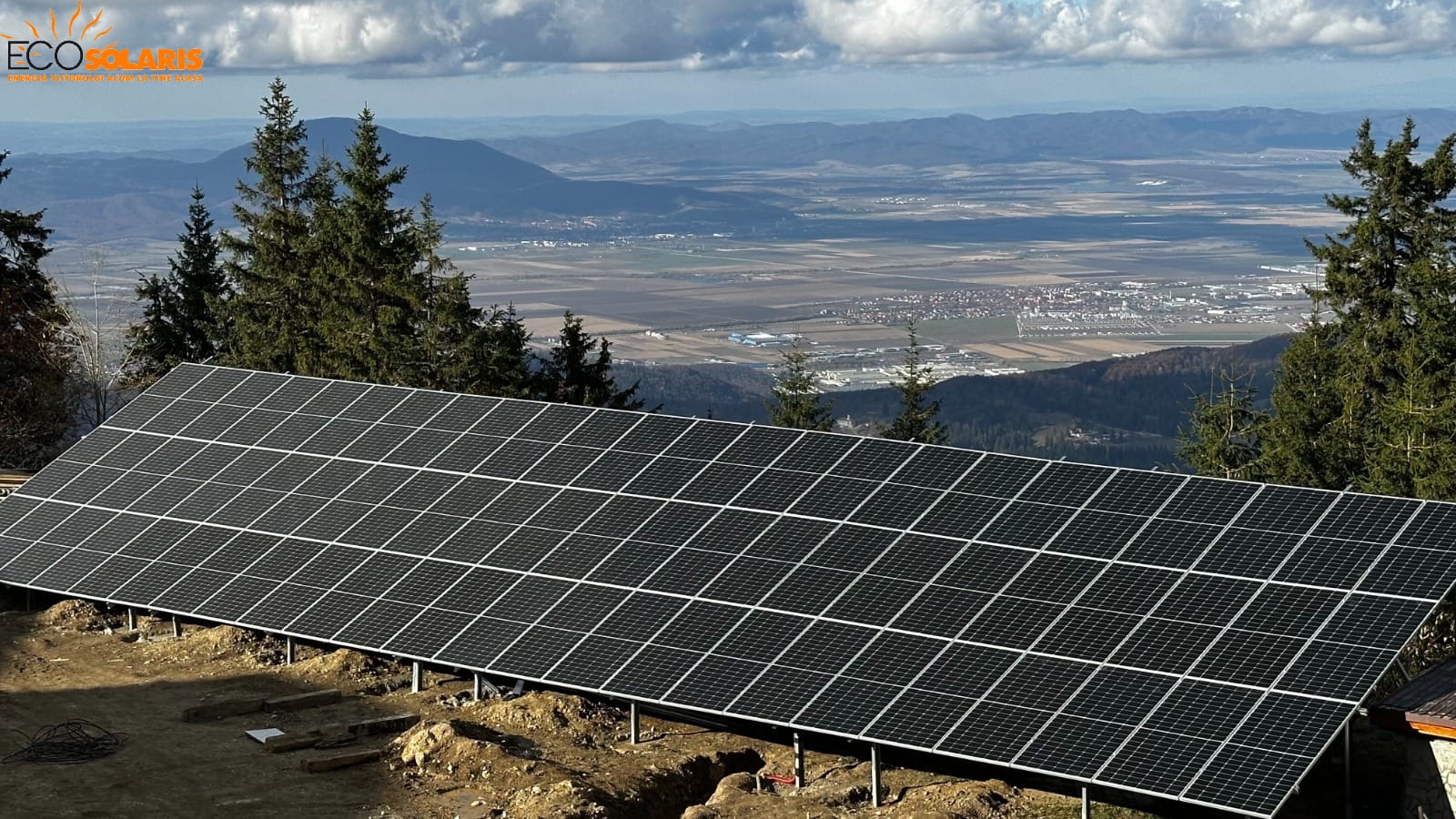
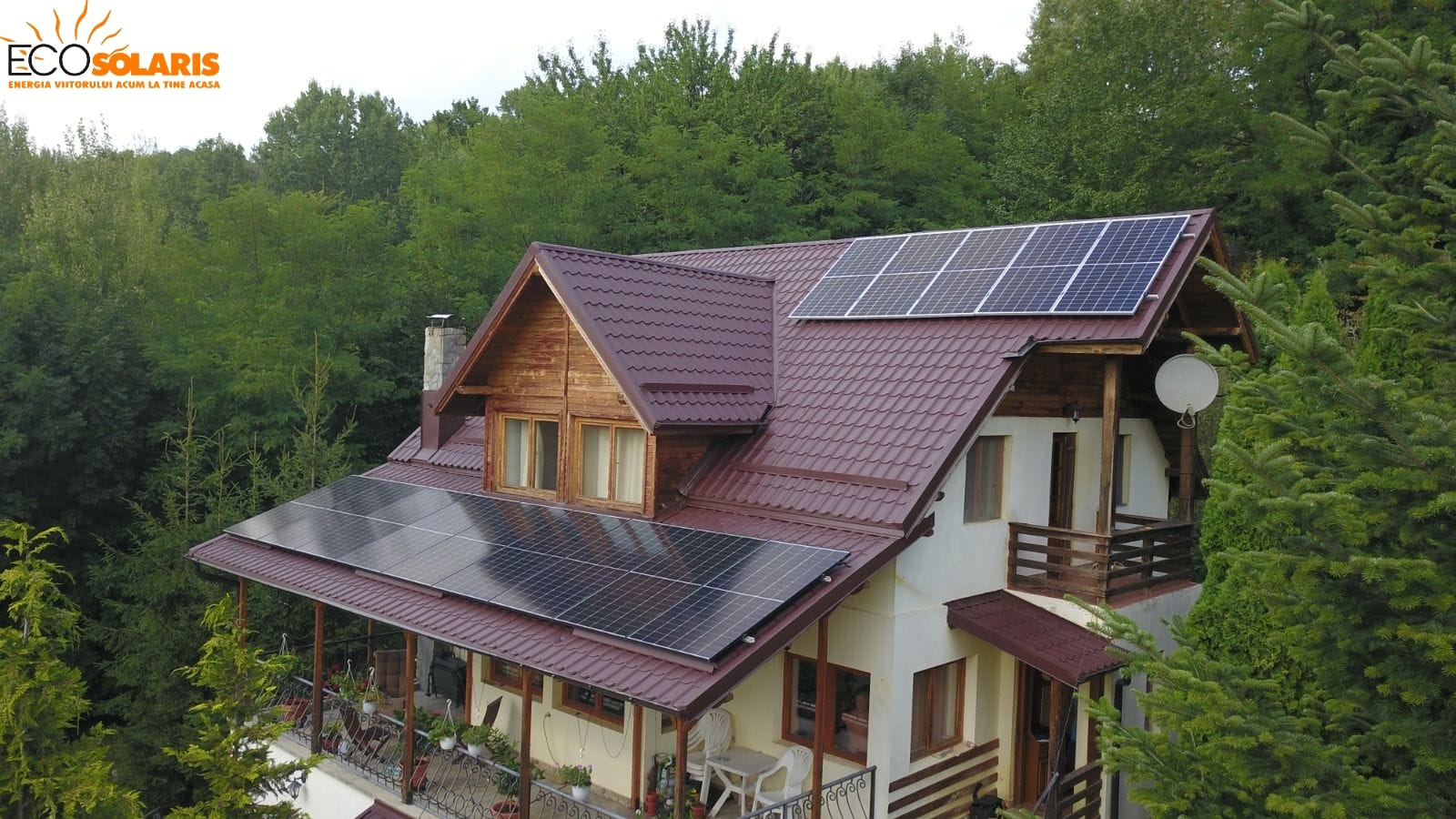
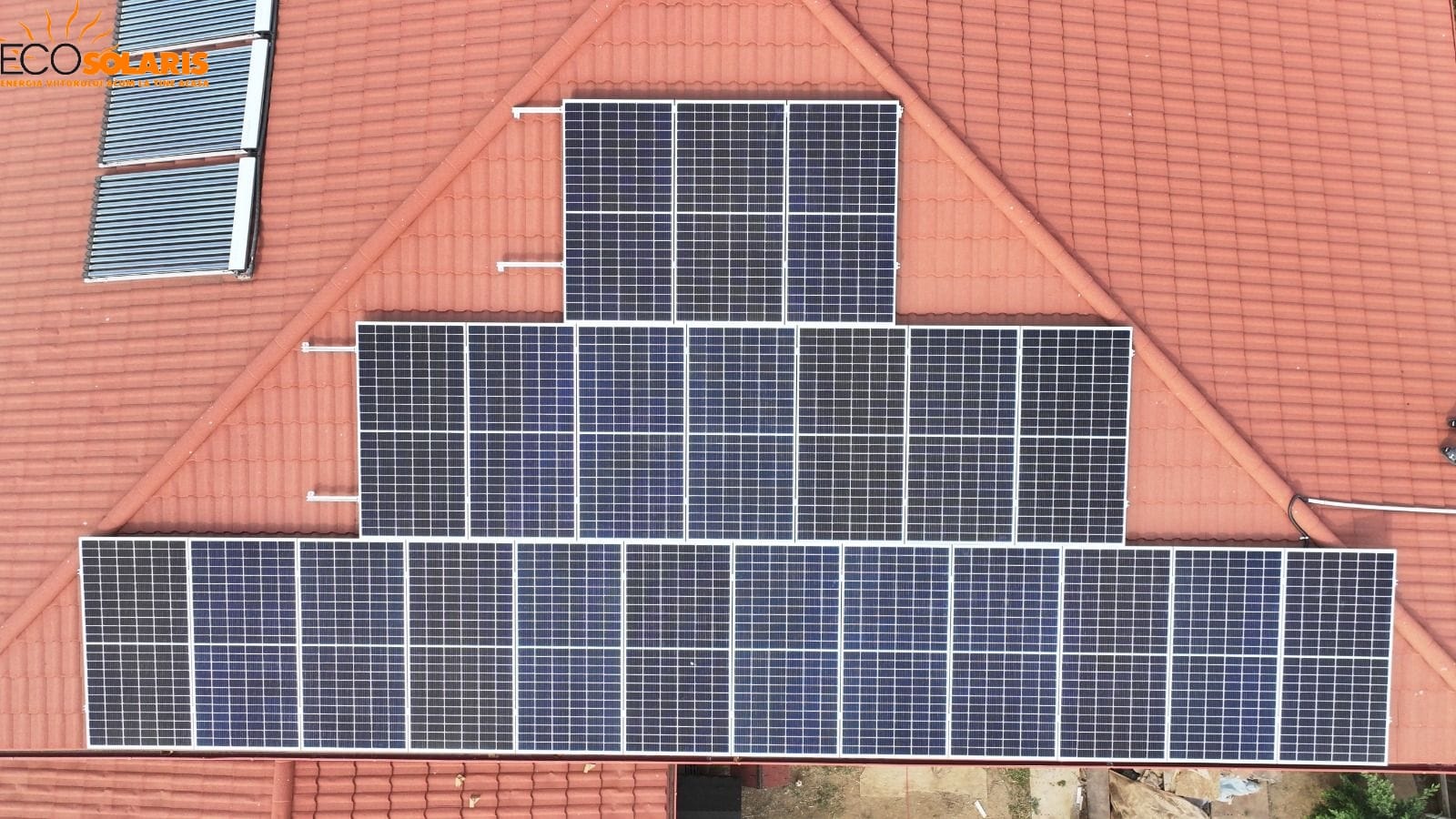
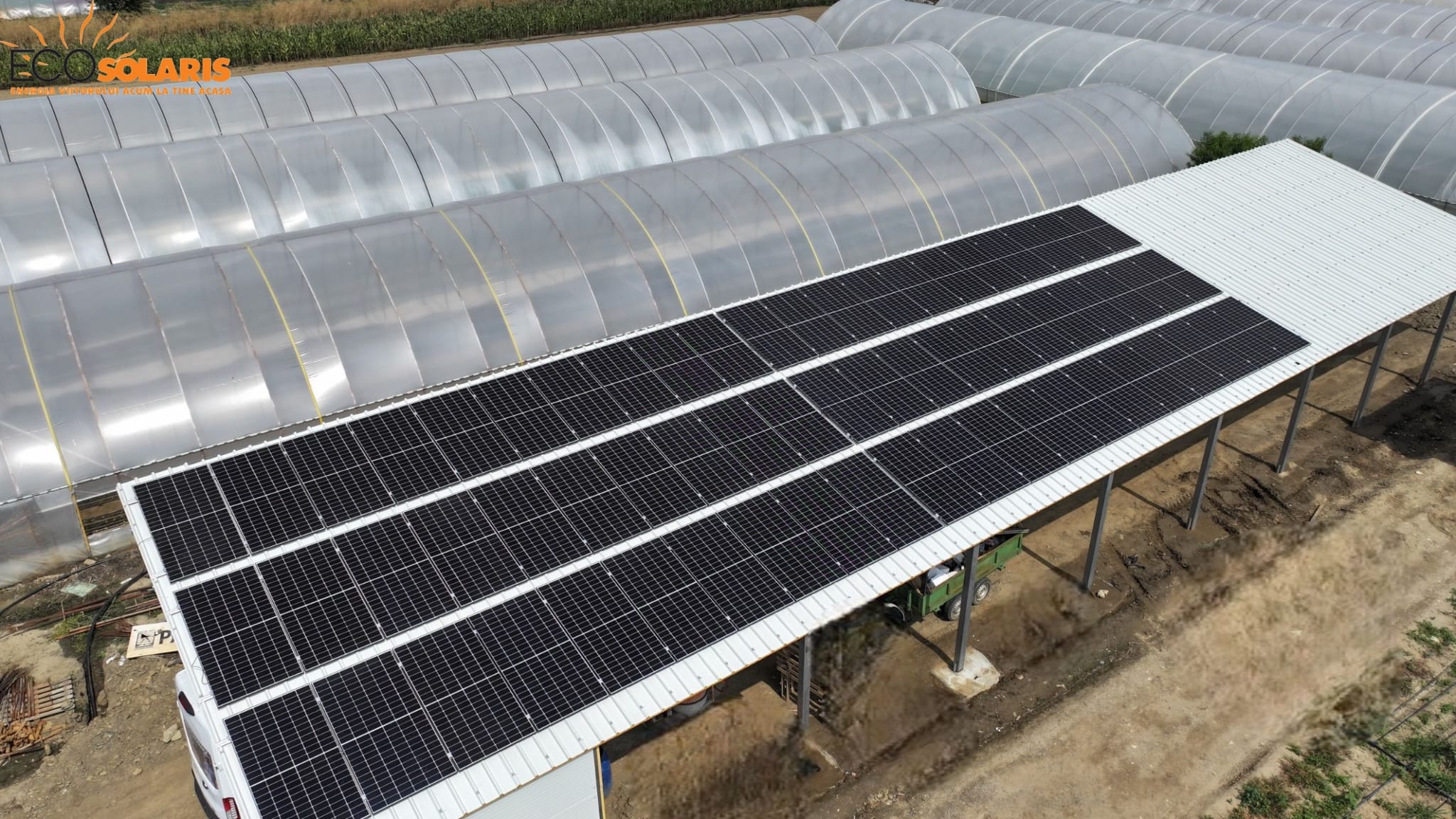
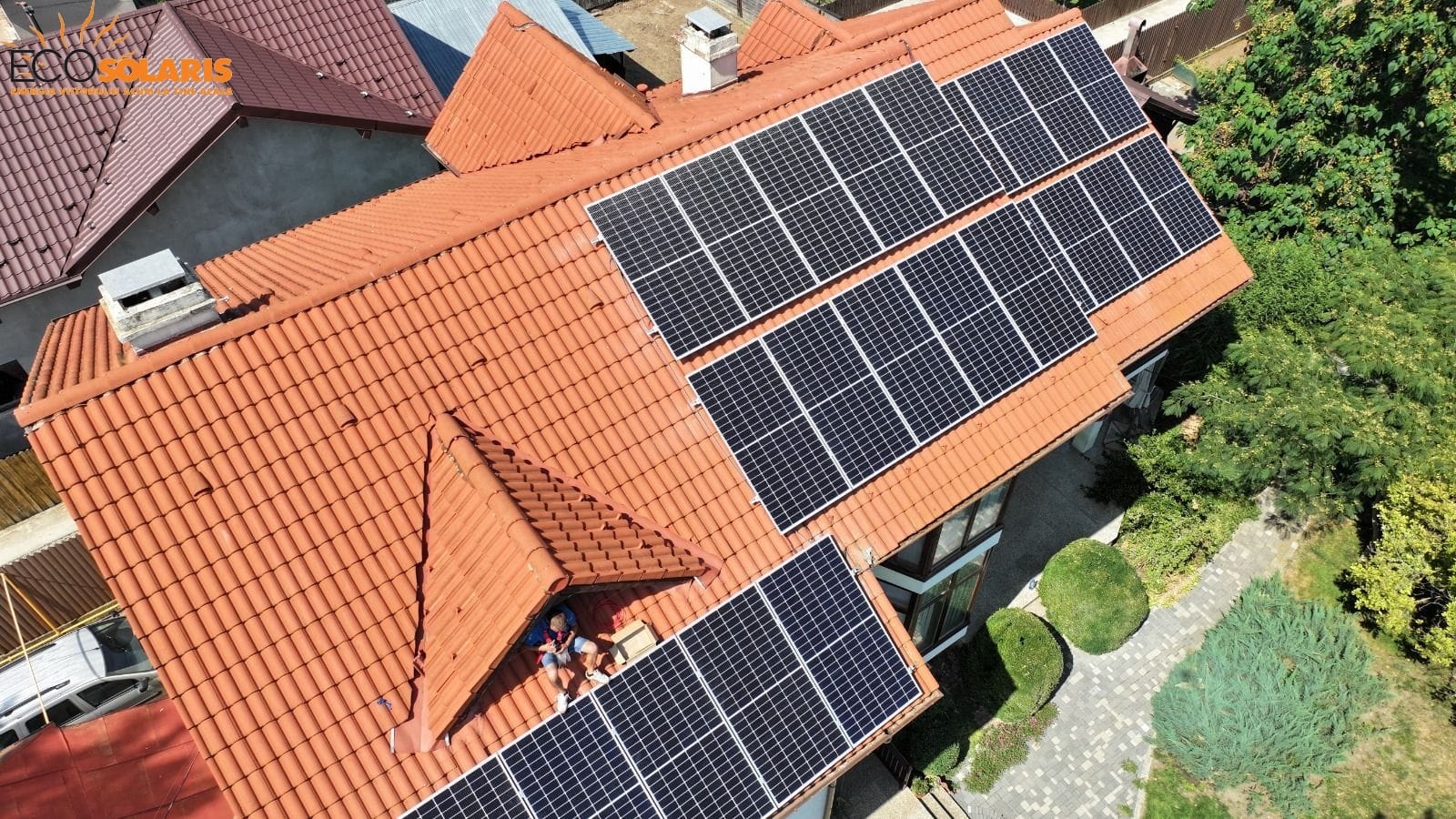
We note that the project did not include photovoltaic panels, as they already existed in the client's system.
Victron MultiPlus-II inverters – flexibility and control
Victron MultiPlus-II inverters are among the best performing solutions available for hybrid and off-grid applications. In this configuration, the three units are connected in parallel, providing a total power of 15 kVA and a balanced load distribution.
Each inverter performs a dual function: converting direct current from the batteries to alternating current (for consumers) and charging the batteries when the main source allows (mains, generator, solar).
Due to its excellent compatibility with LiFePO4 storage systems and the Victron VRM platform, this setup offers the possibility to control energy flows in detail, to program priorities and to automatically switch between sources according to set parameters.
Energy storage with LiFePO4 Ecosolaris batteries – 45 kWh total capacity
The accumulators used are high-performance models with lithium-iron-phosphate (LiFePO4) technology, recognized for their thermal stability, high durability and optimal efficiency. [#$$#]
Each Ecosolaris unit offers a capacity of 15 kWh, with a lifetime of over 6000 cycles at 80% discharge. In total, the system has 45 kWh of storage, enough to cover domestic or commercial consumption at night or during periods of low solar output.
The batteries are equipped with an integrated BMS (Battery Management System) and are fully compatible with Victron, ensuring seamless integration into the system and efficient communication with the inverters.
Automation and electrical protection
To guarantee the safety of the equipment and the stability of the system, a fully equipped electrical panel has been designed, which includes:
AC and DC automatic fuses;
Short circuit and overvoltage protections;
Switching devices between network, storage and consumers
Automatic and manual by-pass systems;
Local control and maintenance interface.
The electrical panel ensures the optimal distribution of energy, protects the equipment against voltage variations and allows a quick intervention in case of unforeseen situations.
Upgrade benefits
The integration of these components transformed a classic photovoltaic system into a fully functional micro-grid solution, with multiple advantages:
The possibility of consumption at night from stored energy, without depending on the grid.
Protection in case of voltage drops, ensuring the continuity of the supply.
Real-time monitoring and remote control via the Victron VRM platform.
Increasing efficiency overall system and loss reduction.
Extensibility, thanks to the modular architecture of Victron and EcoSolaris equipment.
This type of upgrade is a smart investment for those who want to improve the performance of their existing system without reconfiguring the entire installation from scratch.
Monitoring via Victron Remote Management
All equipment is interconnected and monitored via the Victron VRM platform. This allows real-time access to information about:
Battery charge level;
Energy flows between sources and consumers;
History of production and consumption;
Configuring system behavior according to custom scenarios;
Use scenarios and strategic advantages
Micro-grid systems, equipped with intelligent storage and high-performance hybrid inverters, stand out for their versatility. Such an upgrade is not only reserved for residential homes, but can be successfully applied in many contexts where stability, continuity and energy efficiency are priorities.
In the residential environment, a micro-grid allows optimizing consumption, eliminating the risk of power outages and increasing the value of the home. In tourism and agritourism, it offers total independence from the network and continuous operation for guesthouses or cottages. In agriculture, it allows farms to operate autonomously, with a positive impact on costs and reliability. And in the commercial environment, it guarantees the continuity of operations and reduces losses caused by power outages.
In addition, the modular architecture allows for further expansion of the system, integration with charging stations for electric vehicles or scaling according to future requirements.
Practical recommendations for users [#$$#]
For those considering implementing a micro-grid system or expanding an existing one, it is important to start from a detailed assessment of consumption needs. A preliminary energy audit helps to correctly size the equipment and to identify the most efficient technical solutions.
It is also essential to work with an experienced system integrator who can provide not only equipment delivery, but also design, installation, configuration and post-installation support. Choosing compatible, certified and easy-to-maintain equipment is the key to long-term stable operation.
Users should consider technological updates and future expansion possibilities. A well-designed system today should allow the addition of new components (such as additional panels, batteries or EV stations) without major interventions in the already existing structure.
The user thus benefits from a high degree of transparency and can adjust the operating parameters according to current or seasonal energy needs.
Therefore, upgrading the system to a micro-grid level by adding smart storage, hybrid inverters and full automation gives users total control over your own energy. It is a sustainable, efficient and safe solution that allows the maximum exploitation of the investment in renewable energy.
The project described here demonstrates that, without replacing existing solar panels, a significant transformation in the performance and autonomy of an energy system can be achieved.
For those who want more than self-consumption, a well-designed micro-grid is the natural step towards energy independence.