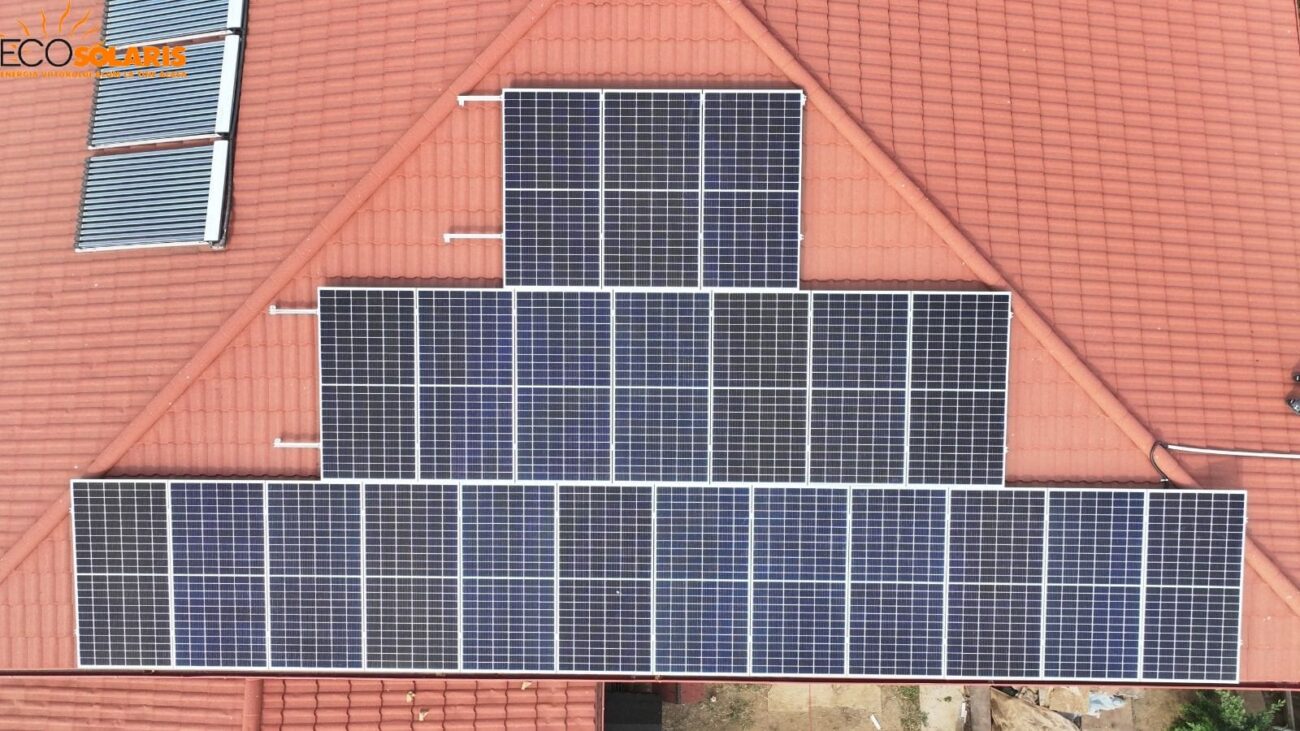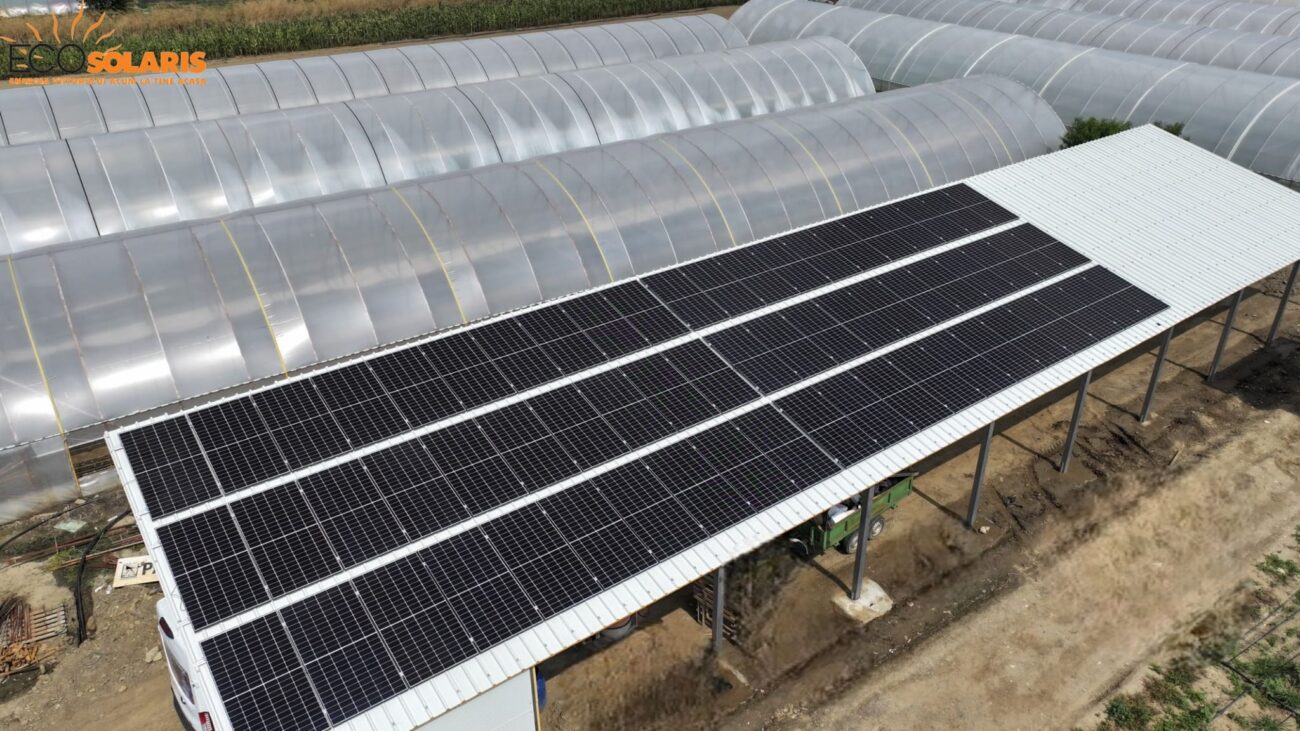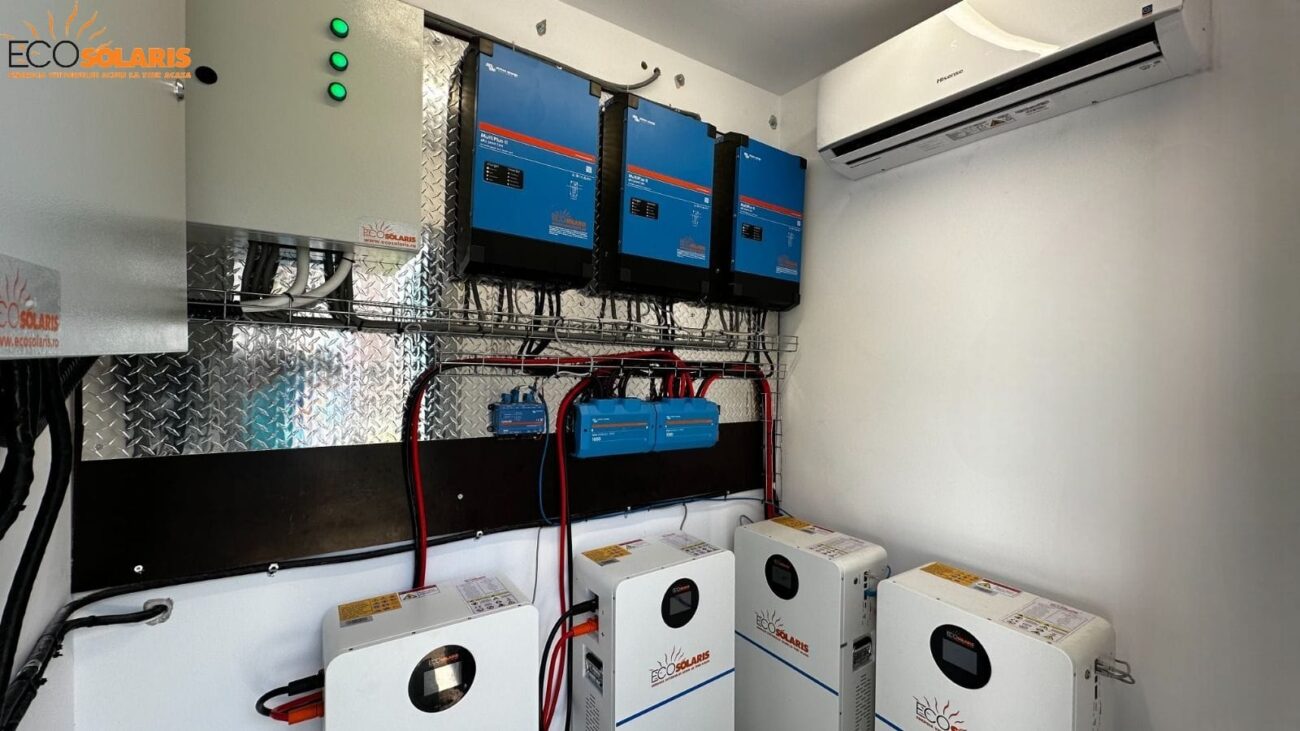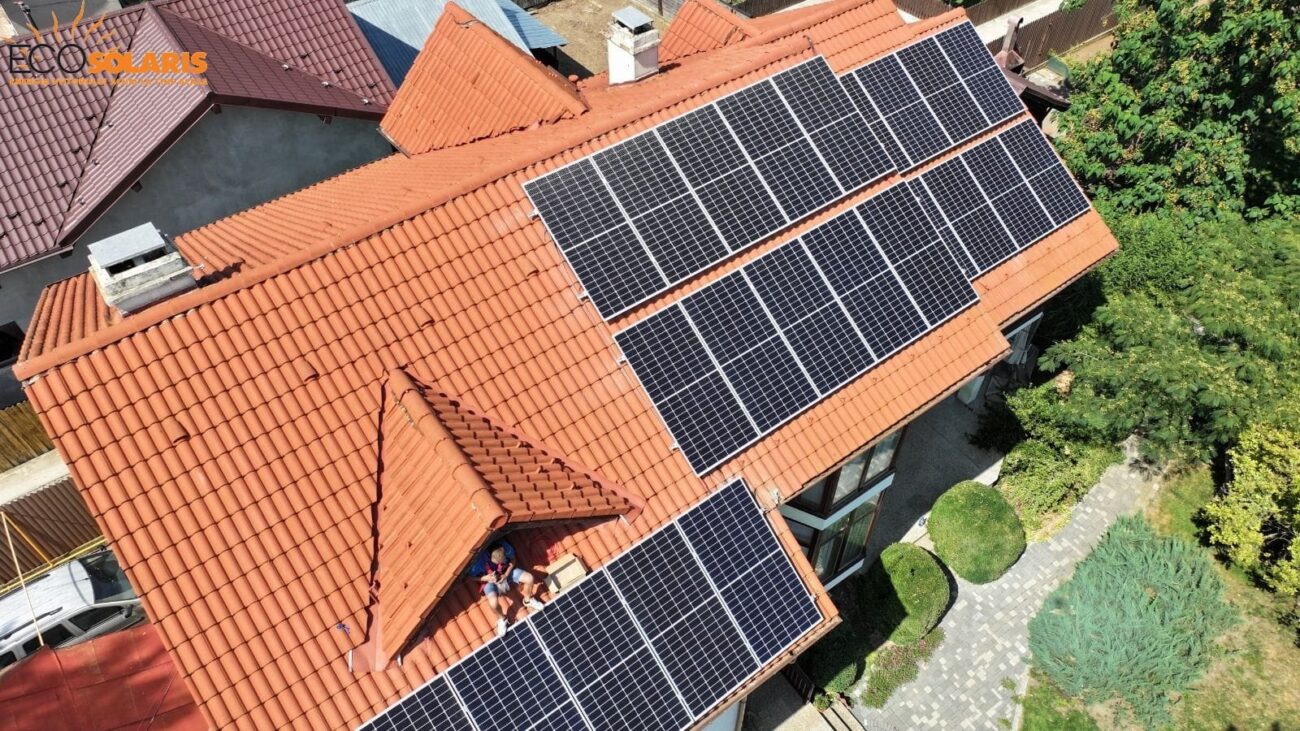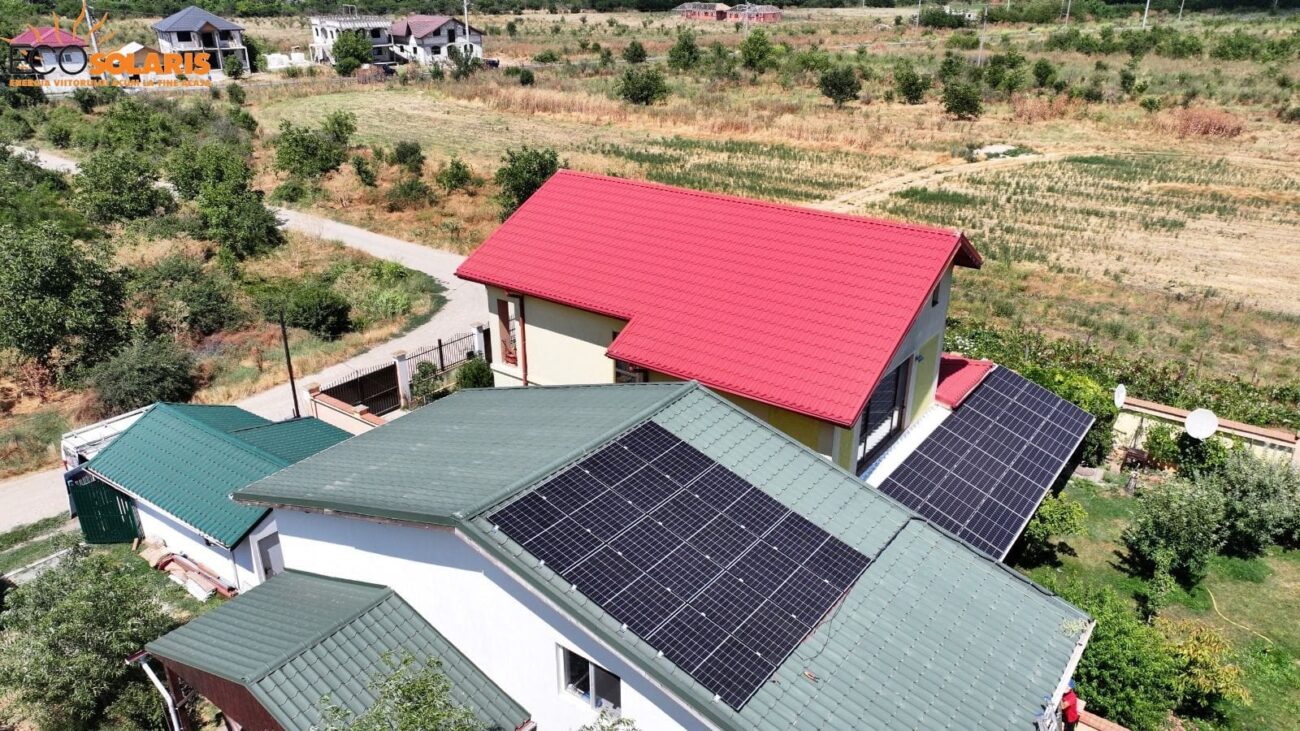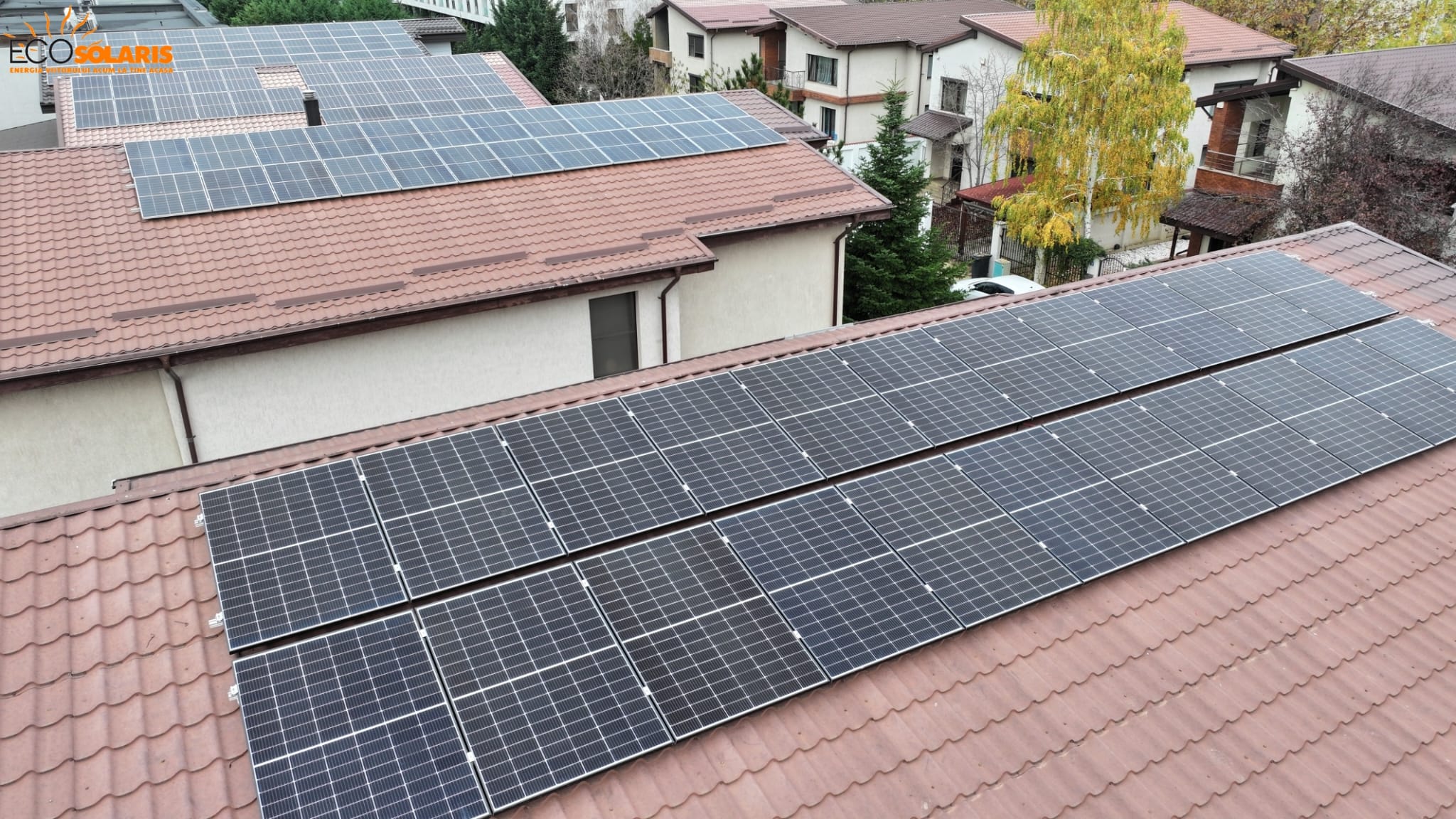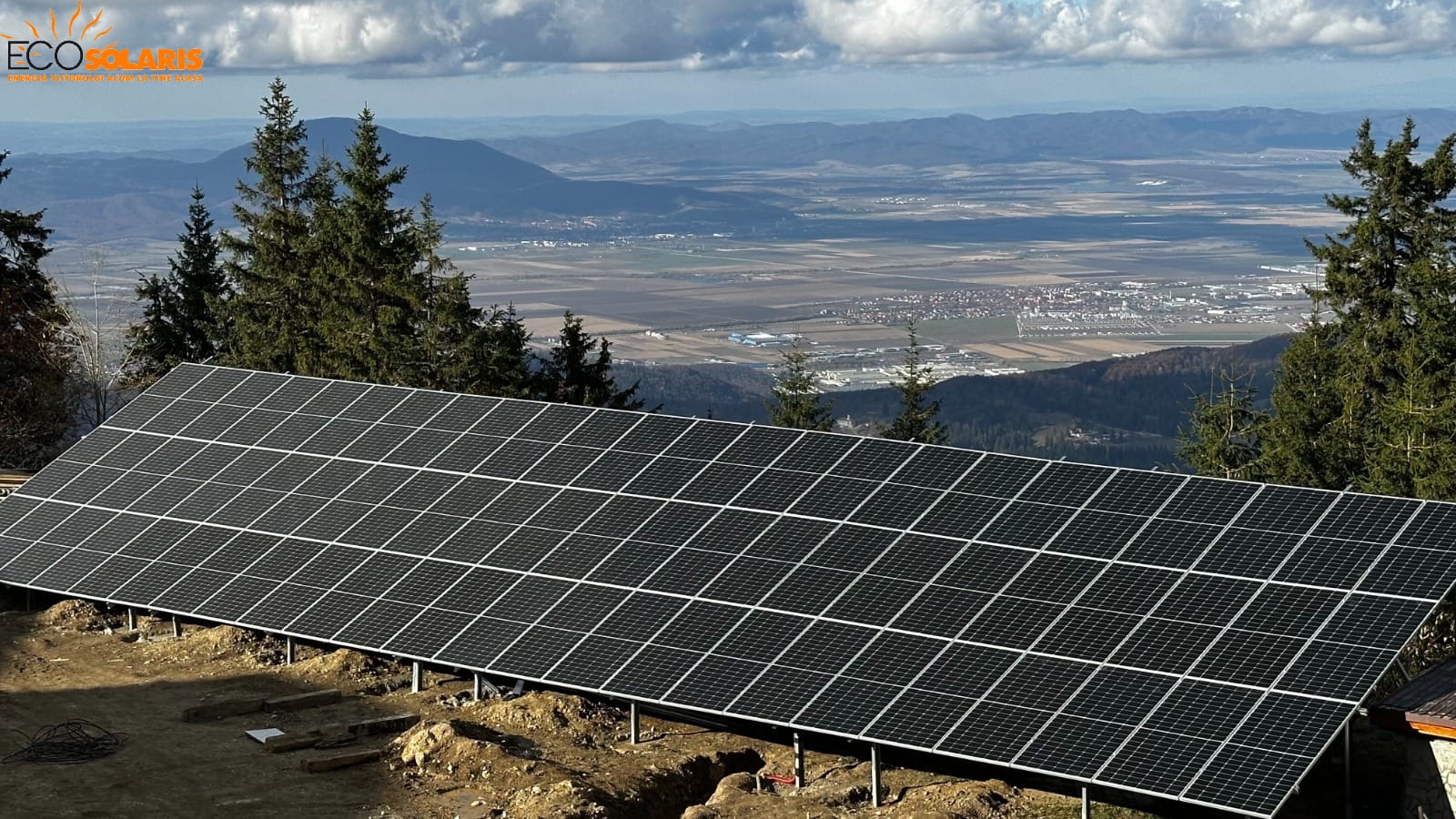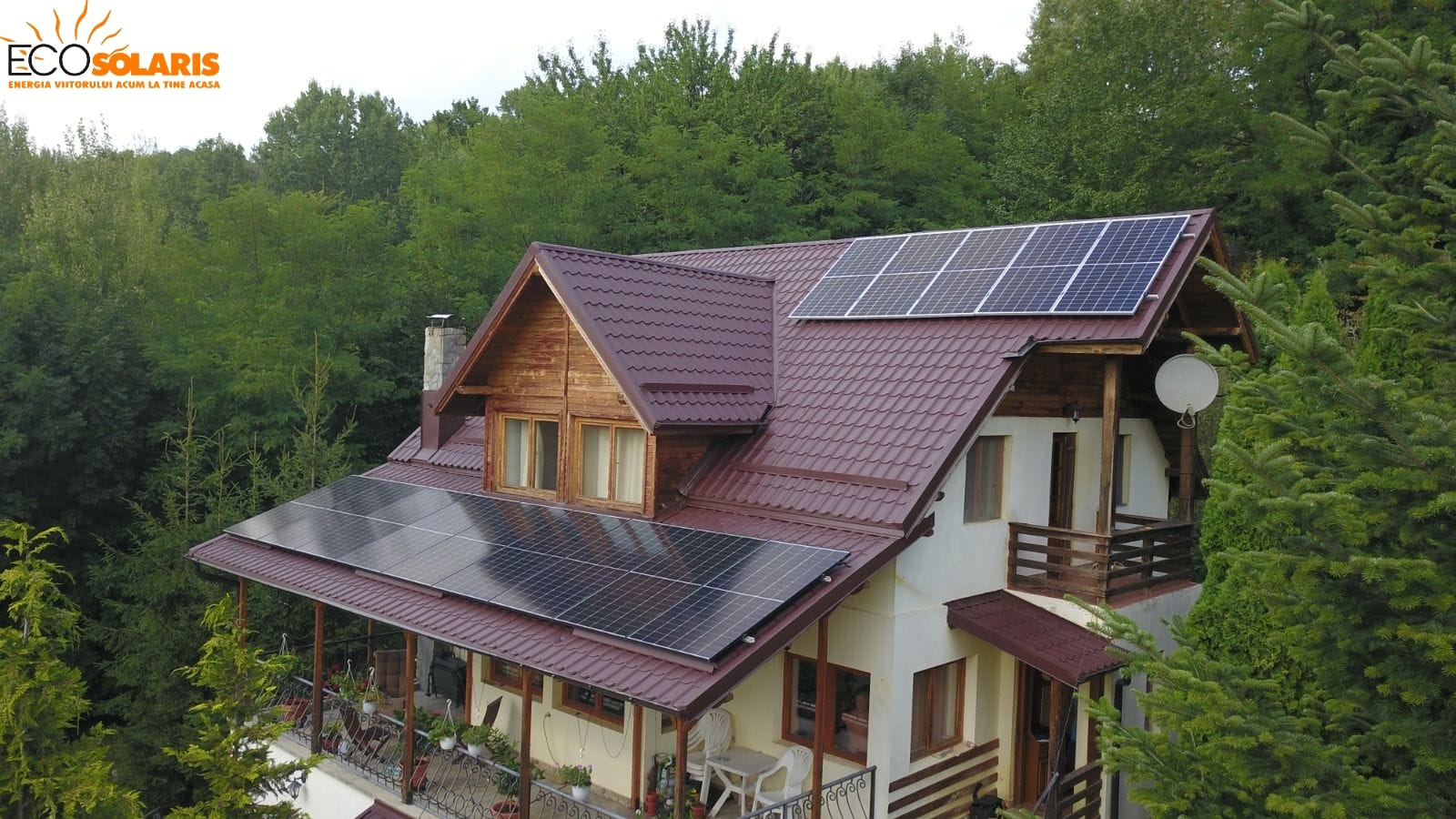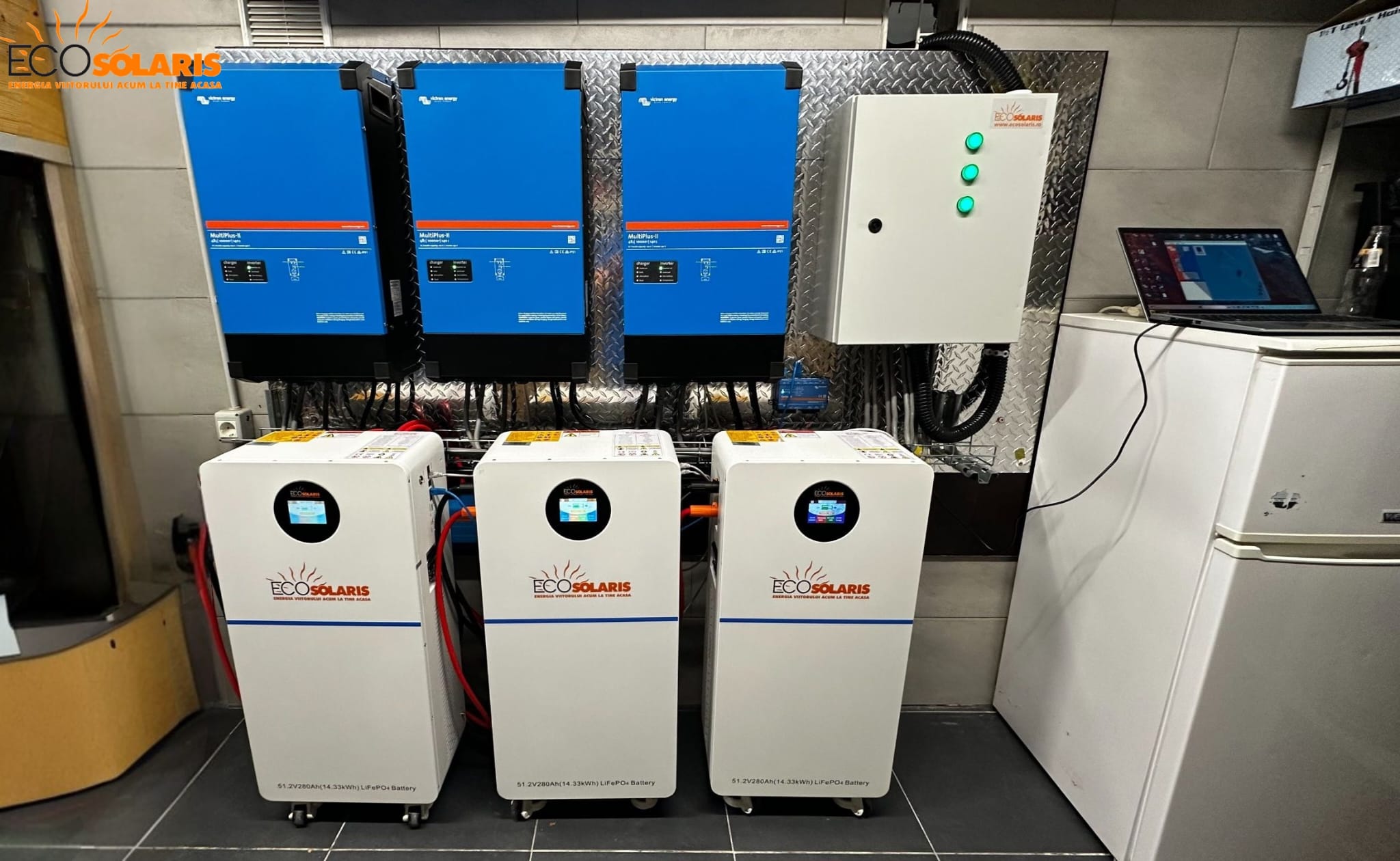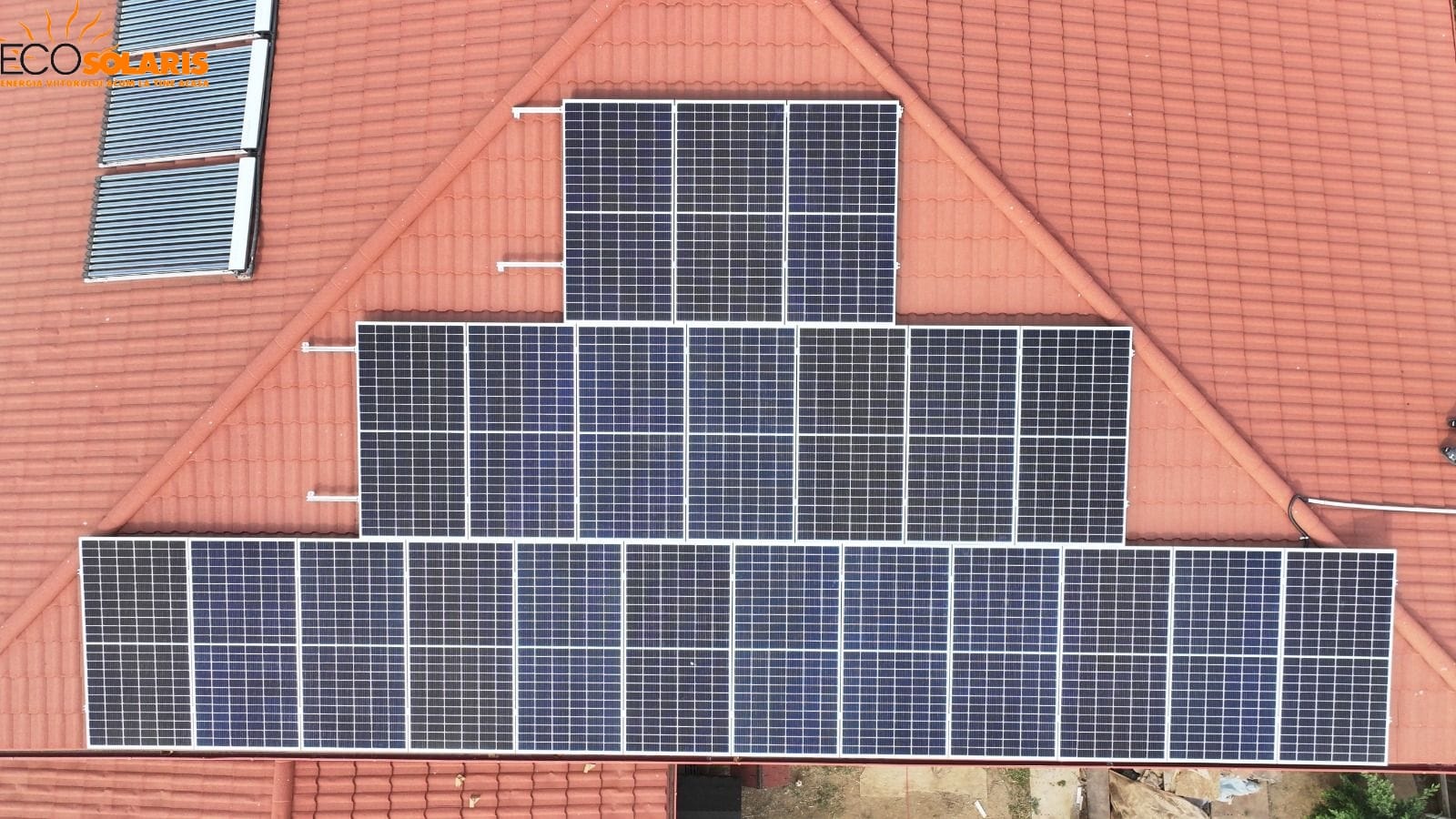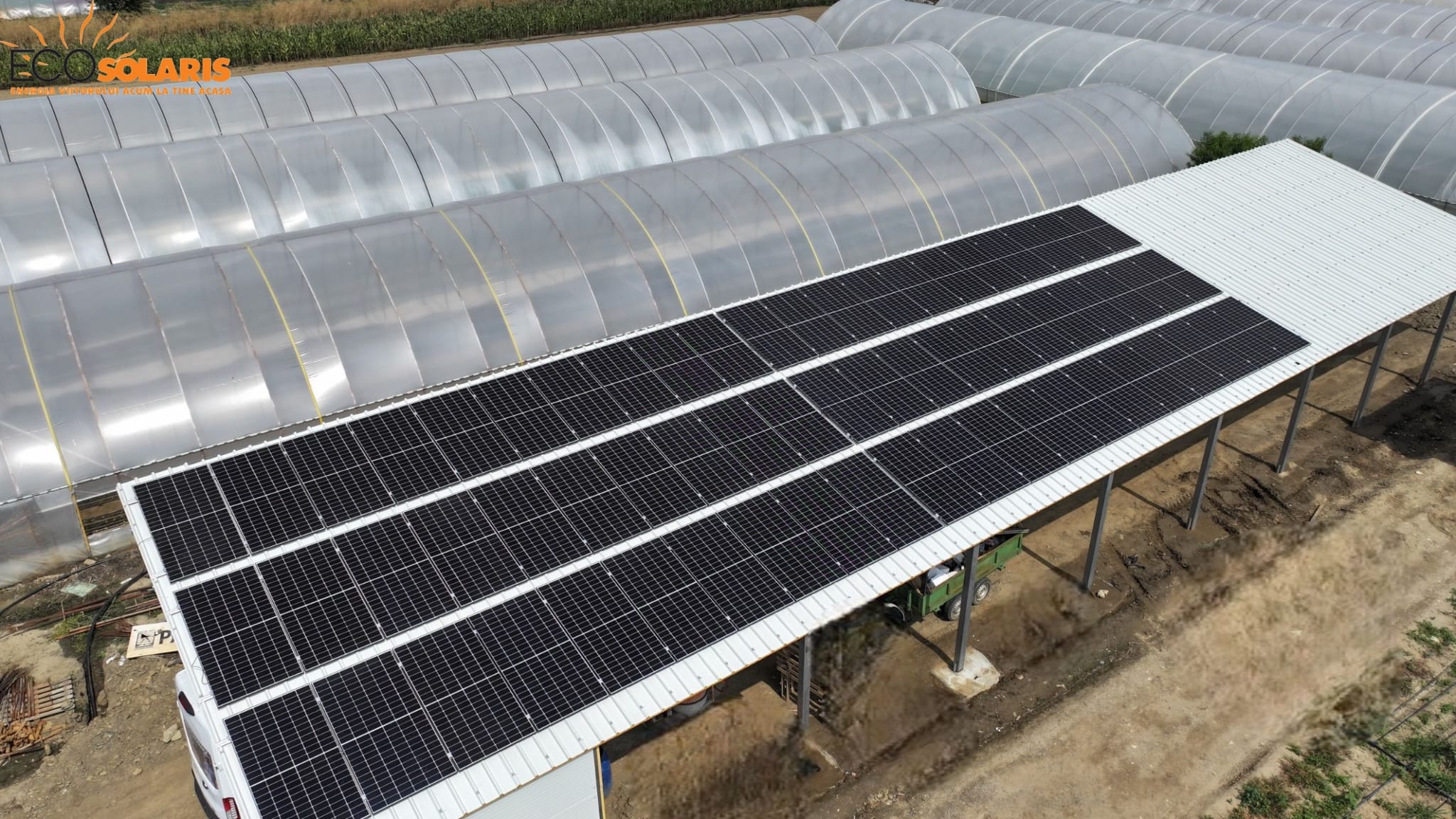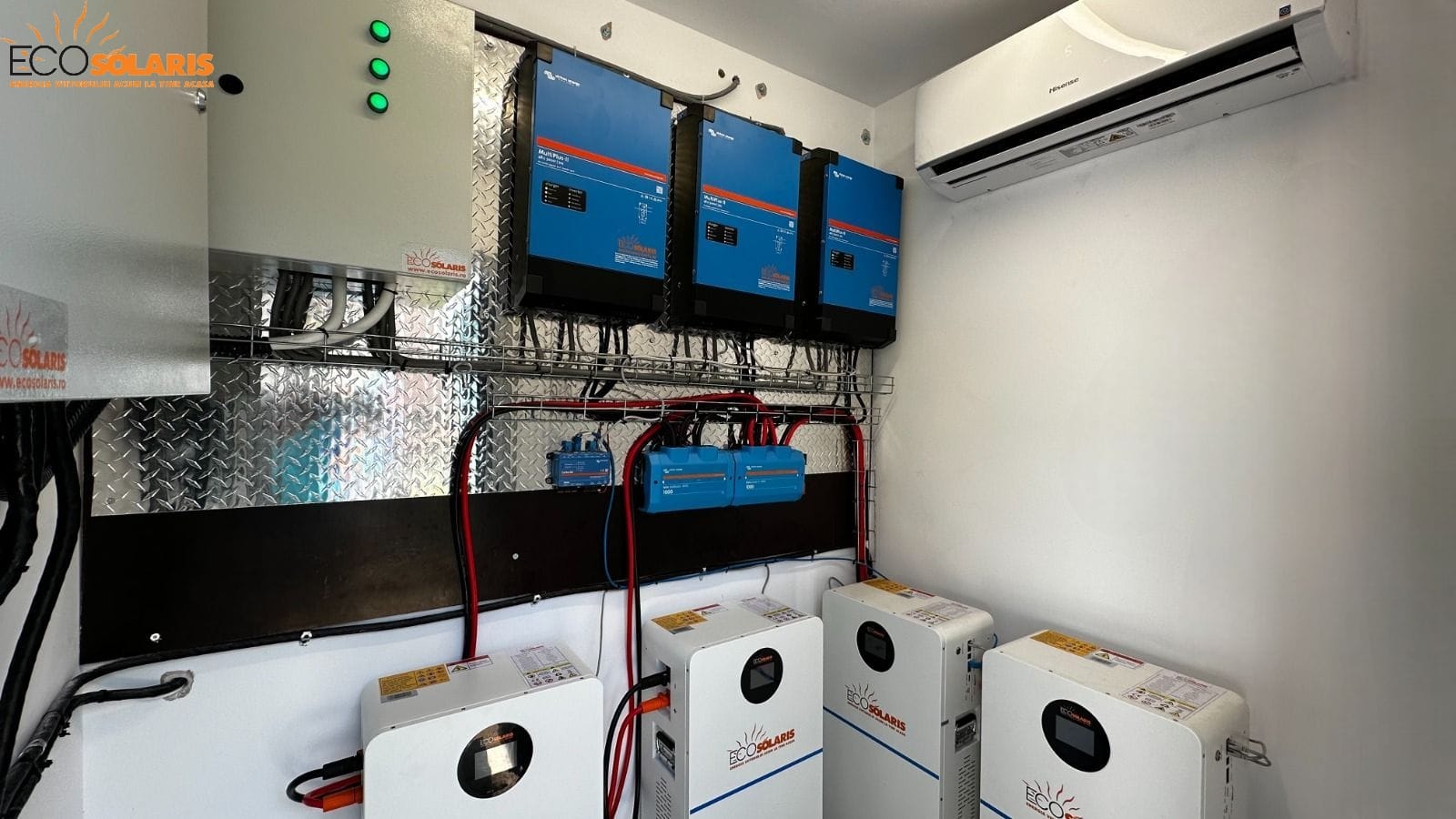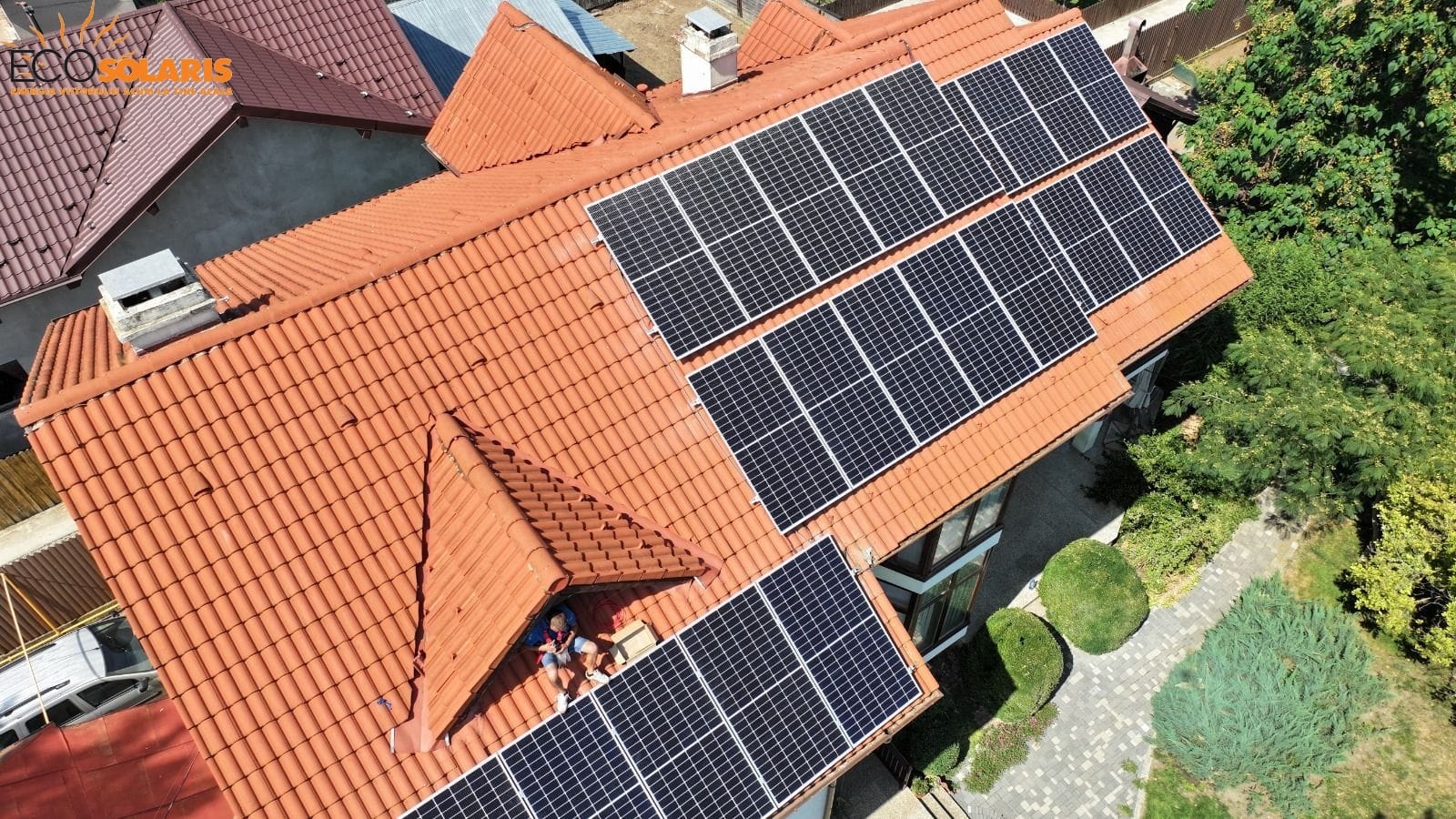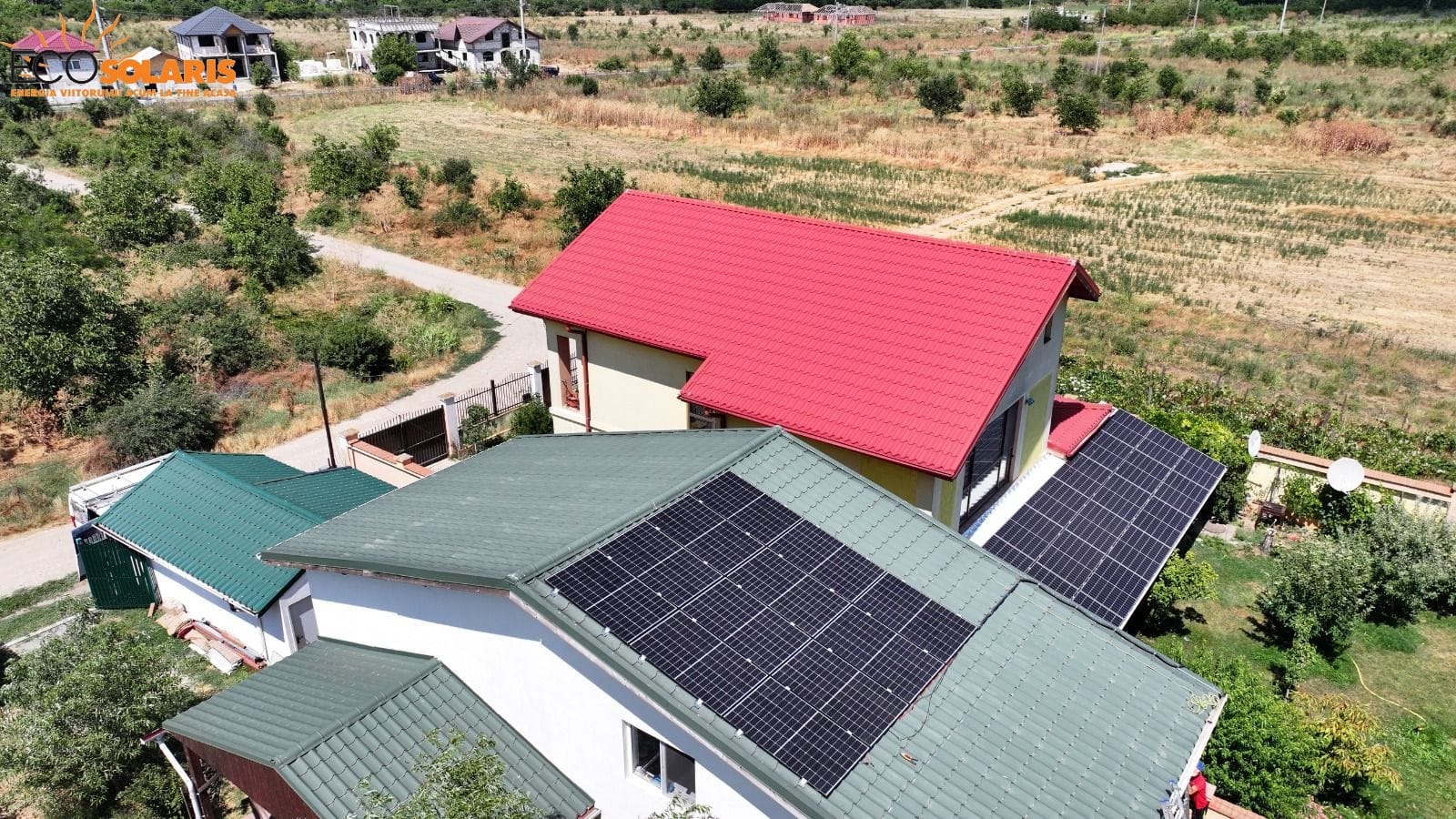



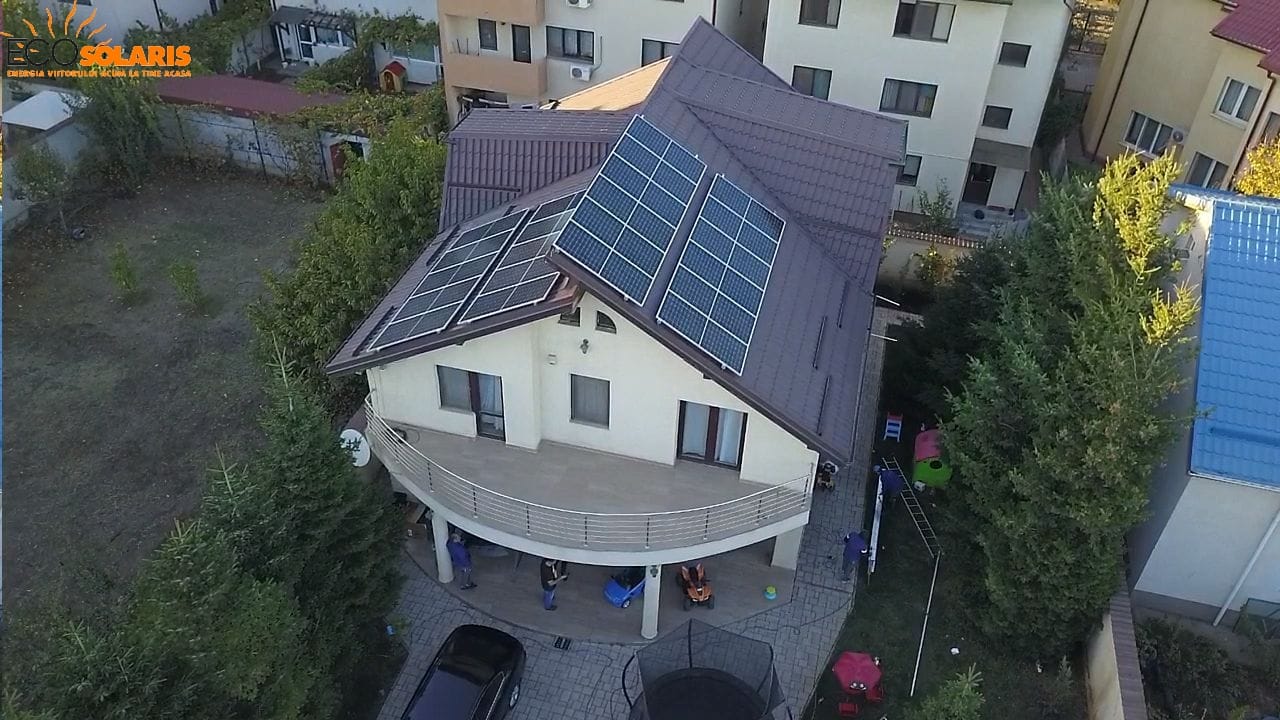
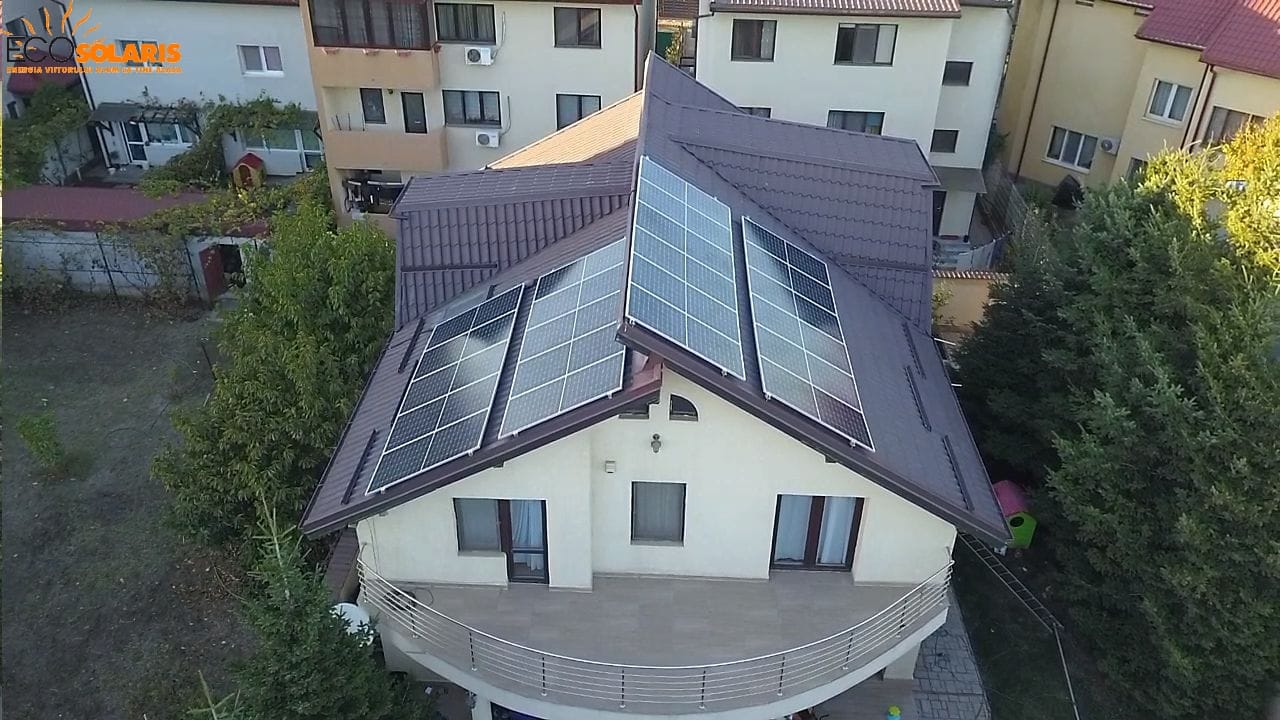
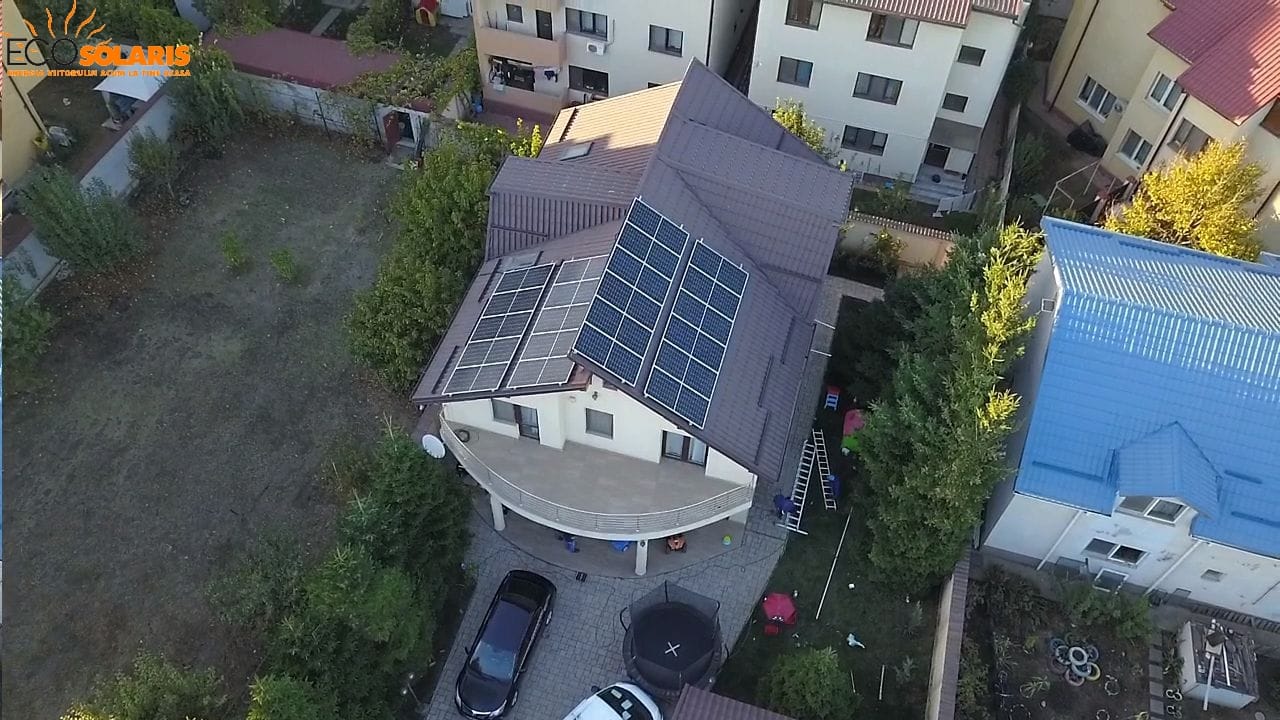

10 kWh On-Grid photovoltaic system
Efficiency, balance and performance in a complete solution
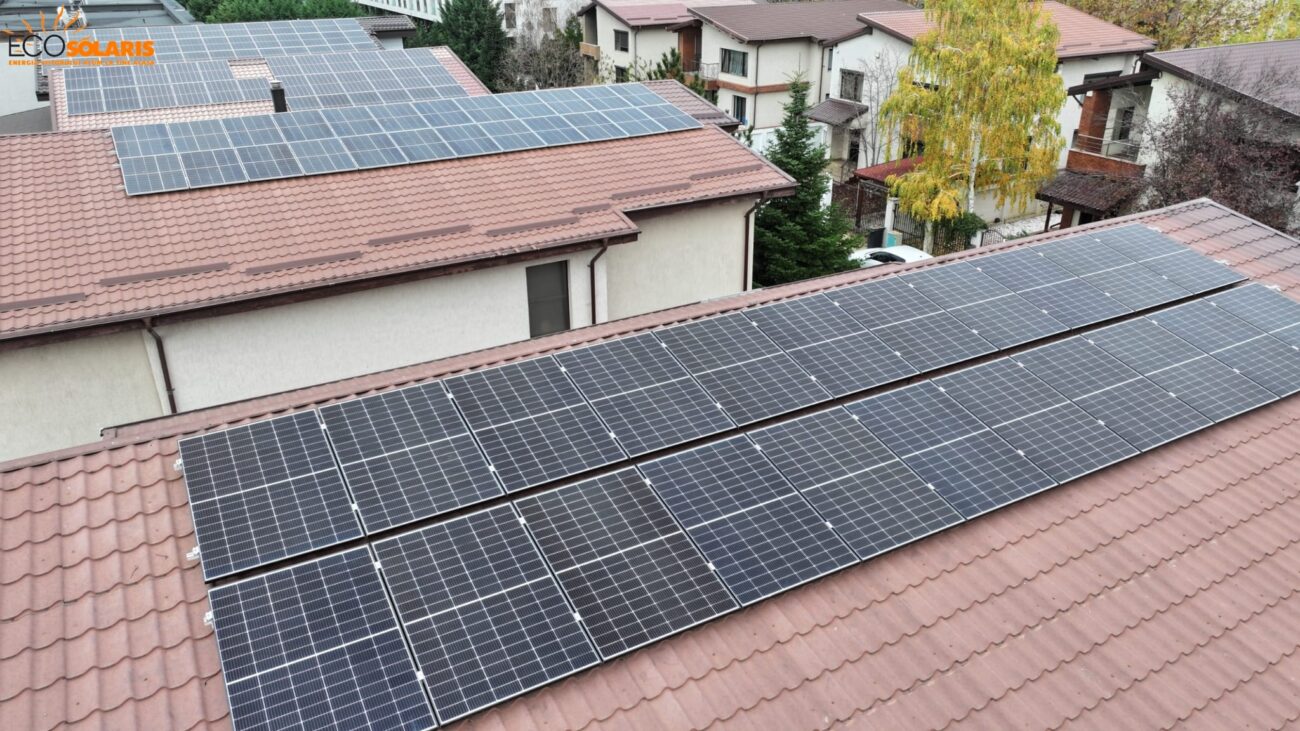
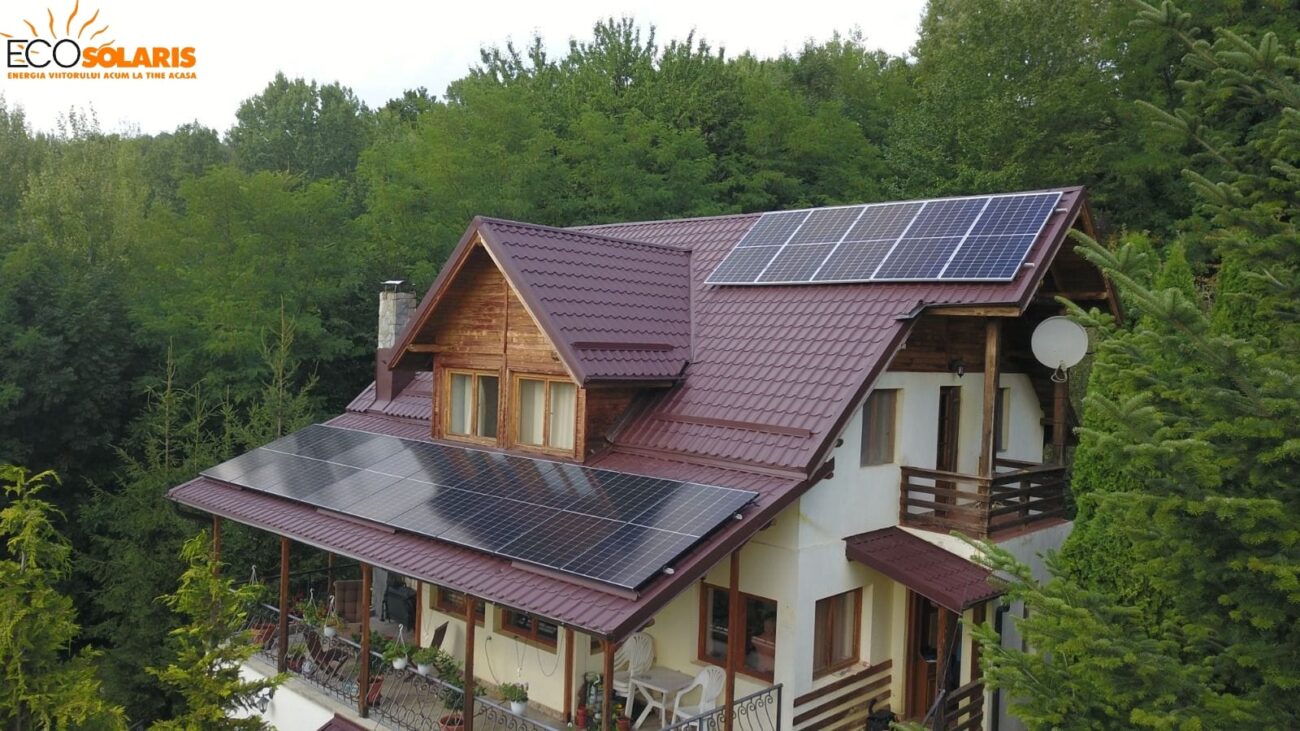
The transition to solar has become one of the most solid investments of recent years. Beyond the desire to reduce energy costs, more and more households and businesses are choosing to implement on-grid photovoltaic systems due to their efficiency, reliability and easy integration with the public grid. Next, we will analyze a photovoltaic system in detail on-grid of 10 kWh, equipped with Bauer panels, inverter Fronius Symo 10.0, Fronius smart meter, structure K2 Systems și protection board for two strings — a balanced, efficient configuration suitable for medium-sized residential or commercial applications.
1. What does an on-grid photovoltaic system mean?
Un on-grid photovoltaic system is directly connected to the public electricity grid. The energy produced by the panels is primarily used for own consumption, and the surplus is injected into the network, according to the rules established by the distribution operator. In the absence of solar production (night, overcast skies), the home or business consumes from the grid, thus ensuring complete energy continuity.
Unlike off-grid systems, which operate autonomously and require storage batteries, on-grid systems are more economical, technically simpler and do not involve battery maintenance. In addition, the use of a smart meter allows real-time energy flow monitoring, optimizing self-consumption.
2. Technical configuration – balance between performance and reliability
A 10 kWh on-grid system is not just a sum of components, but a technical harmony between them. Each element contributes to the overall efficiency and safety of the installation.
Bauer photovoltaic panels
The panels Bauer Solar are recognized for their German quality and high efficiency in various light conditions. With a yield frequently exceeding 21%, they use cells monocrystalline PERC, optimized for durability and thermal stability.
The Fronius Symo 10.0 inverter
Fronius Symo 10.0-3-M it is the heart of the system. This transformerless three-phase inverter offers an excellent balance between performance, safety and connectivity. Designed for large commercial or residential applications, Fronius Symo efficiently manages two independent strings of panels, ensuring optimal conversion of solar energy into alternating current.
Key features:
Maximum yield of 98%;
Full connectivity (LAN/WLAN, Modbus, Fronius Solar.web);
Perfect compatibility with Fronius Smart Meter for energy monitoring;
Robust design, active cooling and extended lifespan.
The Fronius inverter is also ready for the future – it can be easily integrated into a system of intelligent consumption monitoring or in a controlled self-consumption scenario.
Fronius Smart Meter – energy control and balance
One of the most important accessories of a modern photovoltaic system is the smart meter. In our case, Fronius Smart Meter it measures the energy flow at the point of connection between the system and the grid, providing accurate data on instantaneous consumption and production.
This functionality allows:
real-time monitoring of self-consumption;
limiting injection into the network, if requested by the operator;
optimizing the future sizing of a storage system (batteries); [#$$#]
detailed analysis of energy flow through the platform Fronius Solar.web.
In short, the smart meter turns the photovoltaic system into an "intelligent" system, capable of reacting to the real needs of the user.
K2 Systems mounting structure
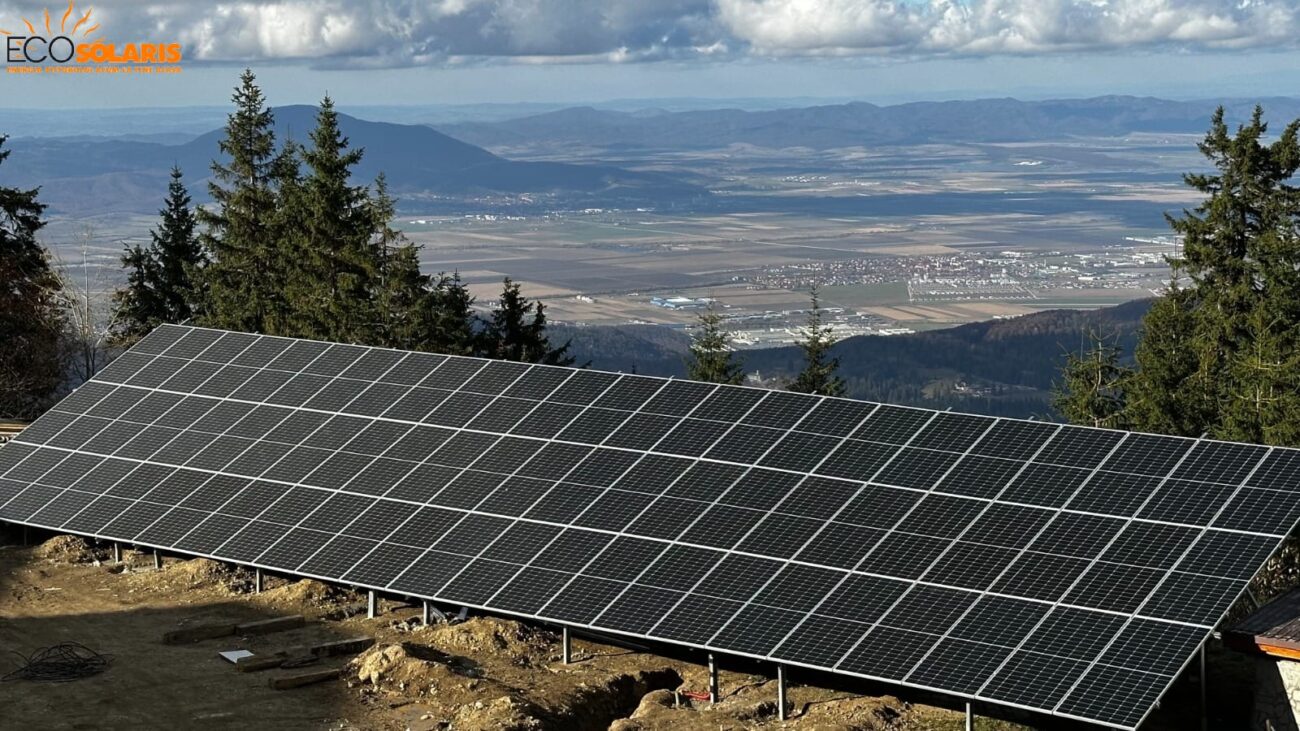
For the mechanical stability of the panels, the supporting structure is essential. K2 Systems, German manufacturer with a solid reputation, offers modular solutions compatible with all types of roofs – ceramic tile, corrugated sheet, terrace roof or ground system.
A well-designed structure ensures not only mechanical resistance, but also adequate ventilation of the panels, helping to maintain optimal performance over time.
Protection board for two strings
Electrical safety is a critical component. In the case of a 10 kWh on-grid system, a protection board for two strings (DC and AC). It includes:
fuses and surge arresters on each string;
main DC switch;
AC protections for the inverter;
earthing terminals.
These elements prevent damage to components in the event of voltage fluctuations or atmospheric discharges, ensuring safe operation and compliance with technical regulations.
3. Estimated performance and practical benefits
A correctly installed 10 kWh on-grid photovoltaic system can annually produce between 12,000 and 14,000 kWh, depending on the orientation of the roof and the level of local solar radiation. This production can fully cover the consumption of a large home or a small business, considerably reducing the electricity bill.
The main advantages:
High self-consumption: the energy produced is used directly by the consumer;
Reduction of monthly costs: significant long-term savings;
Full monitoring: via Fronius Solar.web and Smart Meter;
No major maintenance: on-grid systems do not involve batteries;
Extended life: over 25 years for the panels and over 10 years for the inverter.
4. Integration and monitoring via Fronius Solar.web
The platform Fronius Solar.web is an essential element for viewing system performance. Through the integrated Wi-Fi connection, the user can watch in real time:
daily, monthly and annual production;
own consumption and injection into the network;
possible error messages or inconsistencies;
advanced performance statistics.
Thus, the system becomes transparent, and data analysis allows continuous optimization of energy use.
6. Conclusion – sustainable efficiency in a balanced system
Un 10 kWh on-grid photovoltaic system, configured with Bauer panels, inverter Fronius Symo 10.0, smart meter, structure K2 Systems și protection board for two strings, represents a technically mature, balanced and energy efficient solution.
The combination of the performance of the components, the reliability of the German and Austrian brands and the complete compatibility between the equipment gives the user a system with a long life, constant yield and full control over his own consumption.
Through smart grid integration and real-time monitoring, this setup turns solar power into a predictable and reliable resource—a pragmatic step toward energy independence and sustainability.