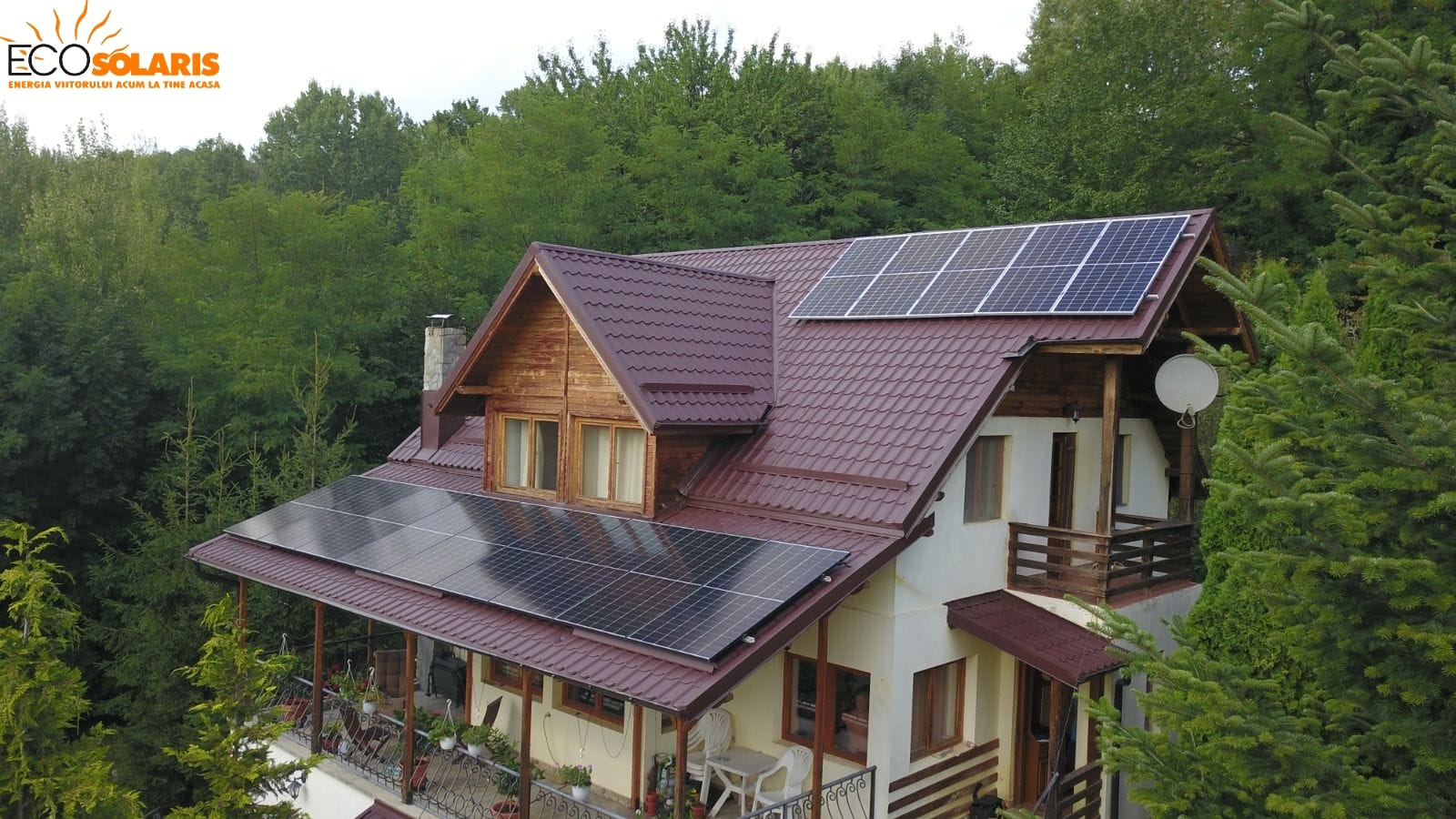




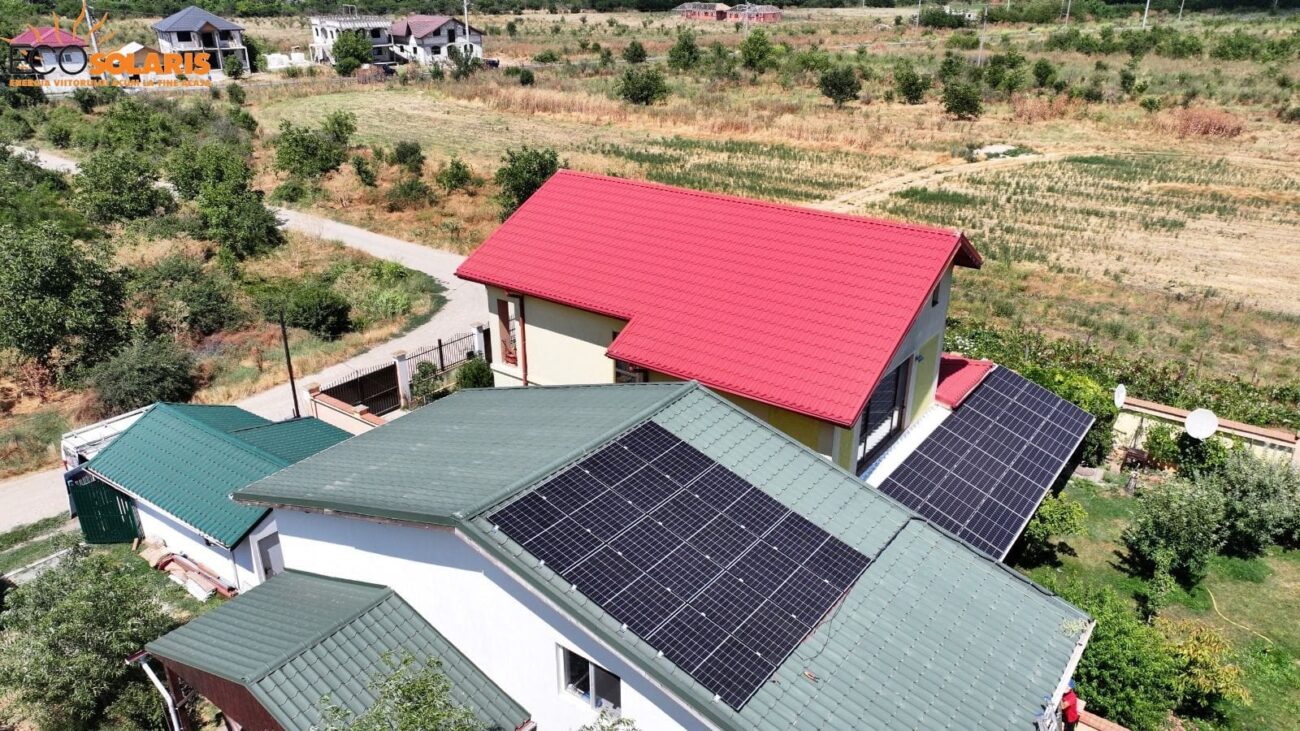
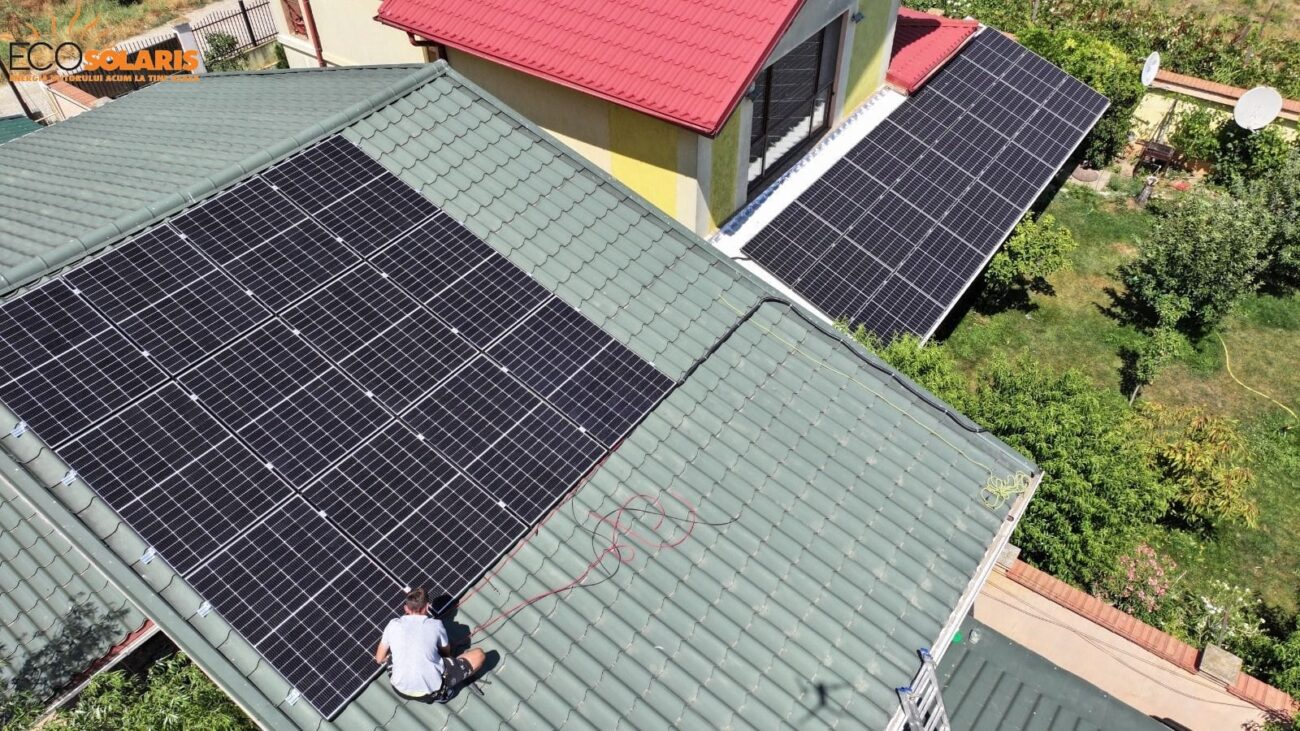
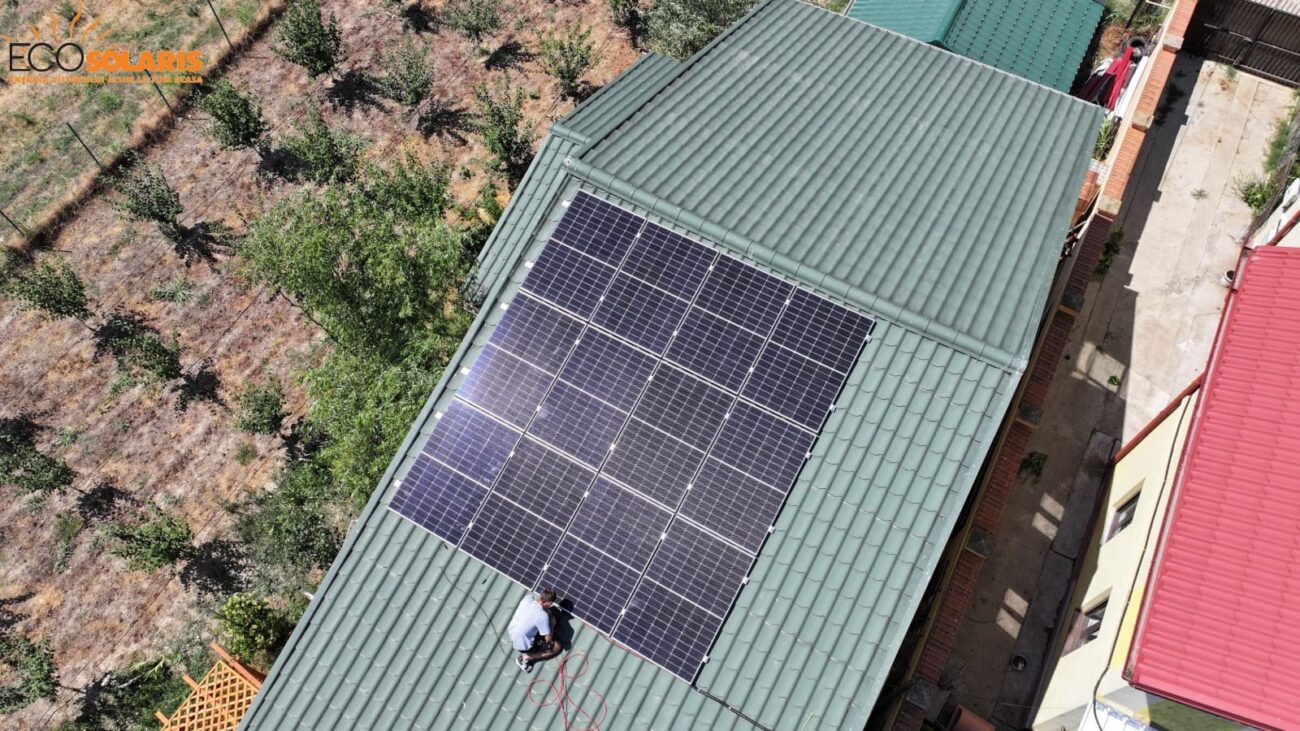
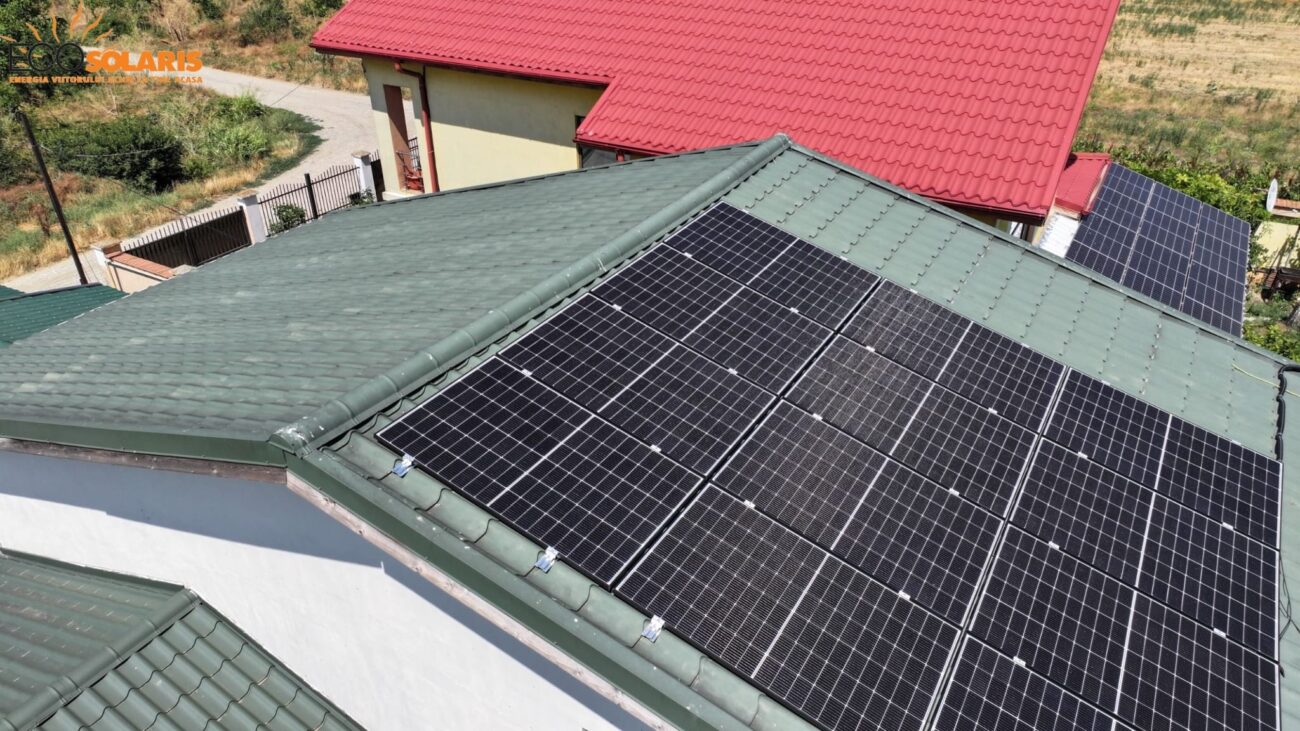
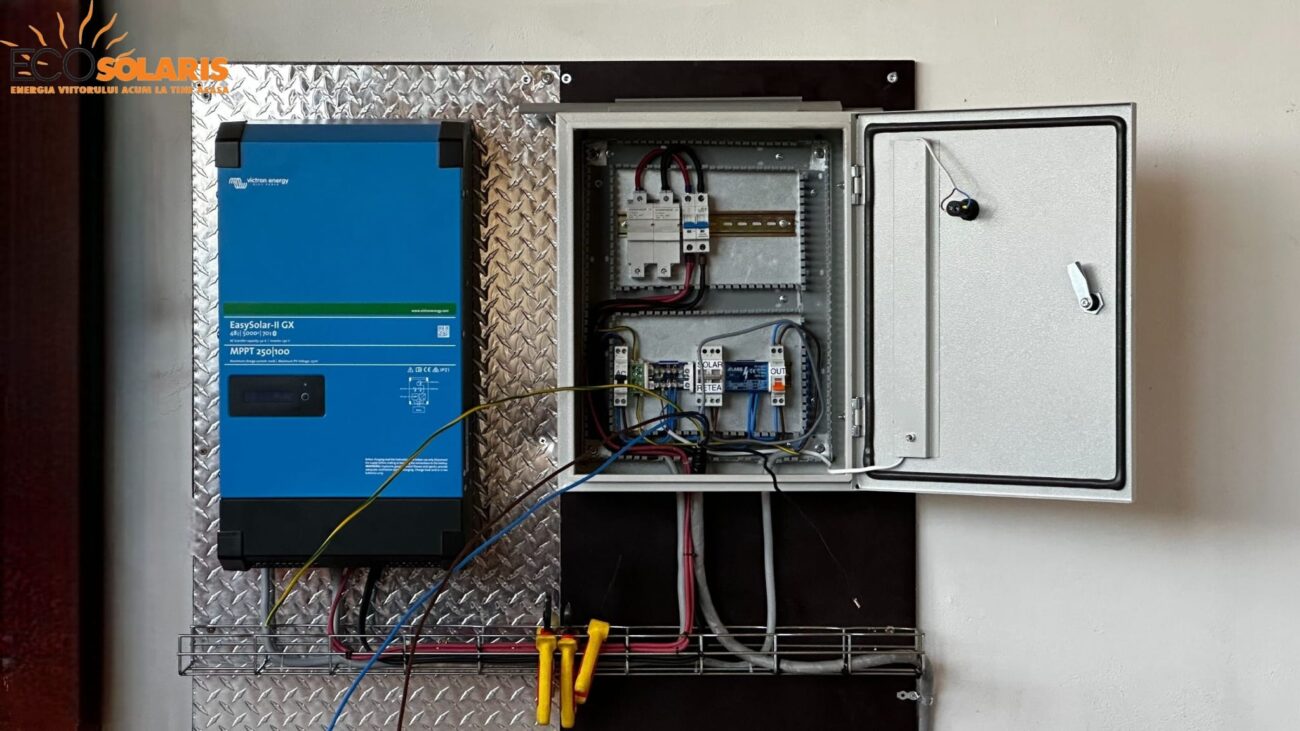
Hybrid photovoltaic system 5 kWp - storage 5 kWh
Efficiency, autonomy and intelligent control
Energy independence is no longer just an aspiration, but an increasingly necessary practical decision. Hybrid photovoltaic systems today offer the possibility to produce, store and manage your own energy, with remarkable efficiency and total control over consumption. Instead of being at the mercy of network fluctuations and constant rate increases, a well-configured system gives you predictability, security and long-term savings.
In this article, we present a 5kWp hybrid setup with 15kWh storage built with top-of-the-line equipment from Victron Energy, EcoSolaris and Bauer. It is a modern, reliable and scalable solution, ideal for users who want more than autonomy: they want full control over their own energy.
System configuration
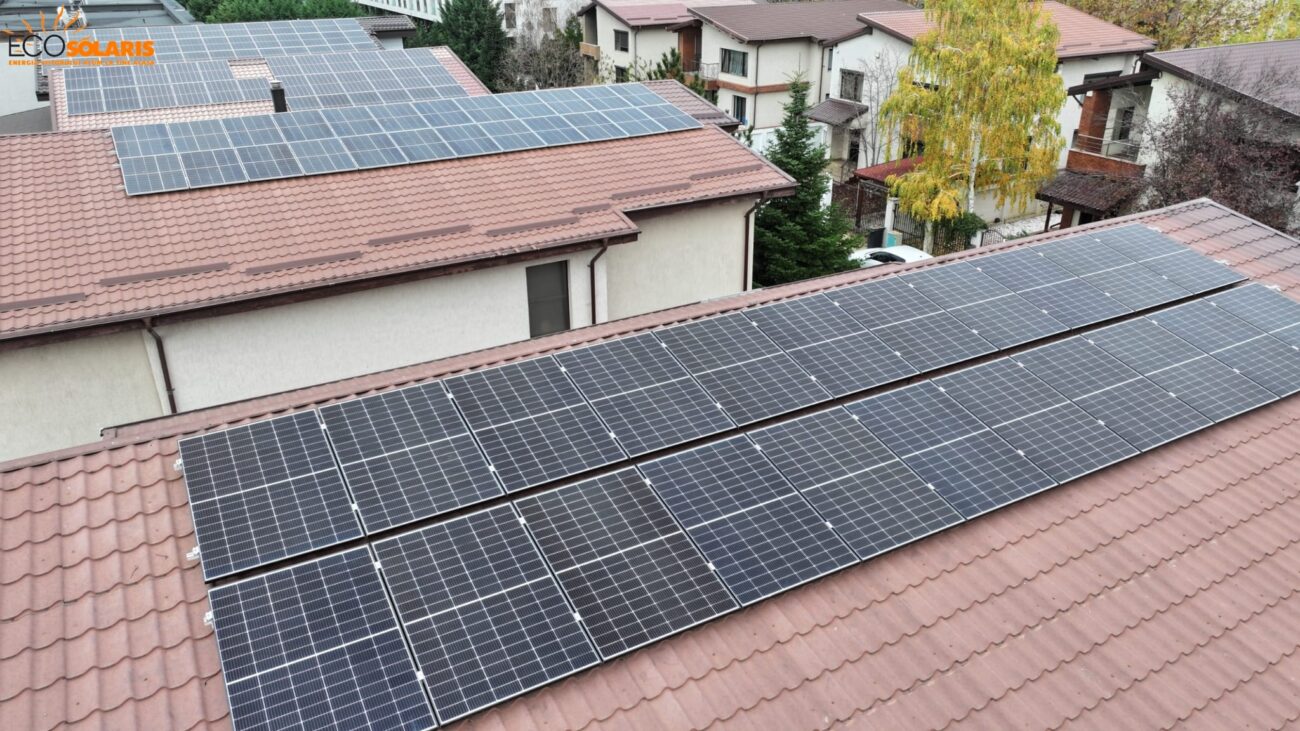
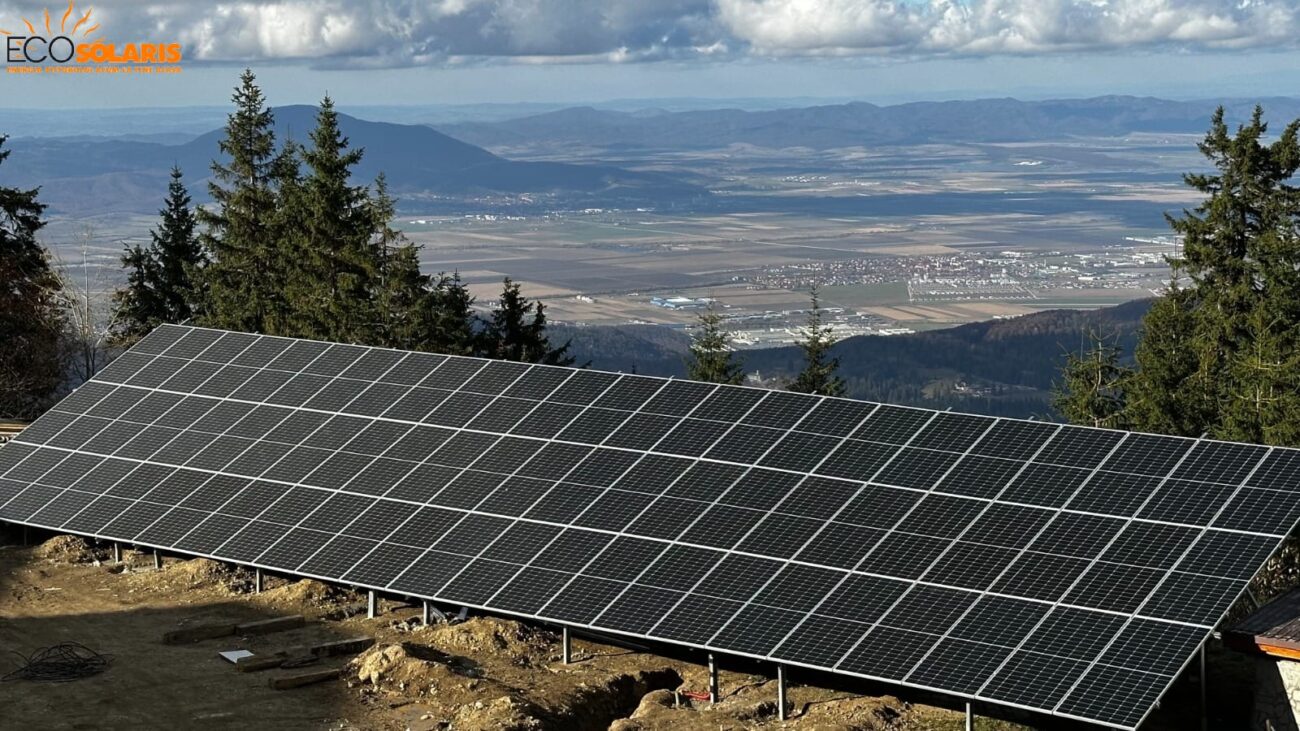
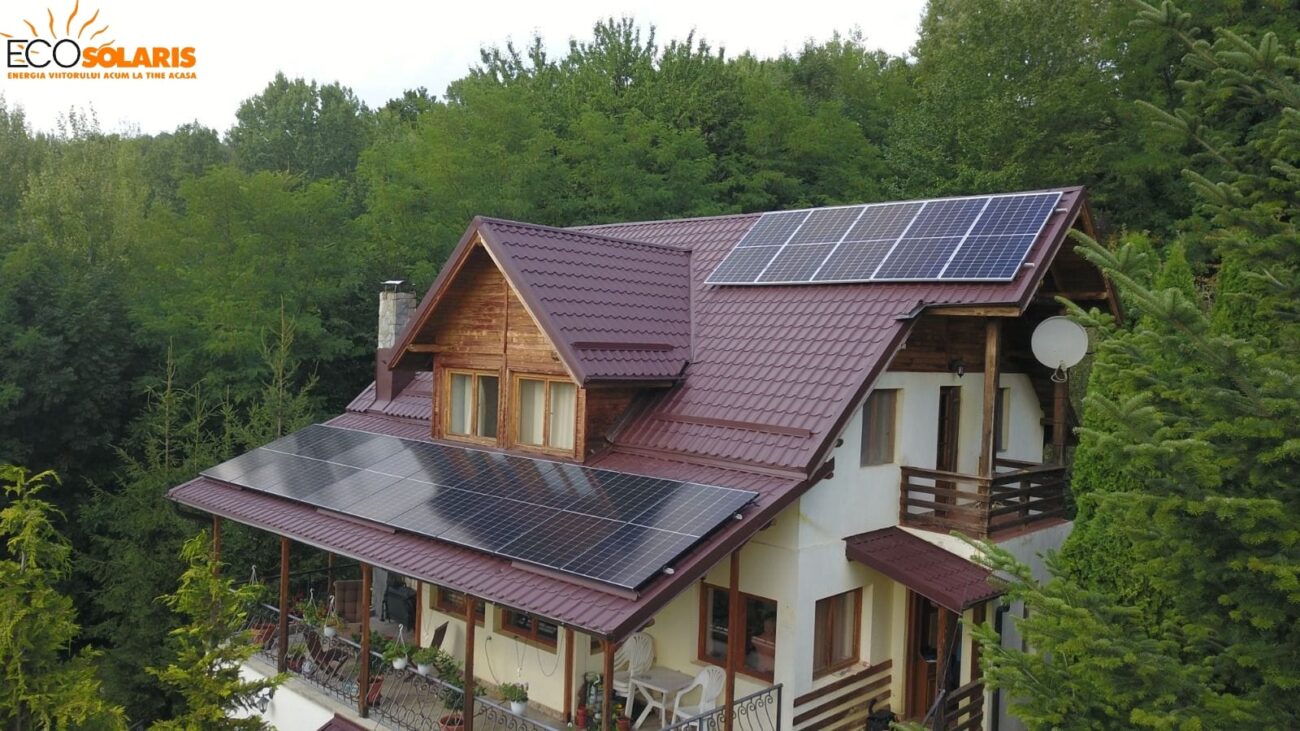
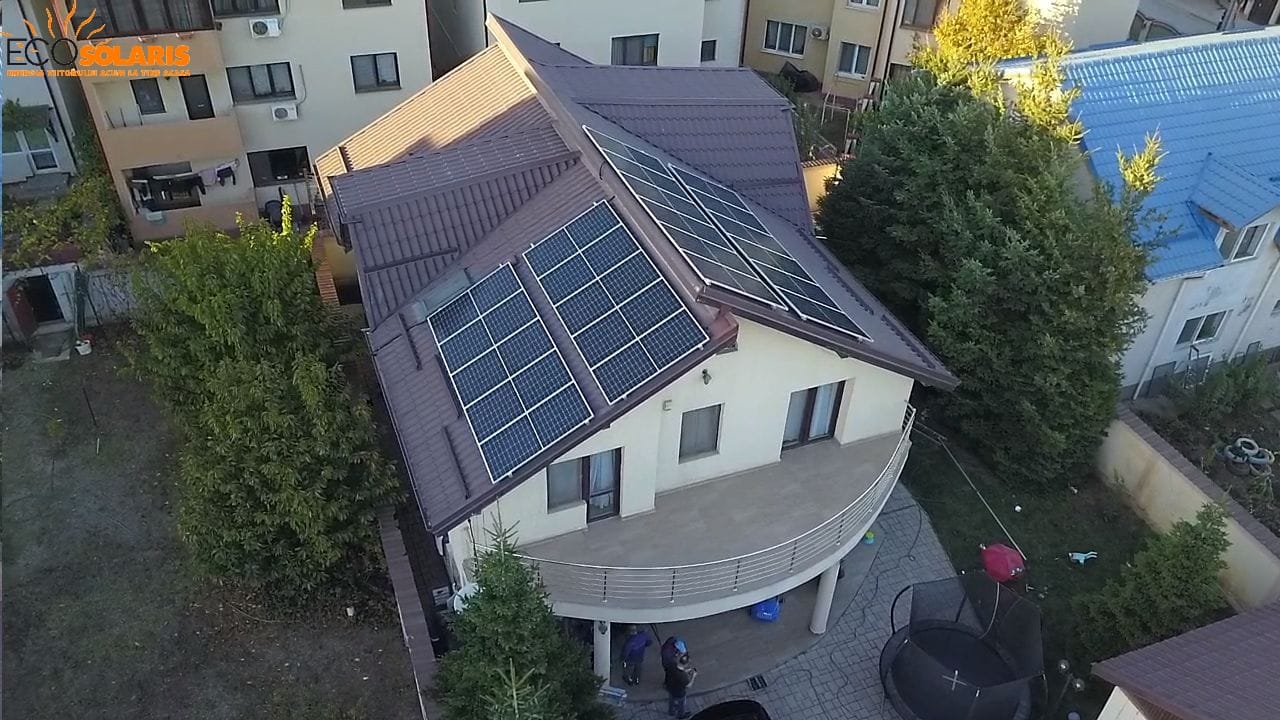
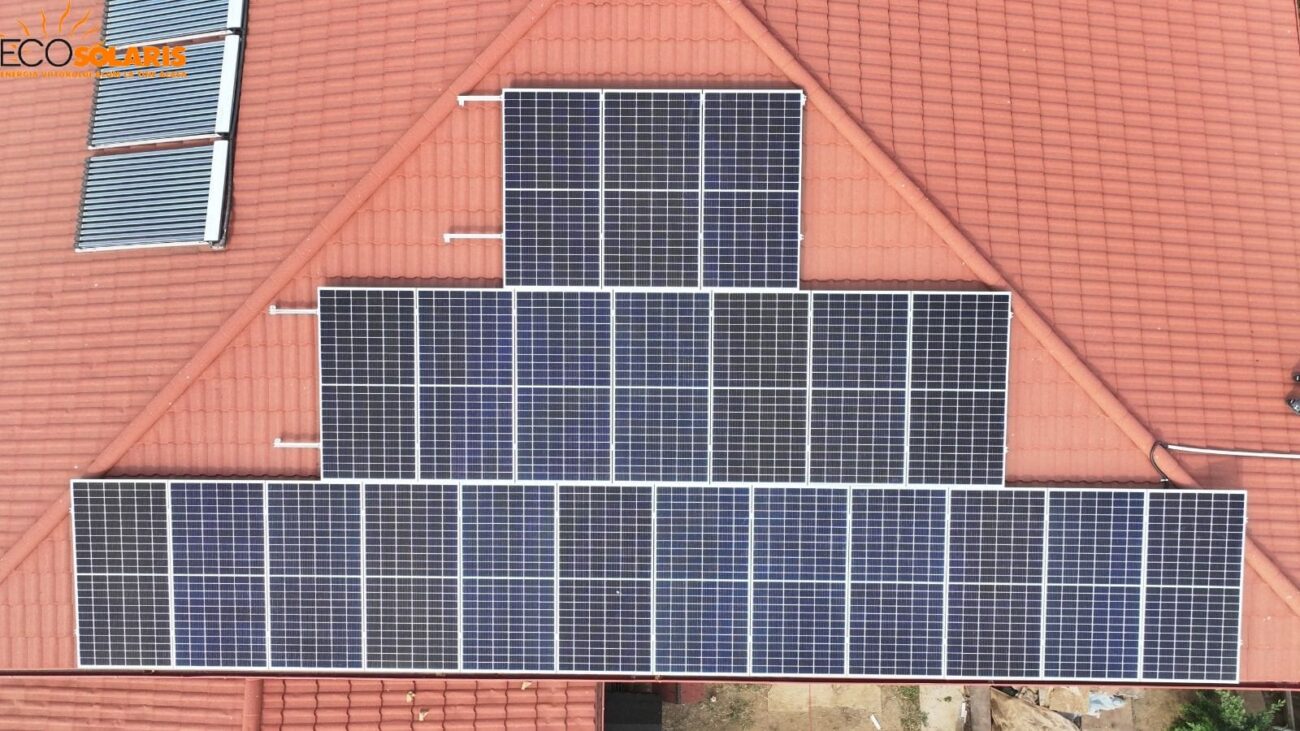
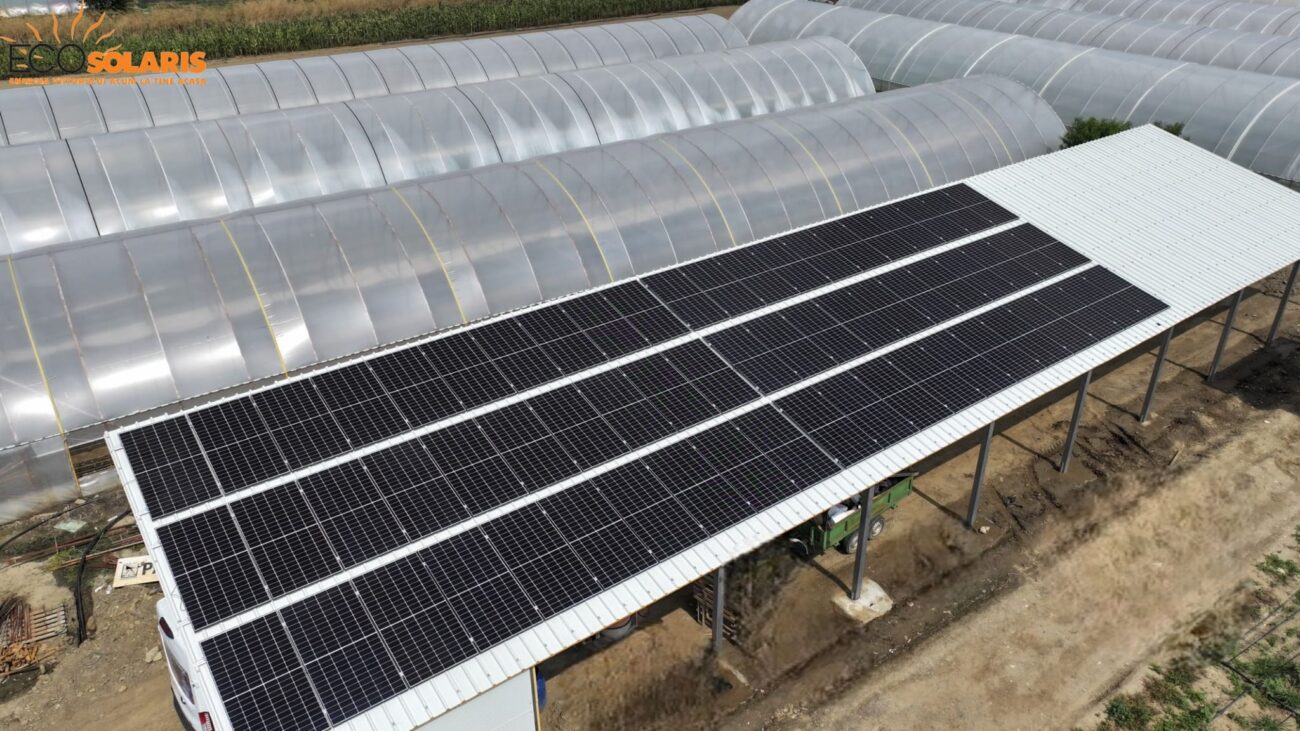
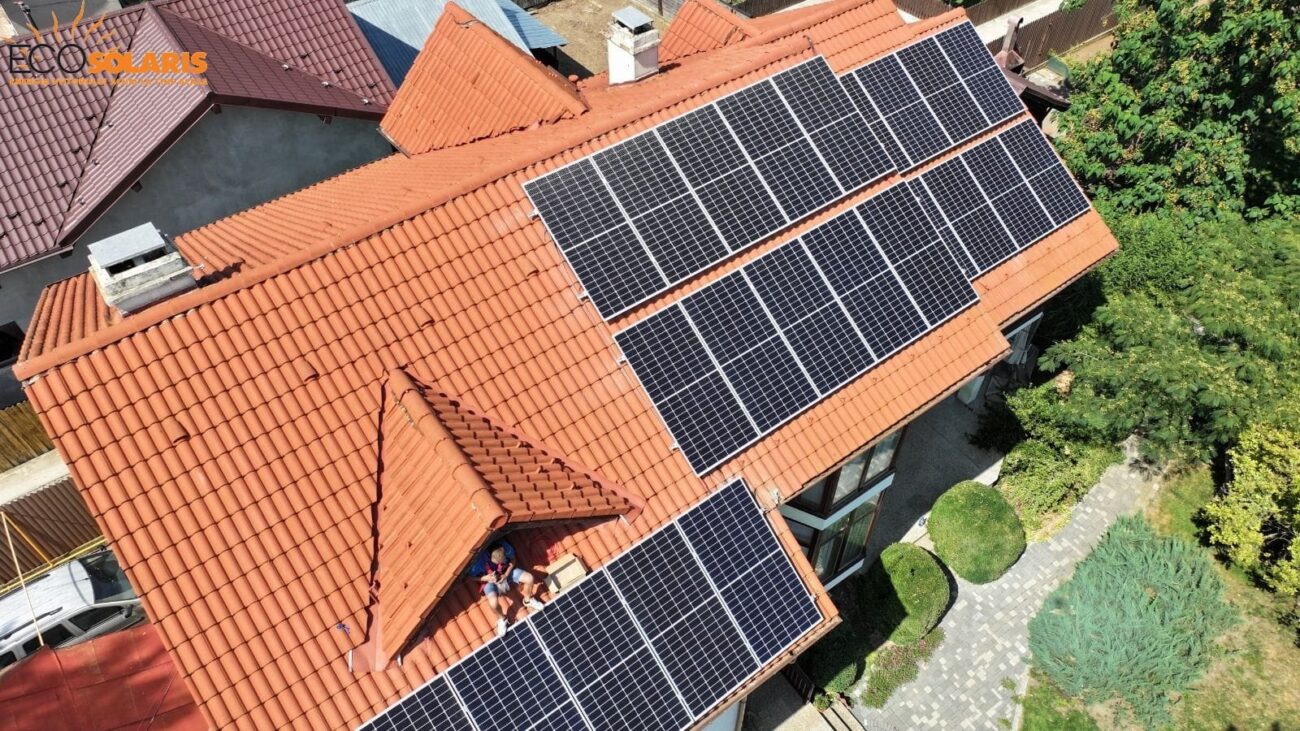
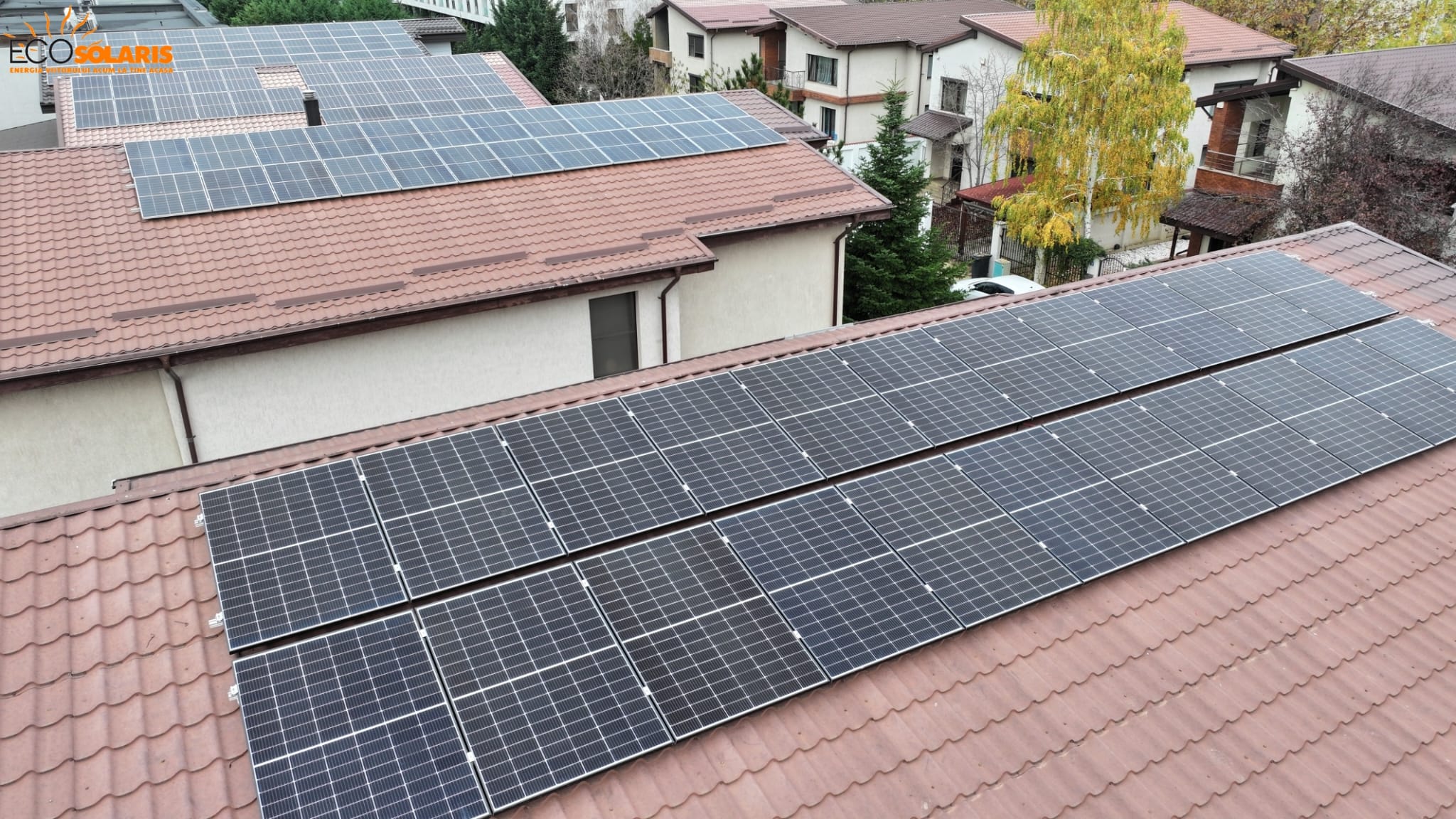
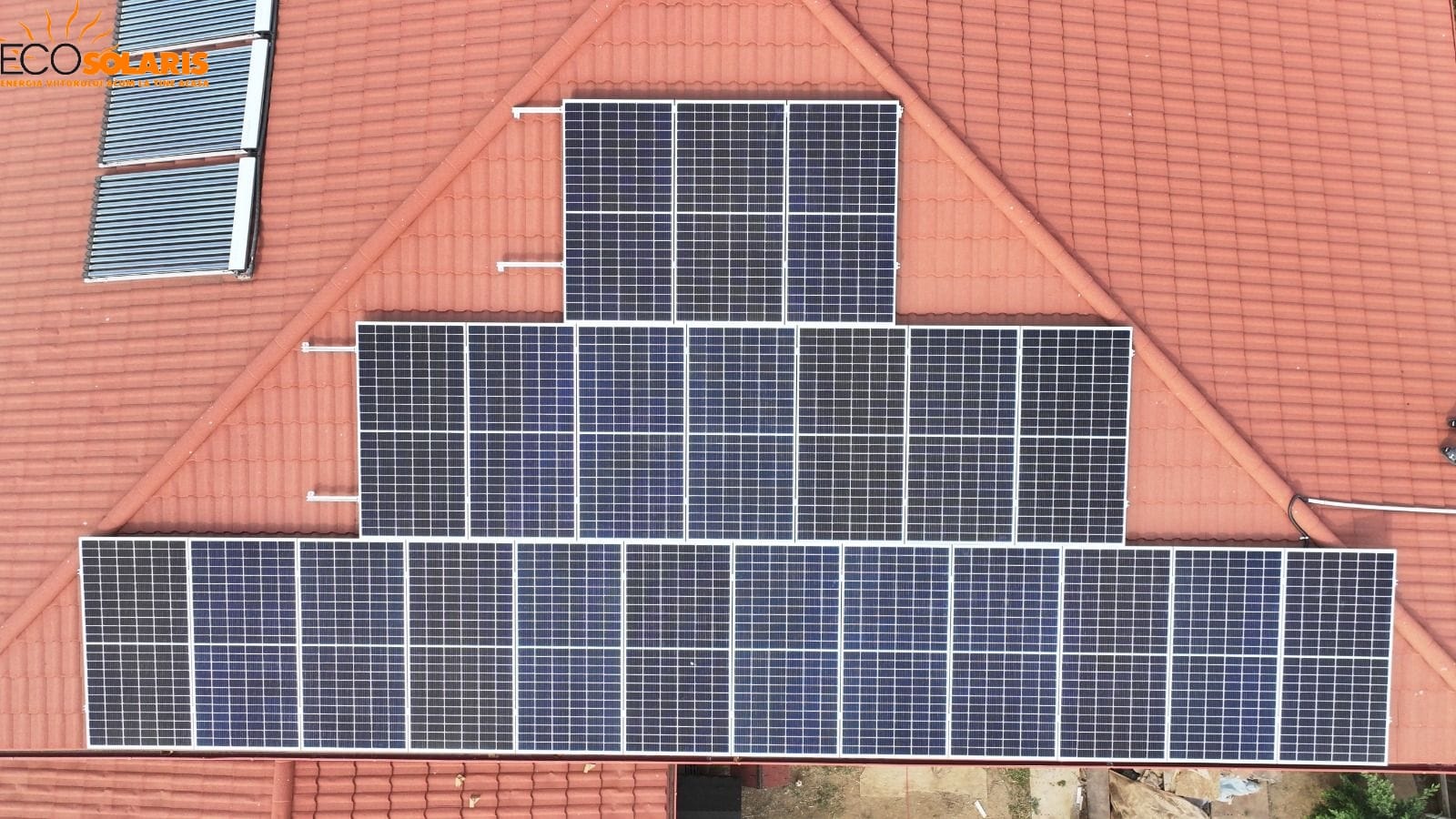
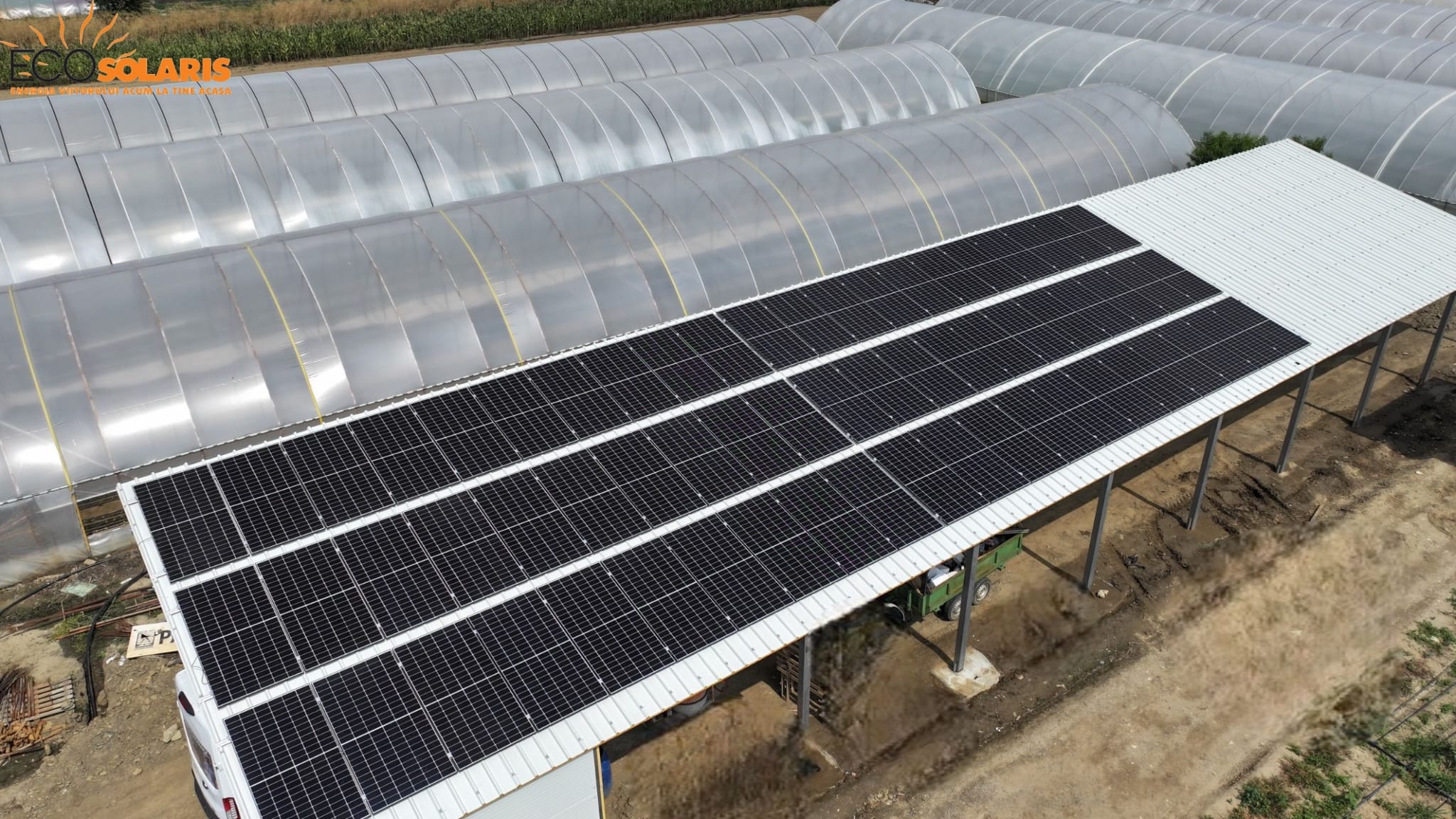
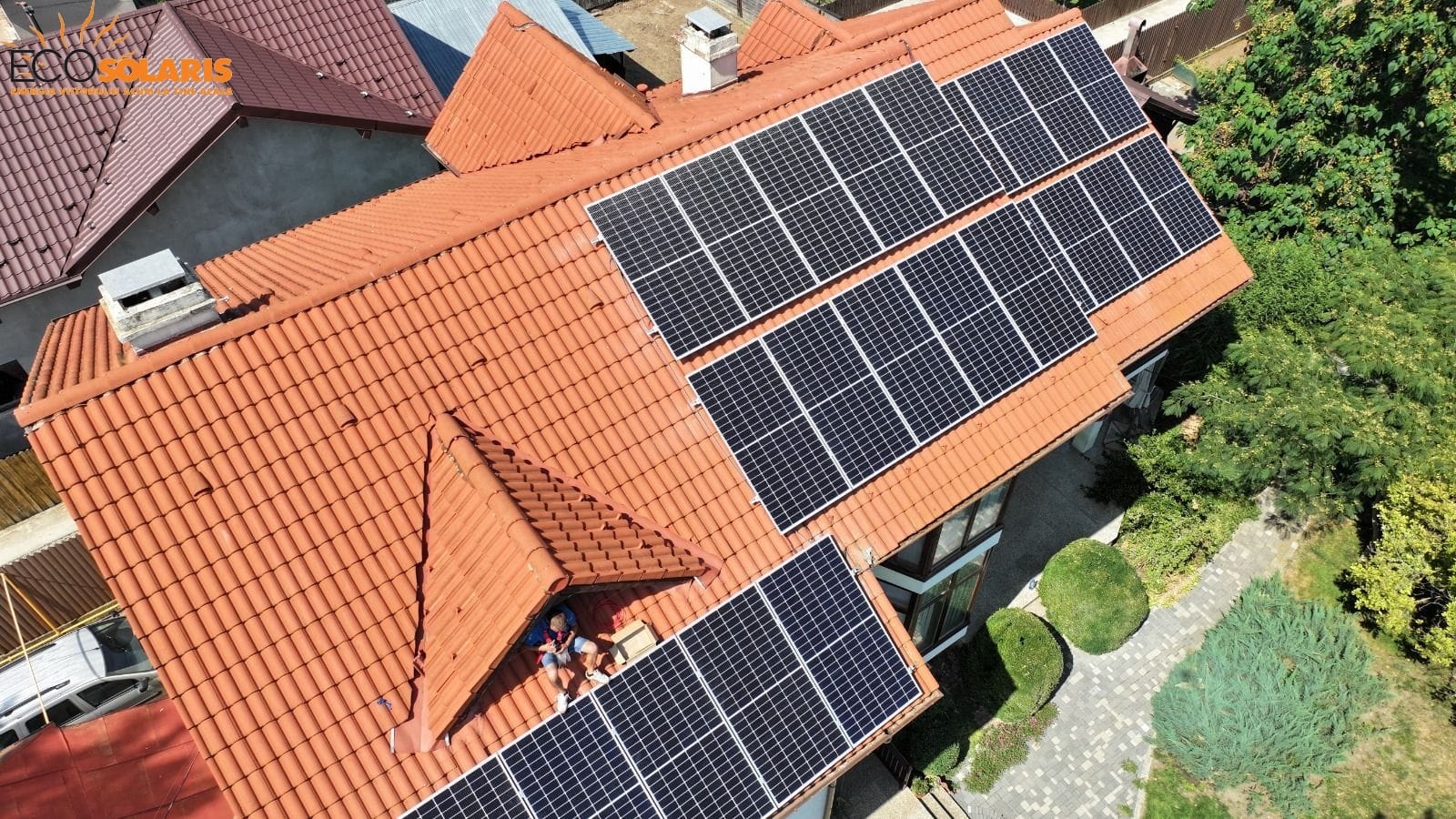
1. Photovoltaic panels Bauer 405W
Bauer monocrystalline panels are recognized for their high efficiency, reliability over time and resistance to high temperatures. They ensure constant production even in conditions of diffuse radiation, being ideal for urban or semi-urban areas.
2. K2 Systems fastening system
K2 is one of the most popular fastening solutions, adaptable to any type of roof. It ensures quick and safe installation with excellent wind and weather resistance.
3. Protection board for 2 photovoltaic strings
This panel includes essential protections along with surge, short circuit and reverse polarity safety devices. It contributes to the safety of the entire solar system.
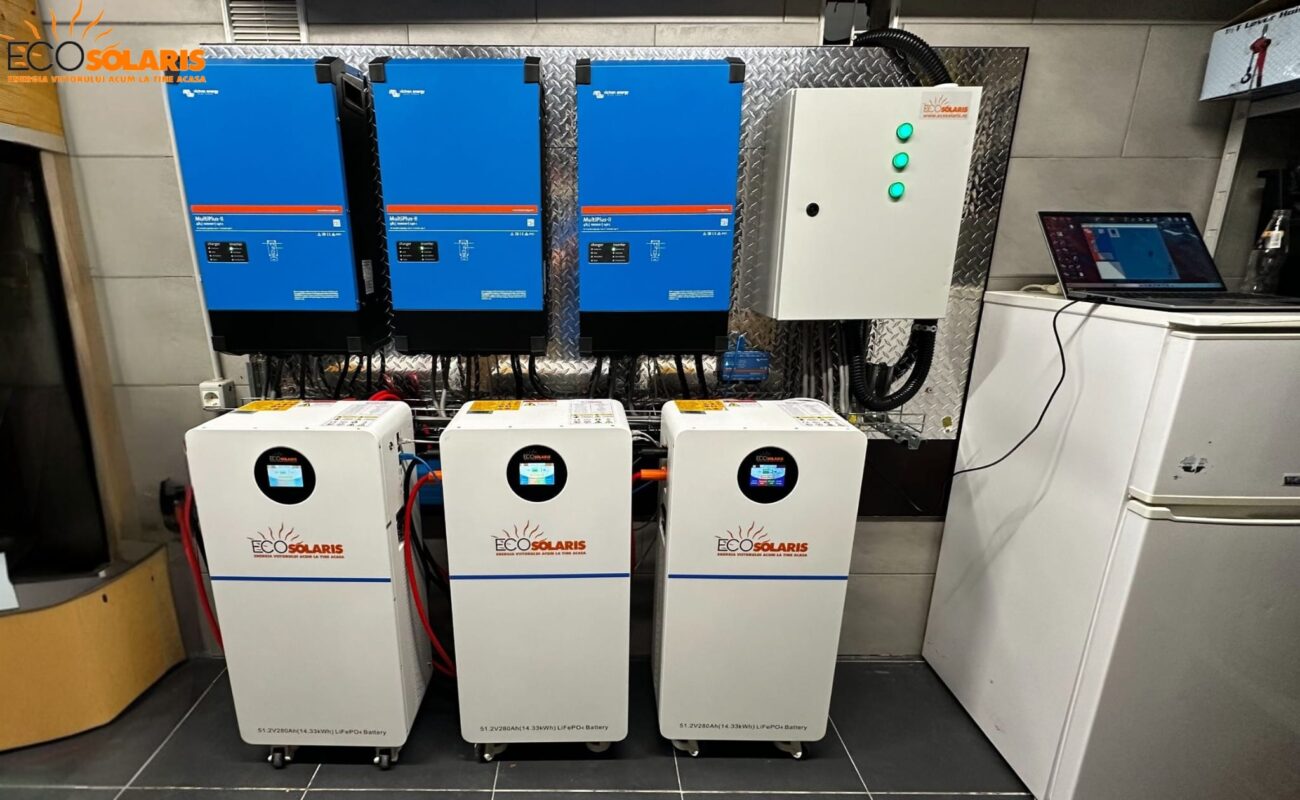
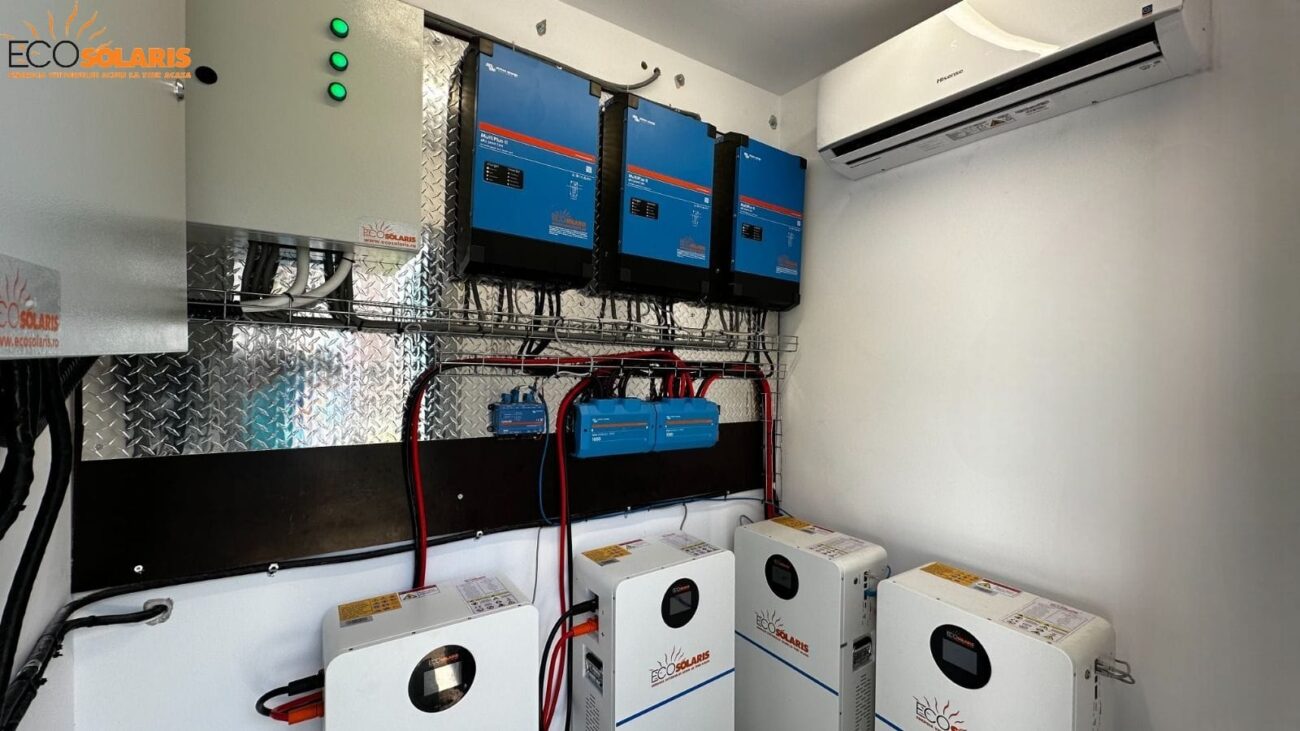
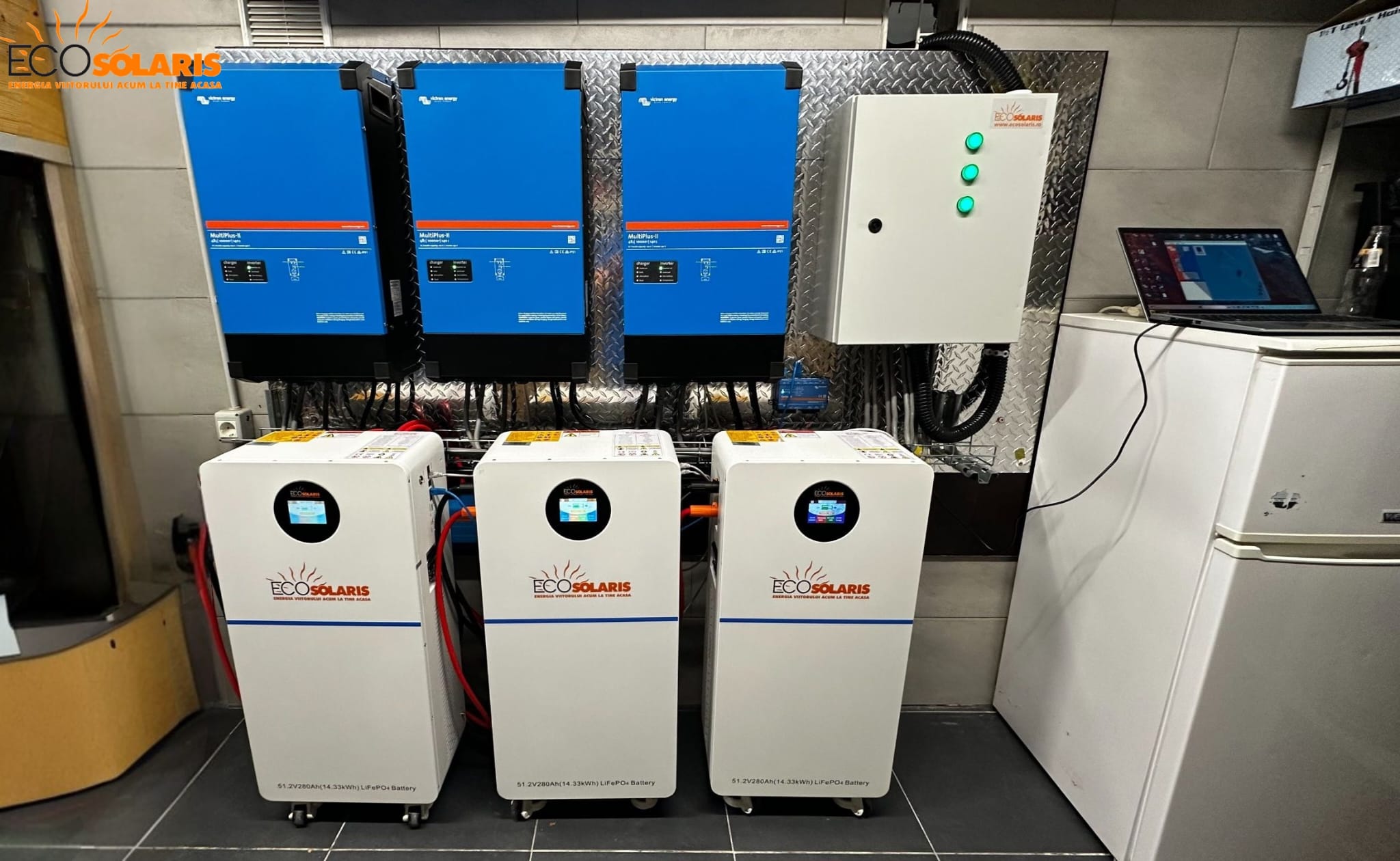
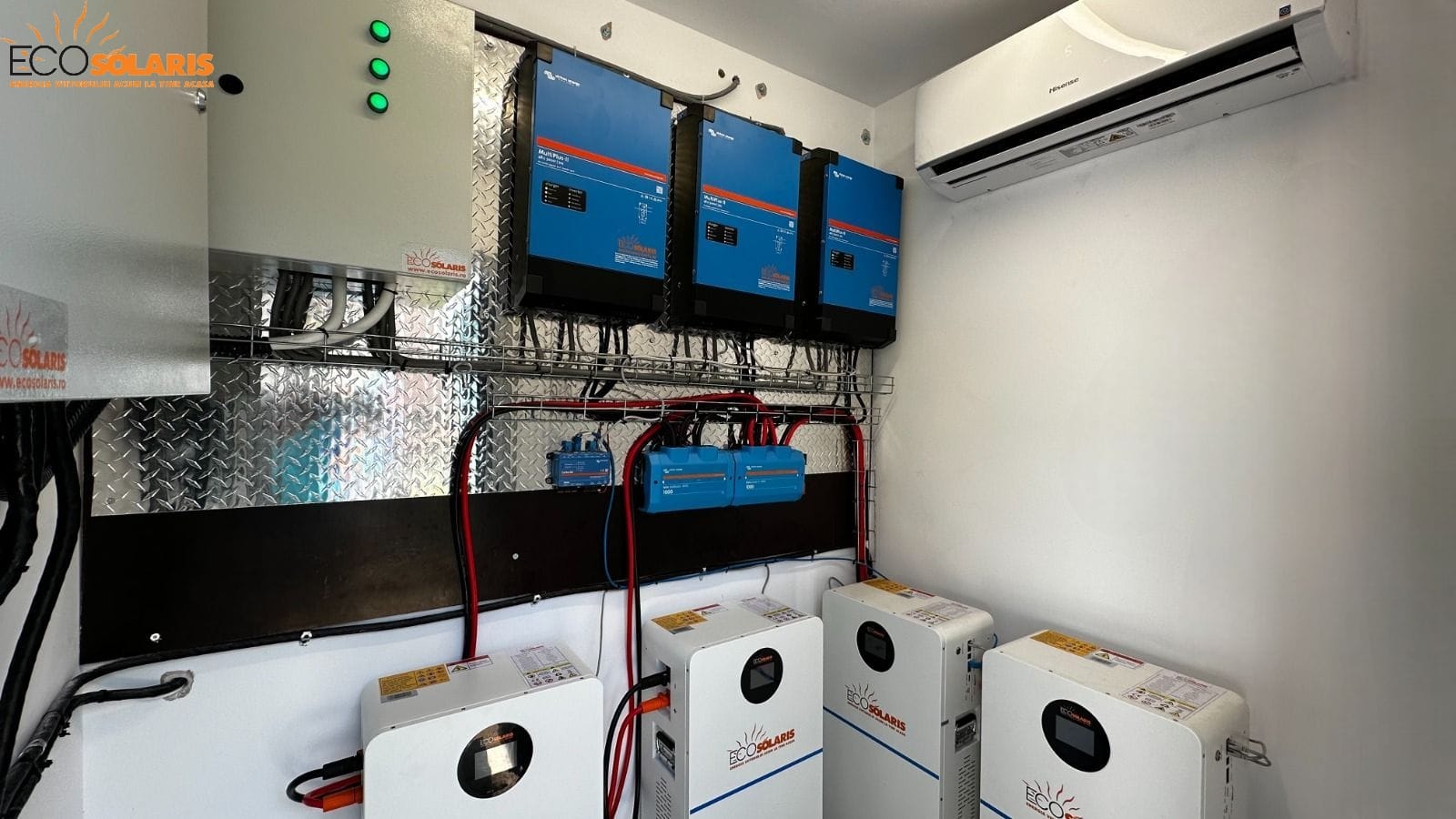
4. Inverter EasySolar-II 48/5000/70-50 Victron Energy
An all-in-one equipment that integrates inverter, MPPT controller and AC distribution panel. It is ideal for residential applications, offering excellent DC to AC conversion performance.
5. AC protection and automation panel
It ensures the separation and protection of alternating current circuits in the home. It is configured for automatic operation, switching essential tasks according to the availability of power.
6. Ruuvi temperature and humidity sensor
A critical element for environmental monitoring and optimization of operating parameters, especially in technical rooms or equipment storage areas.
7. Battery LiFePO4 EcoSolaris 15 kWh
Lithium-Iron-Phosphate technology offers excellent energy density, over 6000 charge and discharge cycles, high chemical safety and a long service life. This model provided by EcoSolaris ensures the continuous supply of important consumers.
How does a hybrid photovoltaic system work?
A hybrid system combines the advantages of on-grid and off-grid solutions. The energy produced by the panels is directed to household consumption, and the surplus is stored in batteries or injected into the grid (if applicable).
At night or during cloudy periods, the consumption is taken from the batteries. The EasySolar-II inverter automatically manages energy sources and prioritizes self-consumption. The MPPT regulator optimizes the production from the panels, and the Cerbo GX allows local and remote monitoring.
In the event of a power failure, the system can operate in back-up mode, supplying essential loads. This flexibility is what differentiates a hybrid system from a classic on-grid one.
The benefits of the 5 kWp system with 15 kWh storage
Partial autonomy: It greatly reduces the dependency on the public network.
Energy control [#$$#]: Victron apps enable consumption and production tracking in real time.
Automatic backup: Provides power for critical appliances in the event of a power outage.
Optimized performance: MPPT technology maximizes output from panels.
Reduced costs: Energy bills are significantly reduced and the system pays for itself in 6 to 8 years.
Myths about hybrid systems
Myth 1: They are only for isolated areas.
This is a common misconception. While hybrid systems are great for off-grid locations, they are equally useful in urban or suburban areas. Frequent power outages, the desire for energy independence or the reduction of bills justify the investment even in areas with permanent network access.
Myth 2: They are difficult to use and require constant maintenance.
In reality, Victron technology and the integration of all-in-one systems (such as EasySolar-II) make daily operation automatic. Monitoring is done through intuitive applications and most systems operate autonomously with minimal maintenance (annual checks and software updates).
Myth 3: It never depreciates.
Depreciation of a hybrid system varies depending on user consumption, local energy costs and any available subsidies. With optimized average consumption, the systems can pay for themselves between 5 and 8 years, after which they generate direct savings.
Myth 4: They are too expensive for an average home.
The initial costs may seem high, but they are justified by monthly savings, increased property value and protection against energy rate increases. Moreover, the solutions are scalable and can be implemented in stages.
Myth 5: They are not compatible with the public network.
Conversely, a well-designed hybrid system can seamlessly integrate into the public grid and operate in self-consumption, surplus injection or backup mode, depending on user preferences and local regulations.
Thus, the 5 kWp hybrid photovoltaic system with 15 kWh storage is a smart investment in autonomy, efficiency and sustainability. Using top technologies and high-quality charging and conversion equipment, this system adapts to the real needs of a modern home.