



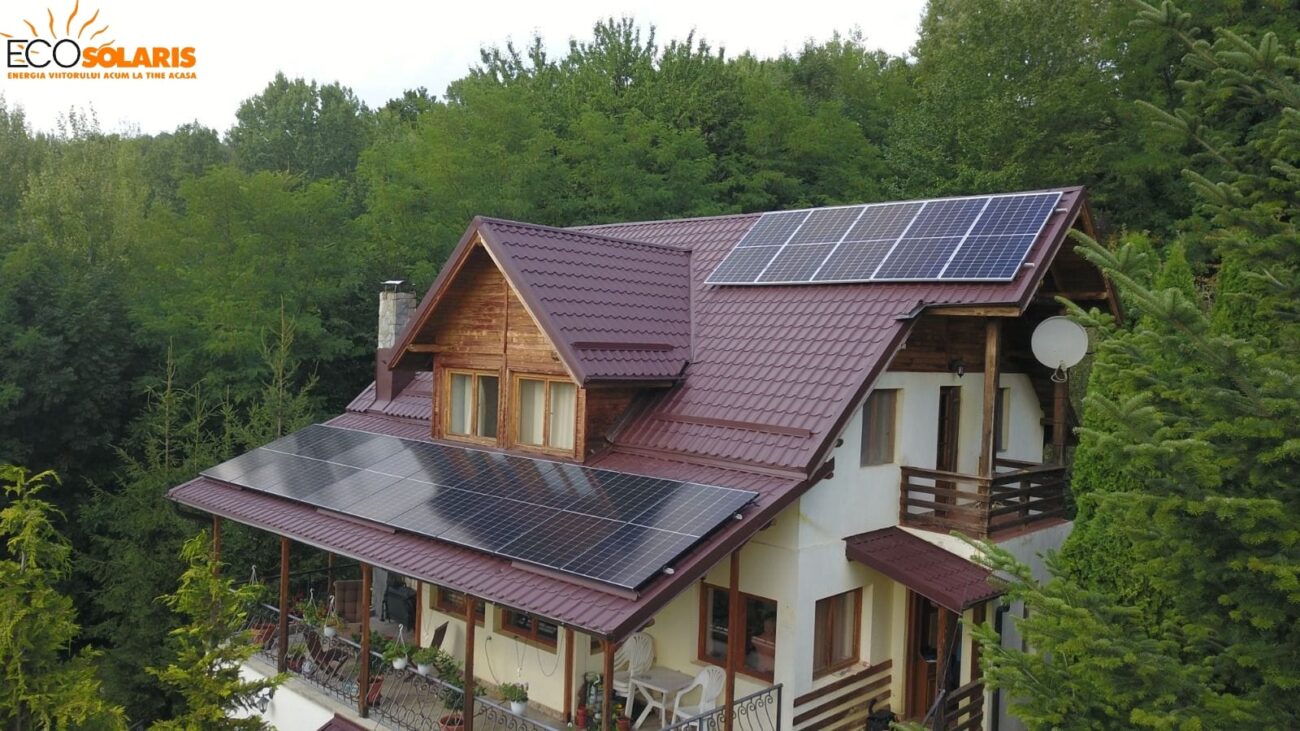
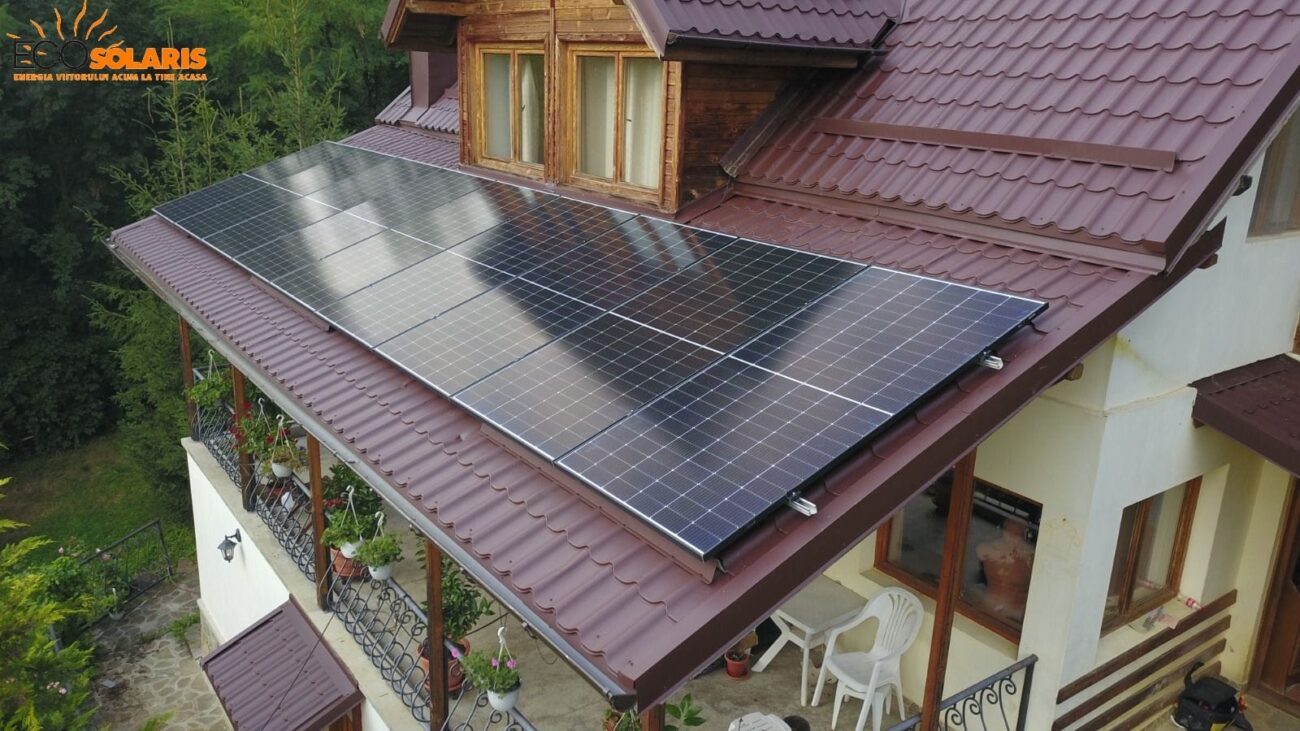


Hybrid photovoltaic system 10 kWp
A hybrid solution optimized for long-term efficiency and reliability
Against the background of technological developments and the growing need for energy efficiency, hybrid photovoltaic solutions are becoming a natural choice for those who seek independence and control over their own consumption. A 10kWh three-phase hybrid system built with Victron Energy, EcoSolaris and Bauer equipment offers a balanced approach between performance, reliability and intelligent energy management. In what follows, we analyze the architecture of this system, the main components and how they work together to ensure a complete, modern and efficient energy solution.
General system architecture
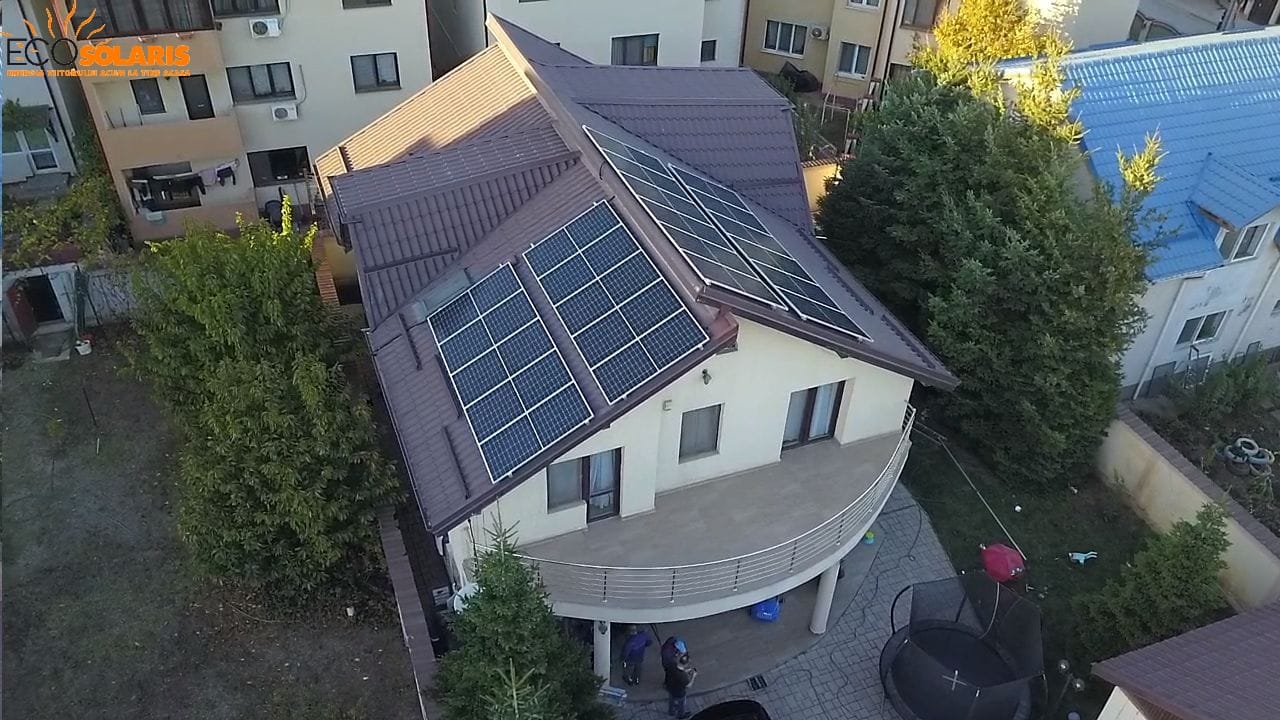
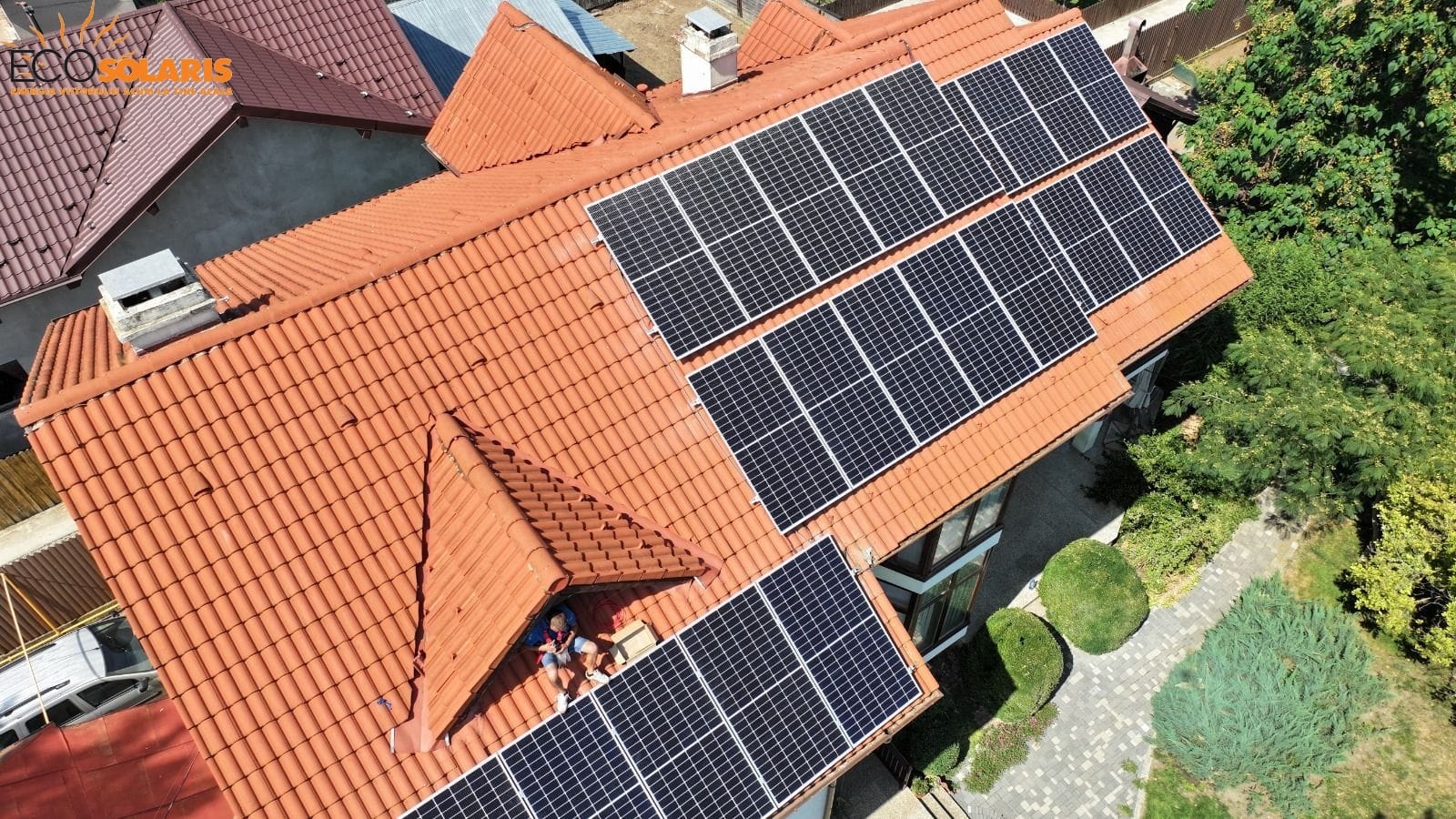
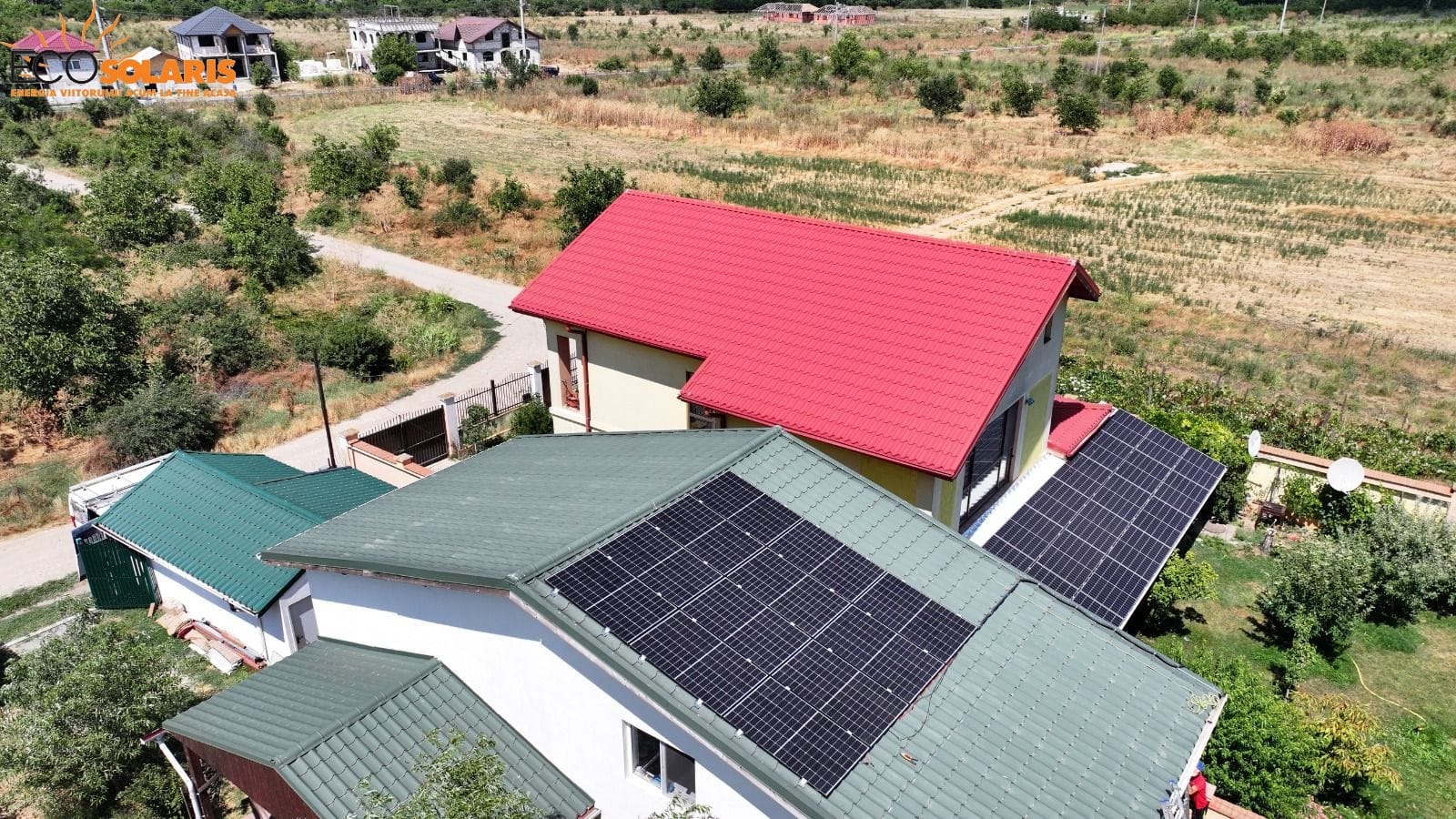
The system is designed for three-phase operation, providing a balanced and stable power supply in residential or commercial applications. With a total storage capacity of 15 kWh, provided by the 280Ah LiFePO₄ EcoSolaris battery, and with solar production generated by the 450 W Bauer panels, the system offers a high level of autonomy and efficiency. The Victron Energy architecture ensures complete interconnection between components, coordinating power flows and internal protections for continuous, safe and optimized operation.
Hybrid photovoltaic system equipment
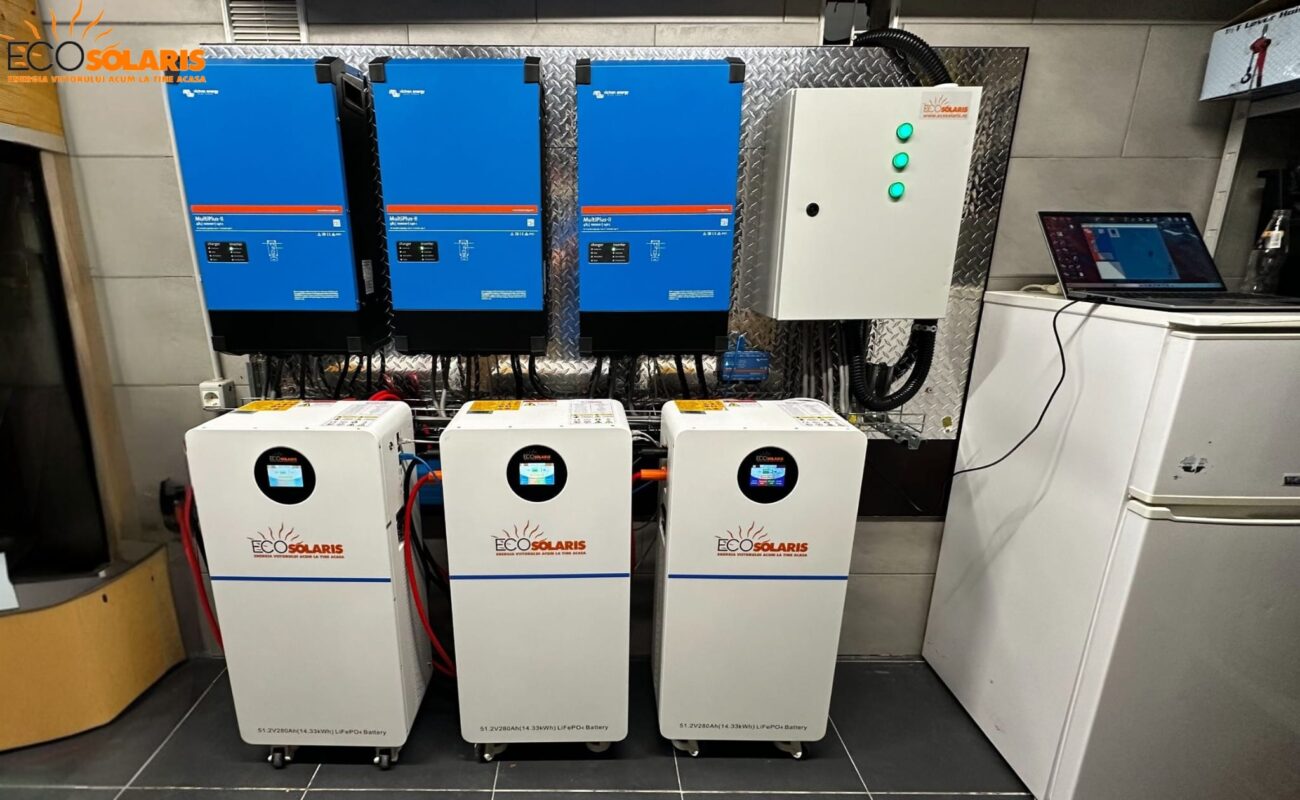
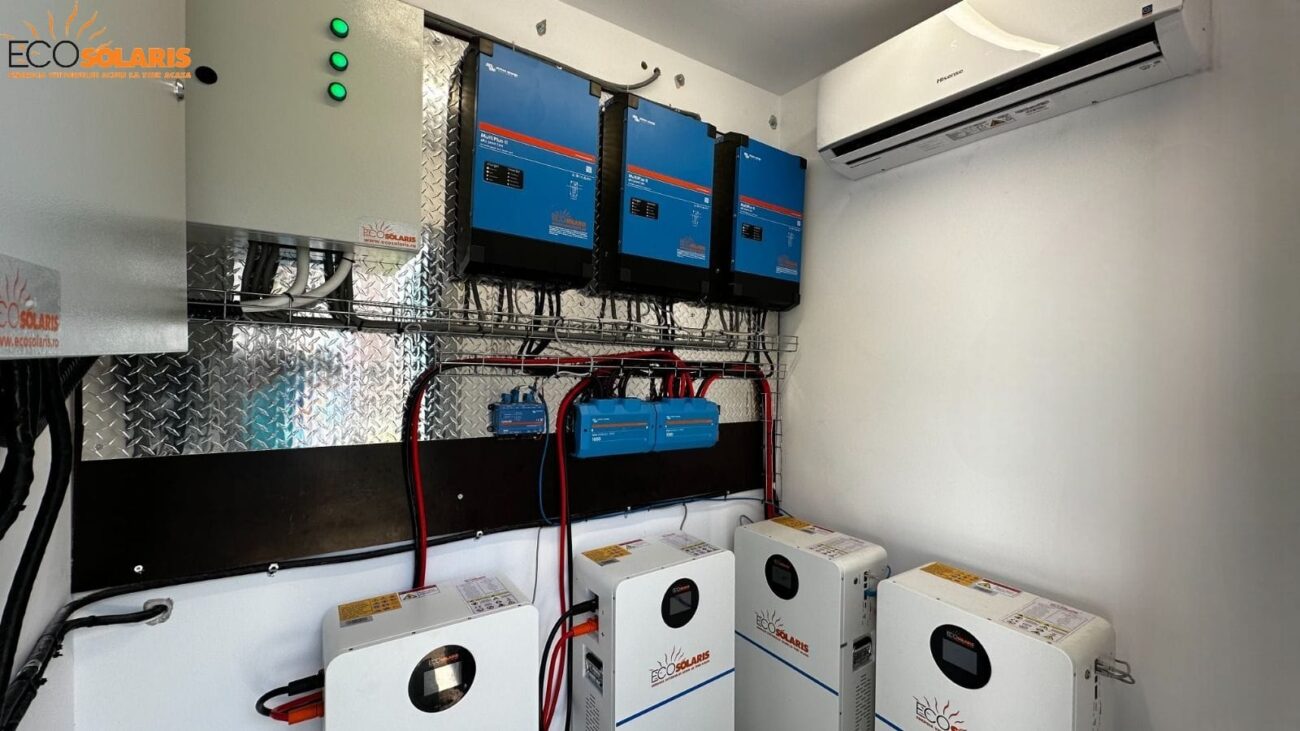
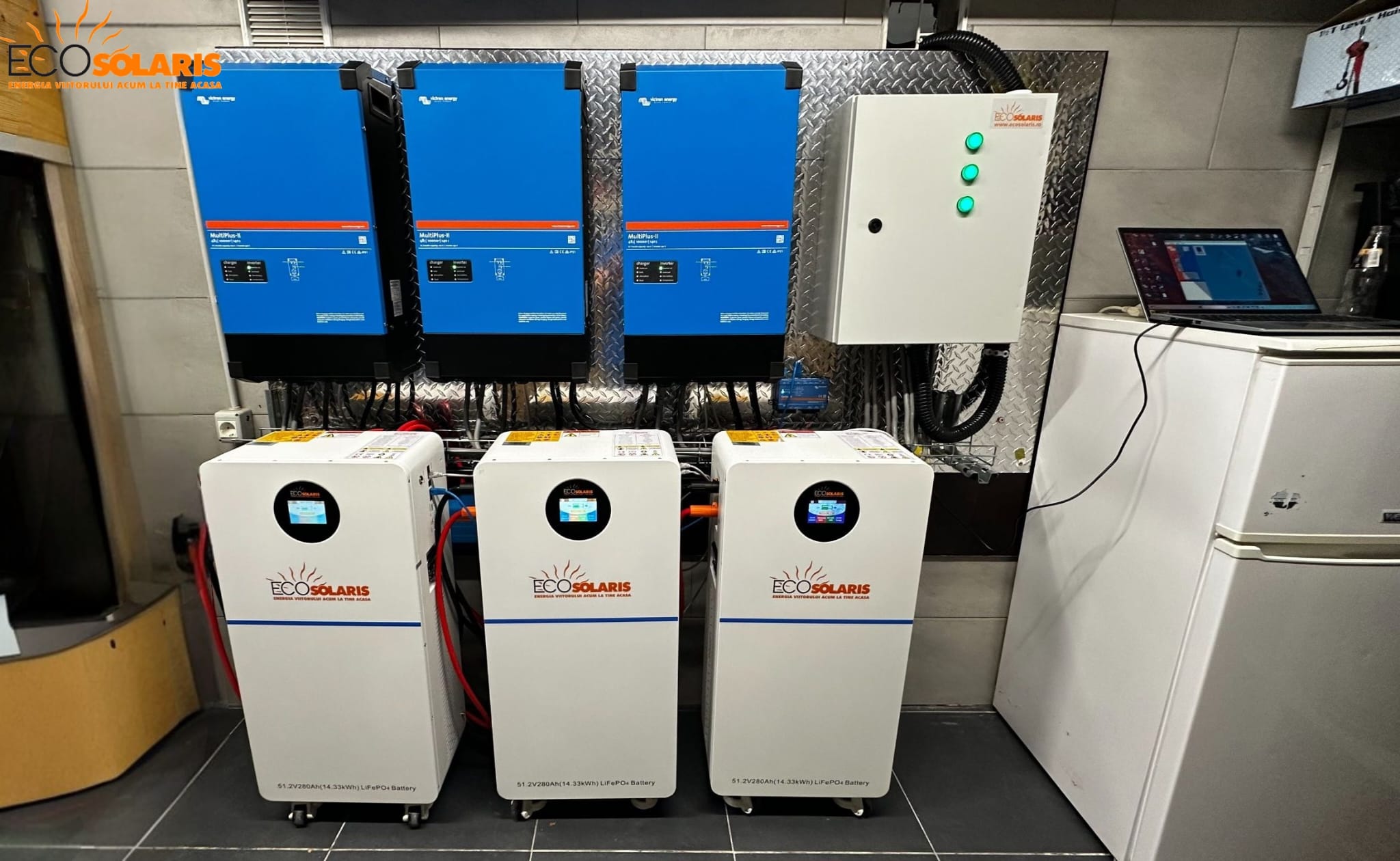
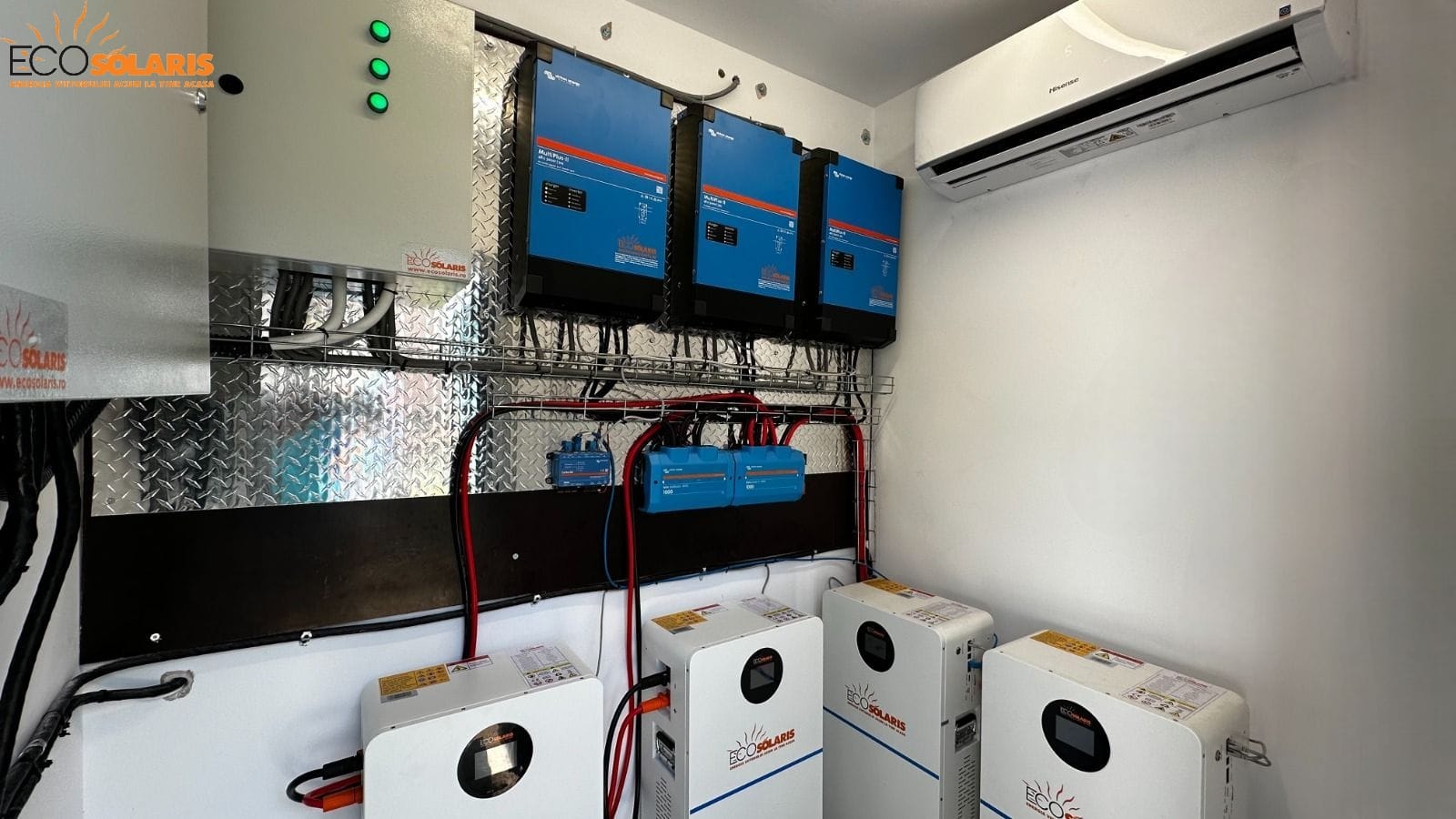
The energy assembly is built from high-quality equipment, each with an essential role in the conversion, storage and distribution of energy. The system includes three Victron Energy MultiPlus-II 48/3000 three-phase inverters, Cerbo GX control module, Lynx Power In and Lynx Distributor, a protection panel for two PV strings, Ruuvi temperature and humidity sensor, EcoSolaris LiFePO₄ 15 kWh battery and Bauer 450 W PV panels. Each component is chosen for reliability, efficiency and perfect compatibility within the Victron Energy ecosystem, resulting in a coherent and energetically optimized system.
MultiPlus-II 48/3000 Victron Energy – the heart of the system
At the heart of the architecture are Victron Energy's three MultiPlus-II 48/3000 inverters, three-phase configured. They combine the functions of pure sine wave inverter and smart charger, providing a seamless transition between grid, batteries and renewable sources. The system allows uninterrupted operation, maintaining a constant supply of consumers even in the event of fluctuations in the network.
Through adaptive charging technology, MultiPlus-II optimizes the charging current according to the battery condition, which helps to extend the battery life. The three-phase configuration ensures balanced load distribution, reducing losses and ensuring constant efficiency. Extended compatibility with LiFePO₄ batteries enables safe and stable integration, and through the Victron VRM interface, the user has full access to performance data, diagnostics and control.
Cerbo GX Victron Energy – the control and monitoring center
Centralized system control is handled by the Cerbo GX unit, which integrates all Victron Energy components into a common interface. It collects and analyzes data from inverters, batteries, sensors and solar panels, providing a complete picture of system performance. Through the Victron Remote Management (VRM) platform, the user can monitor PV production, consumption, battery status and energy flows between sources in real time. [#$$#]
Cerbo GX allows the configuration of advanced automations, such as adjusting the charging current according to temperature or prioritizing power sources. The system can be monitored and controlled remotely, providing a high level of operational comfort and safety. Through its extensive connectivity and intuitive interface, Cerbo GX transforms the system into an intelligent, fully digitized whole.
Direct current distribution: Lynx Distributor și Lynx Power In
For safe and orderly management of DC flows, the system uses Victron Energy's Lynx Power In and Lynx Distributor modules. These components have the role of organizing the connections between panels, batteries and inverters, integrating overcurrent protections and LED signals for each branch. This modular approach allows for quick maintenance and efficient system health control, while providing increased reliability and minimal electrical losses.
With its compact design and clear circuit structuring, the Lynx distribution contributes to maintaining order and increasing overall electrical safety, an essential aspect for medium and high power hybrid systems.
The LiFePO₄ EcoSolaris 15 kWh battery– efficient and sustainable storage
The 280Ah LiFePO₄ EcoSolaris battery, with a total capacity of 15 kWh, ensures the storage of the energy produced by the solar panels and allows it to be used during periods of no sun or in the event of a grid outage. LiFePO₄ technology is recognized for its thermal stability, superior safety and extended life, which can exceed 6000 charge and discharge cycles at a depth of 80%.
This advanced chemistry provides over 95% energy efficiency with minimal losses and a high charge and discharge rate. In combination with the Victron Energy system, the EcoSolaris battery becomes a reliable element of the entire architecture, guaranteeing long-term performance and stability.
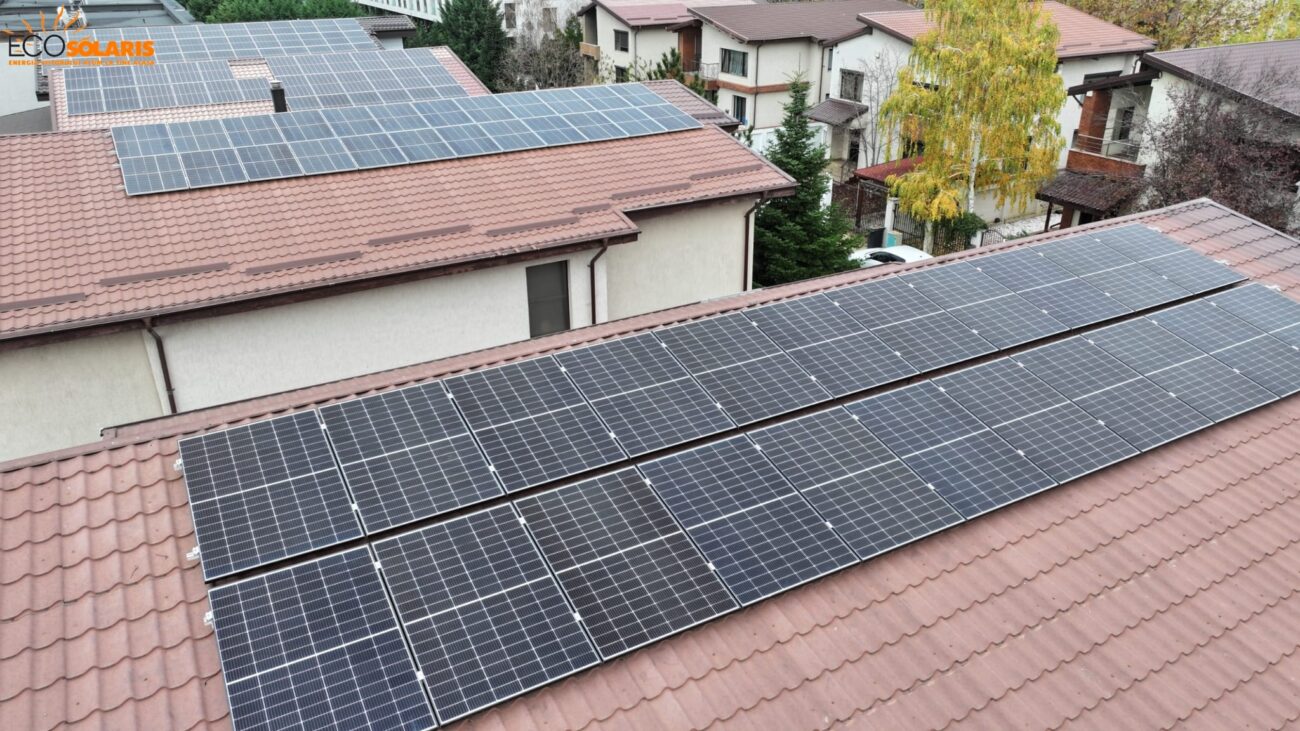
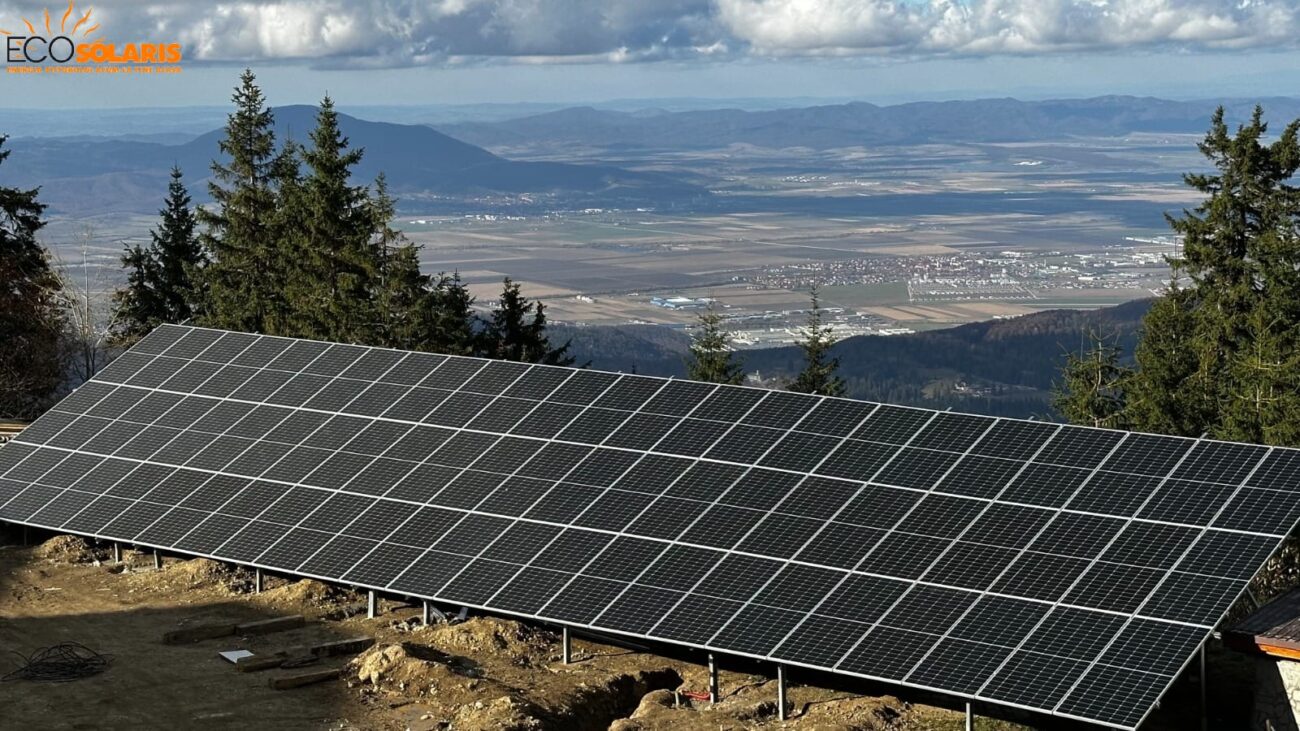
Bauer 450 W panels – the main source of energy
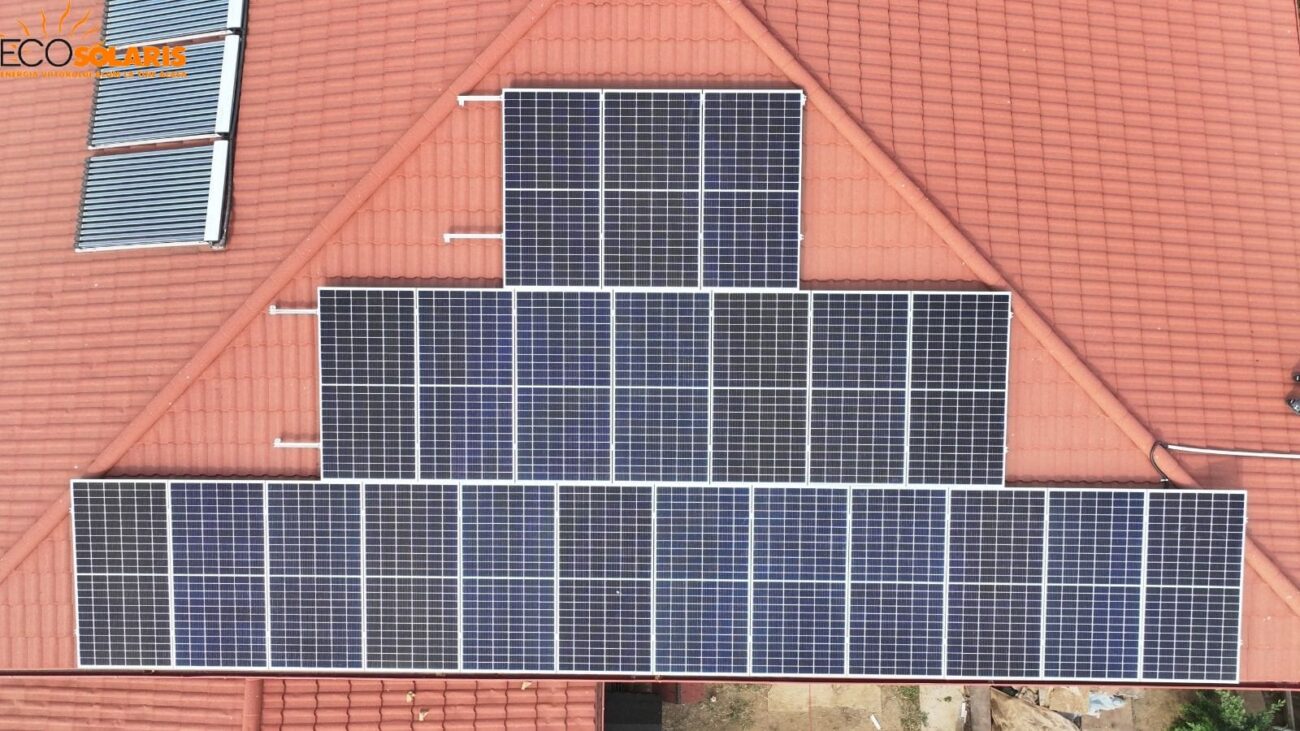
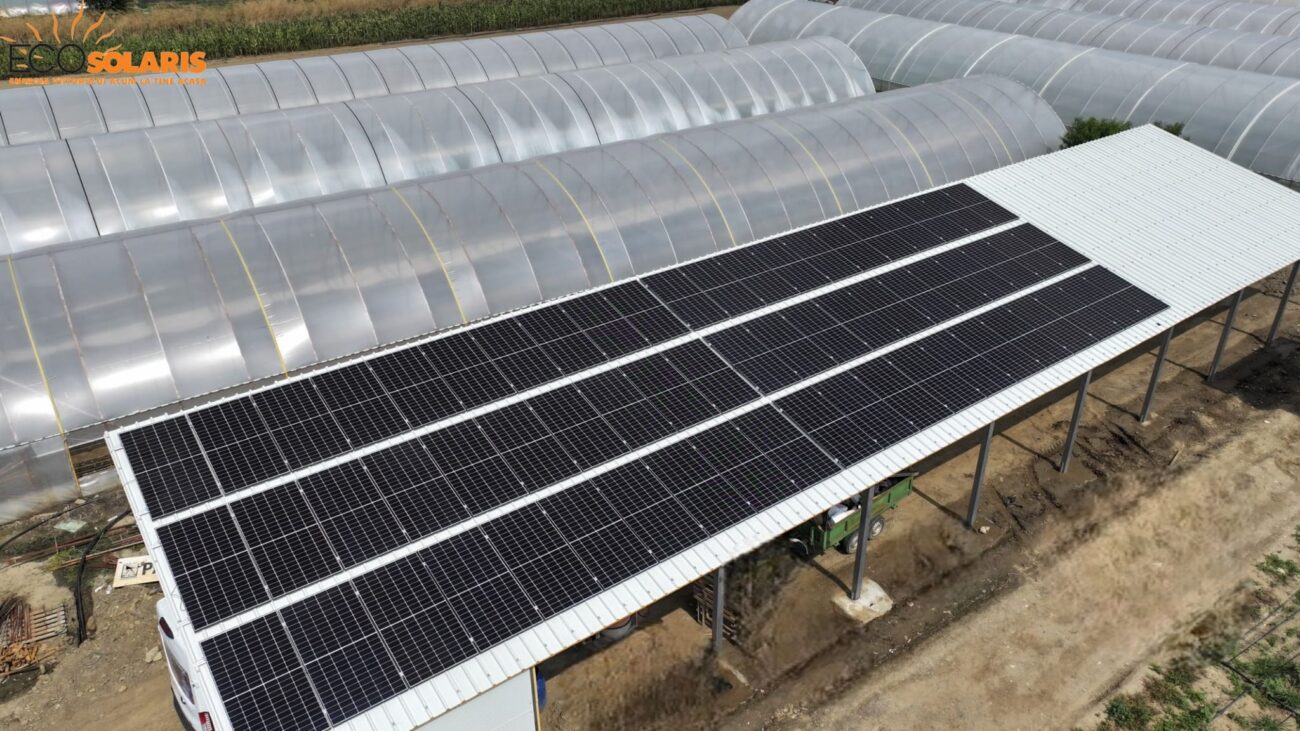
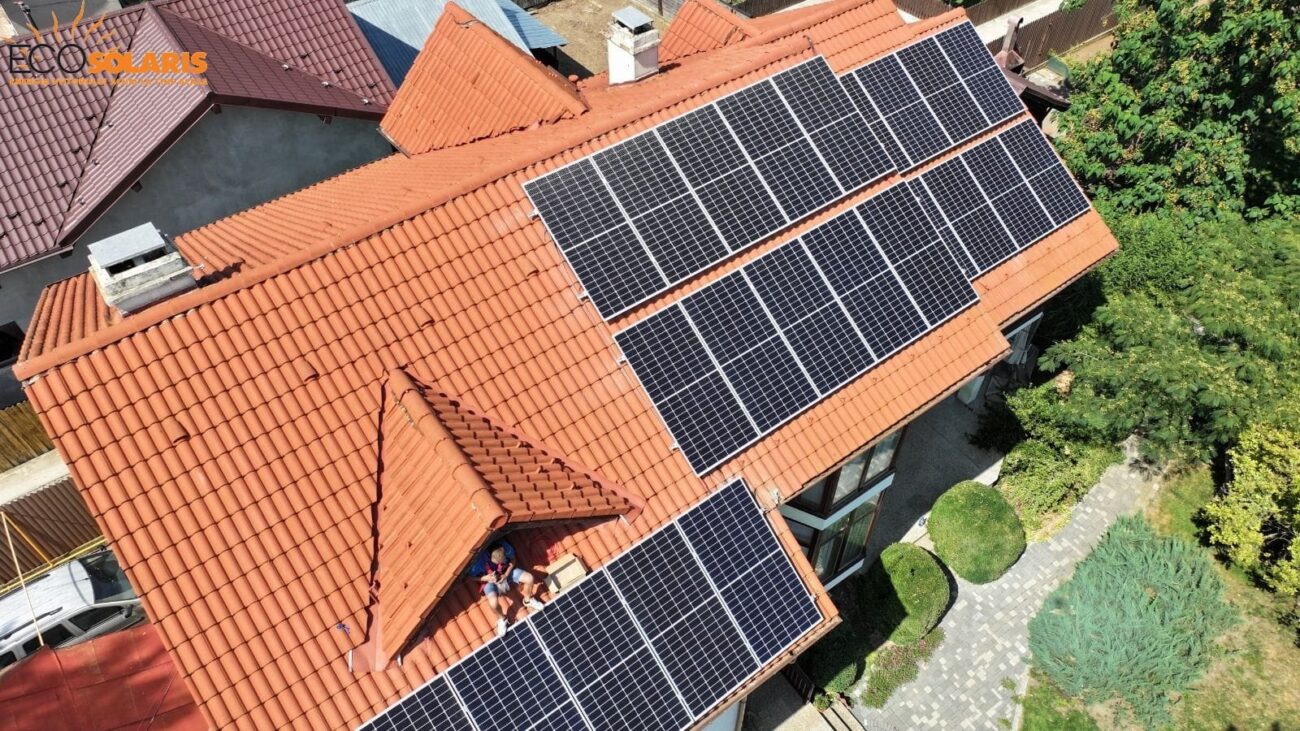
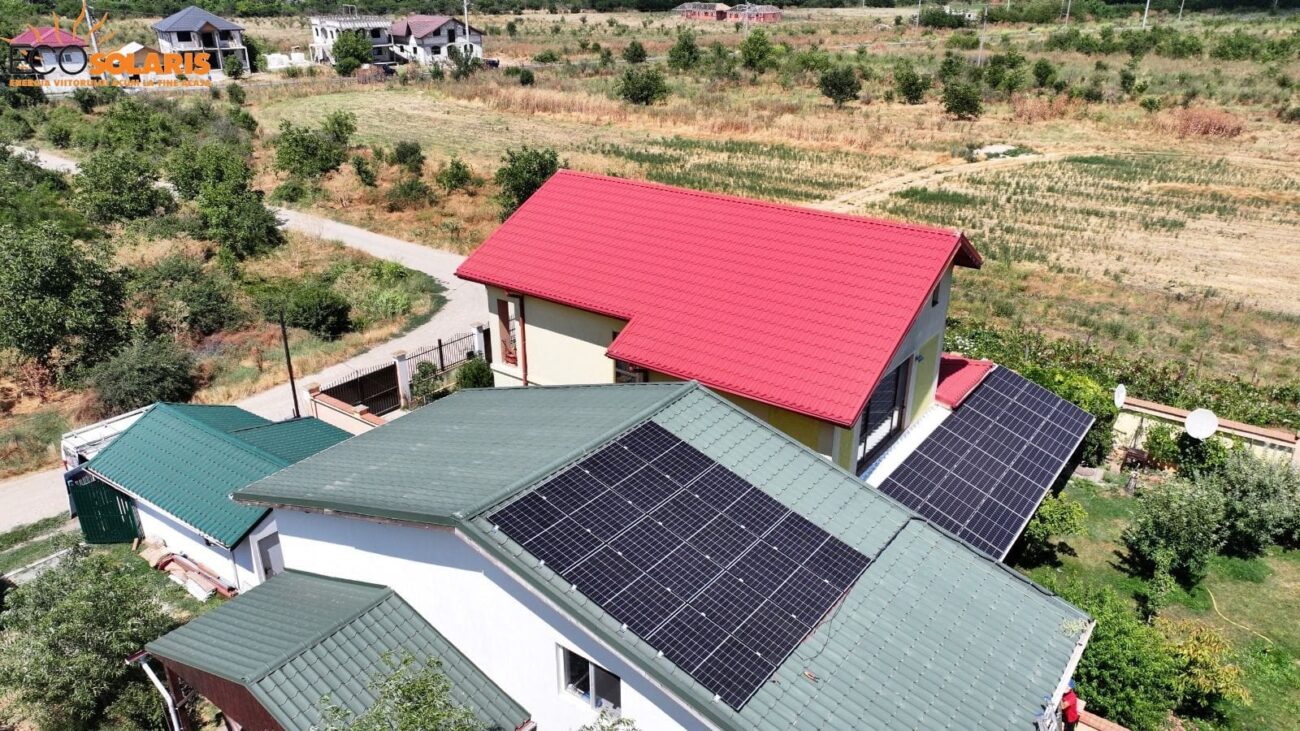
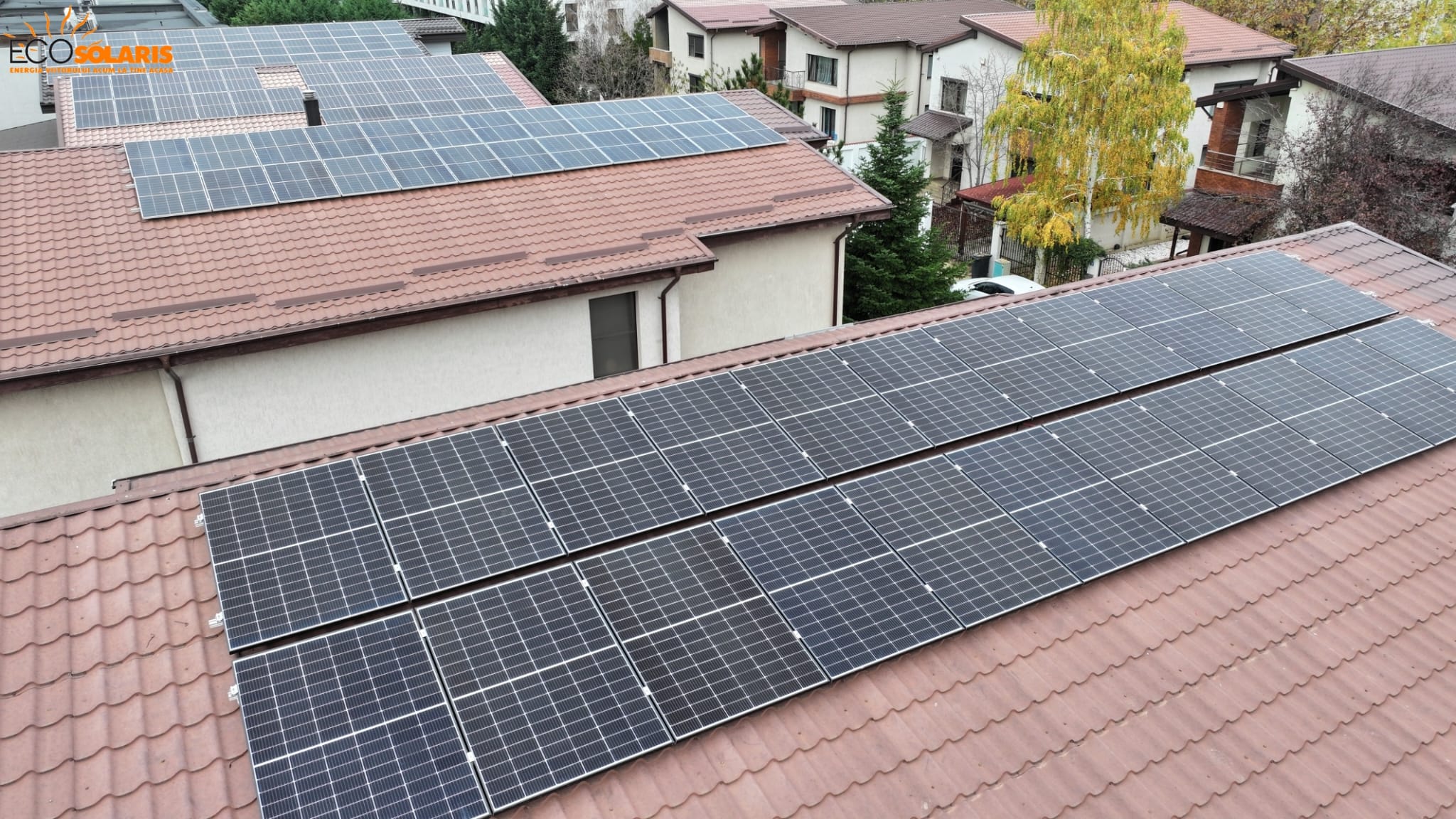
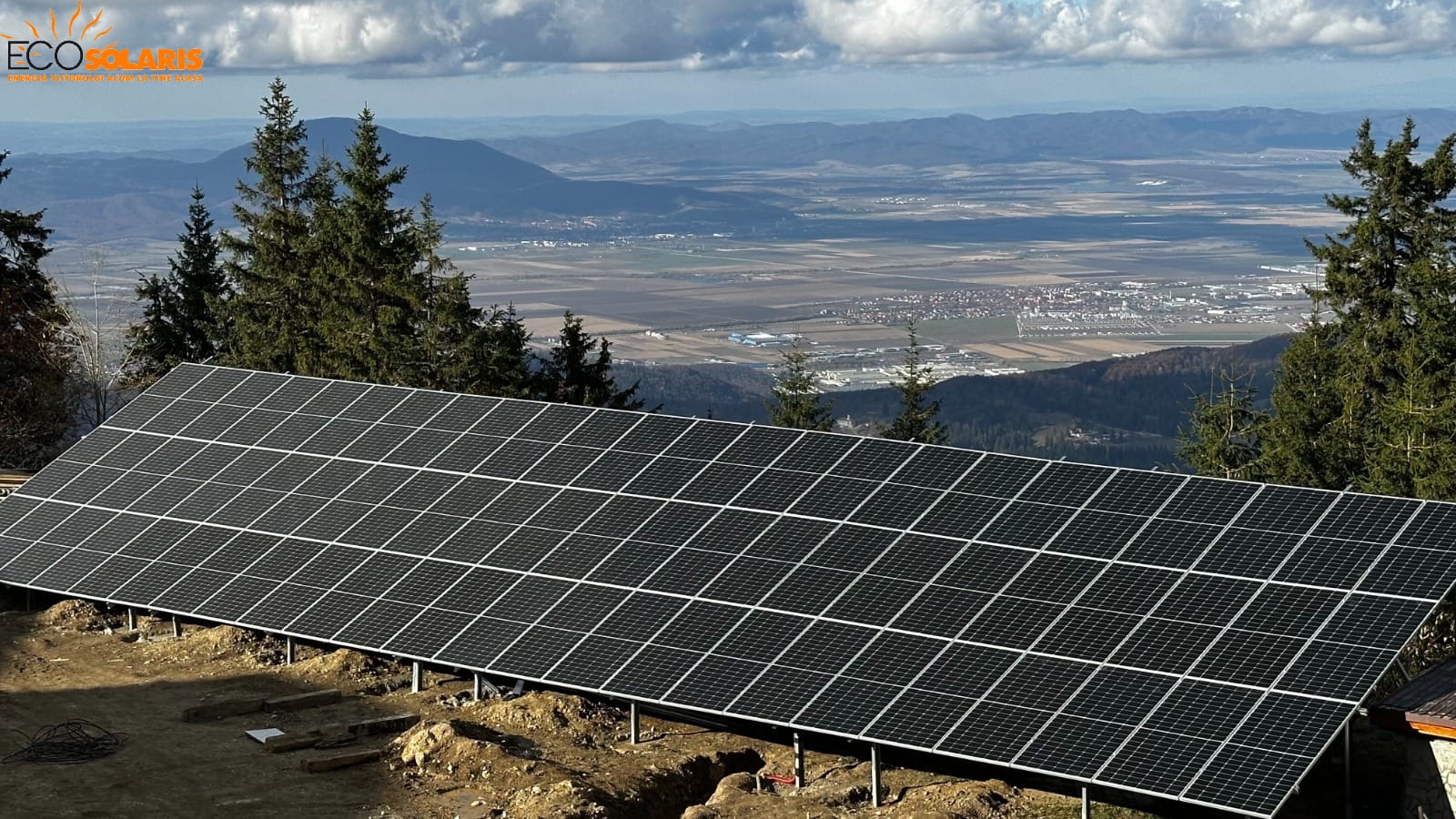
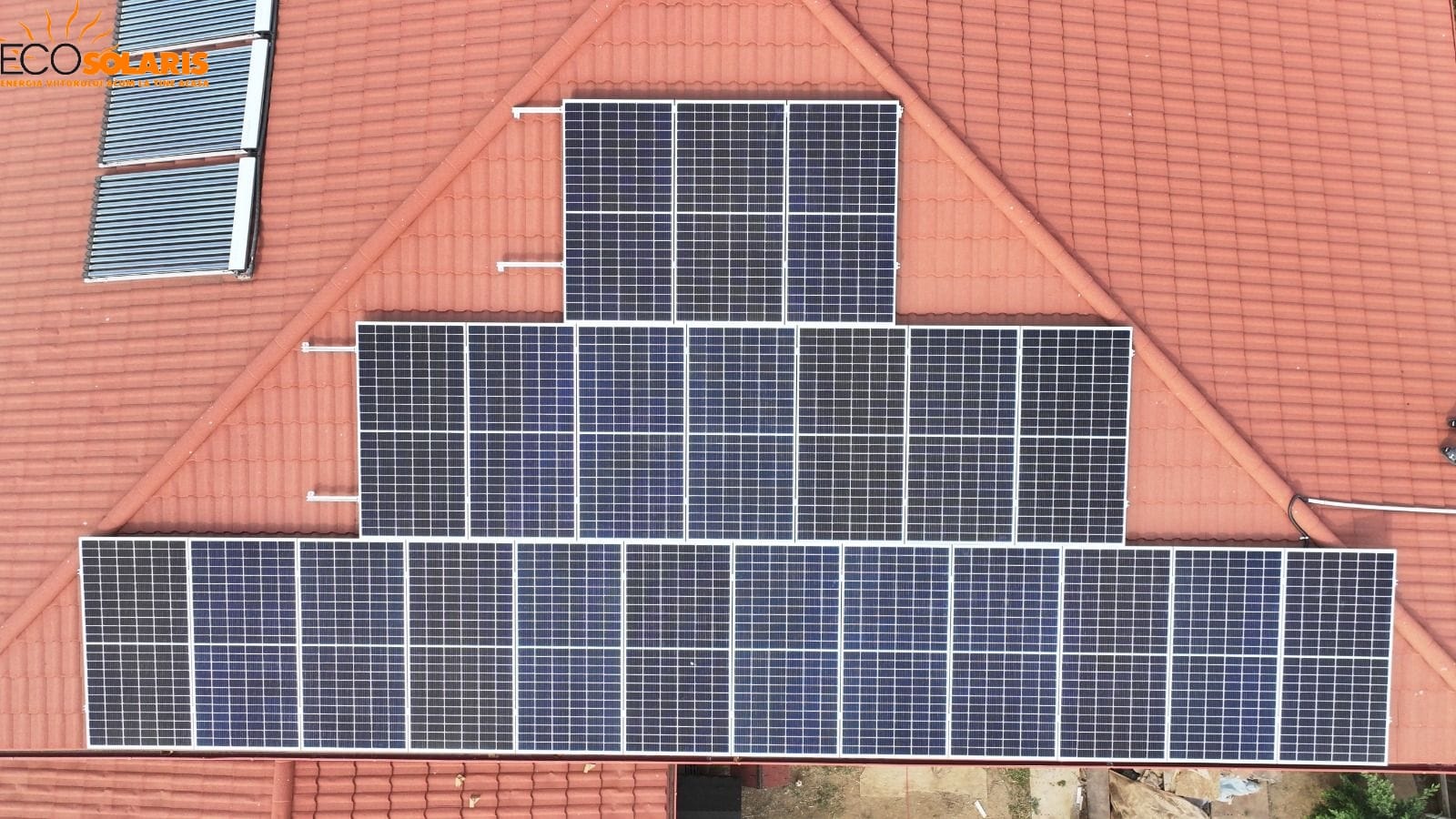
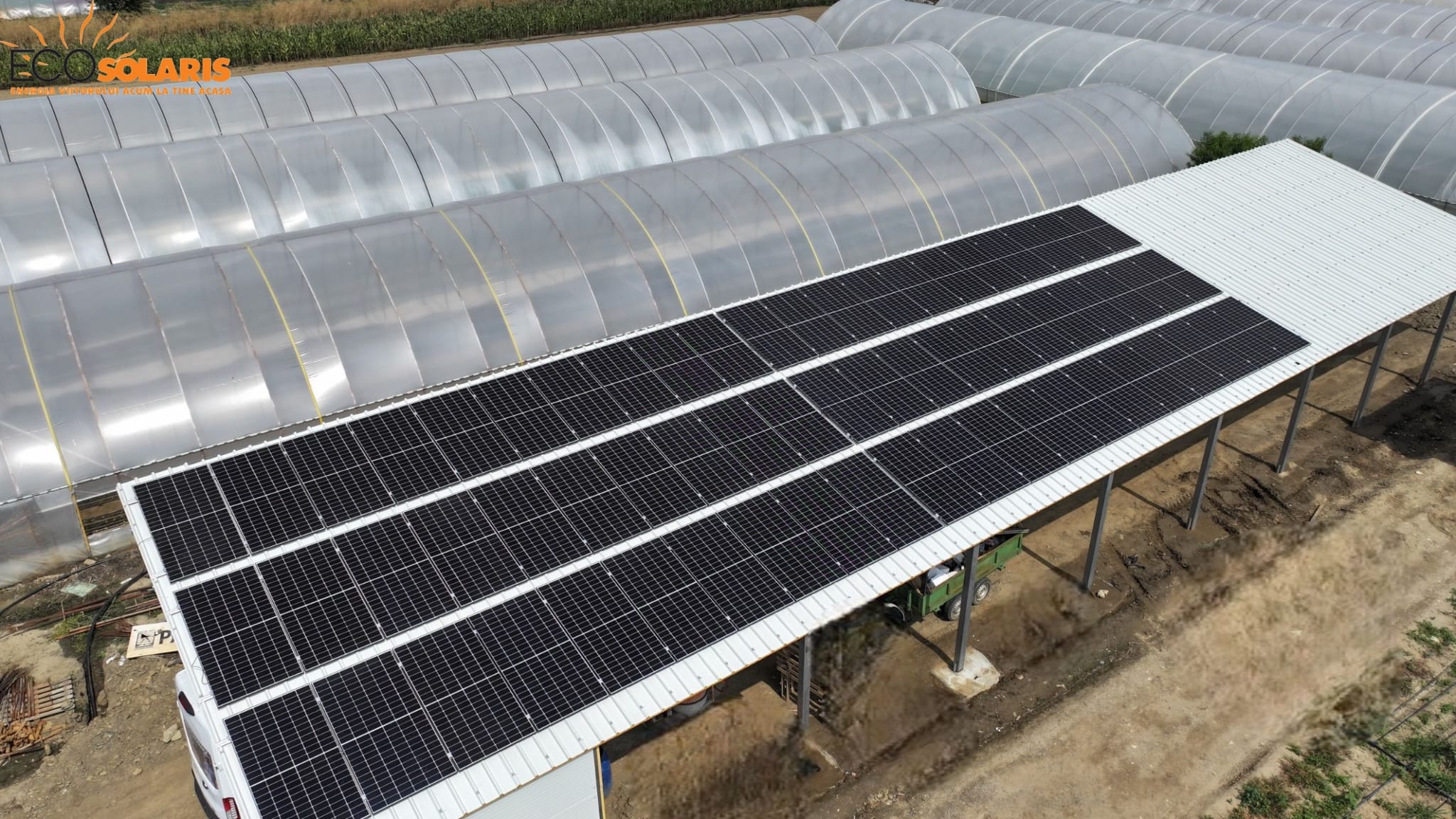
Bauer 450 W photovoltaic panels represent the starting point of the entire energy system. With over 20% conversion efficiency and robust construction, these panels are designed to deliver consistent performance even in low light or high temperature conditions. Due to the low thermal coefficient, yield losses are minimal, which contributes to a constant production throughout the year.
The two photovoltaic strings are protected by a dedicated panel, equipped with fuses and surge arresters. This protection ensures safe operation, eliminating the risk of damage to electronic components in case of overvoltage or atmospheric discharges.
Environmental monitoring – the Ruuvi sensor
To maintain optimal system performance, the Ruuvi sensor monitors the temperature and humidity in the equipment's operating environment. The collected data is transmitted to the Cerbo GX, which can automatically adjust the charging parameters to prevent overheating or rapid discharge of the battery. This seemingly minor detail contributes significantly to the stability and longevity of the system as a whole.
Benefits and operational performance [#$$#]
A hybrid photovoltaic system of this type offers considerable advantages in day-to-day operation. It works both off-grid and parallel to the grid, offering complete flexibility and energy security. Three-phase distribution ensures load balance, and the automatic backup system guarantees continuous power even in the event of interruptions. The modularity of Victron Energy's architecture allows for easy system expansion, and remote monitoring provides complete control and operational transparency. Long component life and high efficiency make this solution a stable investment with long-term benefits.
Conclusion
The 10 kWh three-phase hybrid photovoltaic system, based on Victron Energy, EcoSolaris and Bauer technology, represents an optimal combination of performance, safety and autonomy. MultiPlus-II inverters ensure three-phase conversion and stability, Cerbo GX coordinates the entire control process, Lynx manages DC distribution, and the LiFePO₄ EcoSolaris battery guarantees efficient energy storage. Bauer panels complete the ensemble, providing a constant and sustainable source of renewable energy.
By integrating these components, an advanced, reliable and sustainable energy solution is obtained, adapted to the current requirements of efficiency and independence. It is a solid investment in the energy future, an example of how modern technology can turn solar energy into a safe, controllable and sustainable resource.