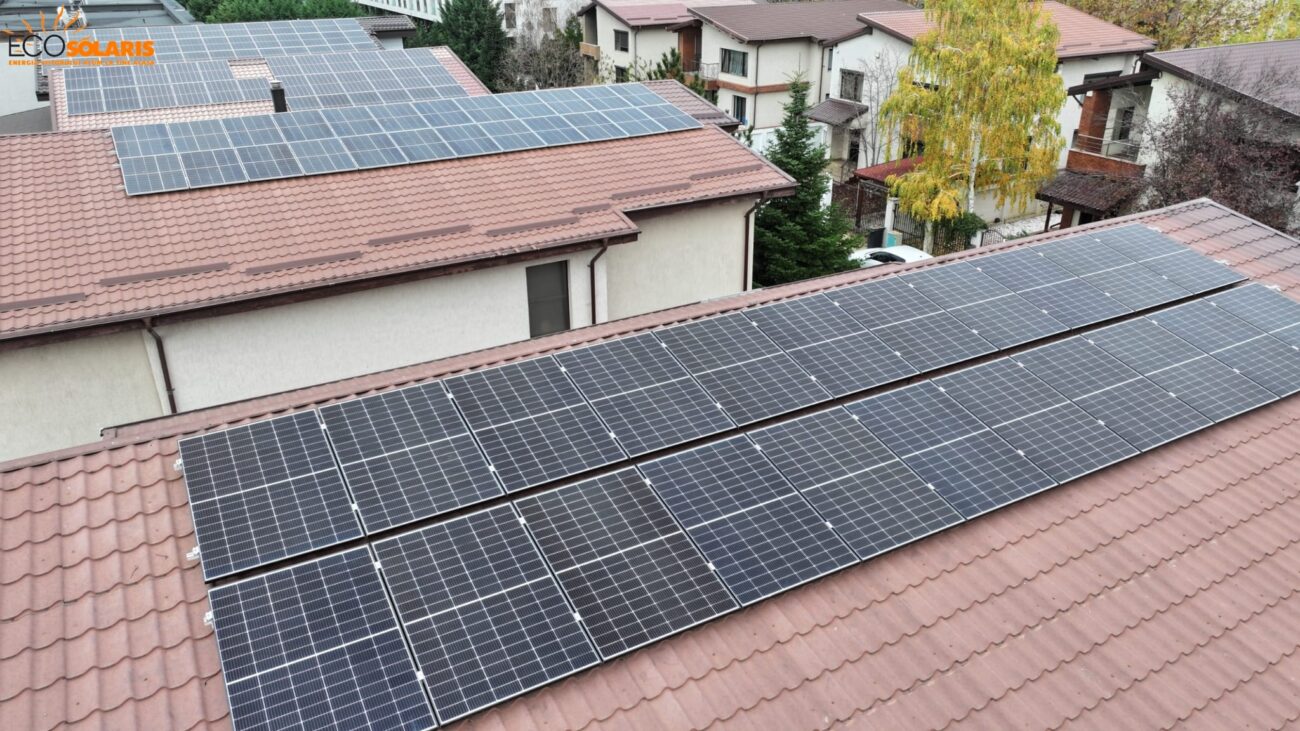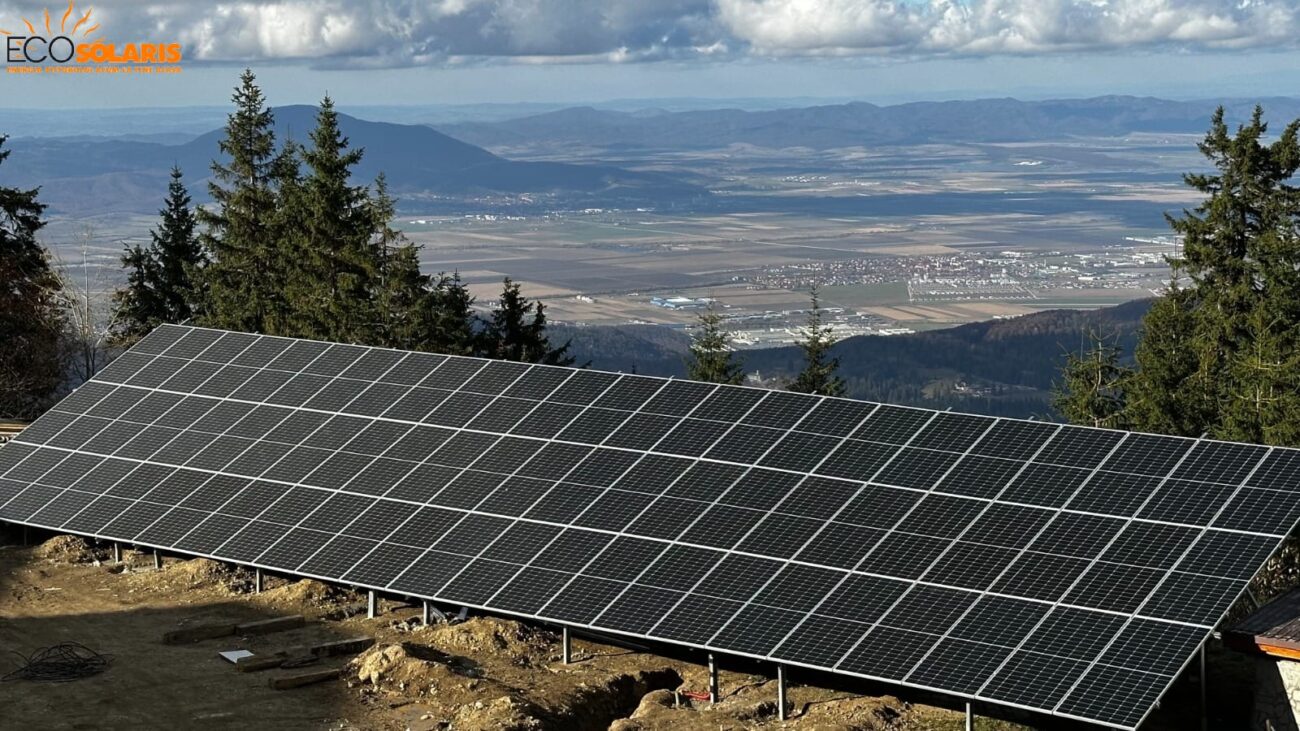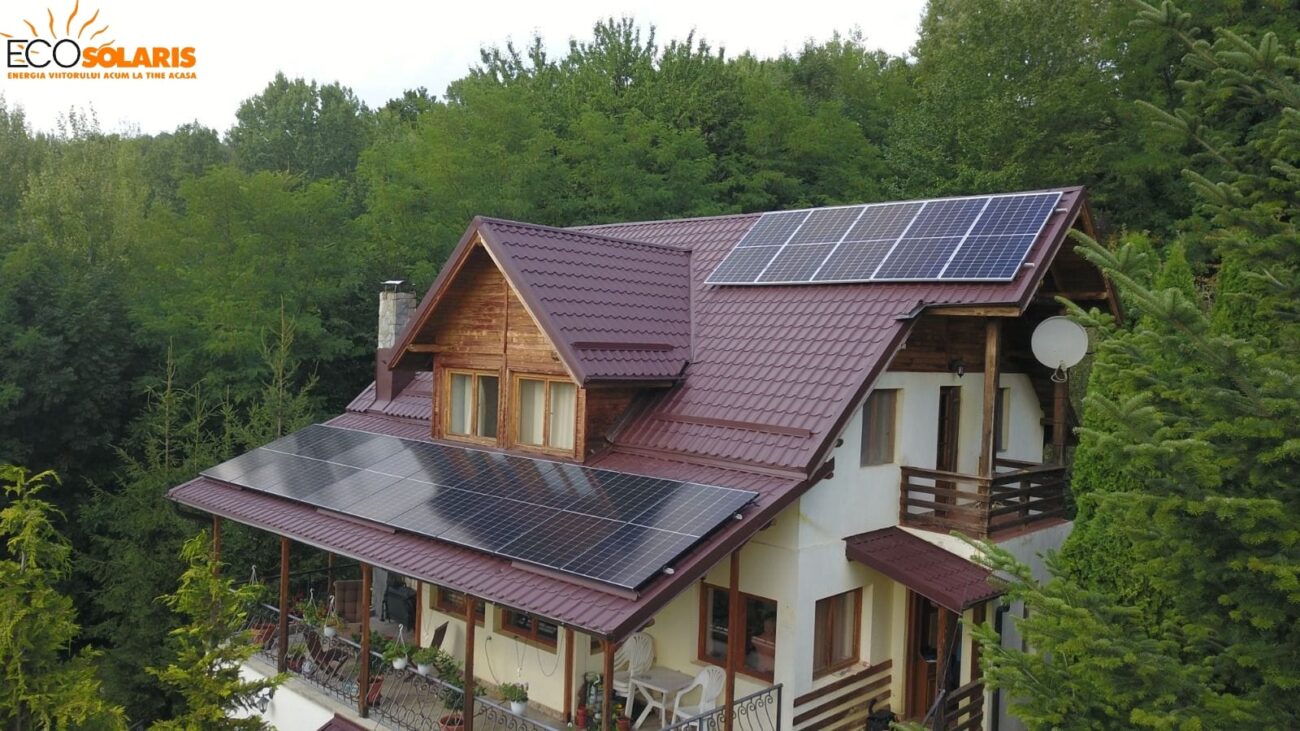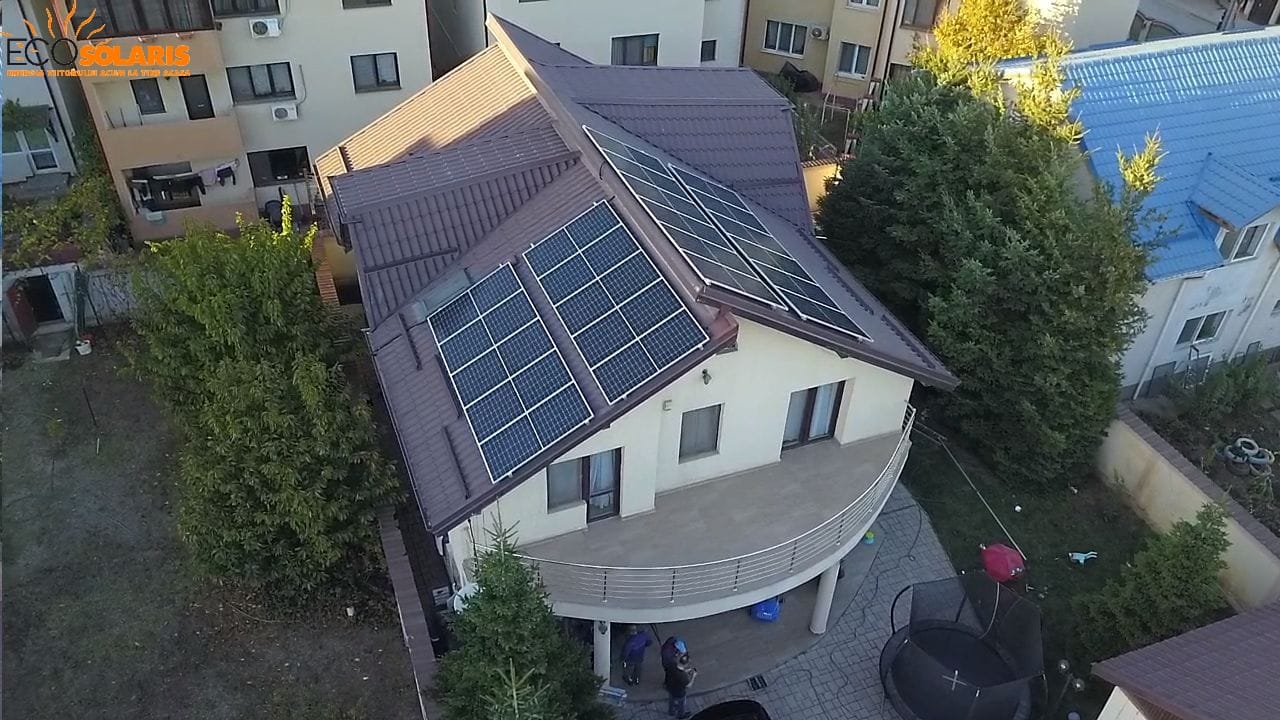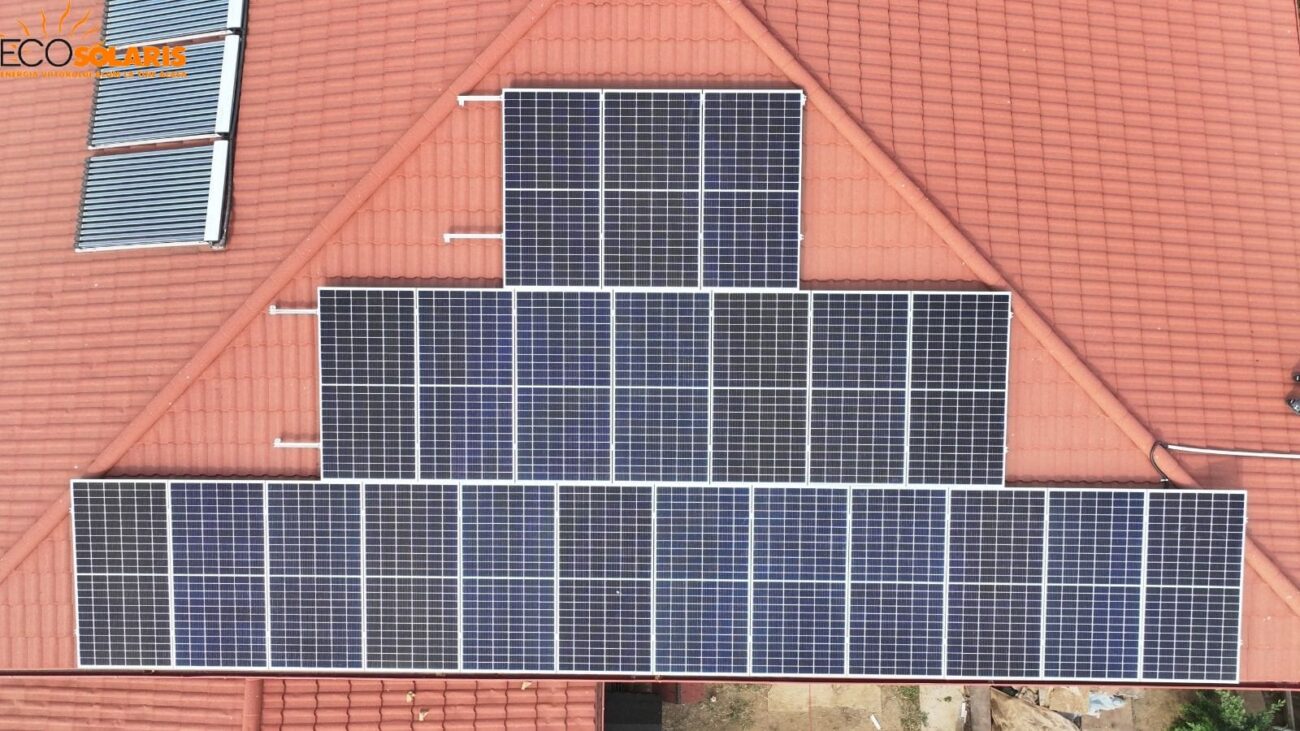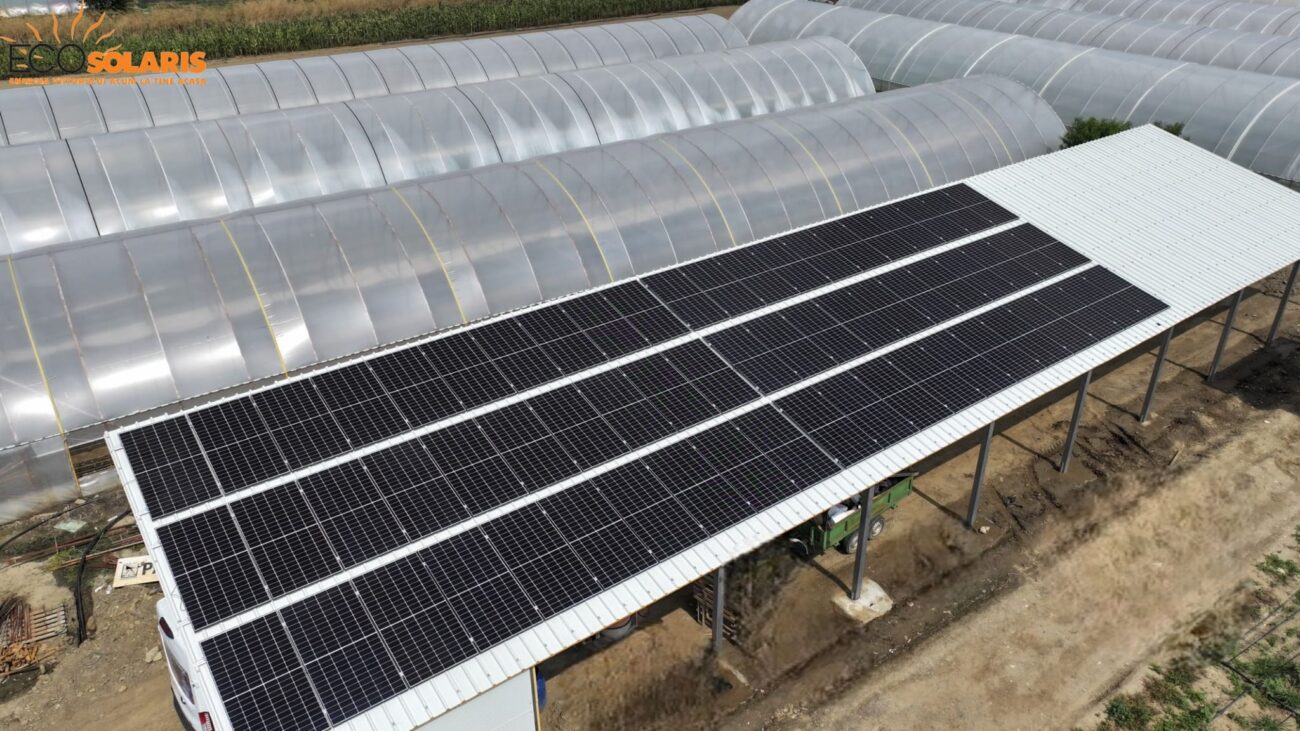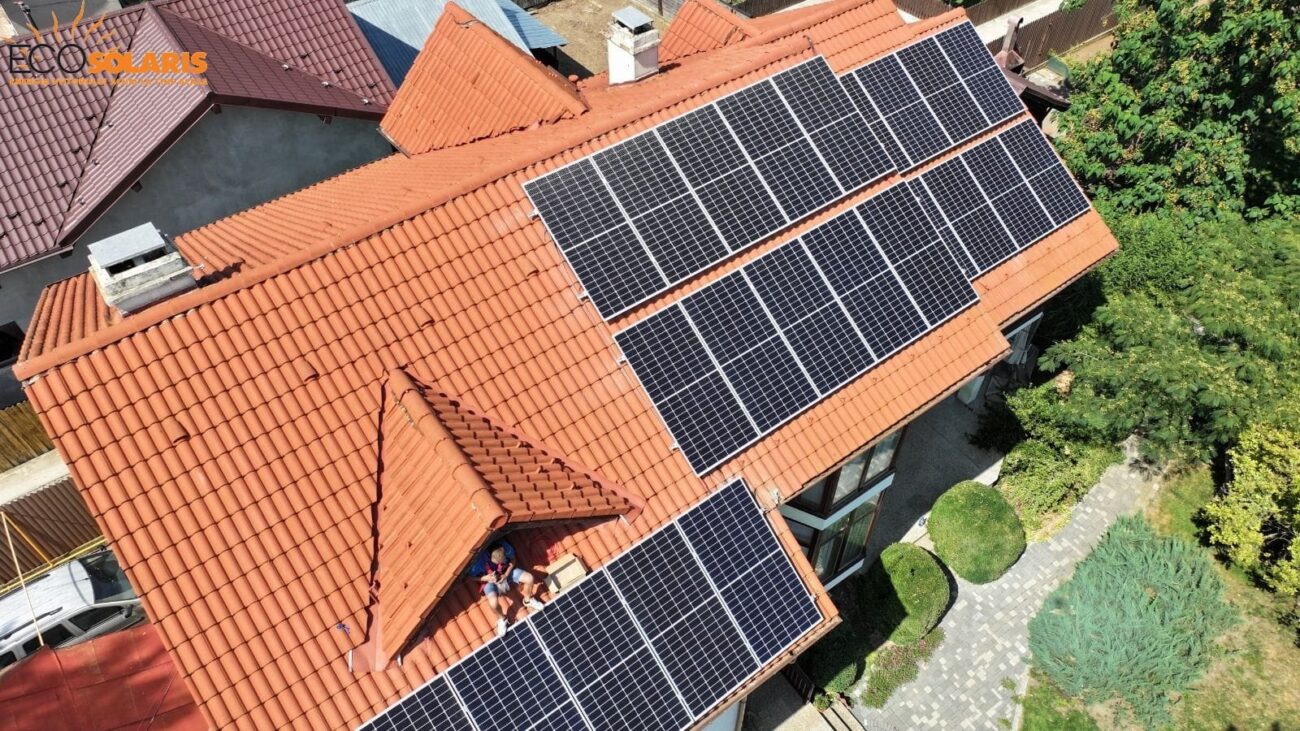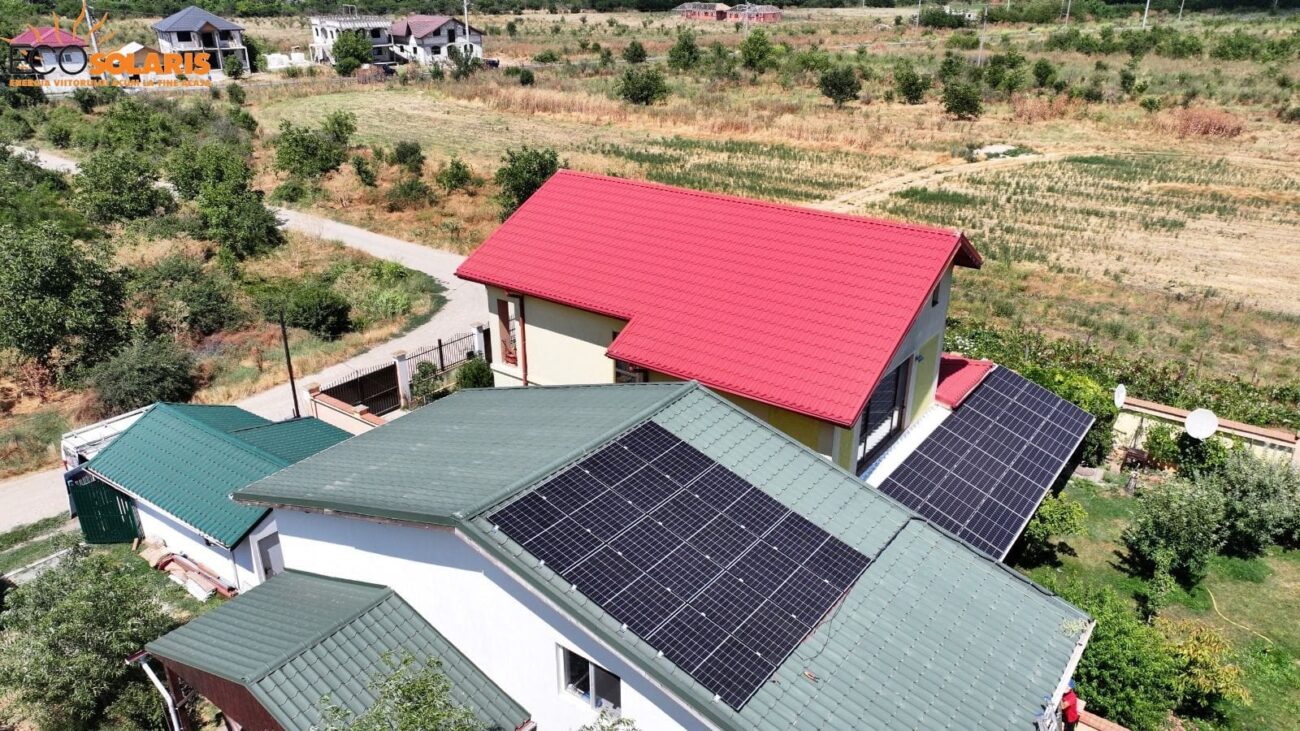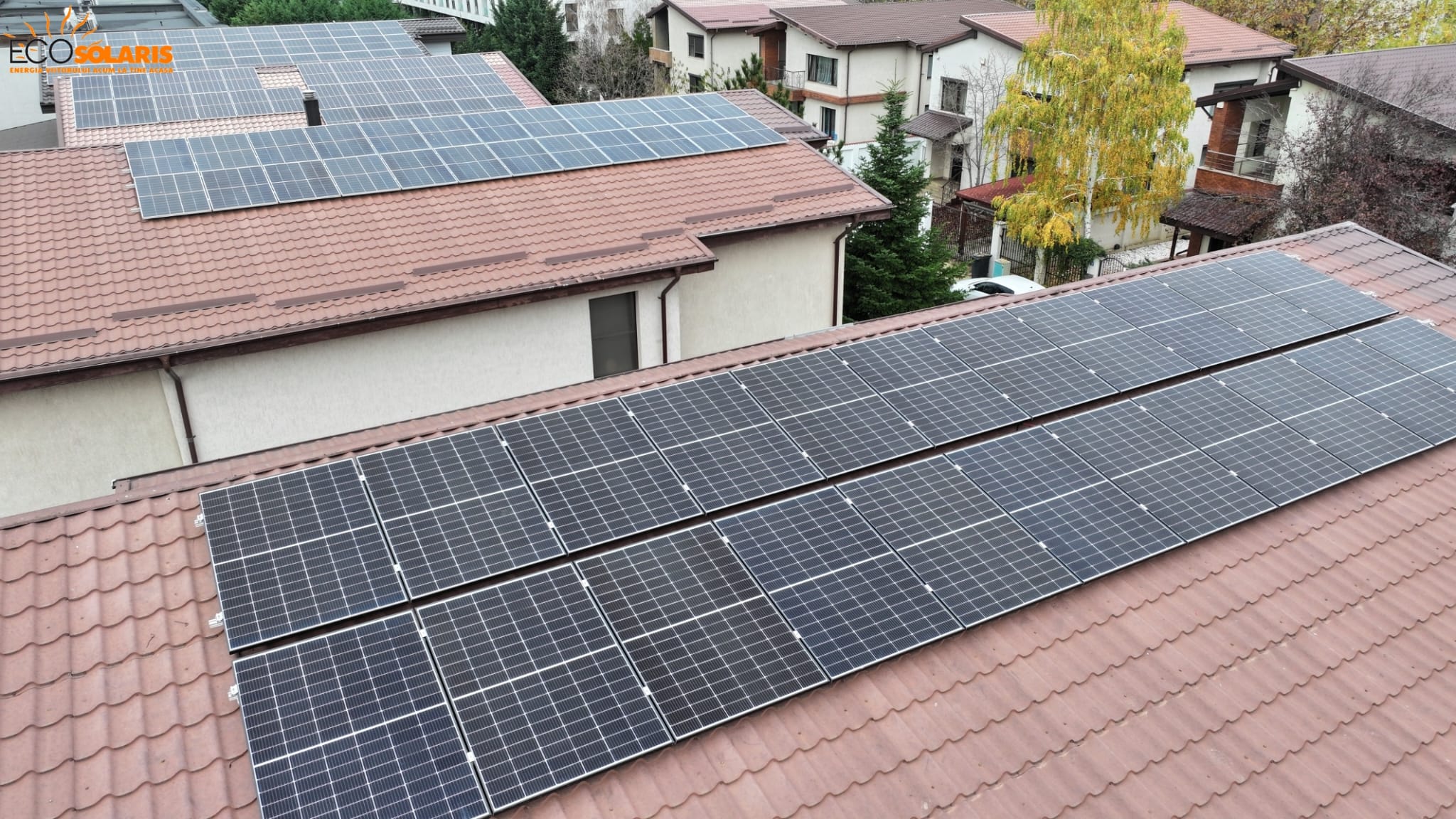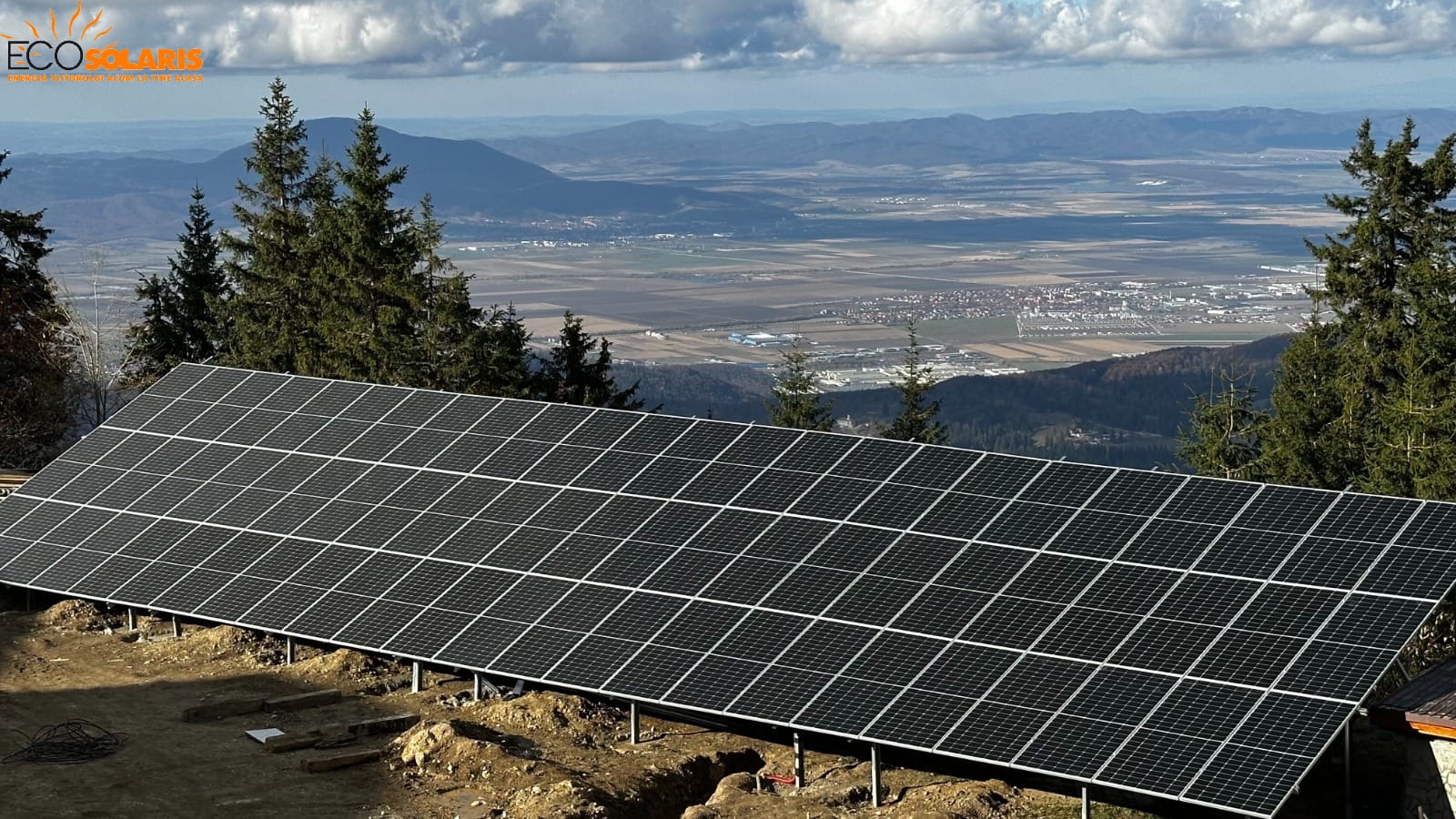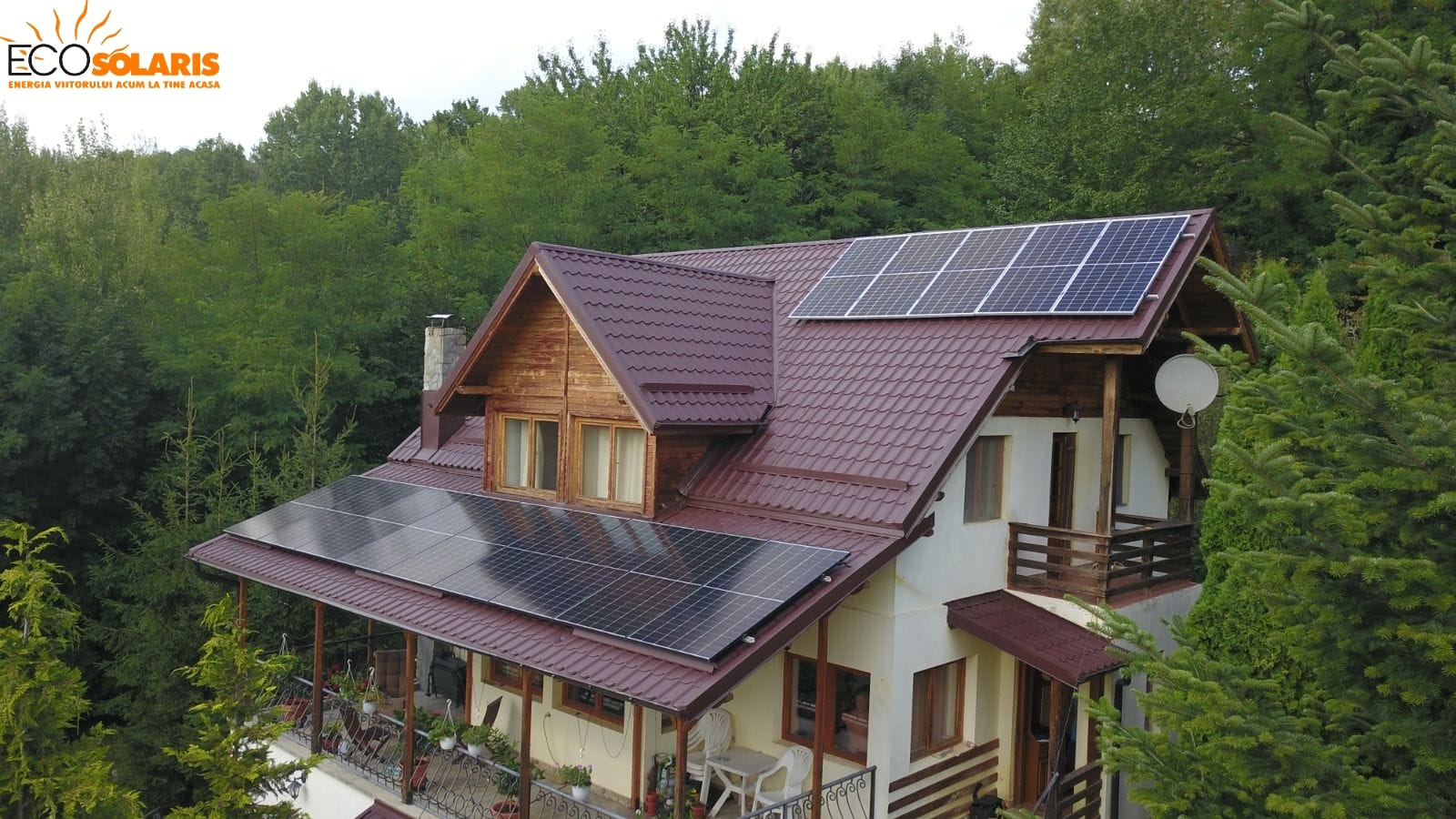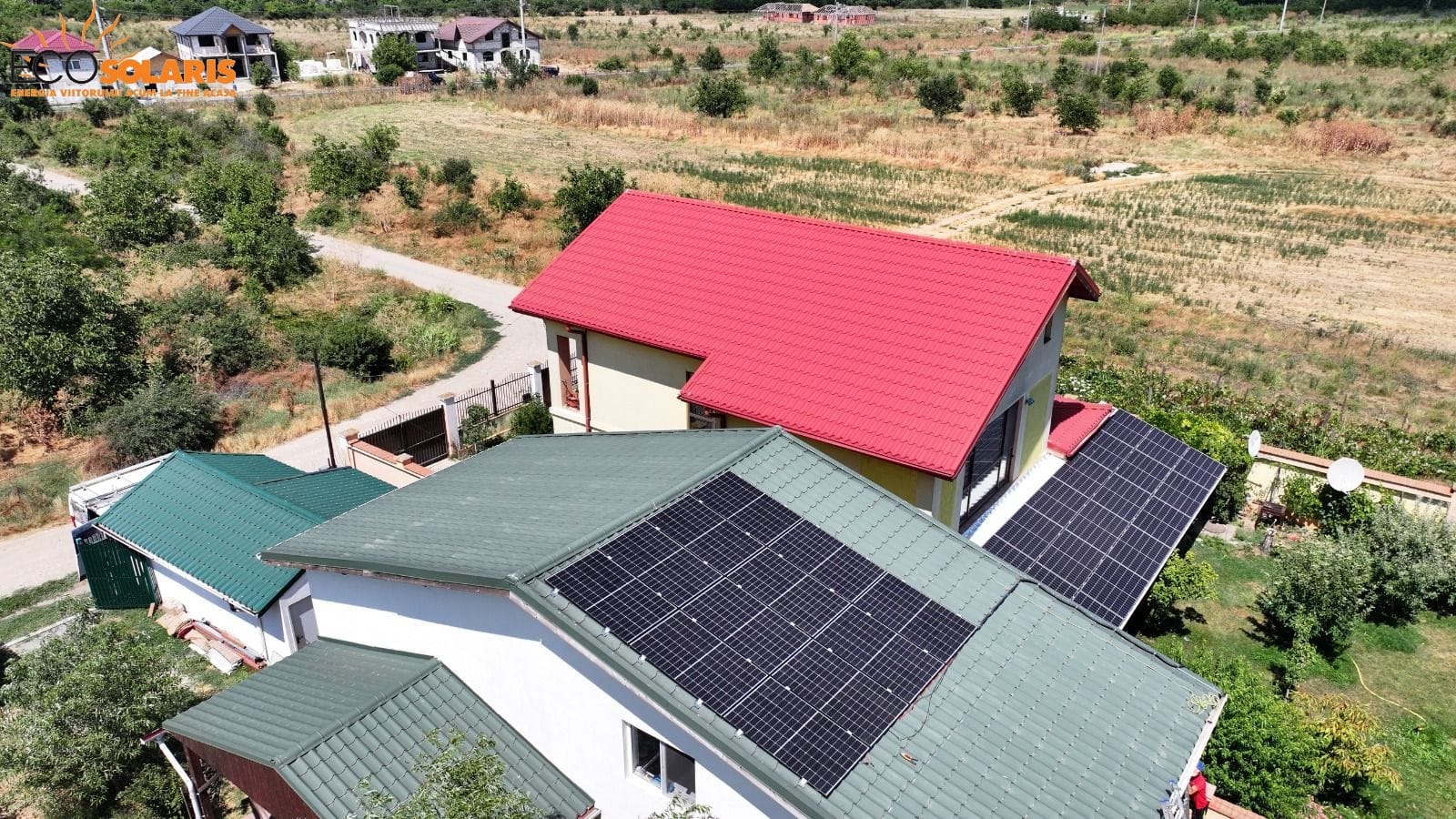



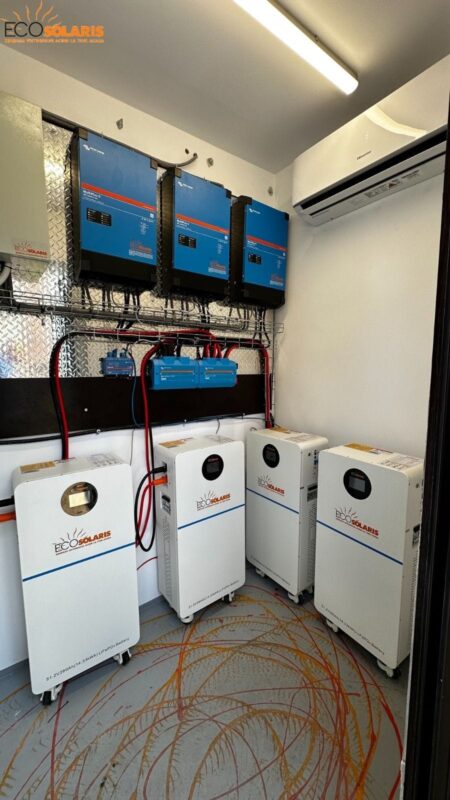
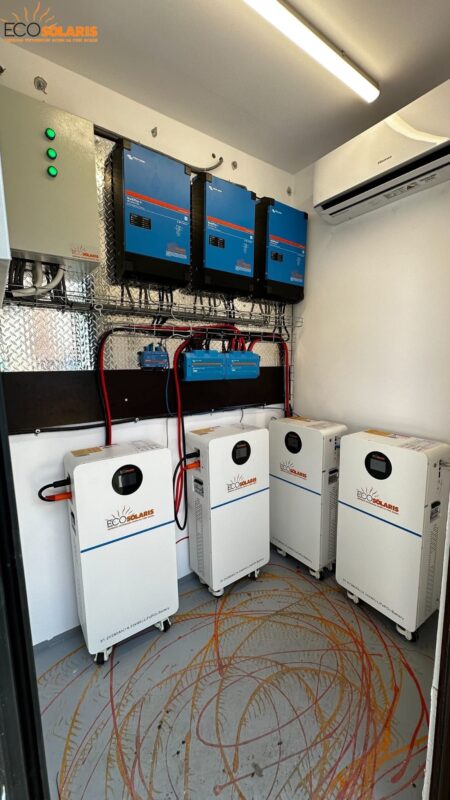
Rising energy costs and the importance of a secure supply are driving more and more consumers to look for advanced solutions for energy independence. In this project, the beneficiary – a large residential property with a constant consumption profile and pronounced peaks – requested a micro-grid photovoltaic system able to operate autonomously for long periods and ensure a storage of 60 kWh.
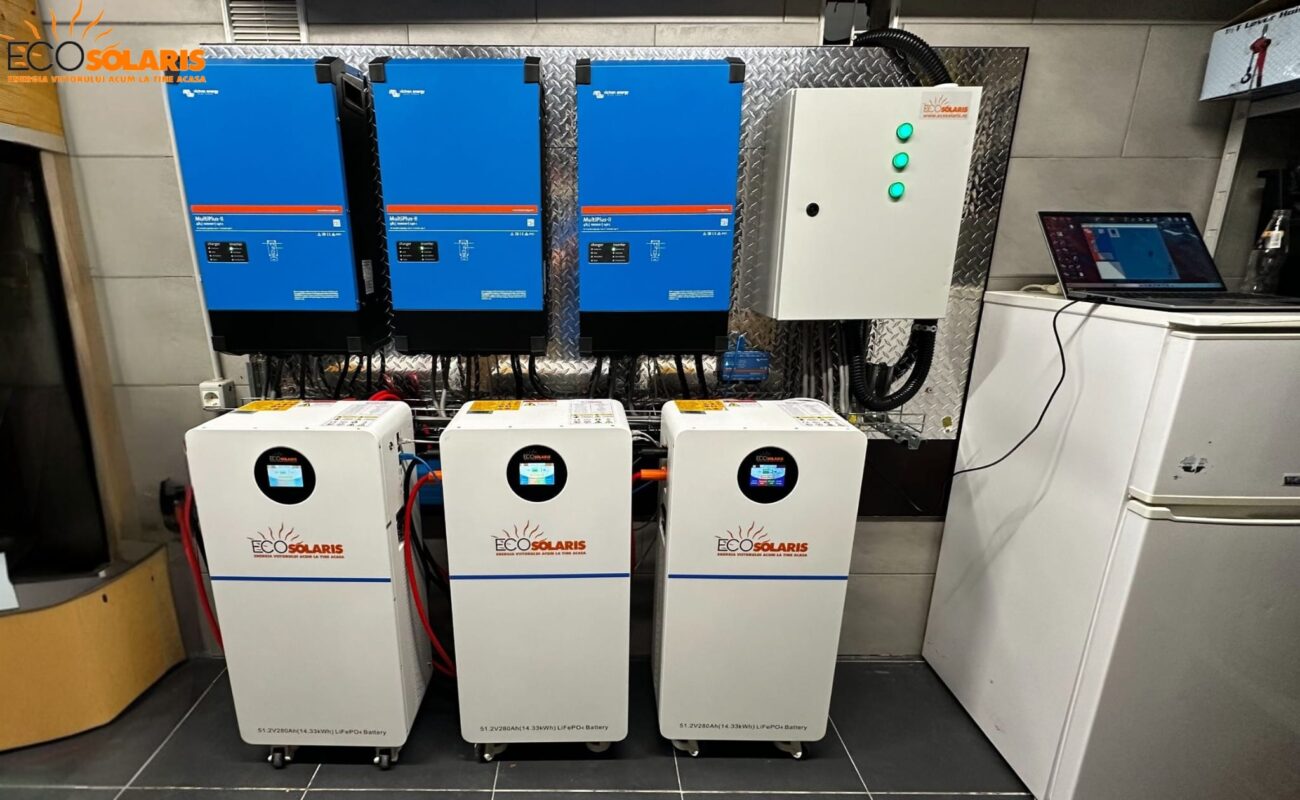
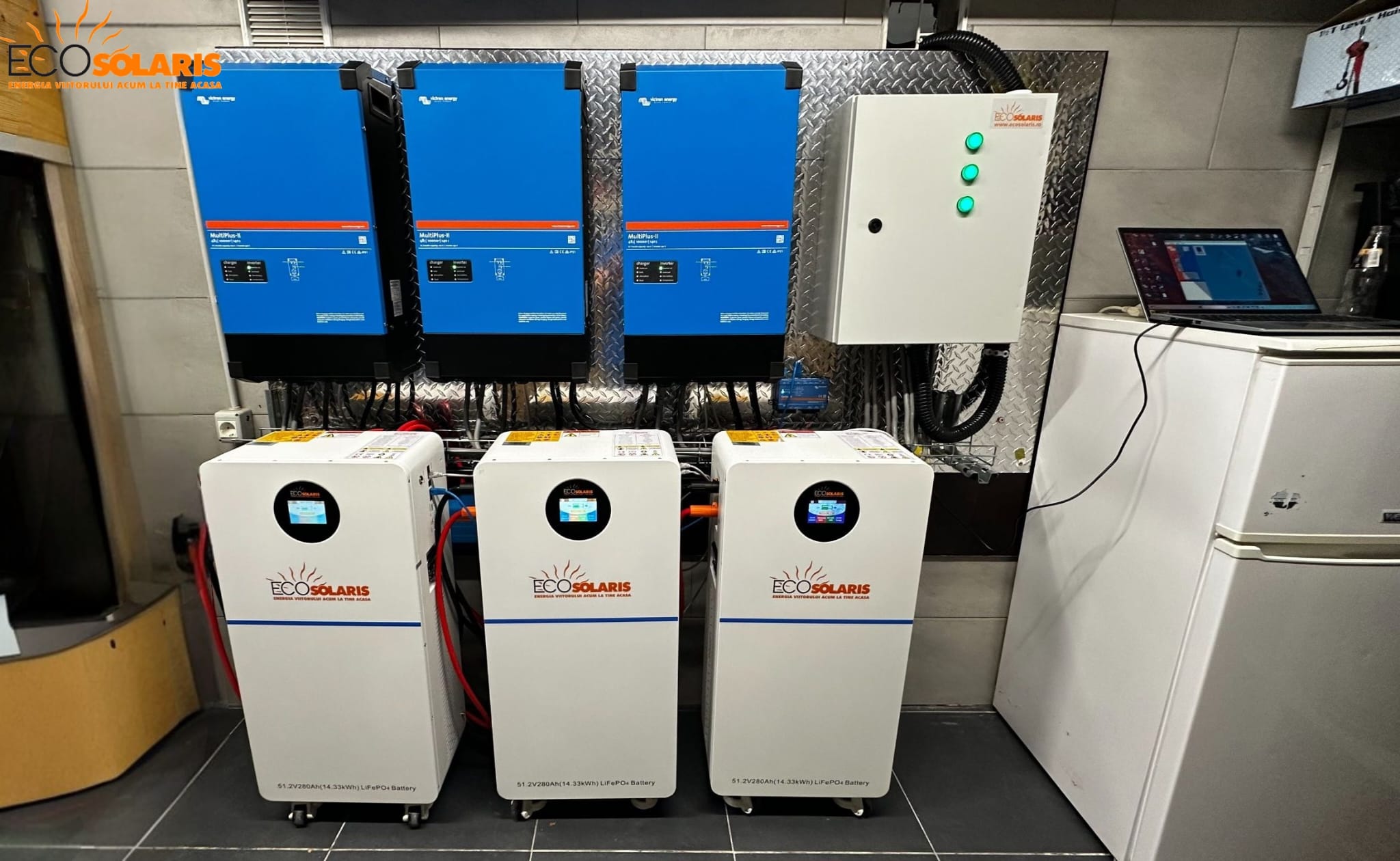
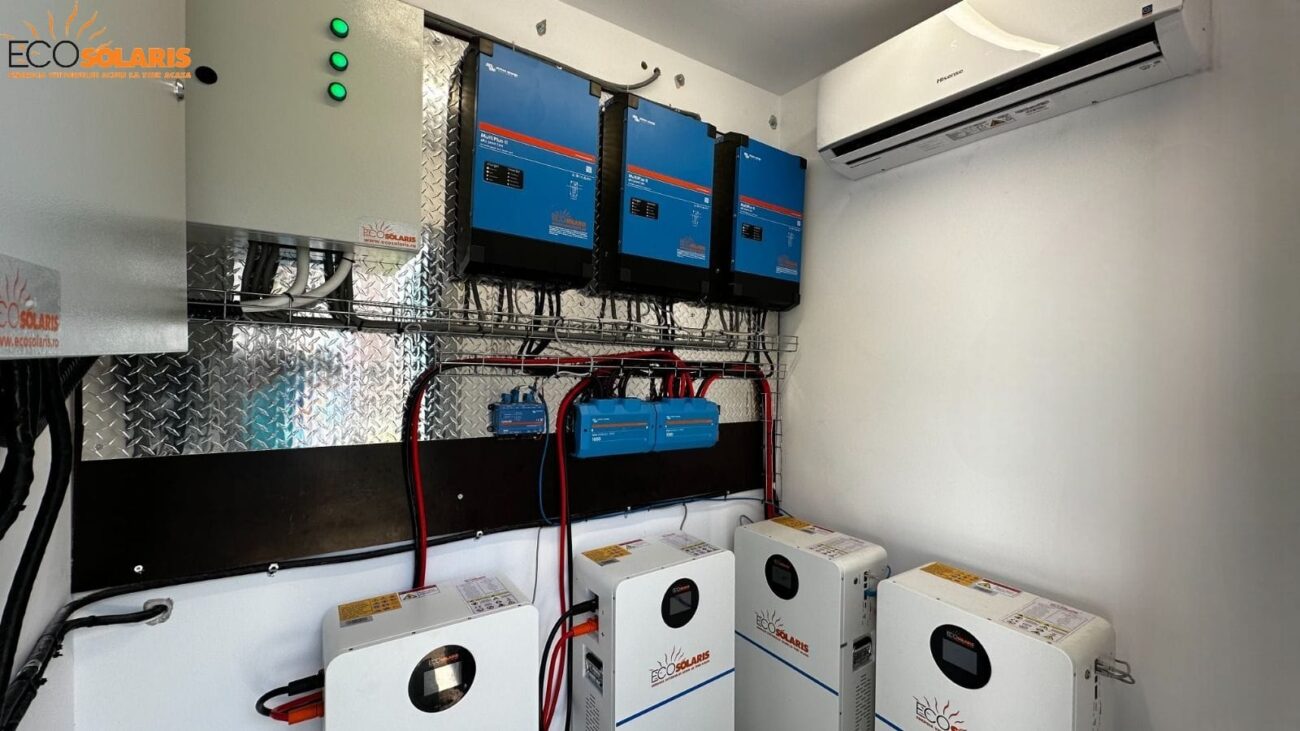
The proposed architecture combines efficient conversion, optimal distribution and intelligent monitoring. Selected Components – 3 x Victron MultiPlus-II 48/5000/70-50, 1 x Lynx Distributor DC M10, 1 x Lynx Power In (M10), AC protection and automation panel, 1 x Victron Cerbo GX și 4 x LiFePO4 EcoSolaris batteries (15 kWh each) – work integrated to provide constant power, either from solar generation, storage or external backup sources.
Micro-grid: concept and advantages
A micro-grid is a local electrical network, capable of operating both connected to the public grid and completely independent. Unlike an on-grid system, which depends on the grid for operation, and an off-grid system, which is not connected to the grid, a micro-grid provides the greatest flexibility: it can use energy from multiple sources, store it and decide in real time how to distribute it.
This architecture is ideal for locations where power continuity is essential, but also for situations where the consumer wants complete control over their own energy.
Energy flow: from production to consumption
The principle of operation is clear:
Solar energy directly covers daily consumption.
The surplus is stored in LiFePO4 batteries.
In the absence of production, energy is delivered from storage.
If the demand exceeds the available capacity, it can be combined with the grid or the generator.
This simple but effective logic allows to reduce the dependence on the network and increase the rate of self-consumption. In addition, the function of automatic switching between sources ensures uninterrupted power supply even in unpredictable situations.
Real usage scenarios
Such a system responds excellently in:
Large homes where night consumption is high and continuous feeding is important.
Pensions and tourist establishments who cannot afford interruptions in the middle of the season.
Clinics, offices or workshops which requires constant operation of the equipment.
Isolated properties without stable network access.
Hypothetical example: for a home with an average consumption of 20 kWh/day, the 60 kWh storage can fully cover two to three days without solar production, maintaining the comfort and functionality of all equipment.
The advantages of a 60 kWh storage
The large storage capacity brings tangible benefits:
Extended autonomy – greater resistance to periods without sun.
Bill reduction – by increasing self-consumption and reducing import from the network.
Protection against power outages - ensures the operation of critical equipment.
Operational flexibility – the possibility to schedule large tasks outside of peak hours.
In addition, EcoSolaris LiFePO4 batteries offer a long life (over 6000 cycles) and high efficiency, reducing losses and maintenance costs. [#$$#]
Control and optimization through Cerbo GX
Victron Energy Cerbo GX is the central monitoring element. It collects real-time data on production, storage and consumption, providing the user with:
Local and remote access via VRM Portal
Detailed history to optimize energy usage
Integration with automation and smart home systems
Such a precise control allows the energy behavior to be adapted to the real conditions, maximizing the efficiency and lifetime of the equipment.
Durability and long-term value
Investing in a 60 kWh micro-grid is not only measured in immediate savings. In the long term, the beneficiary gains:
Energy security – independence from price fluctuations and network instability.
Reliability – components designed for intensive operation and long life.
Flexibility – the possibility of expansion according to future requirements.
In addition, reducing grid consumption directly contributes to a lower carbon footprint, which is important for users concerned about sustainability.
Perspectives and adaptability
As energy policies and technologies evolve, such a system can be adapted to:
Participation in shared local networks (community grids).
Selling surplus energy to the grid, where regulations allow.
Integration with energy management applications based on artificial intelligence.
This adaptability makes the micro-grid a viable solution not just now, but for decades to come.
Conclusion
This one micro-grid photovoltaic system with 60 kWh storage, built on Victron Energy equipment and EcoSolaris LiFePO4 batteries, represents a balanced combination of performance, safety and flexibility. Through its modular architecture, intelligent operation and large storage capacity, it offers real energy independence and protection against grid fluctuations.
Whether implemented in a home, a tourist unit or a commercial space, this type of system offers full control over energy, extended range and a future-ready infrastructure. It is a strategic investment that brings both economic benefits and long-term operational stability.