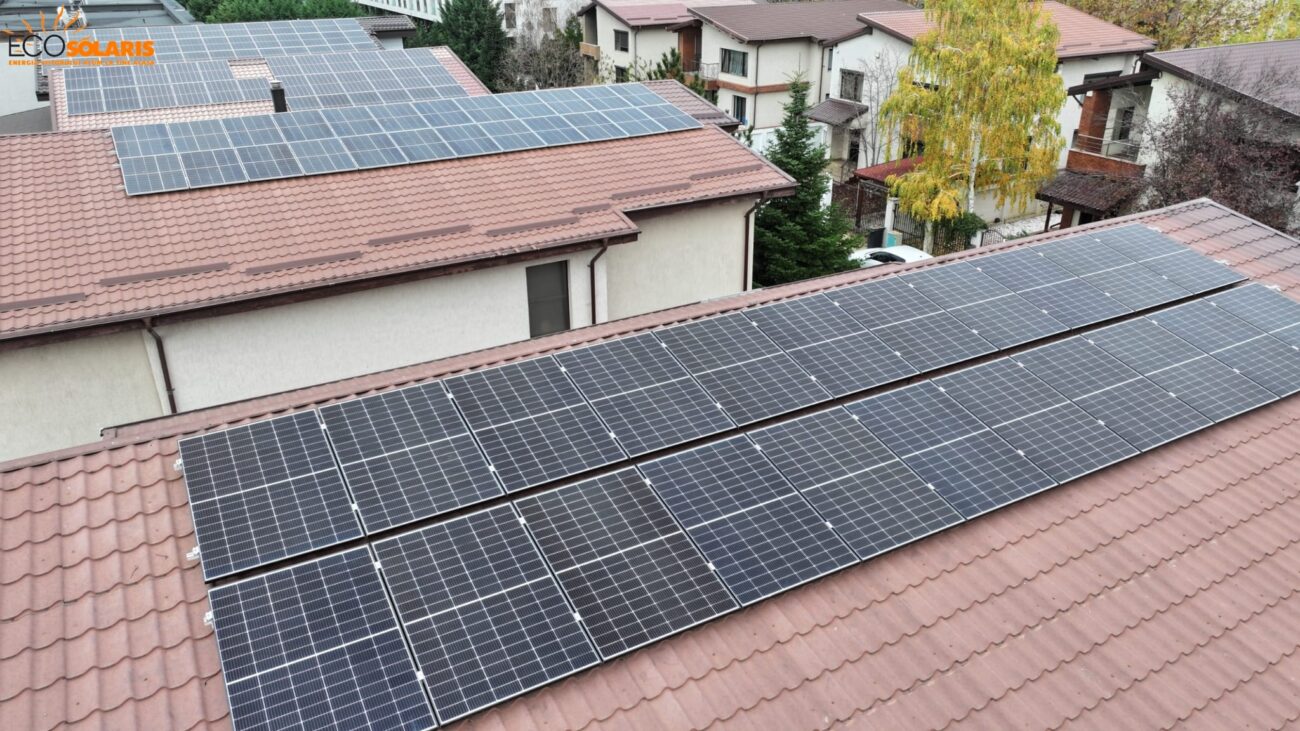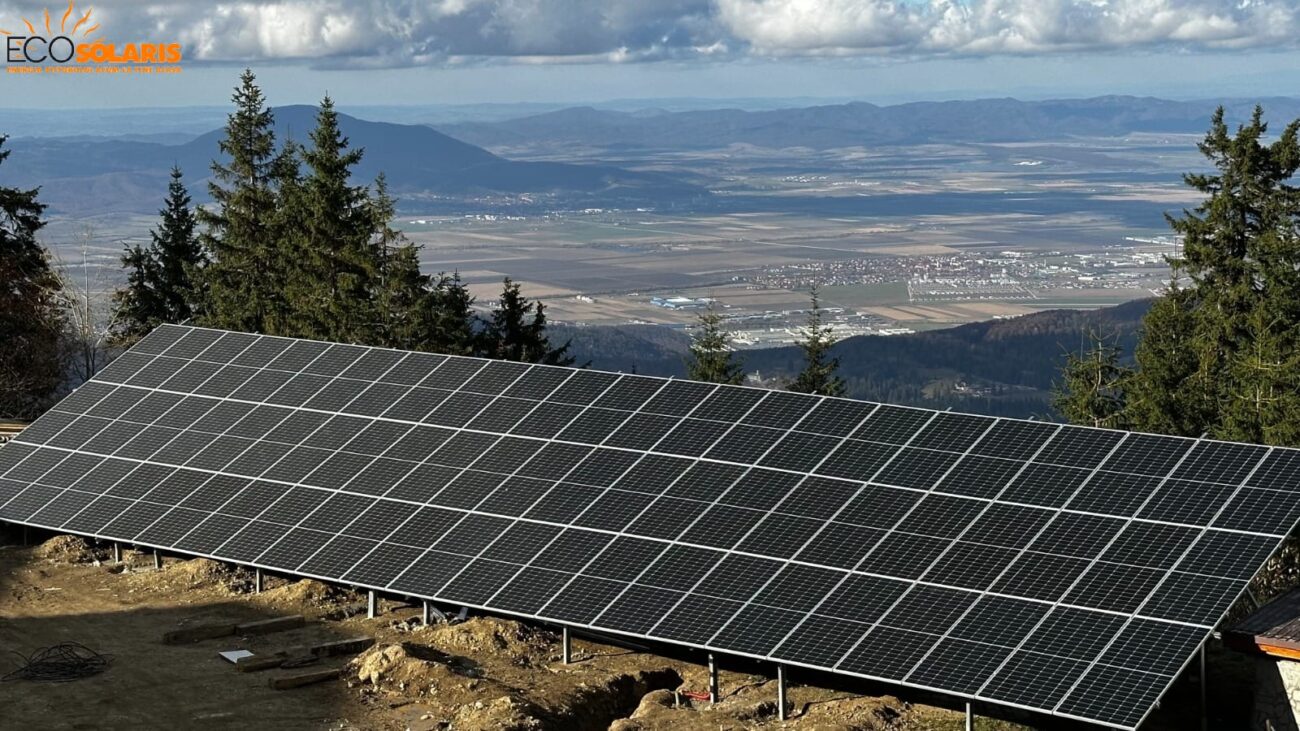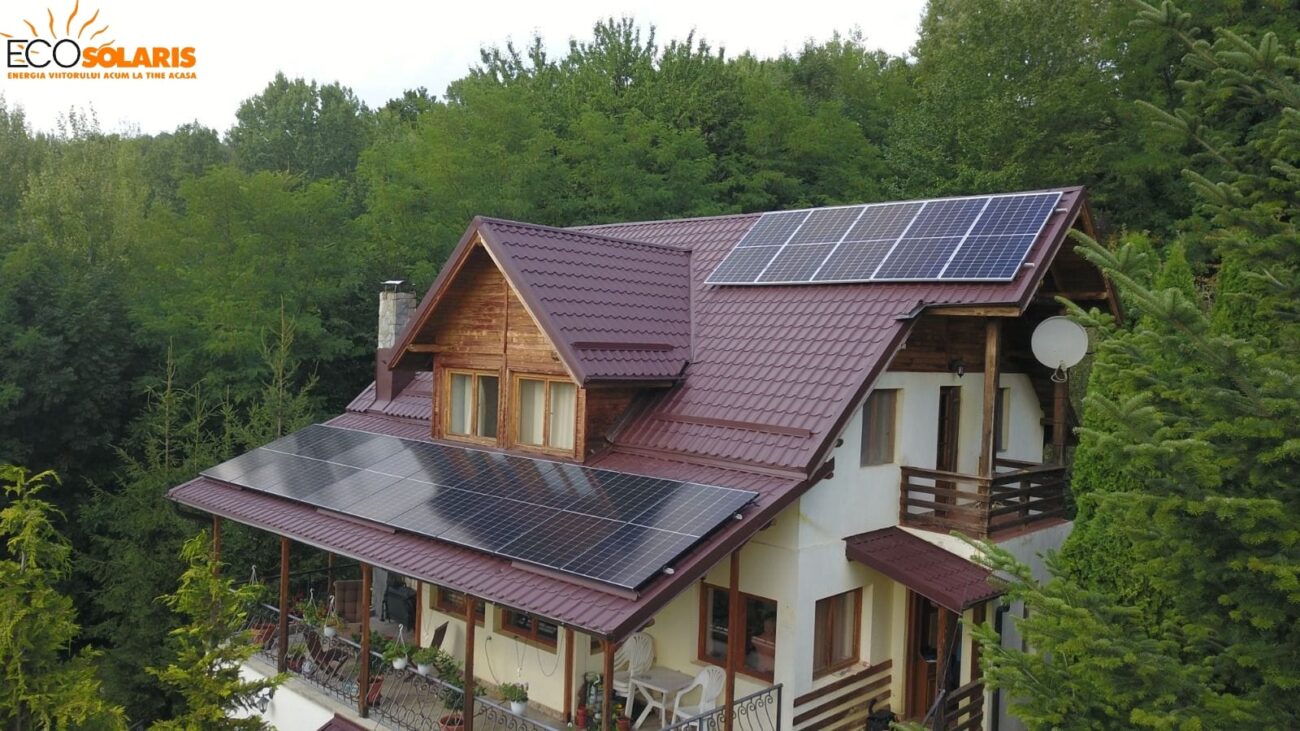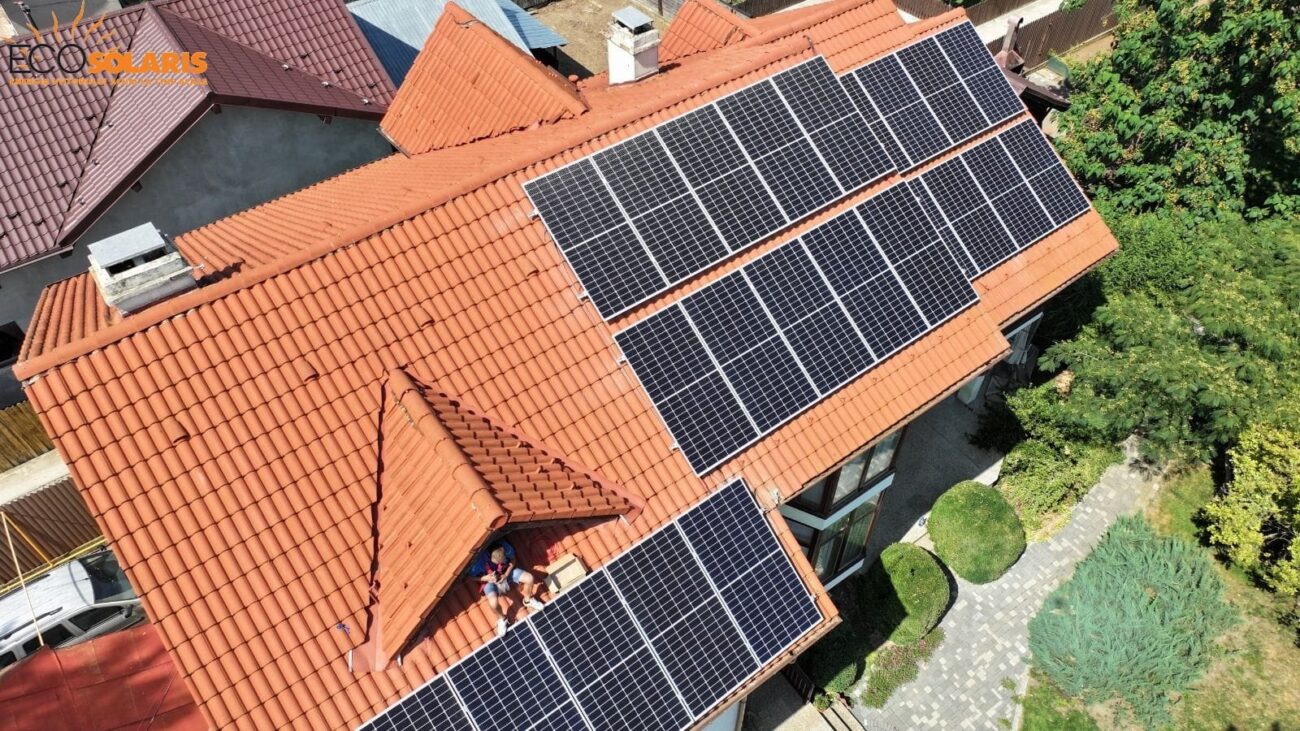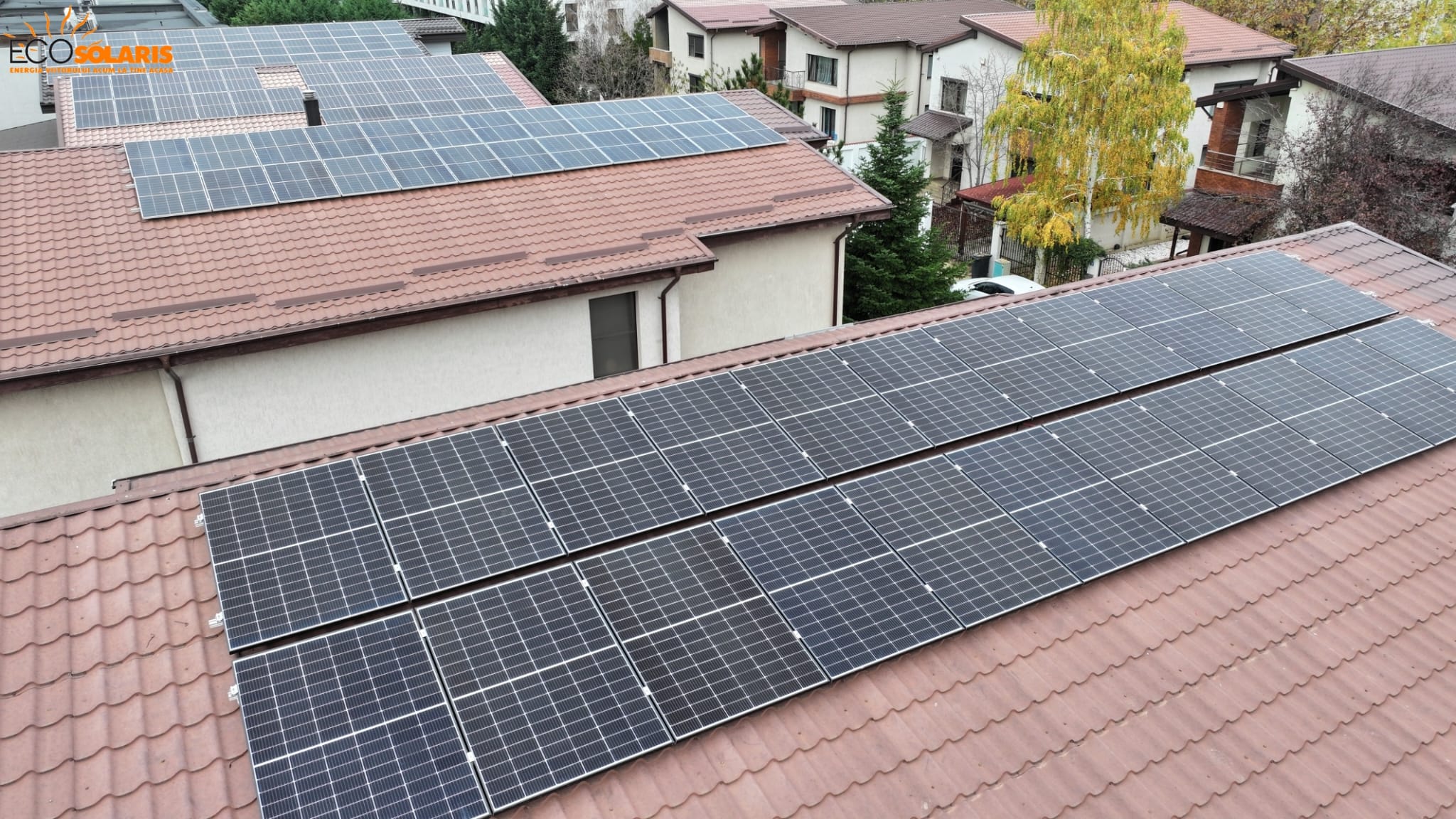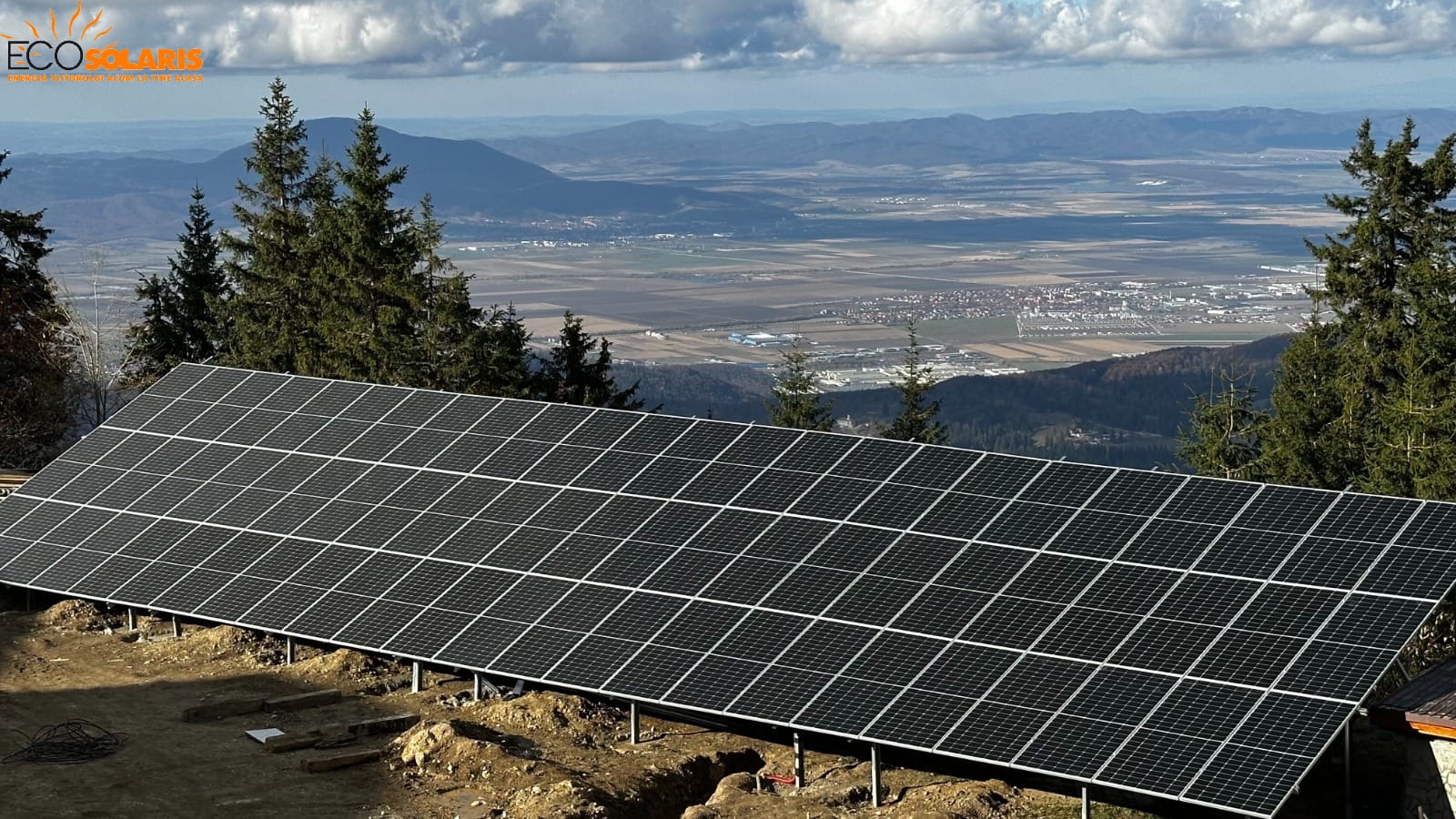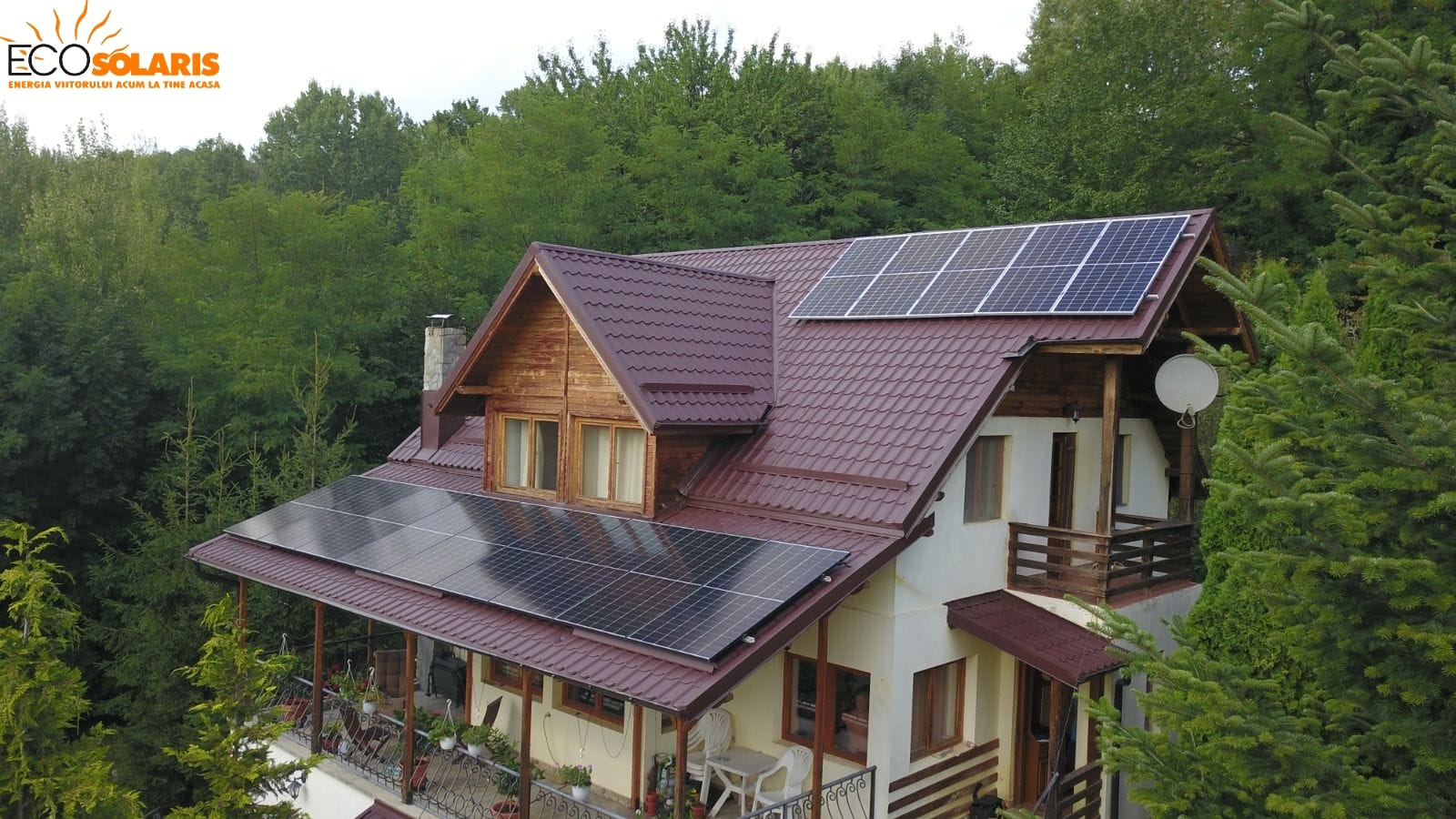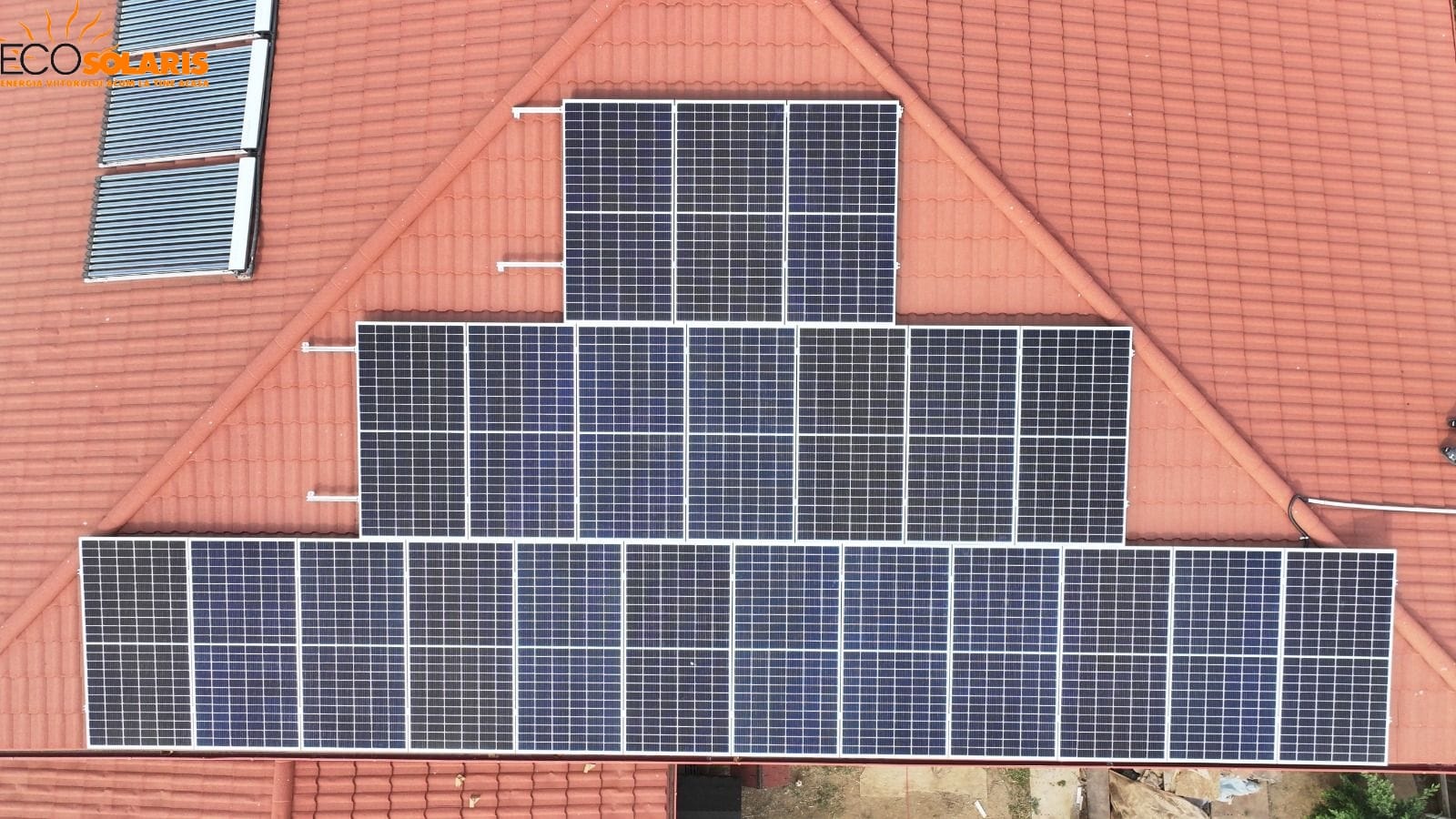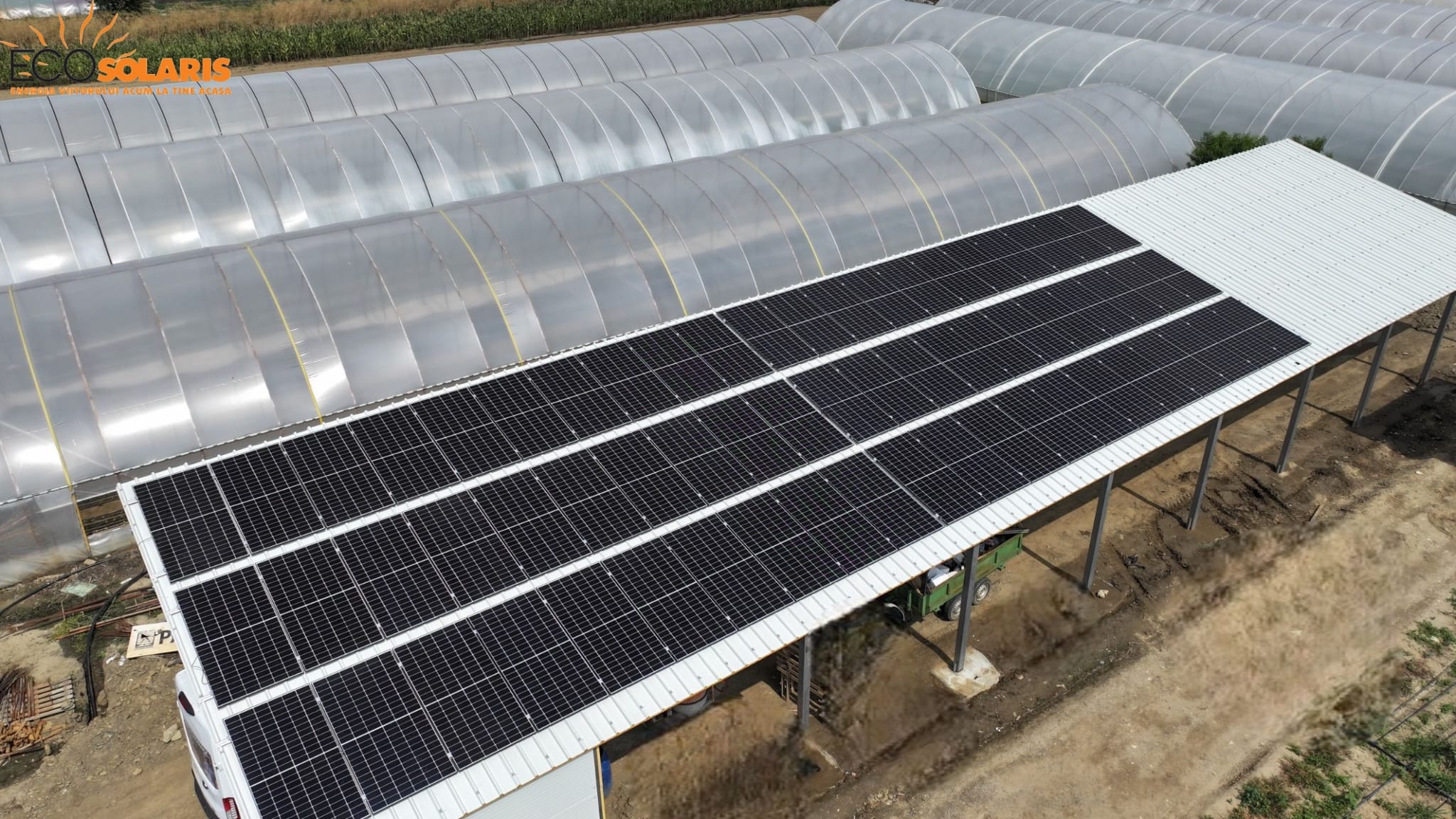




Photovoltaic system Micro-Grid 10 kWp
Energy upgrade with micro-grid architecture
In an economic context increasingly oriented towards efficiency, sustainability and autonomy, investments in smart energy infrastructures become a priority. One of the most efficient modern solutions is the micro-grid type photovoltaic system, able to meet the current needs of independence and control of consumption.
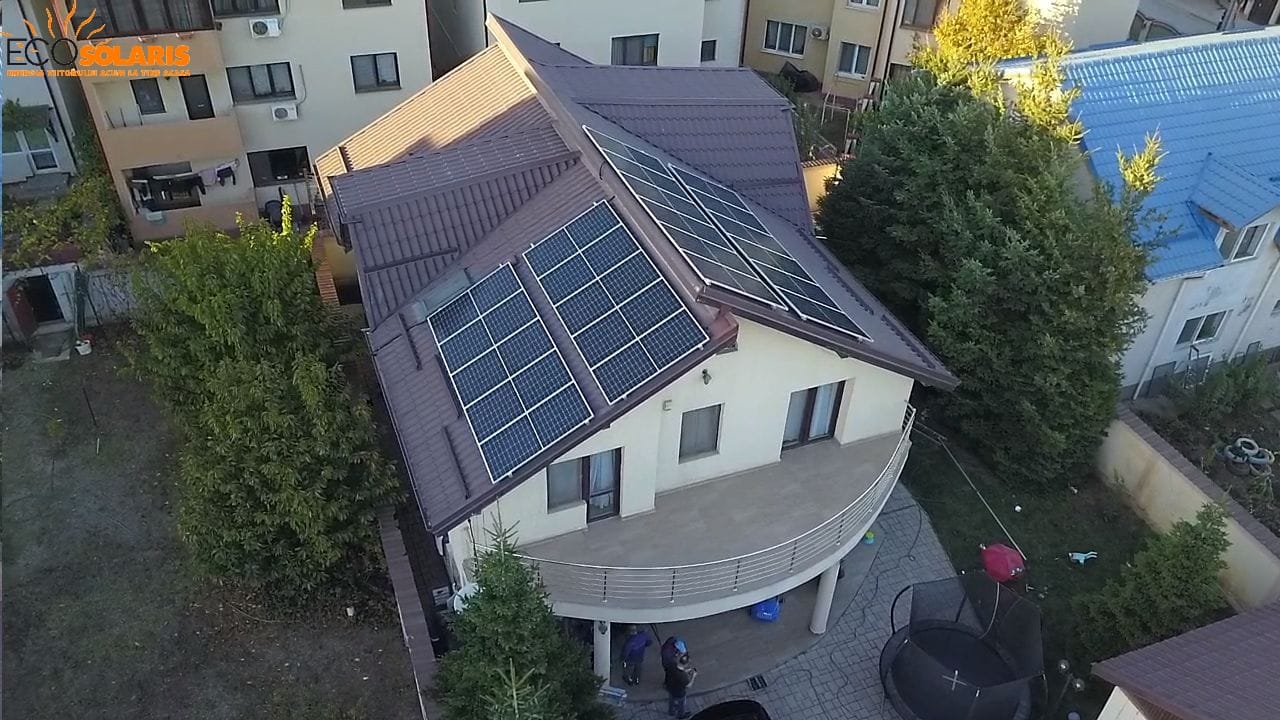
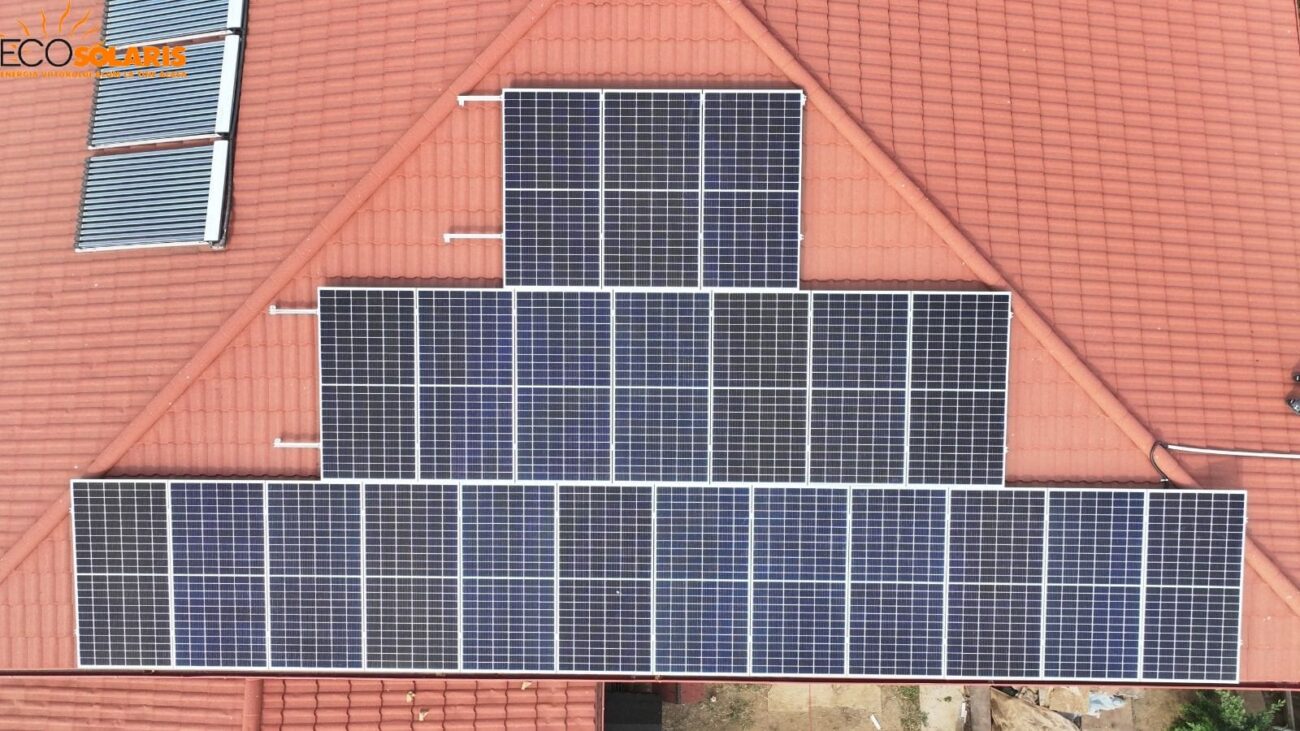
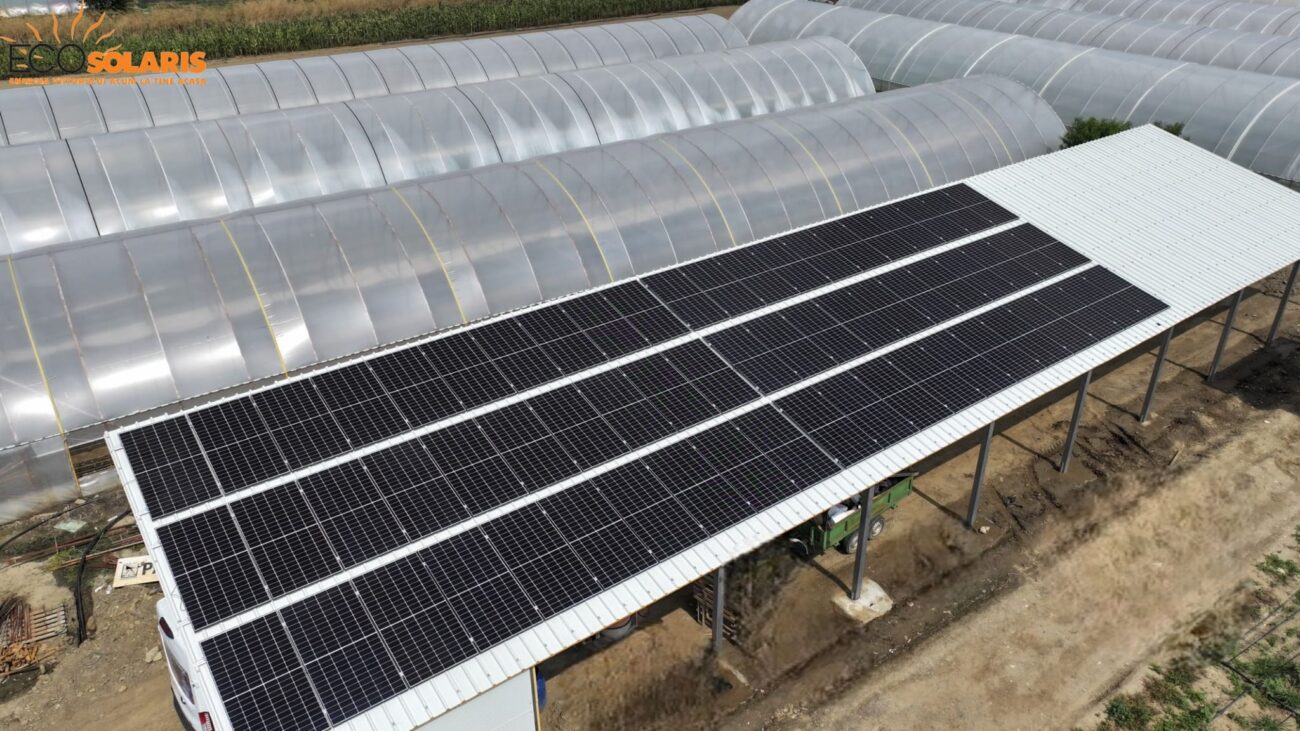
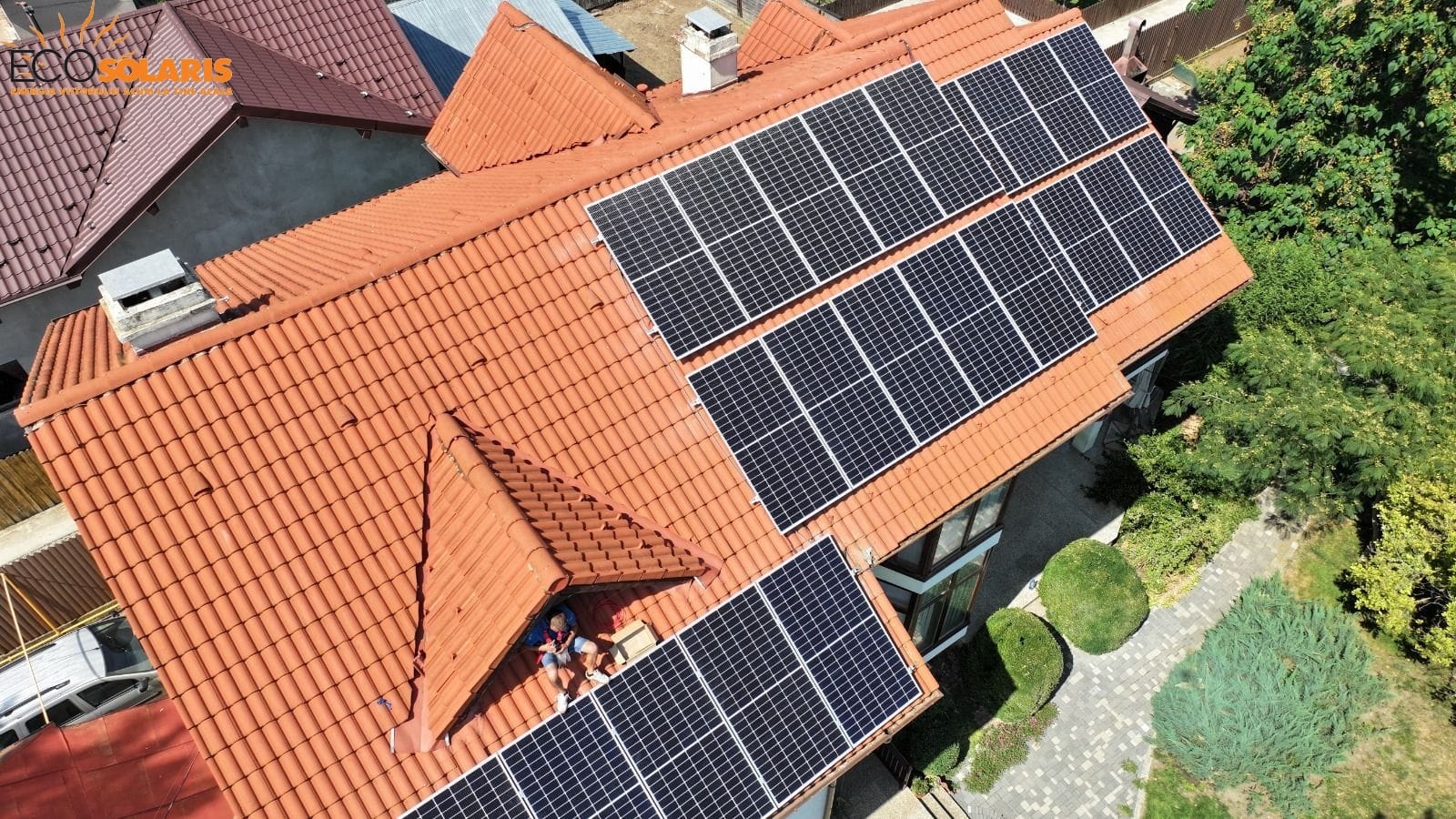
This article details a professional implementation of a 10 kWp micro-grid system configured to provide consistent performance and flexibility of use. We will analyze the stages of the project, the equipment used and the long-term advantages of such a solution.
The energy context and the need for autonomous solutions
In a world where reliance on the public electricity grid carries ever-increasing risks – from blackouts to significant price increases – micro-grid energy solutions are becoming a logical and sustainable alternative. These systems are built to provide an independent, scalable power source capable of serving both households and commercial applications.
Setting up a 10 kWp micro-grid system requires a careful balance between energy production, energy storage and smart consumption distribution. Choosing the right components directly contributes to the reliability of the entire solution.
Project objectives
For this system, the main objective was the development of an autonomous energy infrastructure, which would ensure continuous operation in all conditions and allow efficient consumption management. The system had to meet the requirements of a modern household, with medium-high consumption, but with the clear need to reduce dependence on the national grid.
The solution was developed with emphasis on the following aspects:
Creating a scalable system that can be easily expanded in the future;
Optimization of energy flows between the production source, storage and consumers;
Ensuring a high degree of automation and control over the energy infrastructure;
Integration into an aesthetic and functional setting suitable for residential use.
The components of the 10 kWp micro-grid system
The following equipment was used for the implementation of this project:
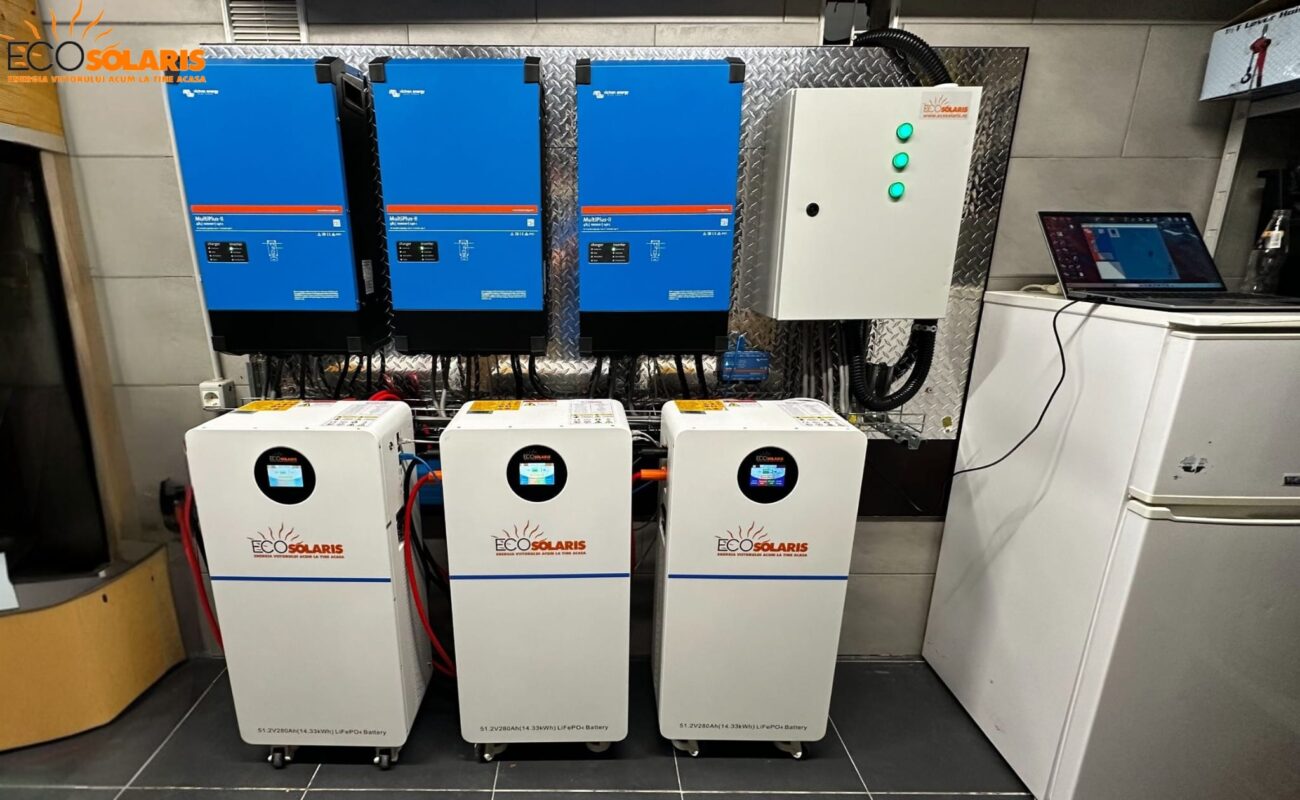
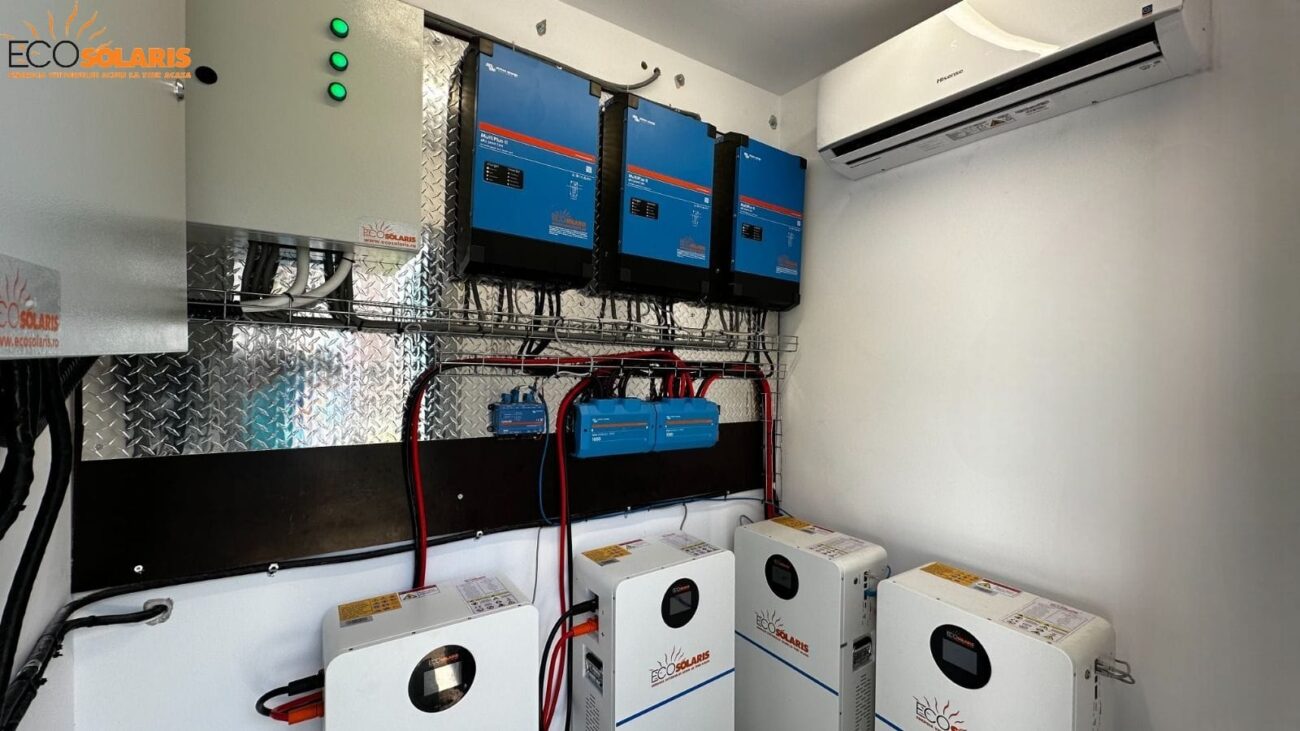
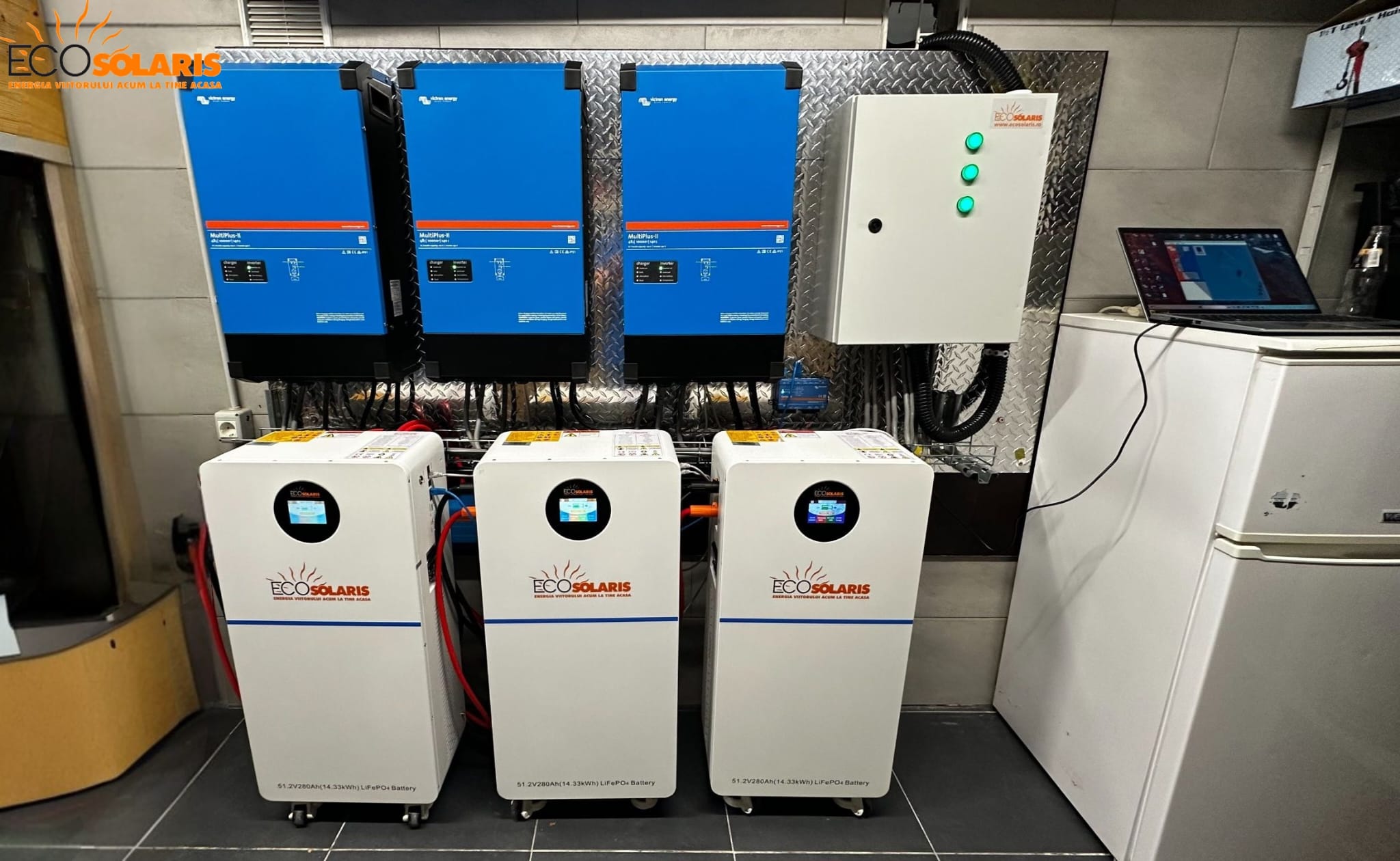
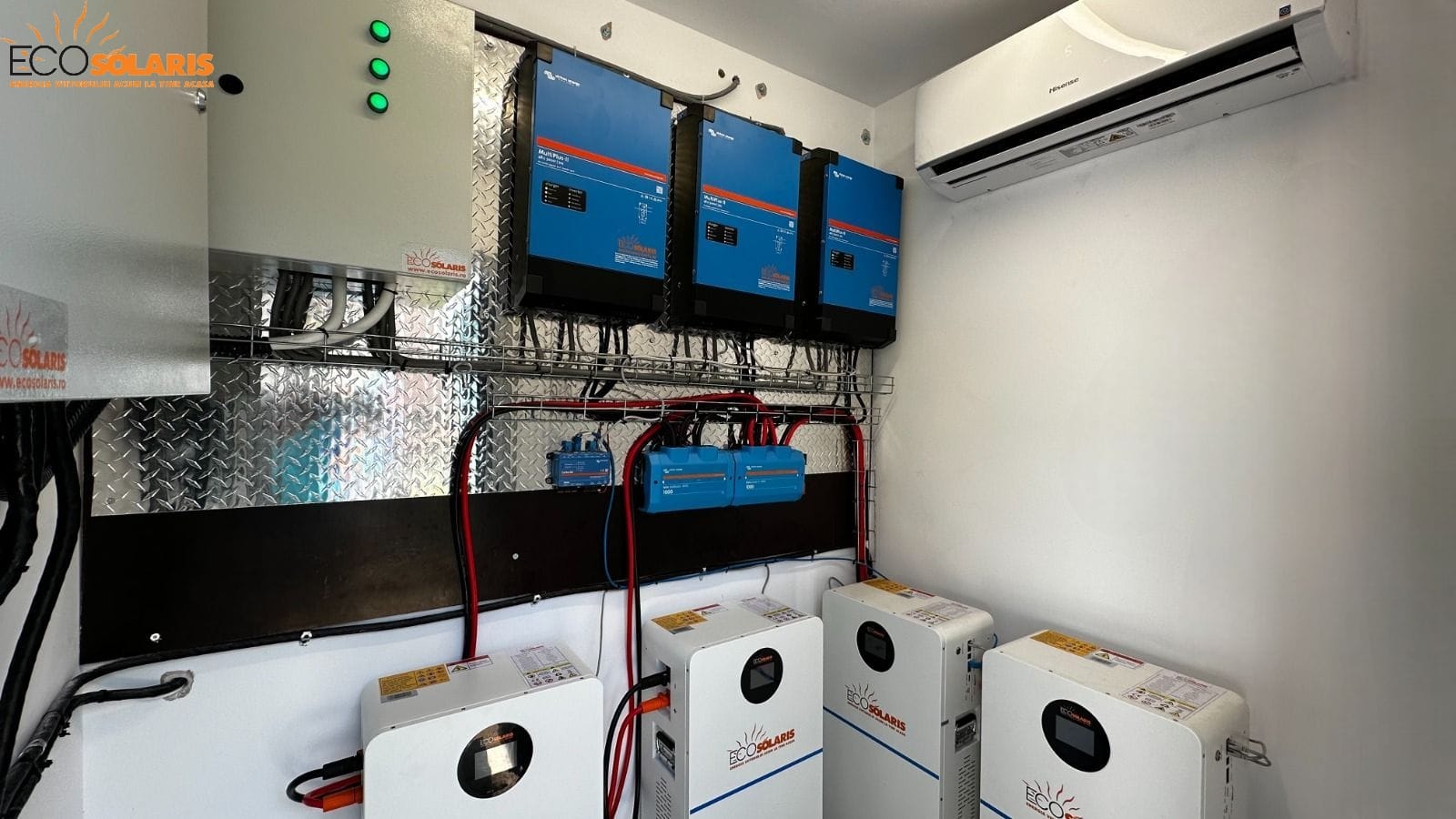
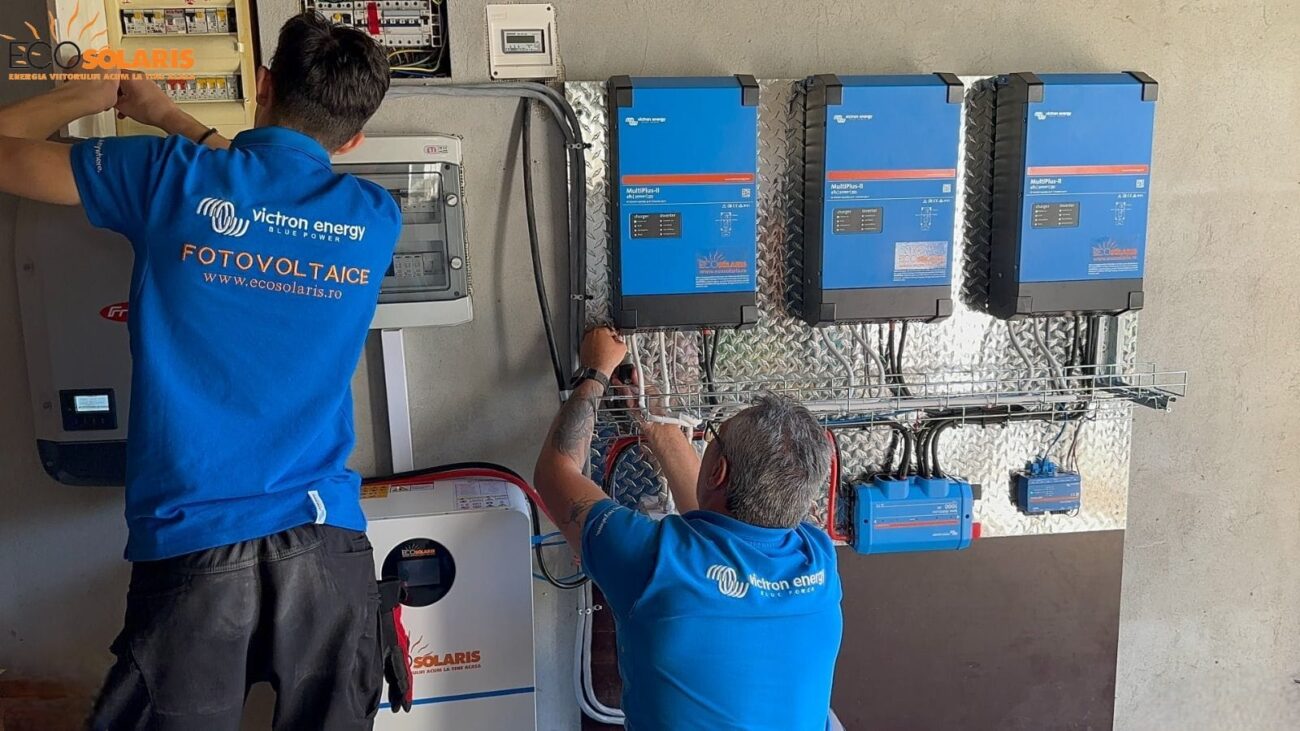
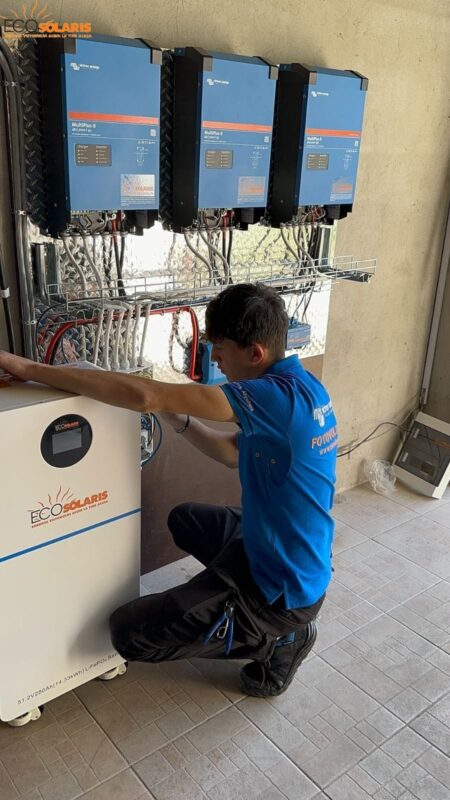
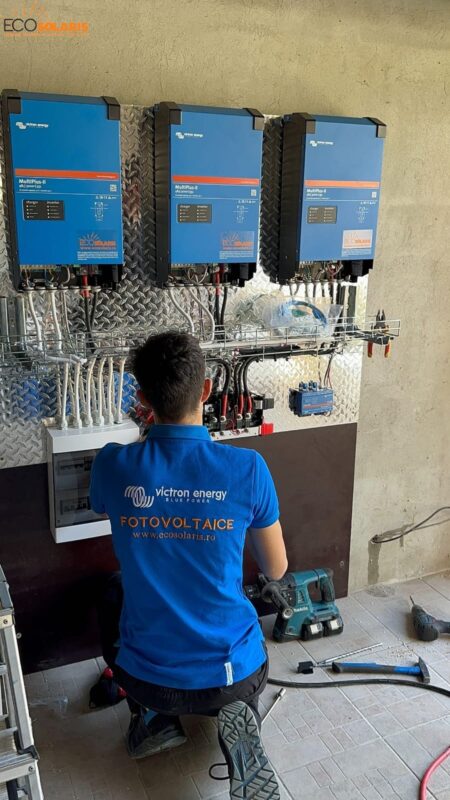
Three inverters Victron Energy MultiPlus-II 3000;
A table of protections and automations;
Cerbo GX for monitoring and control;
Lynx Distributor for current distribution.
This configuration has been thought to ensure an optimal balance between power, storage capacity and flexibility in consumption management. Also, each component was chosen for its excellent compatibility with each other and for the high performance demonstrated in long-term use.
Installation and integration
The installation process of the system was carried out with attention to detail, aiming at both the optimization of the cable routes and the aesthetics of the space where the equipment was installed. The physical integration of the equipment was carried out in a well-ventilated technical space, with easy access for maintenance. [#$$#]
The protection and automation panel has been dimensioned so that it can support a possible future expansion, being provided with fuses, contactors and connection points for new consumers or additional sources. Cerbo GX allows real-time visualization of energy flows and adaptation of system behavior according to user preferences.
Benefits obtained from implementation
By integrating this micro-grid solution, the beneficiary of the system was able to achieve a significant degree of energy autonomy. Peak-hour consumption is powered by produced and stored energy, and interventions from the public grid are minimal. This has a direct impact on monthly costs and provides considerable psychological comfort.
Other benefits identified in the first months of operation include:
Continuity in the supply of electricity in the event of network interruptions;
Reducing dependence on external energy sources;
The possibility of expanding the system with panels, batteries or EV charging stations;
Full monitoring and remote control;
Optimizing consumption according to priorities and time slots.
This architecture allows for increased efficiency in harnessing solar energy, ensuring its storage for later consumption, but also balanced management of critical consumers.
Possible usage scenarios
The system described is ideal for several types of users, including:
Isolated residential households or in semi-rural areas;
Holiday homes used seasonally;
The premises of small businesses with continuous activity (workshops, offices);
Farms or agricultural units with constant energy requirements;
Consumption points for irrigation systems or perimeter lighting.
In all these scenarios, the implementation of a 10 kWp micro-grid system ensures extra security and energy stability, while reducing the carbon footprint and creating the conditions for low long-term costs.
Prospects for expansion and adaptation
One of the major features of this system is its modular architecture. Each of the components used can be replaced or supplemented according to future requirements. Thus, the user can add photovoltaic panels to increase the production capacity, additional batteries for longer periods of autonomy or more powerful inverters to increase the available power.
Also, thanks to the open nature of the control platform, new functions can be integrated, such as the automation of tasks according to market prices, integration with smart home systems or the activation of seasonal consumption profiles.
FAQ about micro-grid systems
What is the lifespan of a micro-grid system? The lifetime of a micro-grid system depends on the quality of the equipment, the operating conditions and the maintenance applied. On average, critical components can operate efficiently for 10 to 20 years with minimal degradation in performance if properly maintained.
Are permits required to install a micro-grid system? It is recommended that the beneficiaries collaborate with a specialized firm to deal with the legal and technical side.
Can a micro-grid operate completely independently of the national grid? Yes, a micro-grid system can operate completely autonomously, especially if it has sufficient storage and generation capacity. However, for maximum redundancy, it is recommended to integrate a backup source such as an automatic generator or grid connection as a secondary solution. [#$$#]
Can the system expand over time? Yes, micro-grid systems are generally modular. This means that panels, batteries or even advanced automation components can be added later without requiring the replacement of existing ones.
Conclusion
The micro-grid photovoltaic system with a capacity of 10 kWp, equipped with three Victron MultiPlus-II 3000 inverters, a 15 kWh LiFePO4 EcoSolaris battery, protection and automation panel, Cerbo GX and Lynx Distributor, represents a complete, modern and scalable solution for users who want to achieve real energy independence.
Without going into technical details, we can conclude that this project clearly demonstrates the added value of a well-designed energy infrastructure. Efficiency, reliability and flexibility are the key attributes that make such a system a safe investment for the energy future of any home or business.