



Photovoltaic system Micro-Grid - storage 45 kWh
A step towards energy independence
In a global context where the transition to renewable sources is becoming increasingly urgent, more and more consumers are choosing energy solutions that offer them independence, efficiency and sustainability. Among these solutions, micro-grid systems stand out for their ability to operate both connected to the national grid and in a completely autonomous mode, offering maximum flexibility to users.
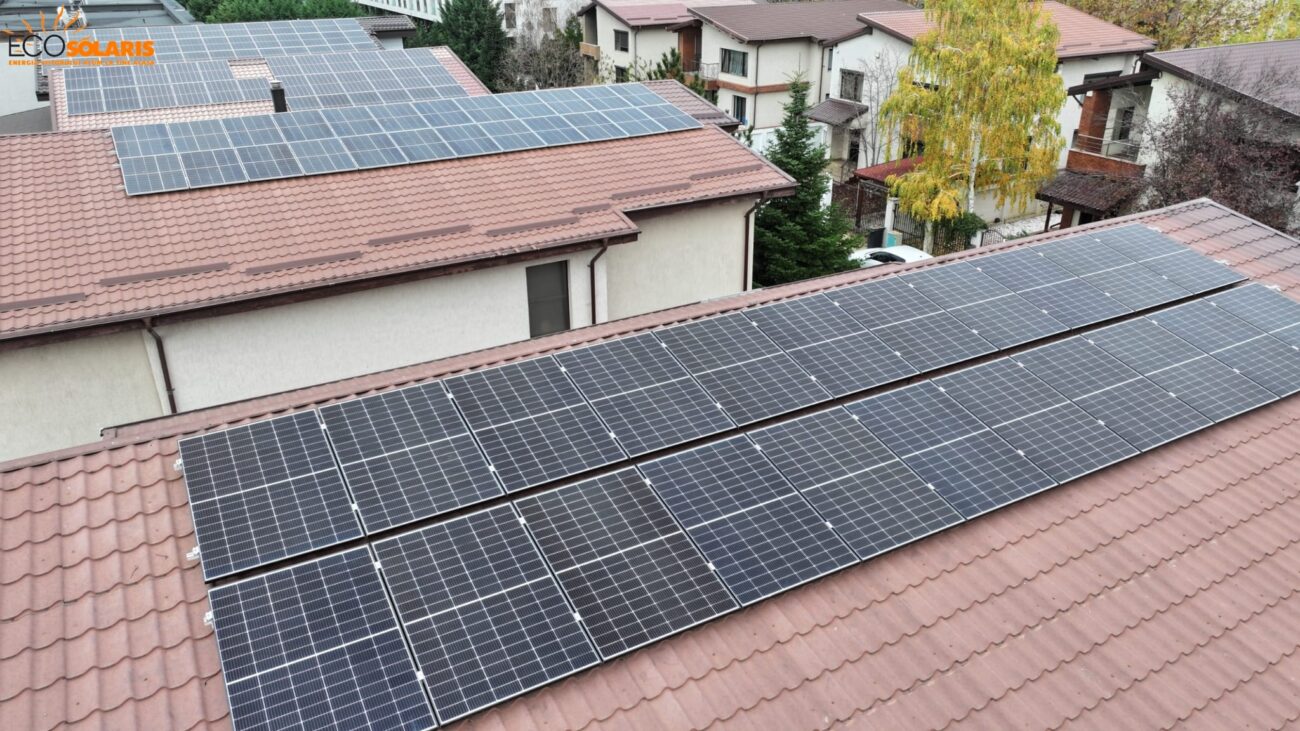
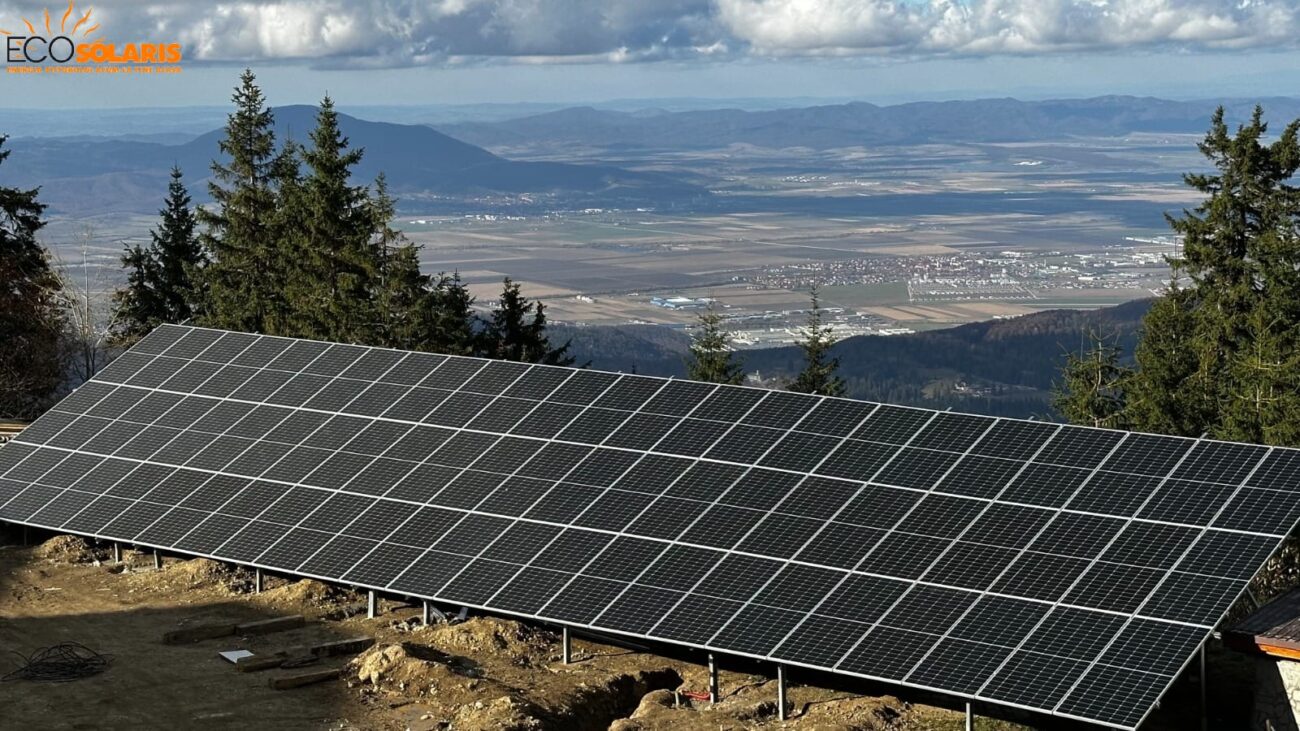
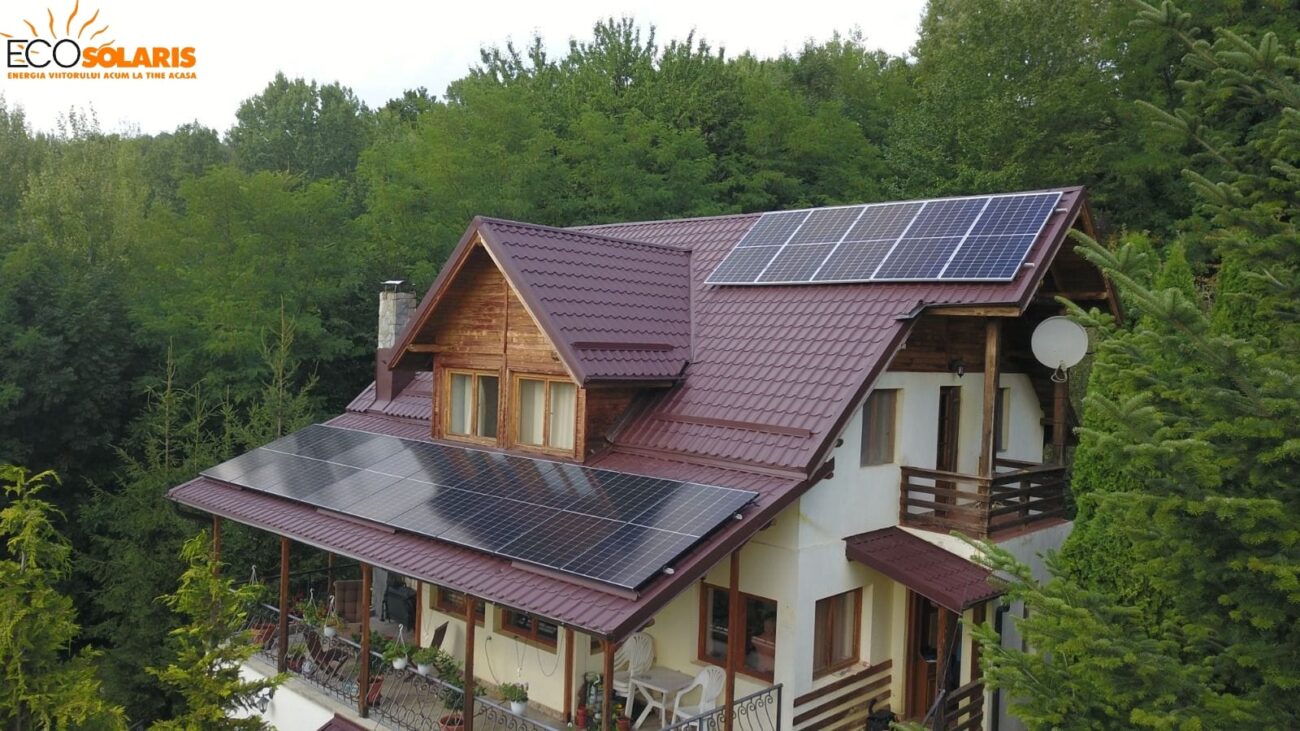
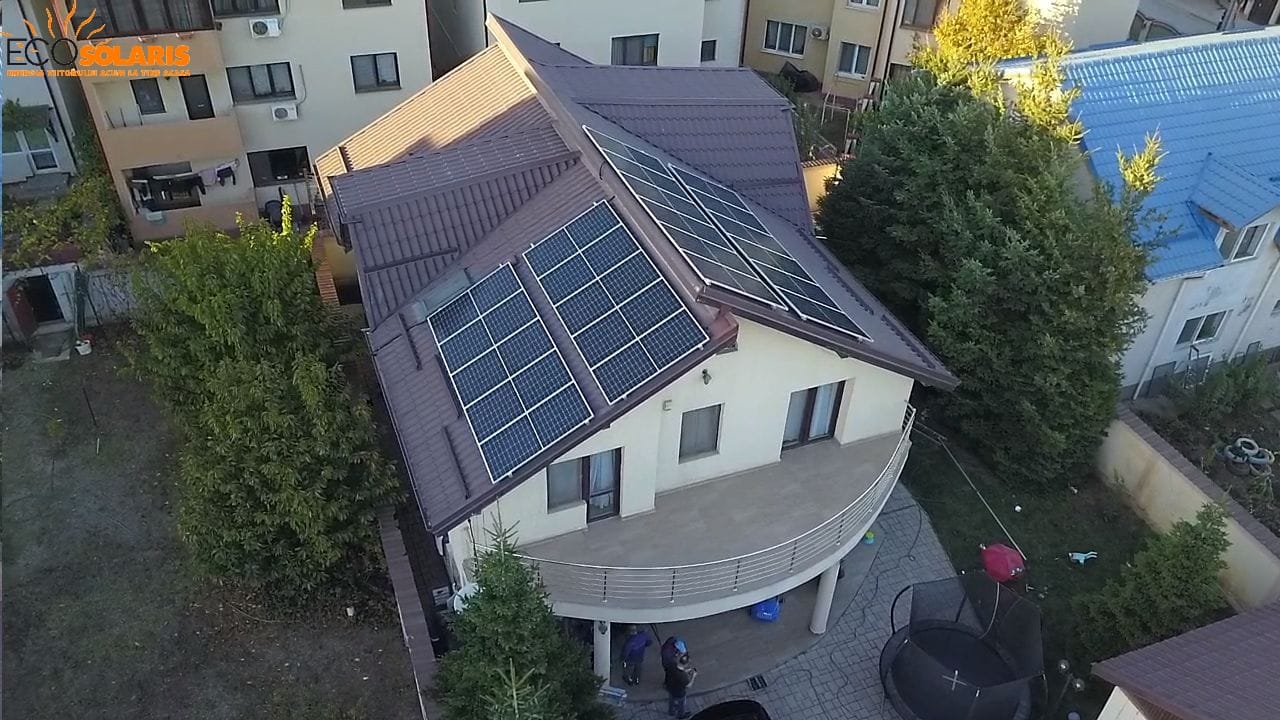
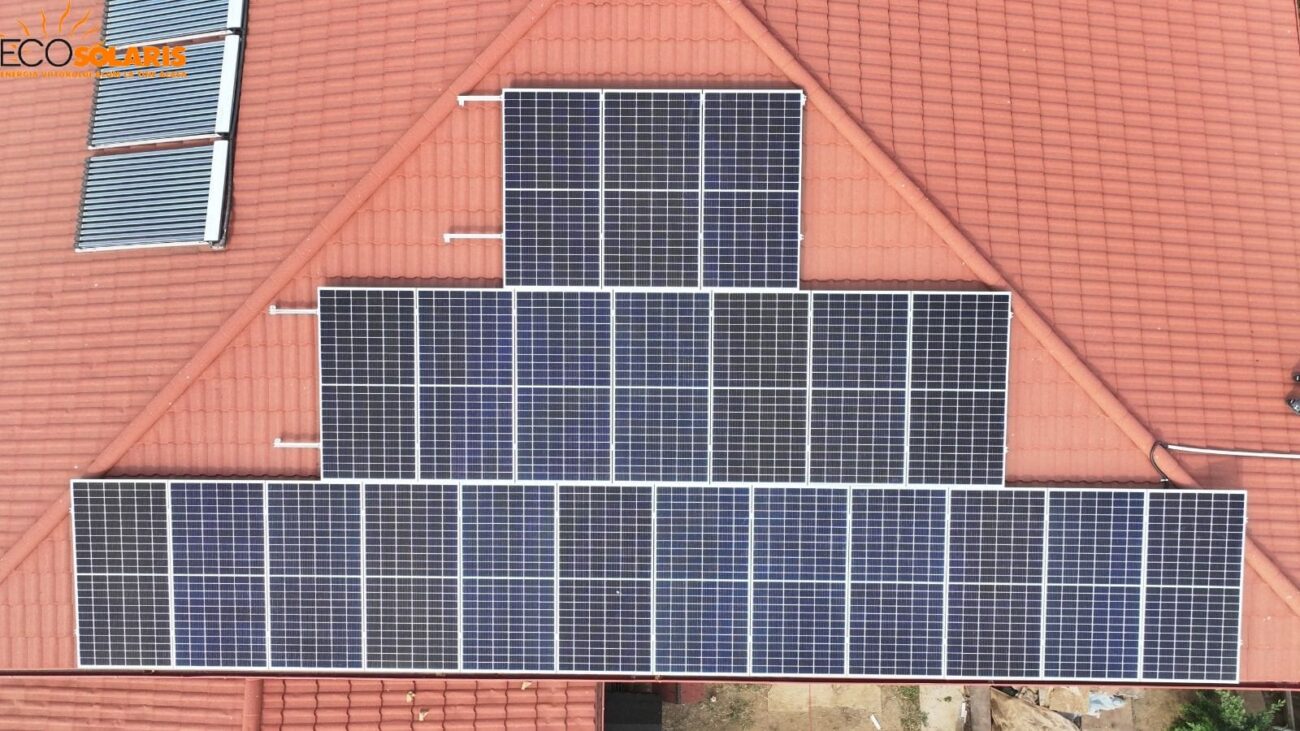
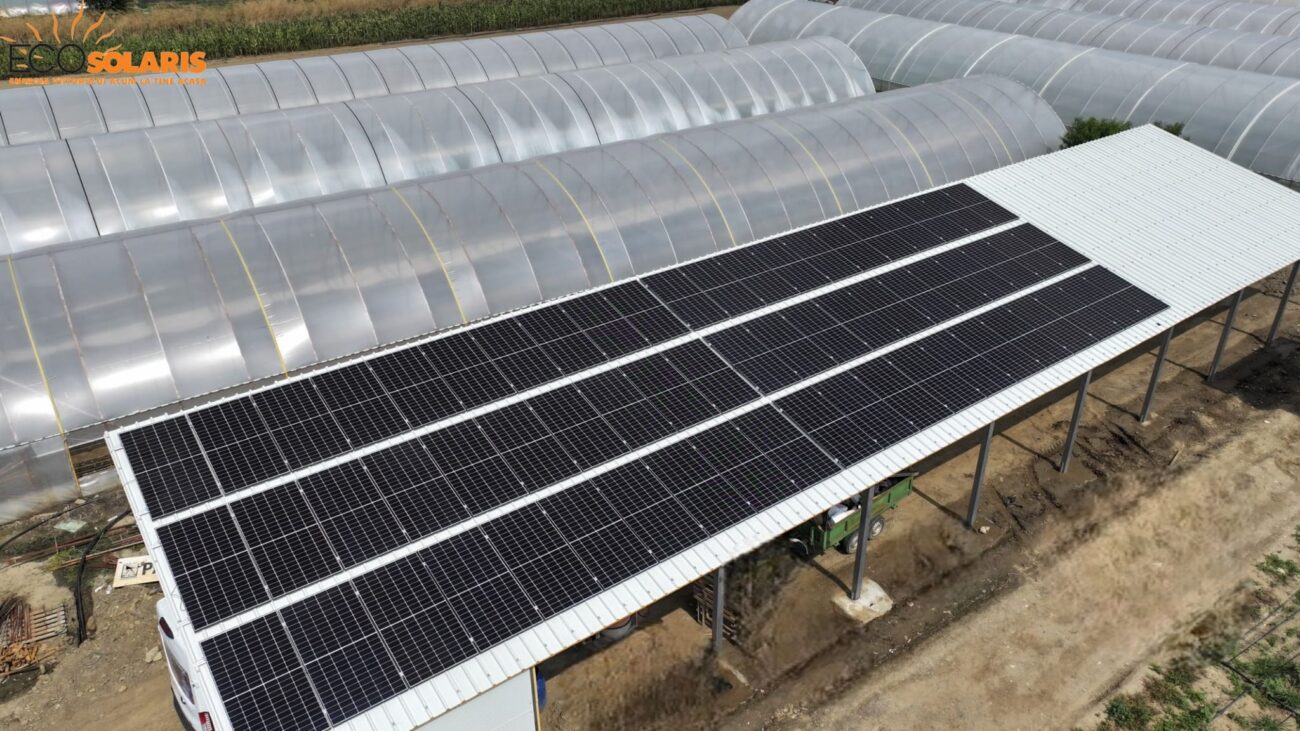
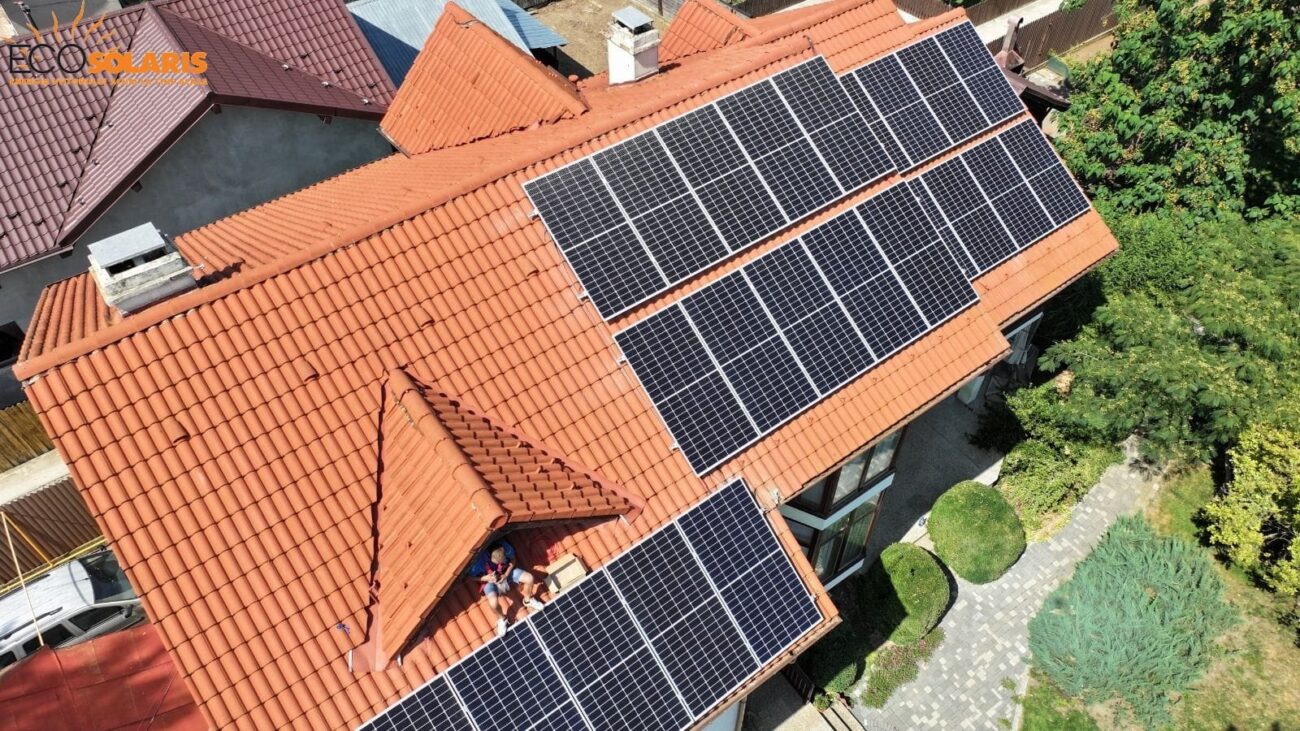
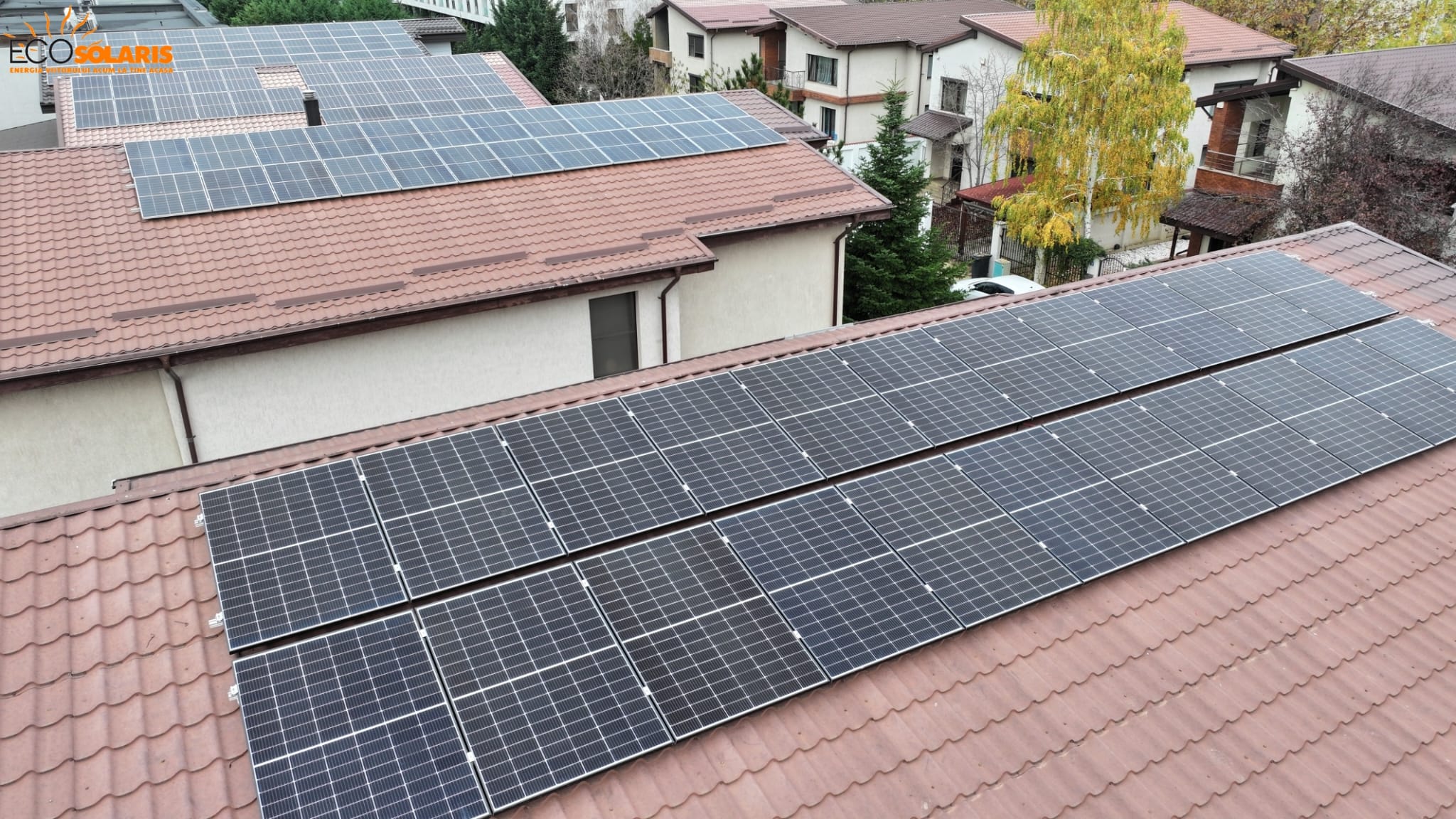
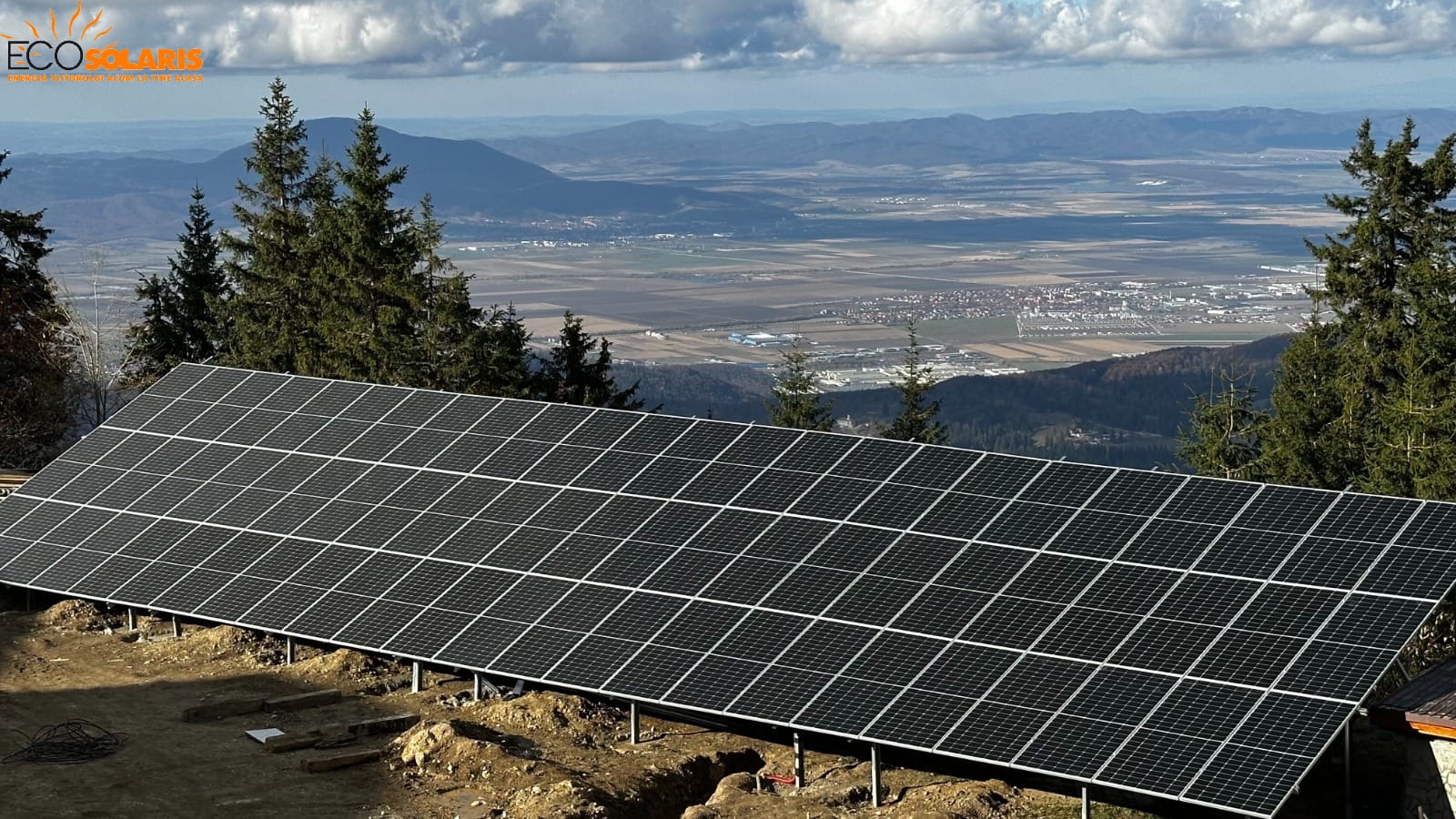
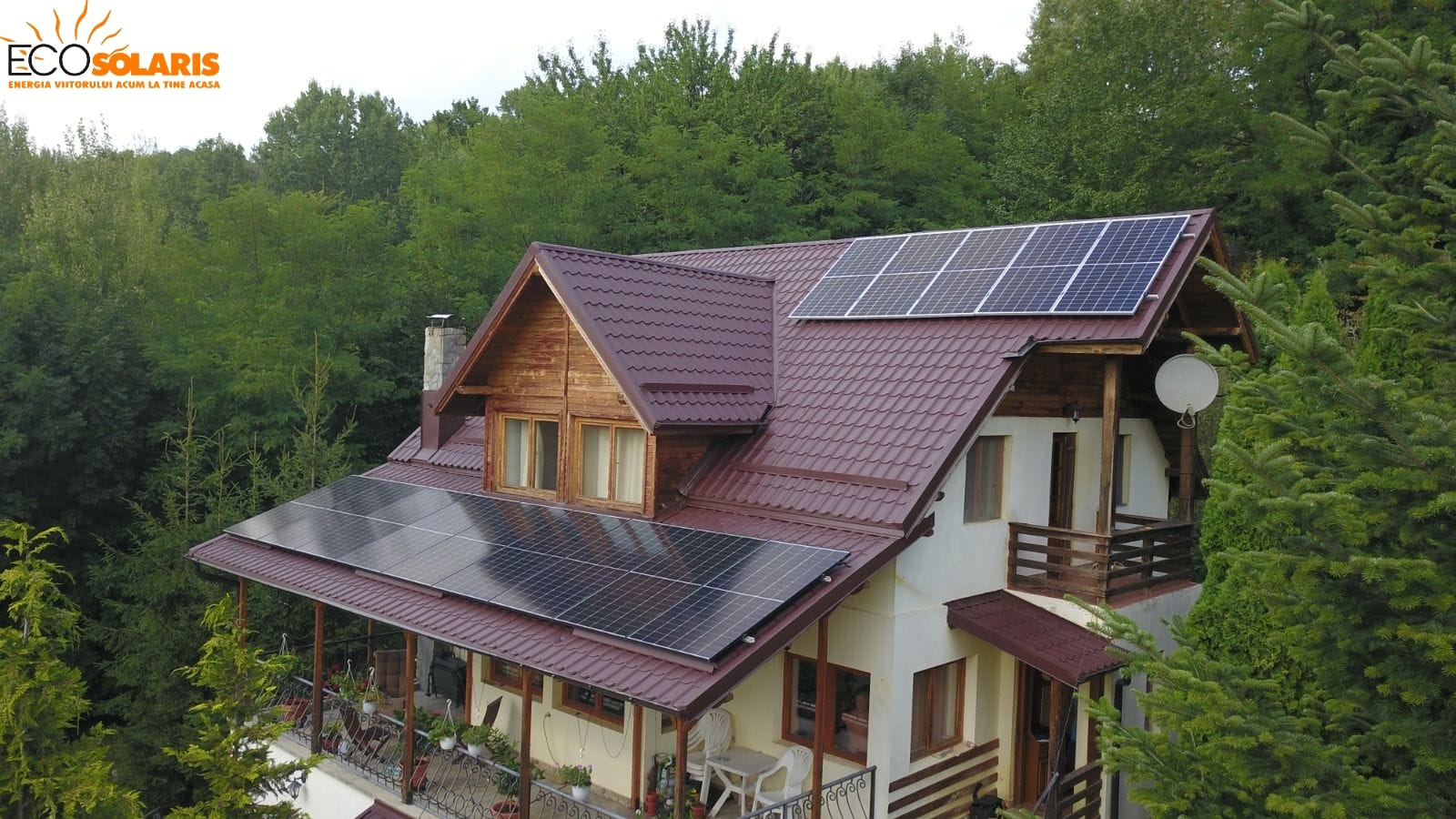
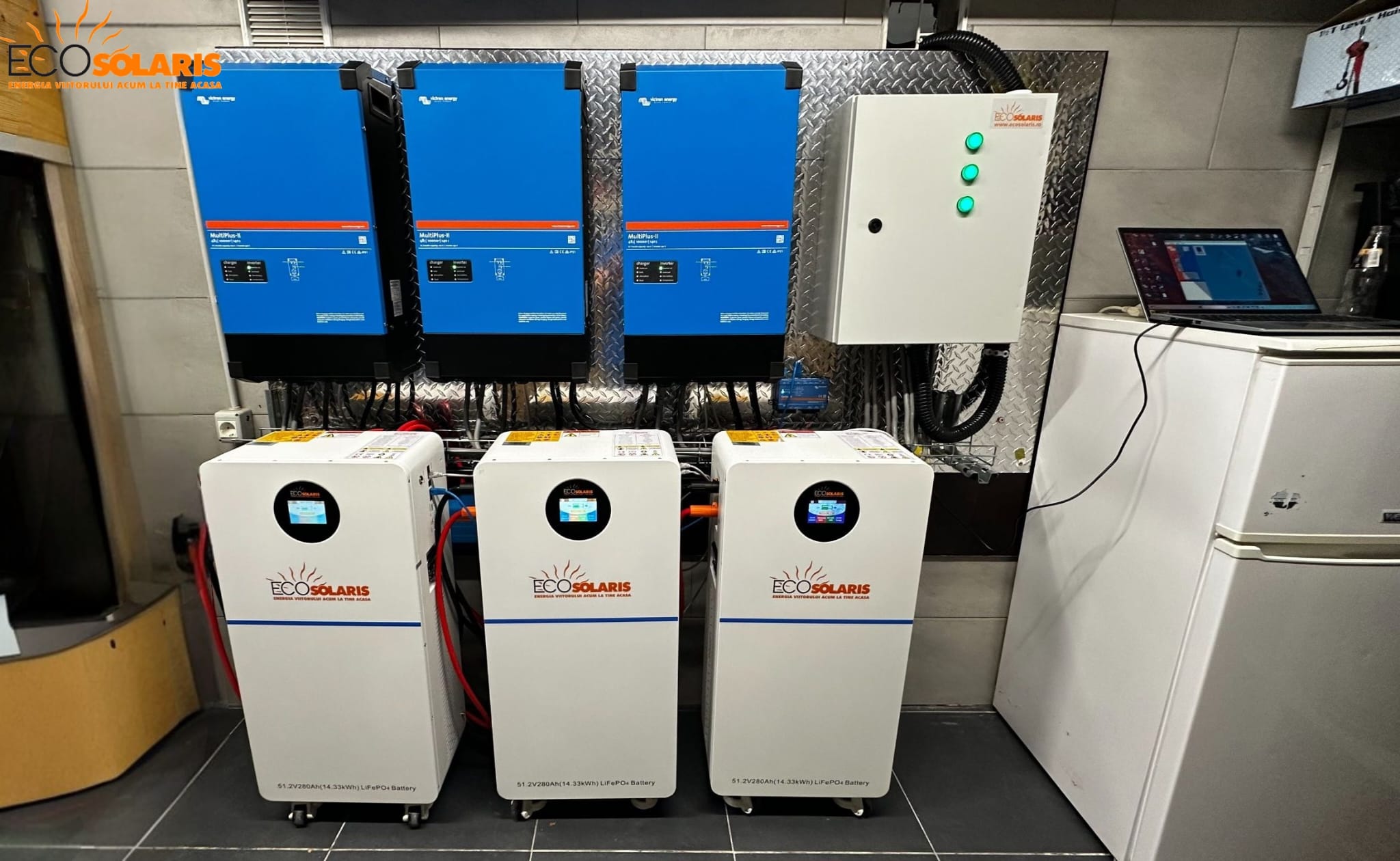
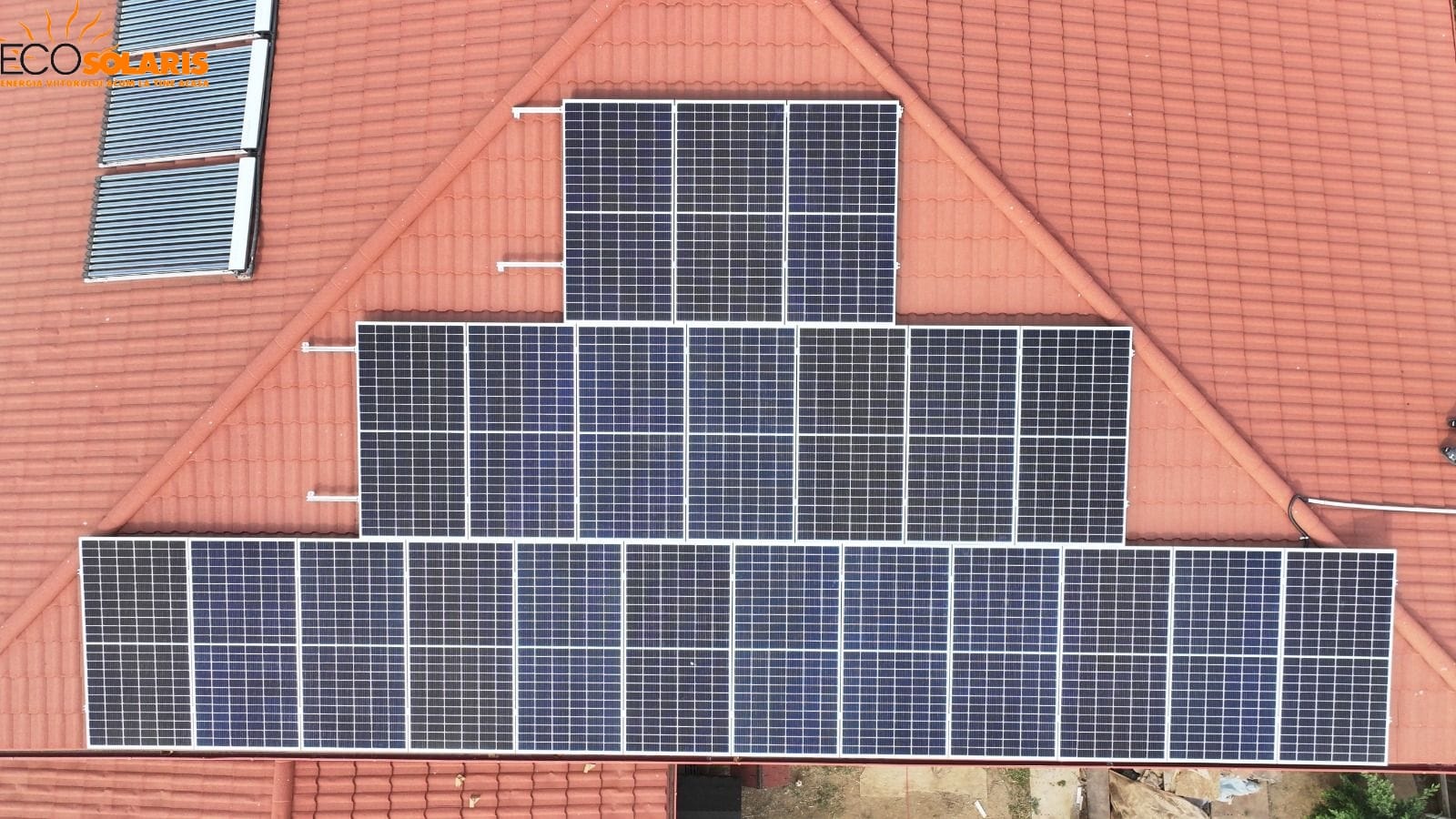
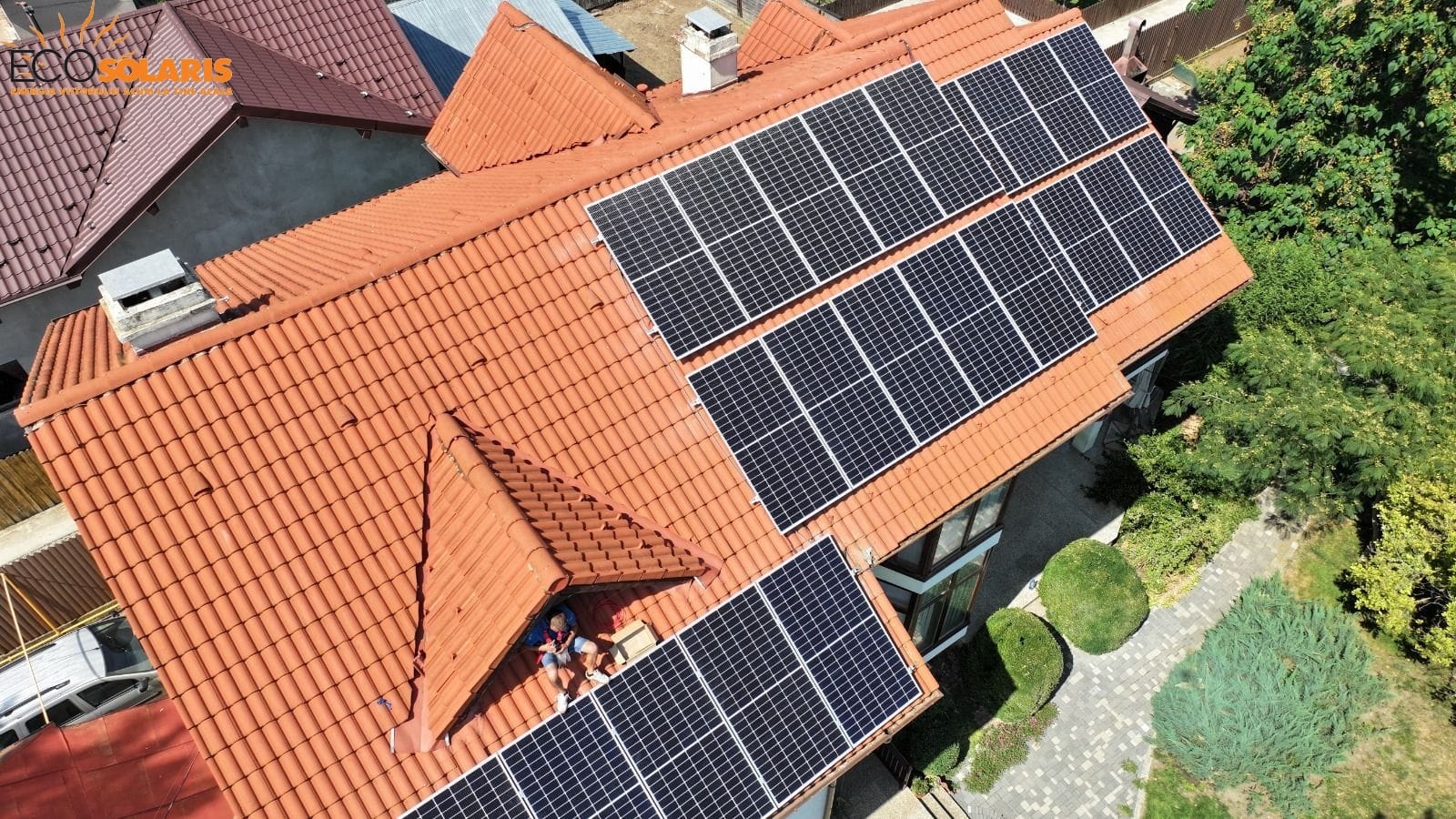
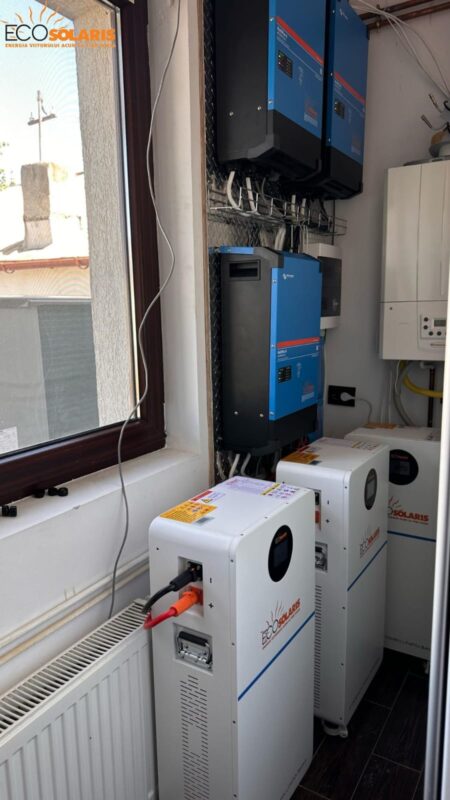
A recent example is the project implemented for a residential client who opted for the installation of a 20 kWp photovoltaic system, designed as a fully functional micro-grid. The choice of this type of system was motivated by the client's clear desire to become as energy independent as possible, both in terms of monthly costs and in the face of potential network interruptions. To this end, the system includes a generous storage capacity, consisting of three LiFePO4 Ecosolaris batteries, totaling 45 kWh – a configuration that allows real autonomy, even in periods of low solar radiation.
The context of choosing the micro-grid system
The target customer is a residential user with a significant but variable energy consumption throughout the year. Its main objective was to reduce dependence on the public grid and protect against the risks of price increases or unanticipated power outages.
In addition to the desire for autonomy, another important aspect was flexibility: the possibility of expanding the system in the future by adding new panels, batteries or consumption points. Thus, the chosen configuration was a scalable one, with open architecture, which would allow adaptations according to the evolution of needs or regulations.
Detailed description of the chosen equipment
Fronius Symo 20.0-3-M inverter
At the heart of the photovoltaic network is the Fronius Symo 20.0-3-M inverter, a three-phase device ideal for large residential or small commercial applications. It is appreciated for its high efficiency, ability to manage multiple strings and intuitive interface that allows quick integration with monitoring systems. Its choice was based on its time-proven performance and excellent compatibility with various installation scenarios.
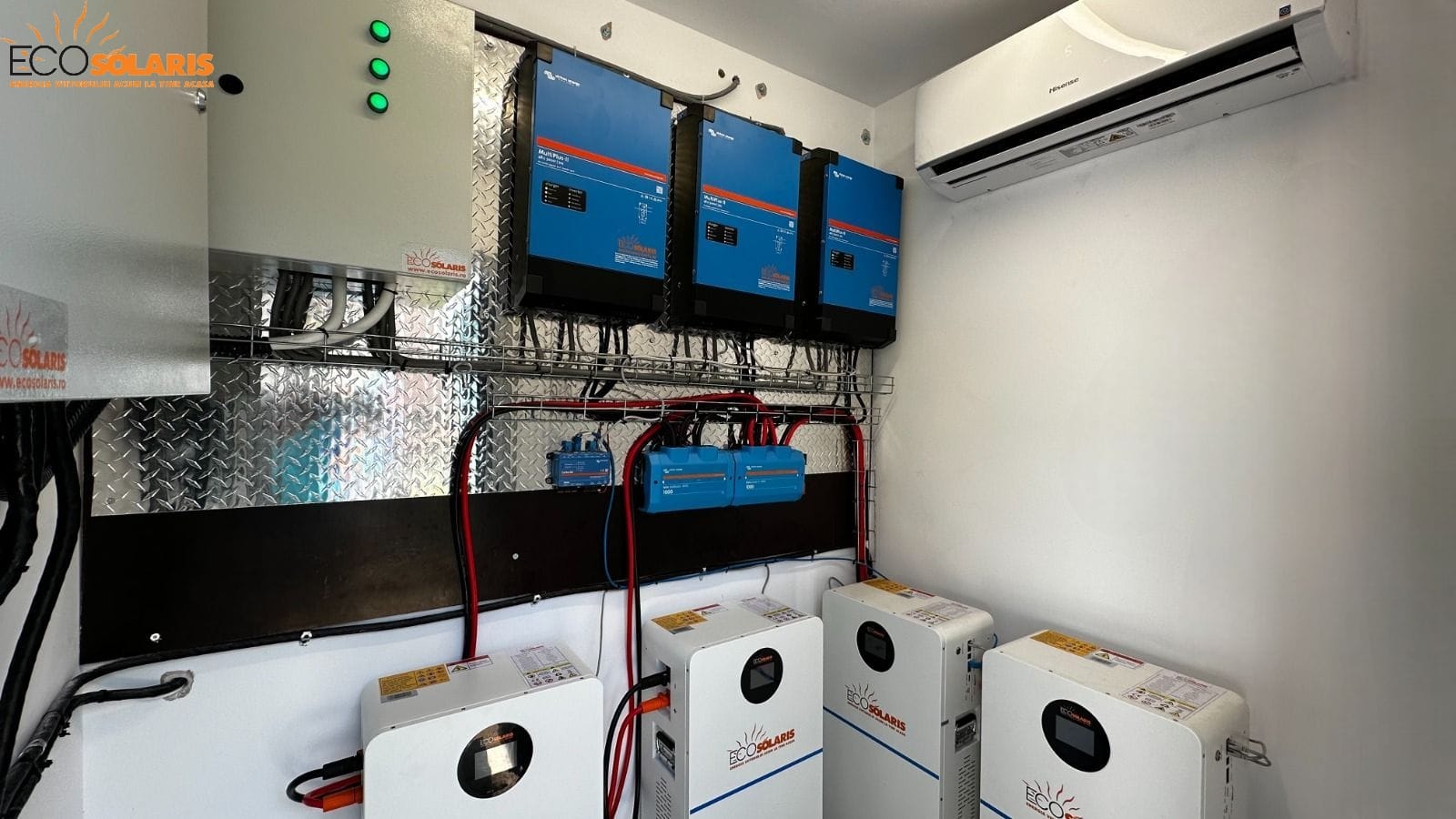
The inverters Victron Energy MultiPlus 8000 VA
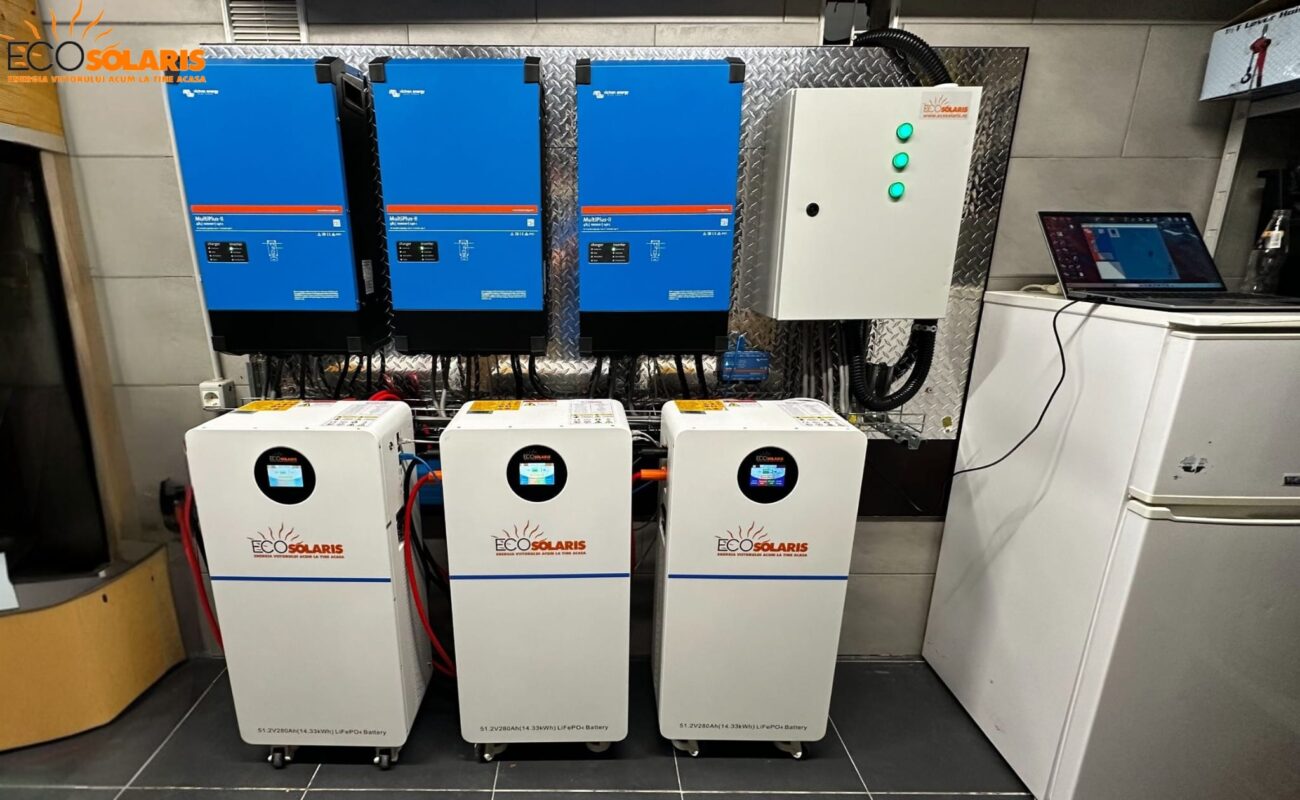
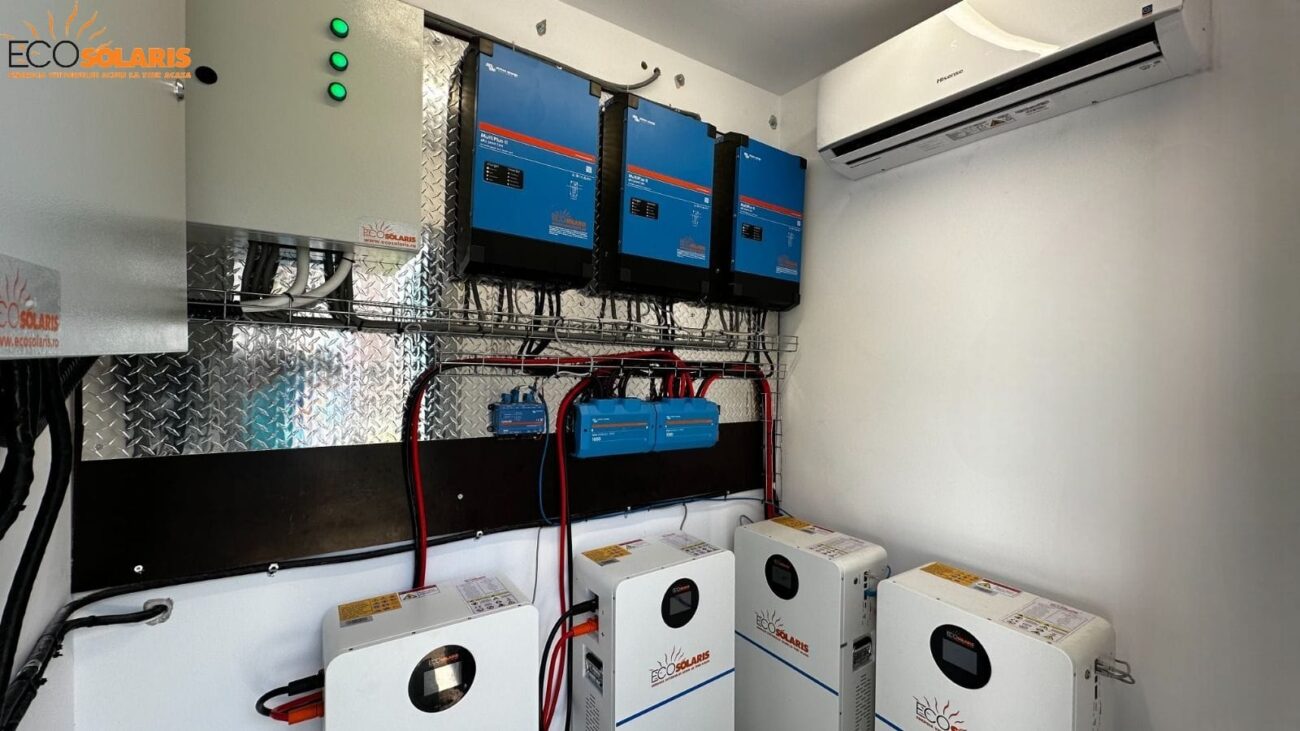
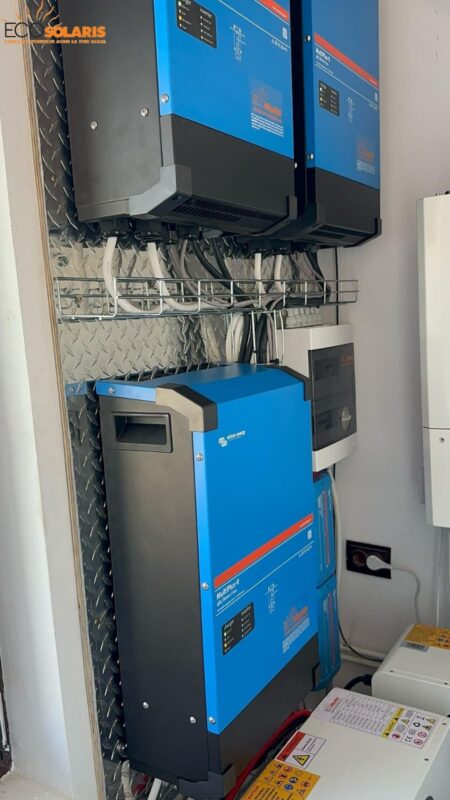
To ensure off-grid operation, the system was equipped with three Victron Energy MultiPlus inverters, each with a power of 8000 VA. Working in parallel, they provide a combined capacity sufficient to support the entire home, including in an emergency. Advantages include instant switching between sources (mains, batteries, generator), high reliability and fine control over power distribution.
Ecosolaris LiFePO4 accumulators – 45 kWh in total
An essential aspect of system autonomy is storage capacity. In this case, the customer opted for three LiFePO4 Ecosolaris batteries, each with a capacity of 15 kWh. The choice of this solution was determined by the extended life cycle, superior thermal stability and operational safety compared to other technologies. With a total of 45 kWh, the system can power the home for several hours or even days, depending on consumption, without input from the grid.
Other essential equipment
In addition to the main equipment, the system integrates a series of components that contribute to safe and efficient operation:
- Lynx Distributor & Lynx Power In [#$$#], for optimal management of direct current flows and protection at the level of battery-inverter connections;
- Cerbo GX, a control center that allows real-time monitoring of the entire system, accessible both locally and through the Victron VRM online platform;
- DC protection panel, (4 strings) which prevents equipment damage in case of overload or short circuit; Four photovoltaic strings, configured to optimize the capture of solar energy according to the orientation and inclination of the roof.
- Automation panel, through which automatic source switching scenarios, consumption prioritization or selective shutdown of some equipment can be defined.
System architecture and functionality
The system has been designed to maximize self-consumption from the solar source, thus reducing grid dependency. The energy produced by the panels is directed primarily to active consumers, and the surplus is stored in batteries. When the batteries are fully charged, the excess energy is injected into the grid, where regulations allow it.
In the event of a power outage from the public grid, the system automatically switches to off-grid mode, with no visible interruption for the user. Cerbo GX plays a central role in managing these transitions, allowing the implementation of customized scenarios such as:
- Starting an auxiliary generator at a certain battery discharge threshold;
- Prioritizing essential consumers (refrigerator, lighting, pumps);
- Automatic disconnection of non-essential consumers to conserve energy.
System benefits for the user
The configuration of this micro-grid brings a number of obvious benefits to the user:
- Energy autonomy which varies from partial to full, depending on the season and level of consumption;
- Reduction of monthly costs with electricity and mitigating the impact of price increases;
- Operational independence in the face of network interruptions or other unforeseen situations;
- Advanced monitoring and control, including remotely, for optimal energy management;
- Possibility of expansion, both on the production side and on the storage side, without the need to reconfigure the entire system.
Economic and sustainable impact
From a financial point of view, the investment in this system is a solid one, with an estimated payback period of between five and eight years. This period may vary depending on consumption, the type of tariffs applied and possible support or compensation schemes.
In the long term, the system not only brings substantial savings, but also actively contributes to reducing the ecological impact of household consumption. It is estimated that over the lifetime of the system – between 20 and 25 years – the release of more than 150 tonnes of CO₂ emissions will be avoided, compared to full power from conventional sources.
Conclusion
The installation of this 20 kWp micro-grid system, based on high-performance equipment and advanced technology, represents an important step towards real energy independence. The choice of Fronius, Victron and Ecosolaris components reflects a clear orientation towards reliability, safety and sustainability.
The project serves as an example of good practice for users who want to ensure control over their own energy, protection against market uncertainties and a greener future. It is undoubtedly a smart investment in autonomy, efficiency and environmental responsibility.