



Photovoltaic system Micro-Grid - storage 60 kWh
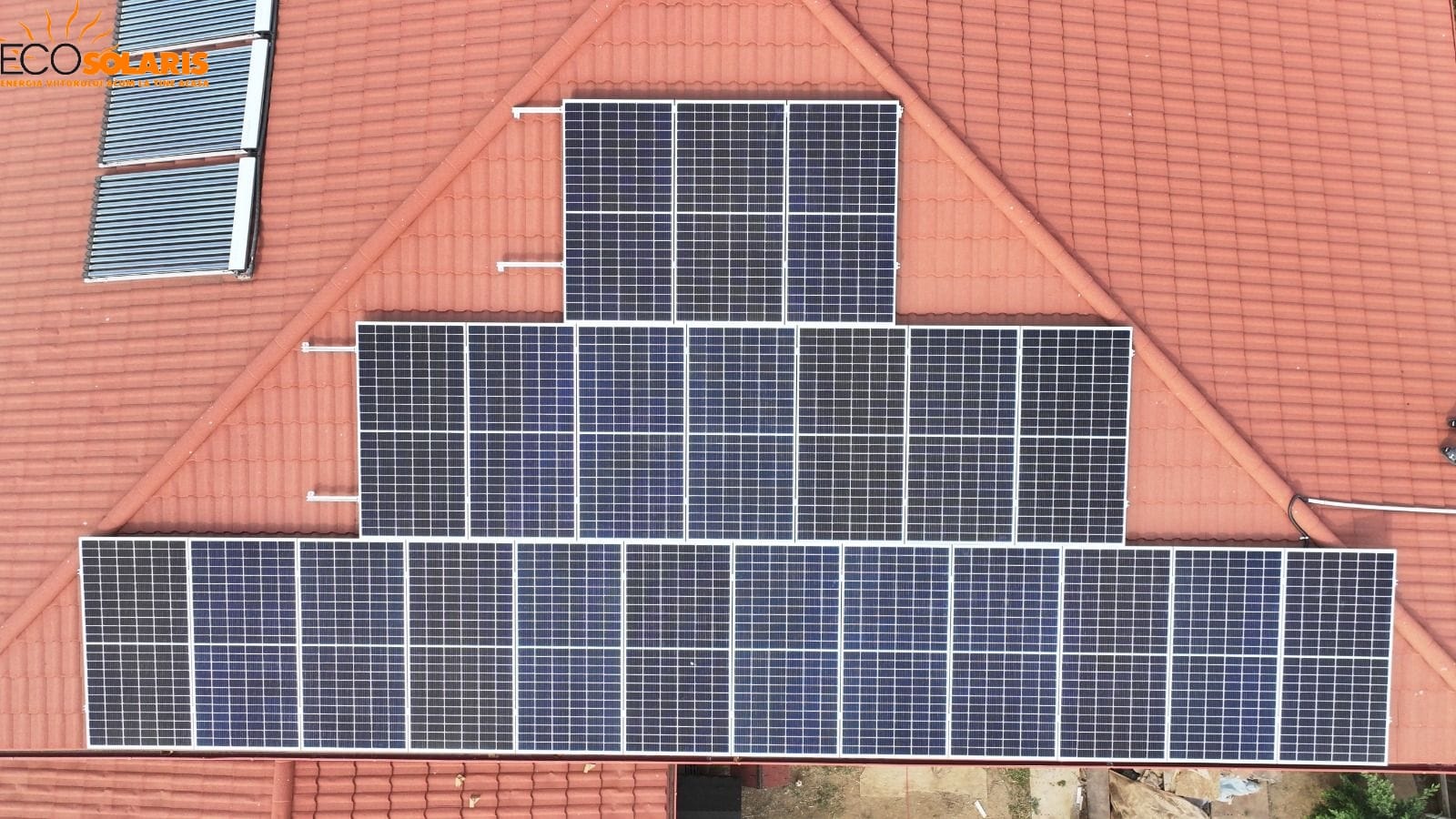
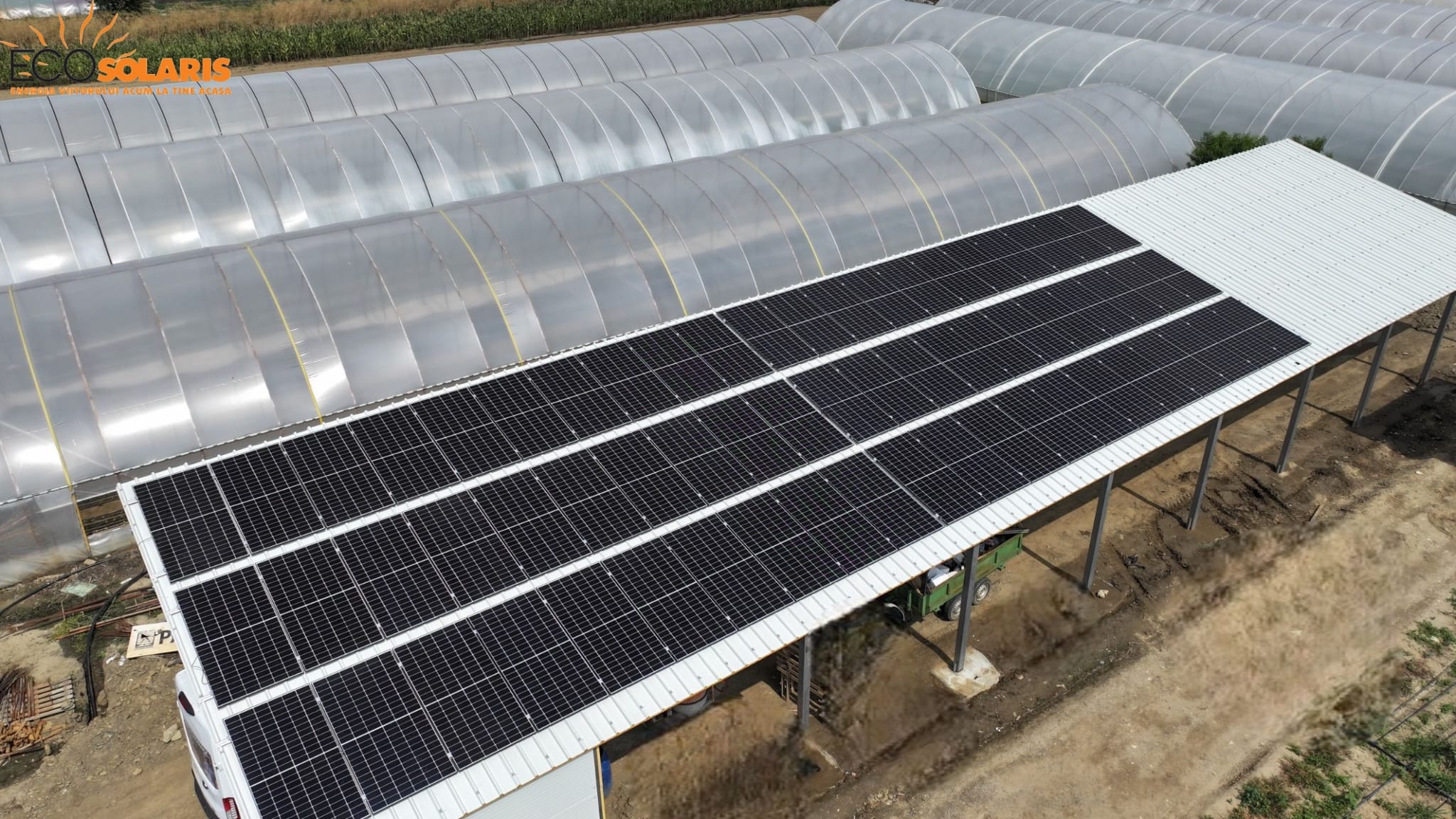
Switching from On-Grid to Micro-Grid system: Technological upgrade of a 20 kWp system with 60 kWh batteries and solutions Victron Energy
In the context of the energy transition towards renewable sources, micro-grid systems have become essential pillars in the decentralized energy infrastructure. This article presents a detailed technical analysis of a 20 kWp micro-grid system upgrade, including advanced energy storage and management solutions tailored for efficiency, safety and scalability.
1. Initial setup and need for upgrade
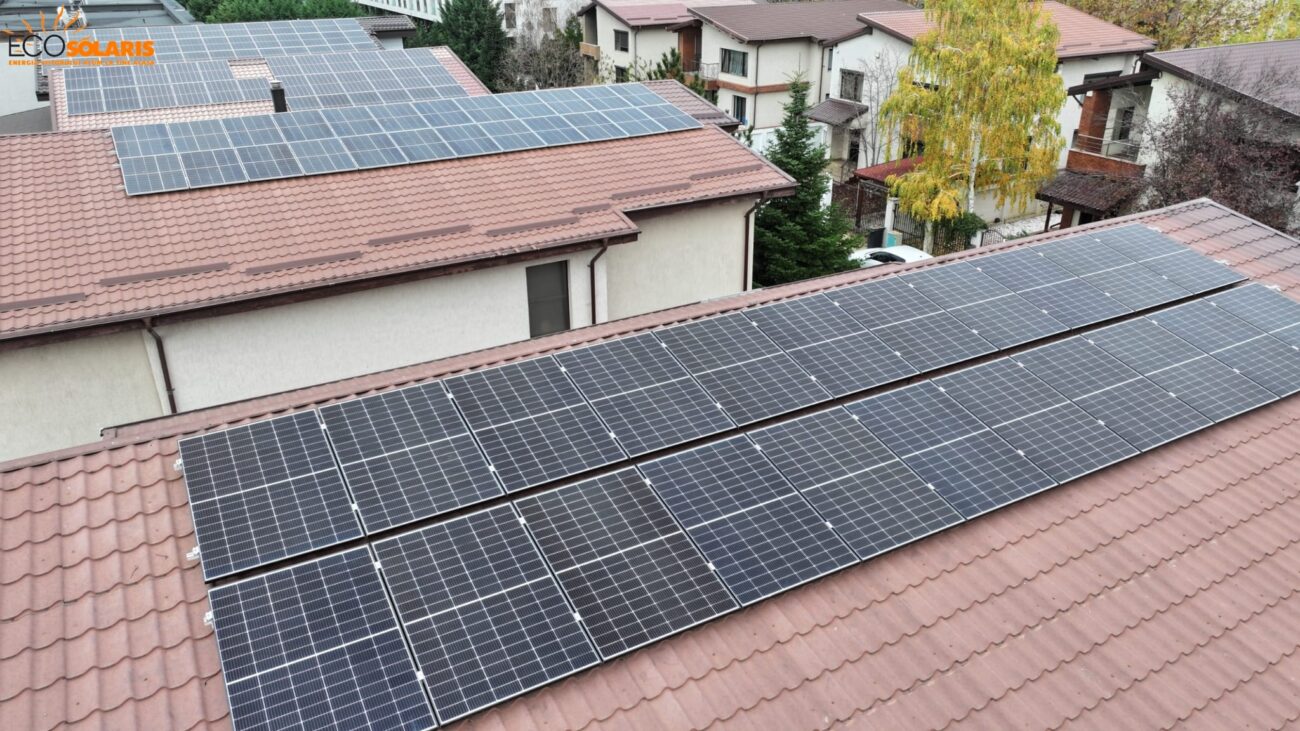
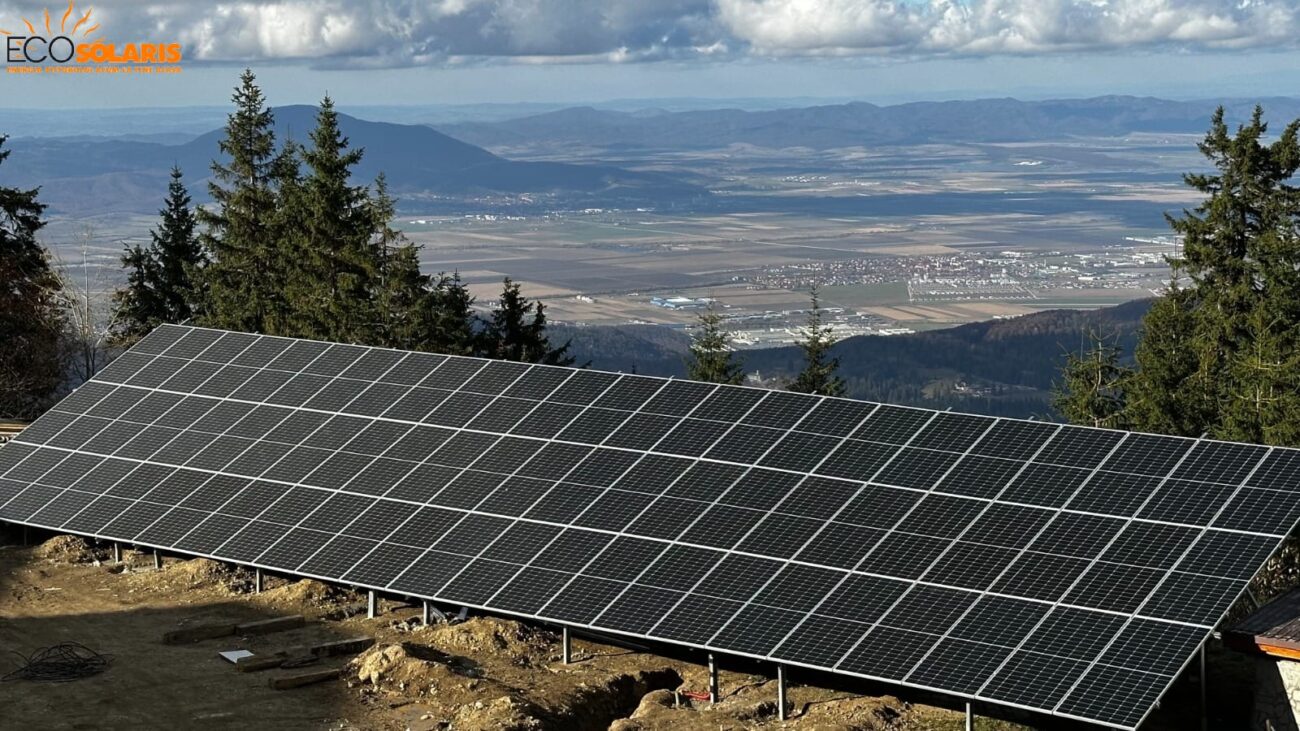
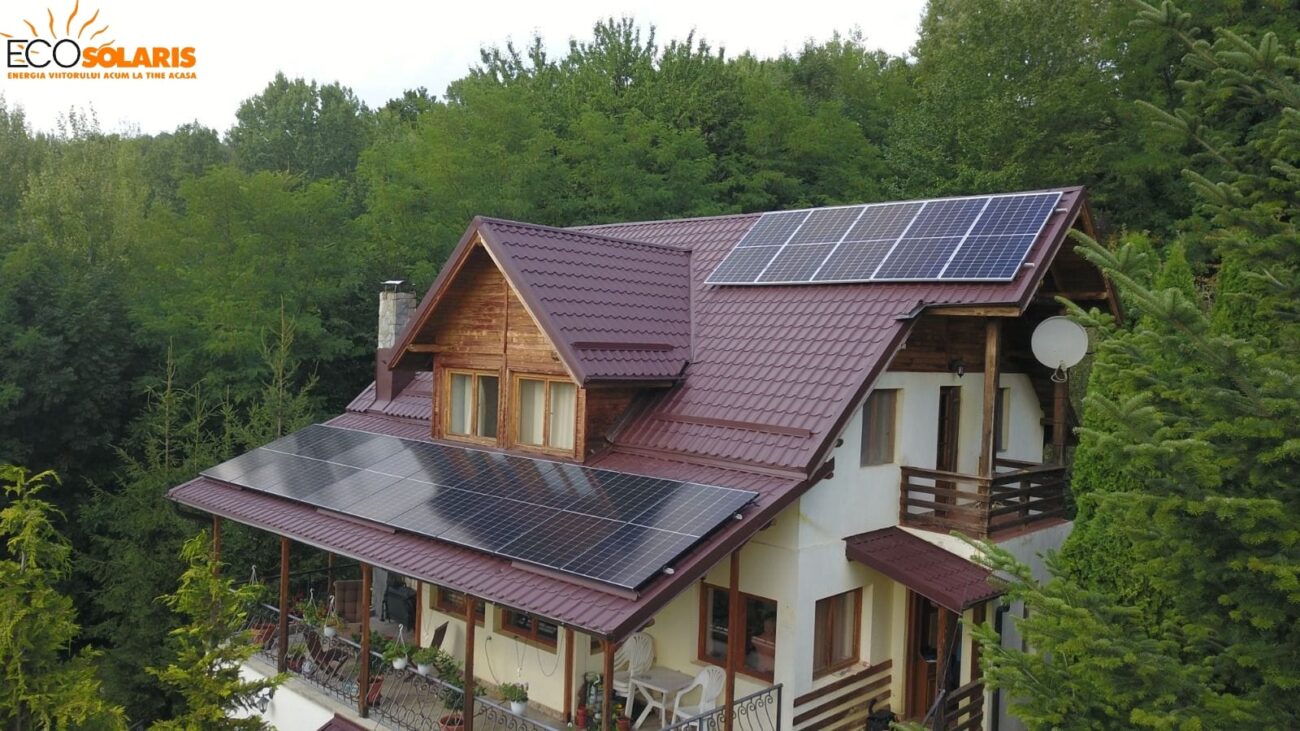
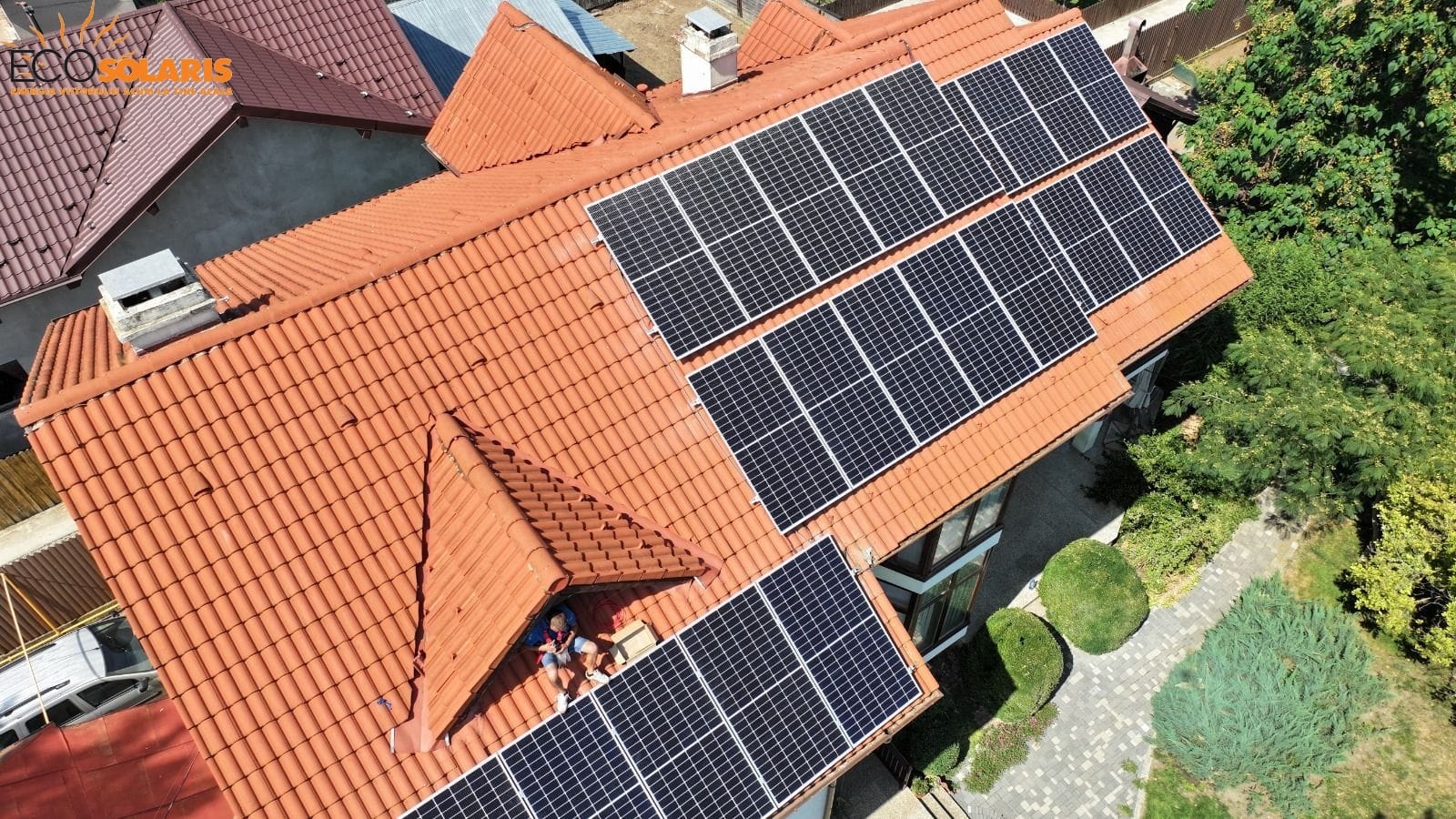
Initially, the customer used a system on-grid classic, connected to the national grid, composed of a 20 kWp photovoltaic installation and a three-phase inverter. It allowed the injection of energy into the network, but did not offer autonomy in the event of power outages or the possibility to store the excess energy produced. With the increase in consumption and the need for energy independence, it was necessary to switch to a more complex and resilient solution: a hybrid micro-grid system, with storage capacity and islanded operation.
2. The new energy solution: Components and roles
The upgrade included the implementation of the following components:
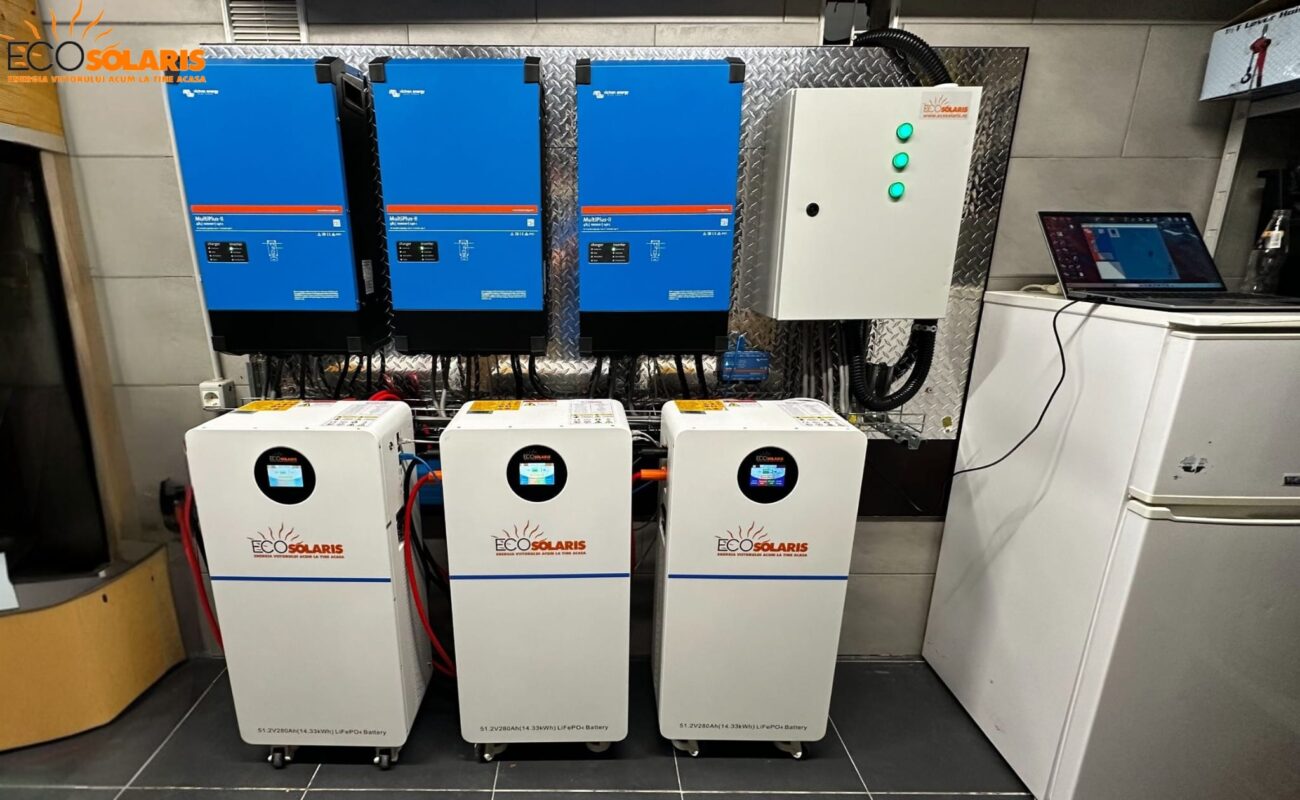
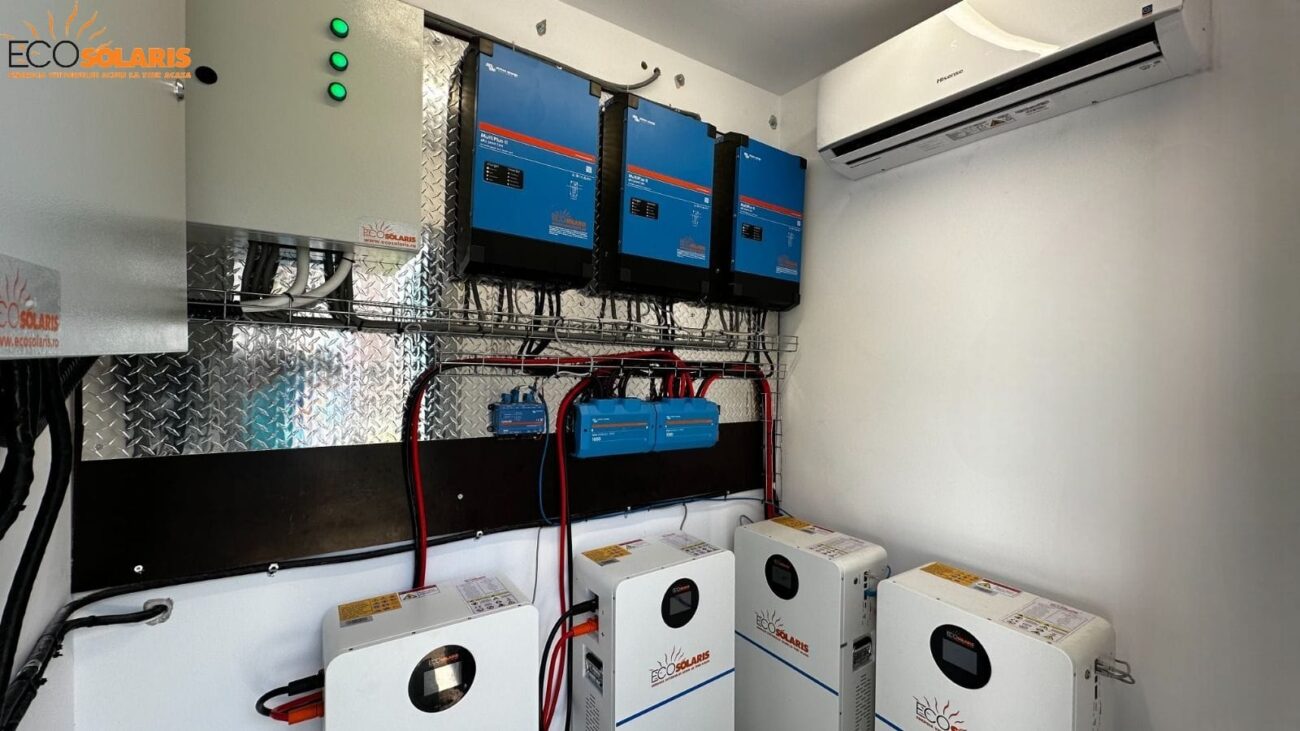
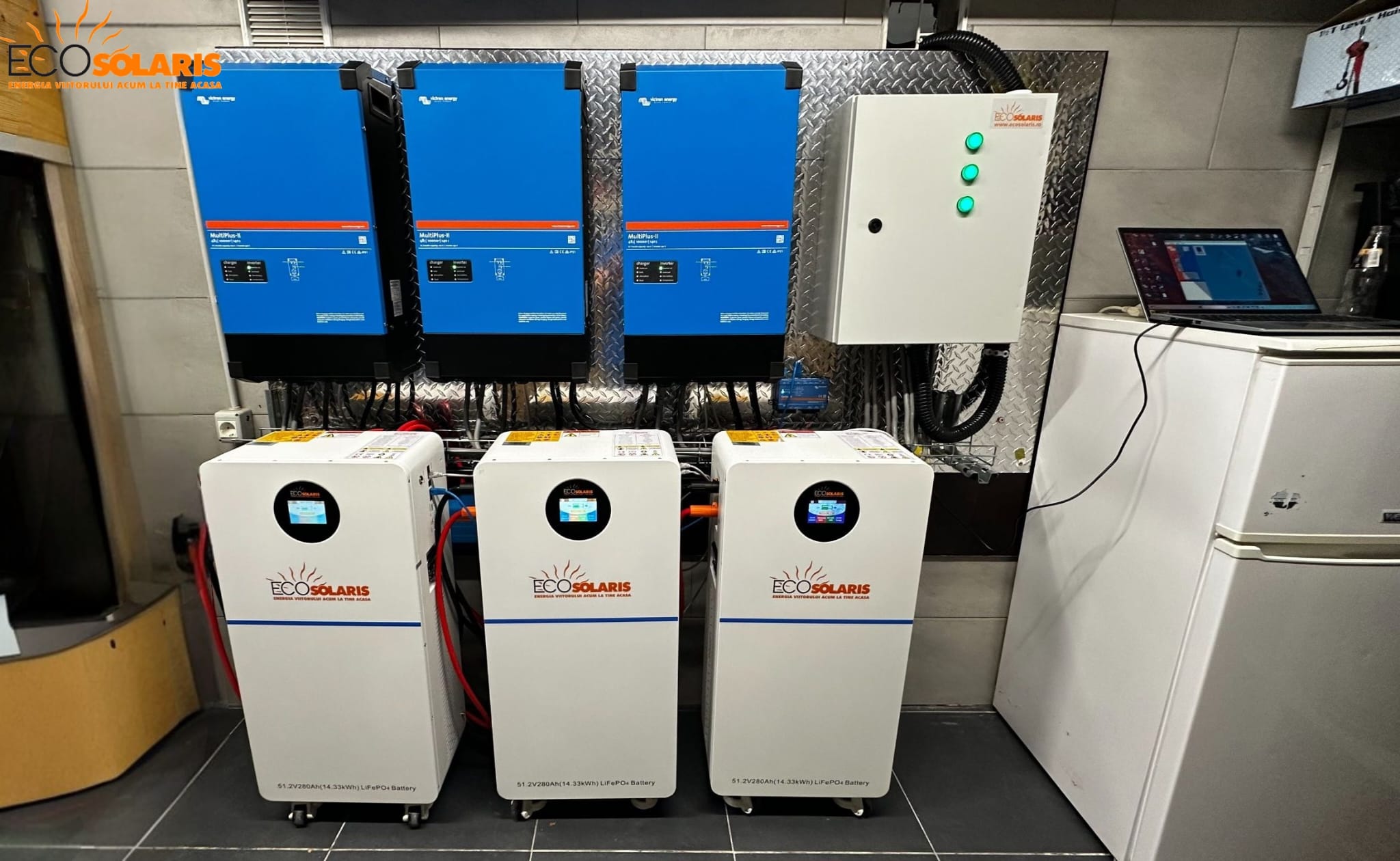
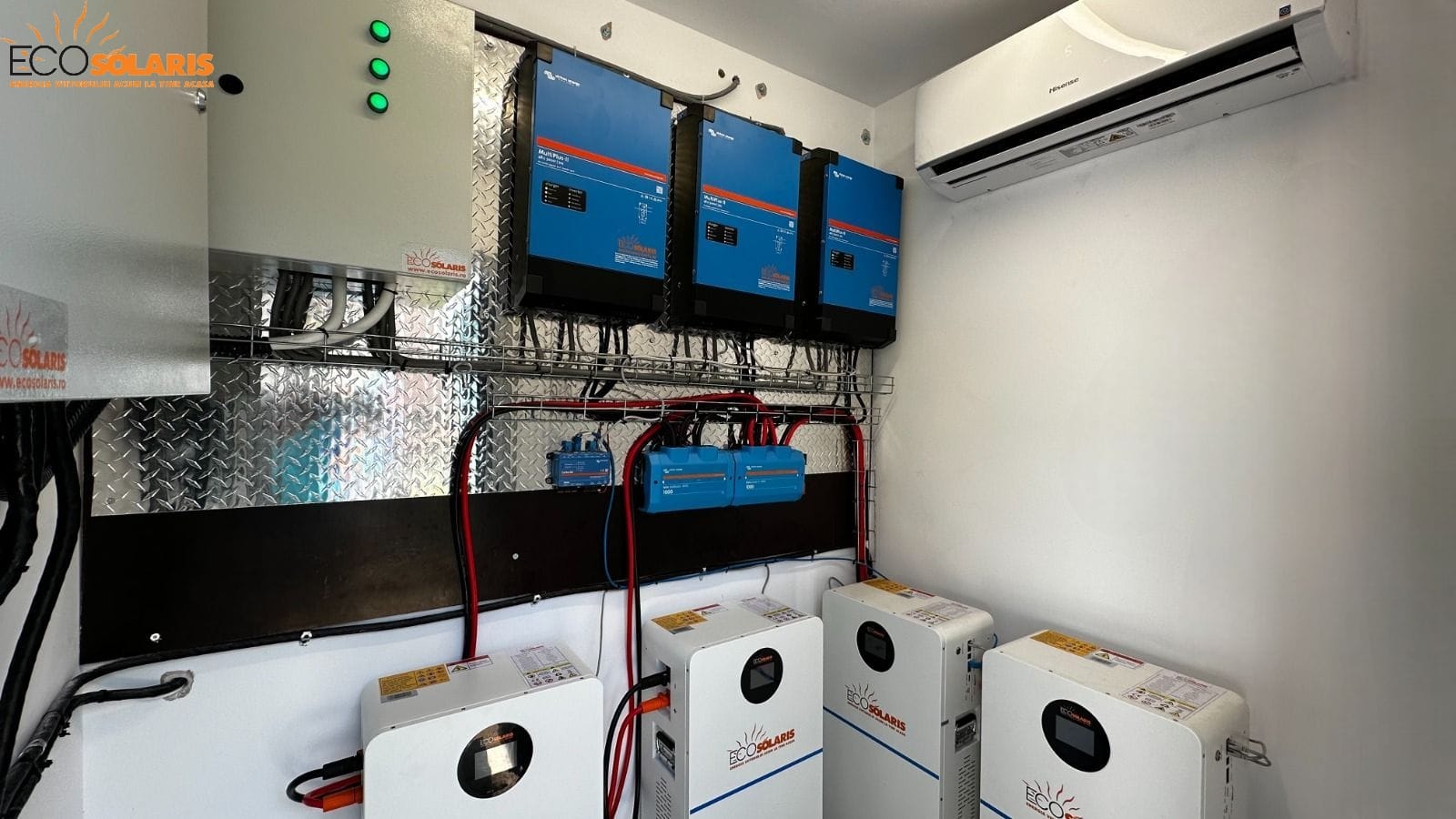
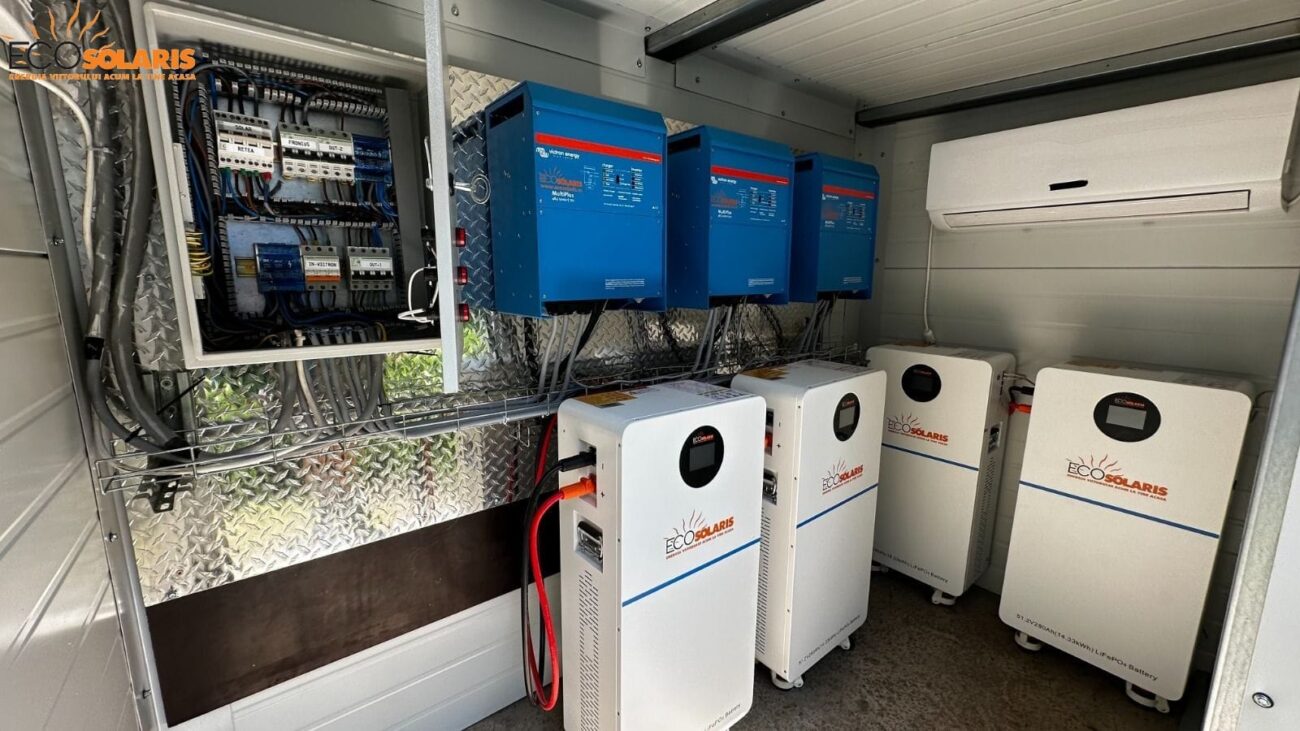
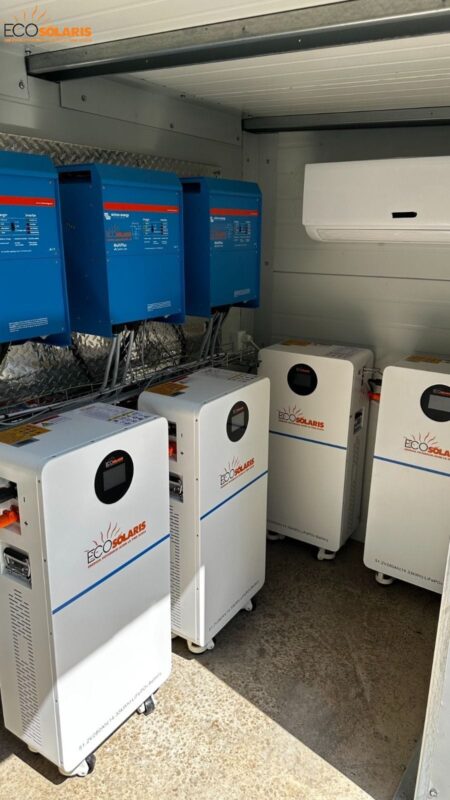
4 batteries LiFePO4 EcoSolaris, each with a capacity of 15 kWh, totaling 60 kWh. They offer high energy density, extended lifetime and superior operational safety.
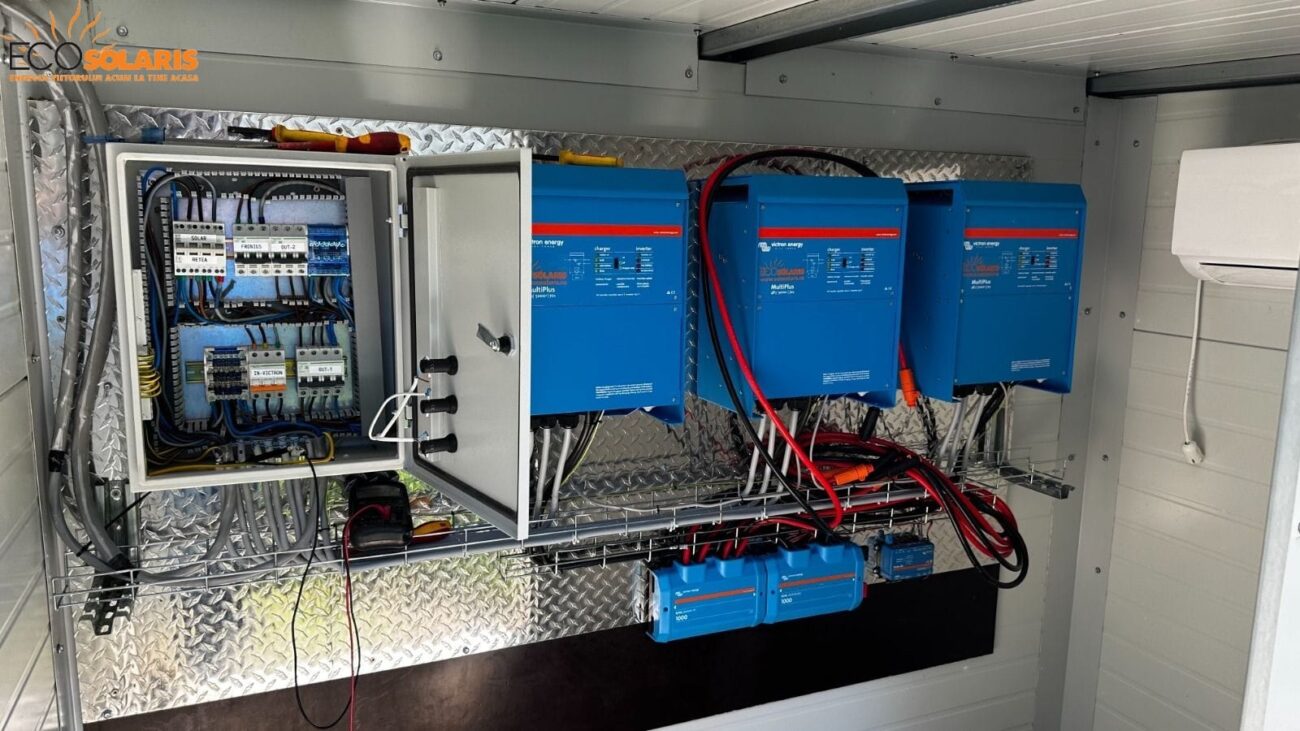
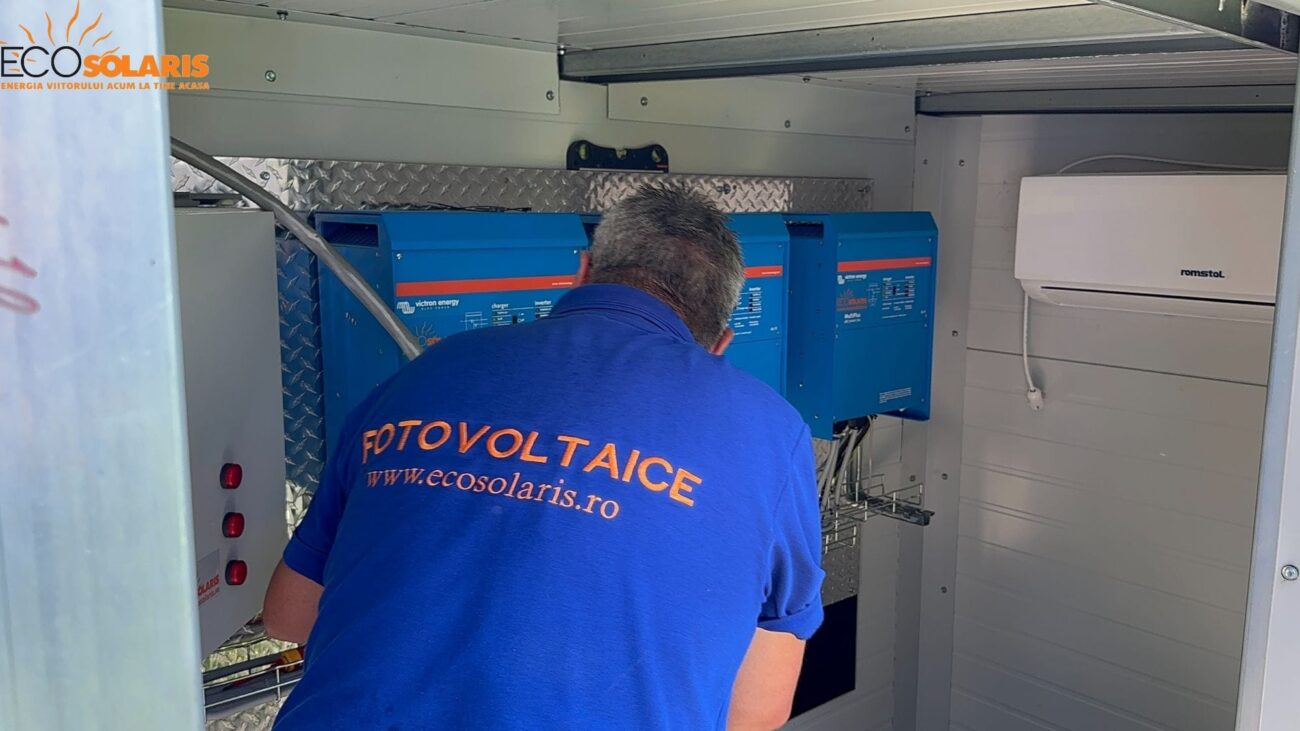
3 Victron MultiPlus 48/5000/70-100 inverters, configured in parallel to support distributed three-phase or single-phase loads. These inverters manage the charging/discharging of the batteries, feeding the consumers and synchronizing with alternative sources.
Lynx Distributor și Lynx Power In, essential modules for safe direct current distribution and management of battery connections to the system. Lynx Distributor allows individual monitoring of each consumer branch and the integration of Mega or Midi type fuses for protection.
Cerbo GX, the central monitoring and control interface, which allows real-time visualization of all energy flows and operating parameters, with local access or through the Victron Remote Management (VRM) portal.
Electrical panel of protections and automations, with a role in the security of the installation and the automatic triggering of the protections in case of failure. It includes contactors, voltage sensors, triggers and automation programmed according to consumer priority.
3. Integration and system topology
The system was designed in hybrid architecture, with the possibility of connecting to the network (grid-tie optional) and complete back-up in islanded mode. The MultiPlus inverters were interconnected using VE.Bus cables and configured using VictronConnect and VEConfigure software to ensure balanced load distribution and correct battery charging.
The batteries were connected via Lynx Power In to the DC distributor and each connection line was provided with suitable fuses and switches for safe maintenance. The protection panel includes relays, differential protections and automations that can switch critical loads based on system status. The Cerbo GX interface monitors and prioritizes energy flows, automatically triggering transfer to batteries in the event of a mains outage or overload.
4. Performance and Benefits
Through this upgrade, the system achieved the following benefits: [#$$#]
Extended autonomy: With 60 kWh of storage, the site can support critical consumers for several days without sun. There is the ability to absorb and reuse the entire solar output, avoiding losses through injection into the grid.
Intelligent energy management: Cerbo GX together with VRM Portal enables remote monitoring and control, historical analysis and consumption optimization. User can set charging/discharging thresholds, source priorities and automations based on energy price or weather.
Increased reliability: The parallel configuration of the inverters and the redundancy provided by Lynx provide operational safety and fault protection. In case of failure, the system can work partially without complete loss of functionality.
Scalability: The system can be expanded in both storage and production capacity without major changes. It allows the addition of additional inverters, photovoltaic panels or even the integration of auxiliary sources (generators, wind turbines).
5. Actual usage scenario
On a typical summer day, the system produces 80–90 kWh of energy, some of which is consumed directly and the rest stored. In the event of a network outage, switching to back-up takes place in less than 20 ms, ensuring the continuity of critical consumers: servers, surveillance cameras, pumps and lighting. At the end of the day, if the batteries are charged, the excess can be directed to an electric boiler or heating system.
6. Technical considerations and recommendations
Installing and configuring such a system requires advanced technical skills, especially in terms of:
Calibration of protection systems (trip currents, response time)
Programming automatic operating scenarios and task prioritization logic
Ensuring compatibility between equipment and communication protocols (CAN, VE.Bus)
Integration with external systems such as generators, weather sensors, logic controllers
Testing the system in fault mode and under full load
The main recommendation is the exclusive use of certified components and compliance with the manufacturer's technical guidelines to avoid risks and achieve the desired performance.
7. Conclusion
The described upgrade represents a concrete transposition of technological progress in the field of green energy, demonstrating how a well-planned investment can significantly increase the efficiency, safety and control of a micro-grid system. By using top equipment and an adapted configuration, the local energy ecosystem becomes autonomous, predictable and ready for the sustainable future. Furthermore, this type of solution can be a replicable model for residential or industrial customers seeking energy independence and cost optimization.