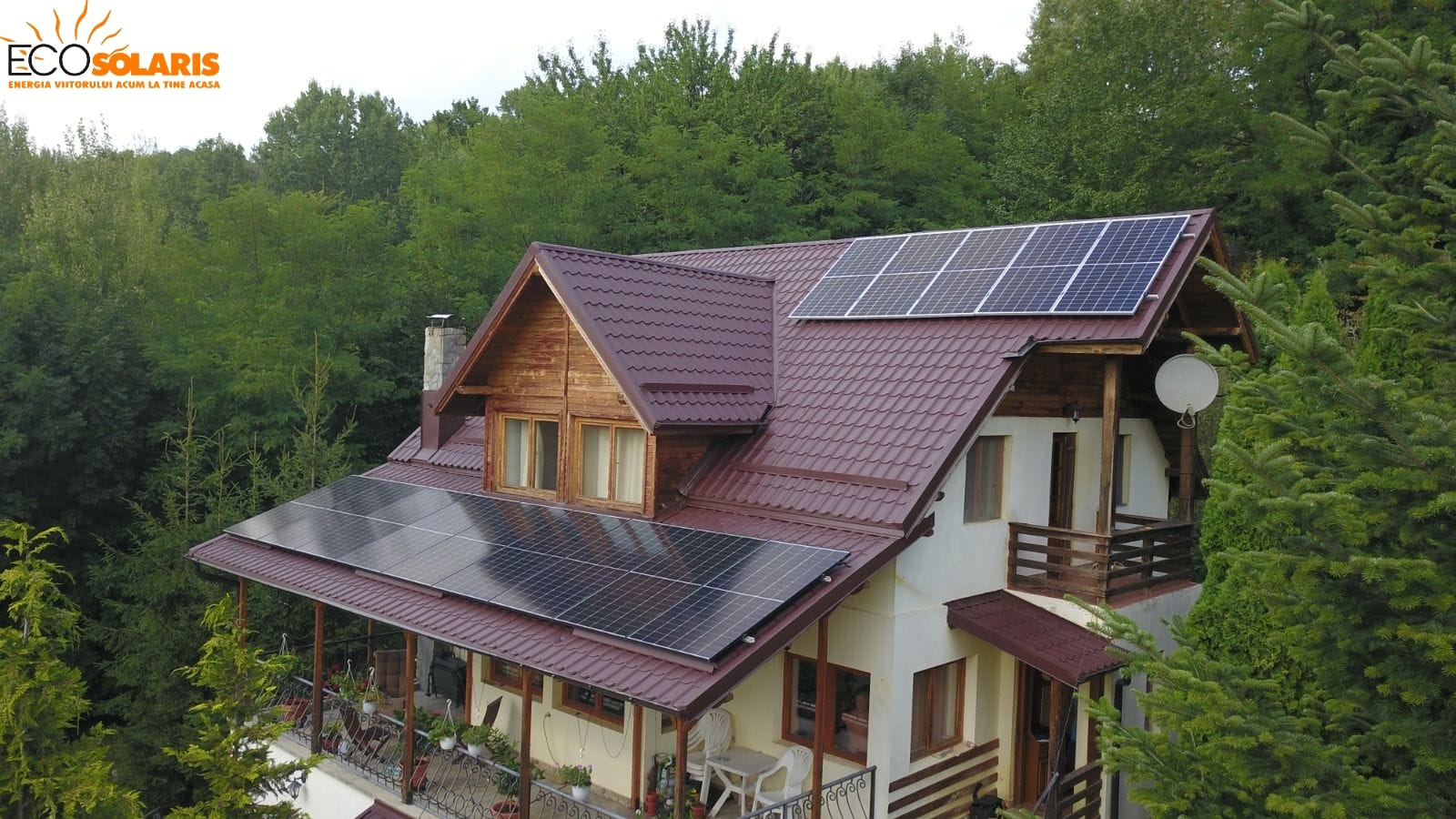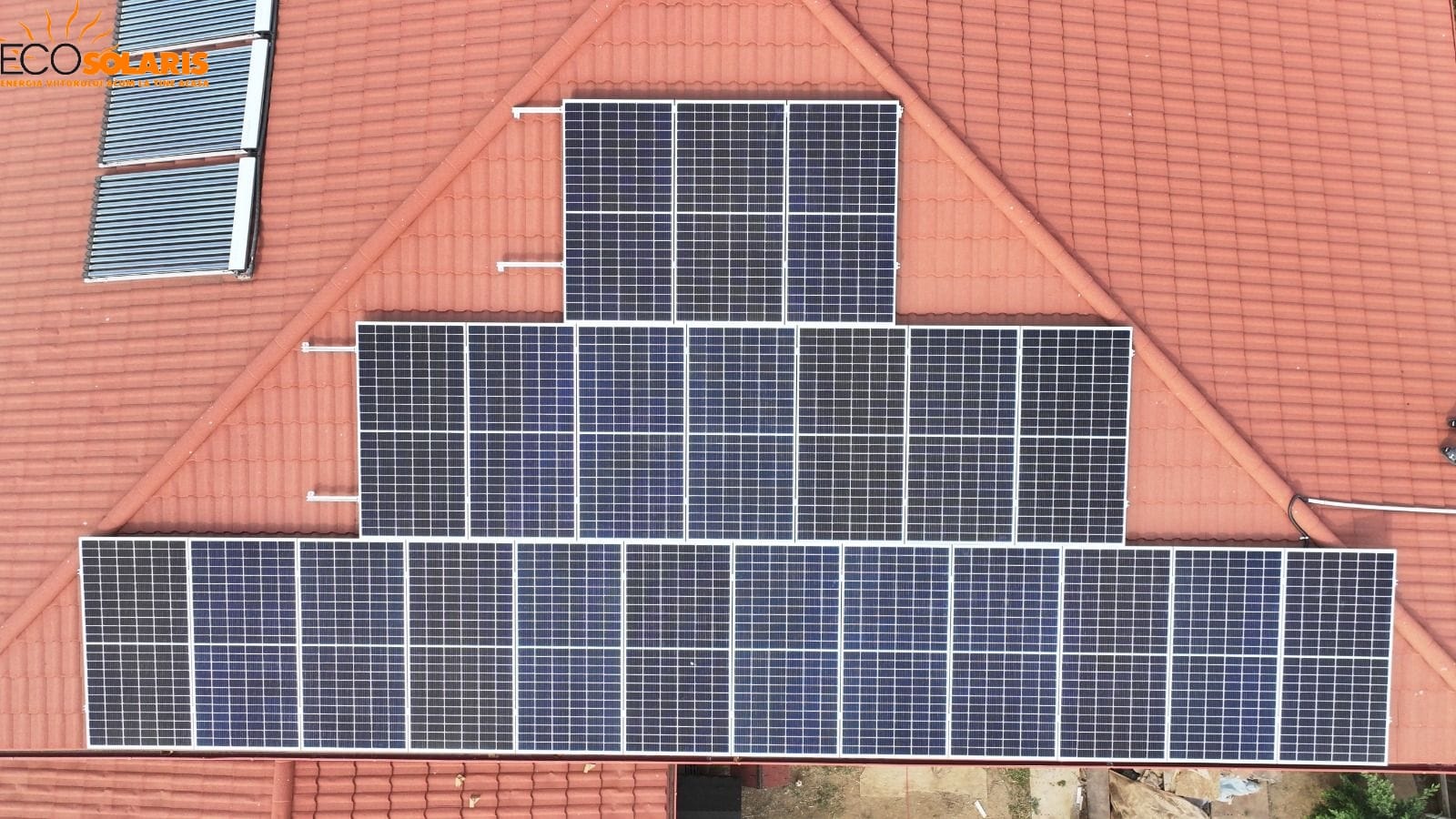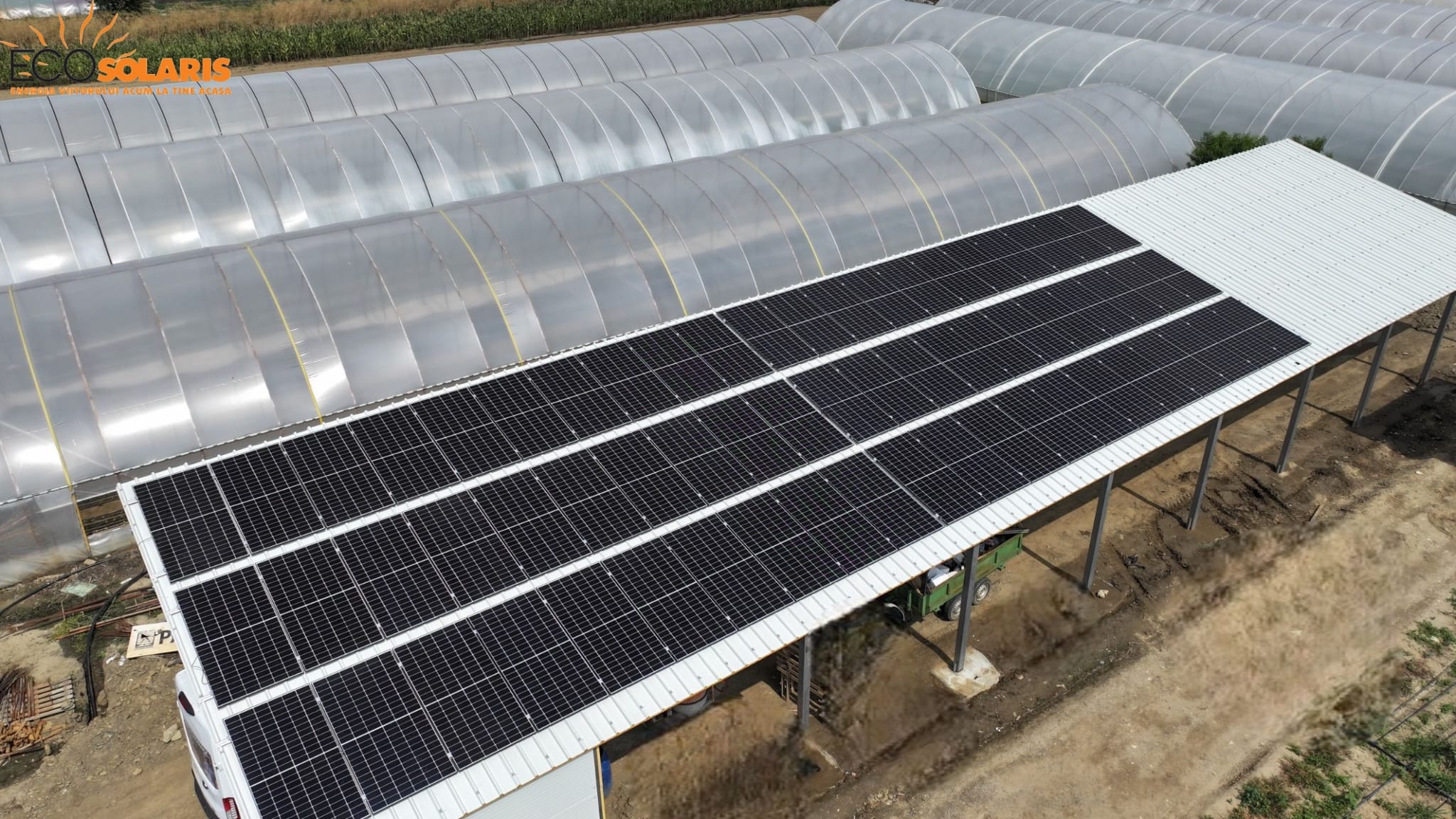




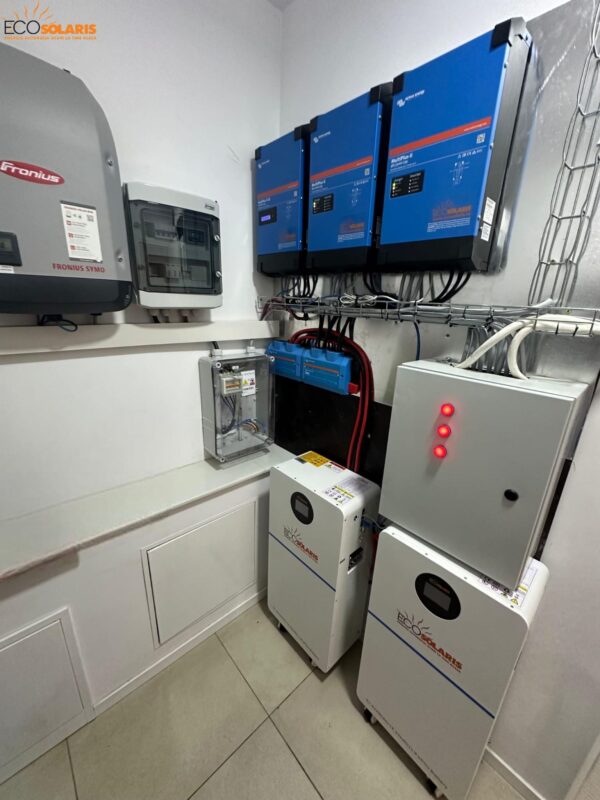
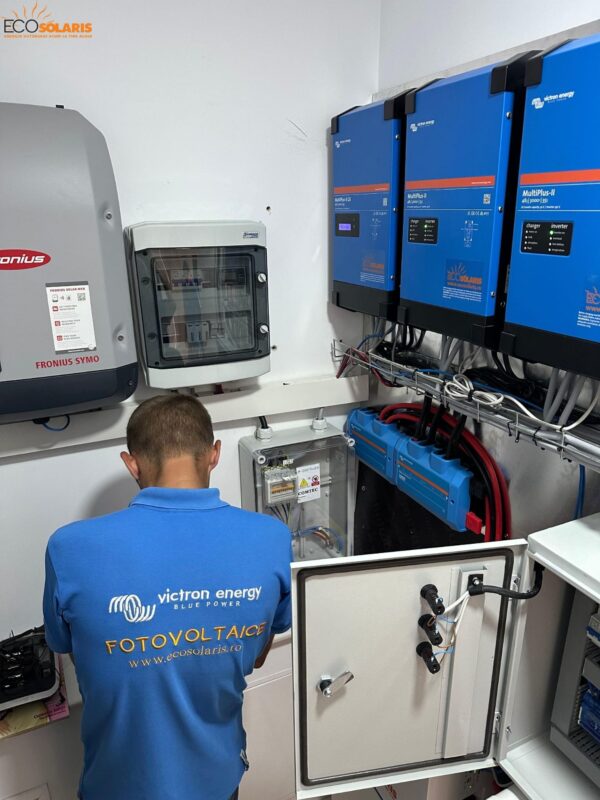
Photovoltaic system Micro-Grid - storage 30 kWh
A scalable and autonomous energy solution with Victron Energy architecture and EcoSolaris LiFePO₄ storage
In an increasingly unpredictable energy landscape, micro-grid photovoltaic systems are becoming the natural solution for users who no longer want to depend on the public grid. It's not just about having solar panels and batteries. But a complete system, able to manage, distribute and store energy intelligently, without manual intervention, with real continuity of supply.
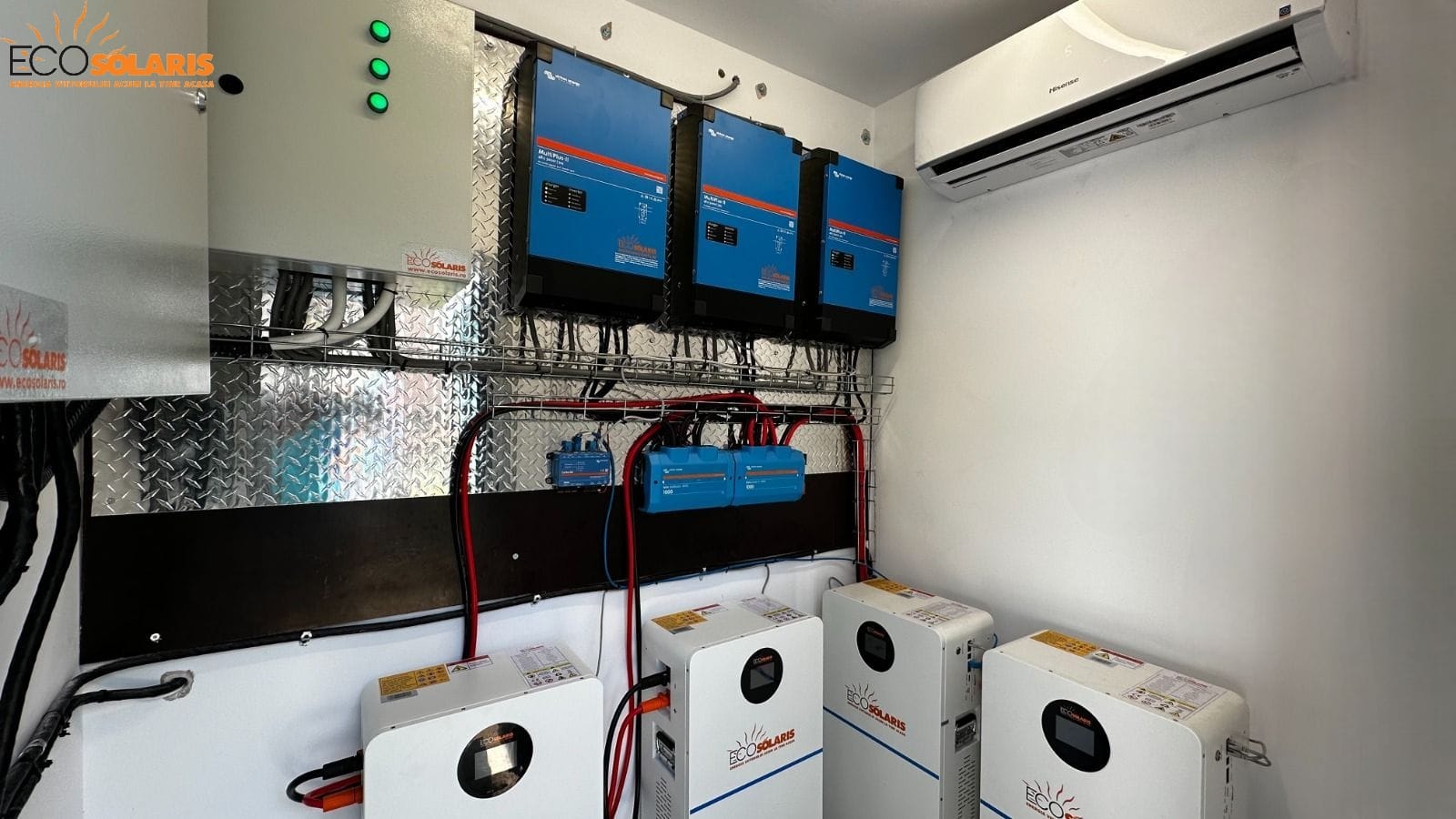
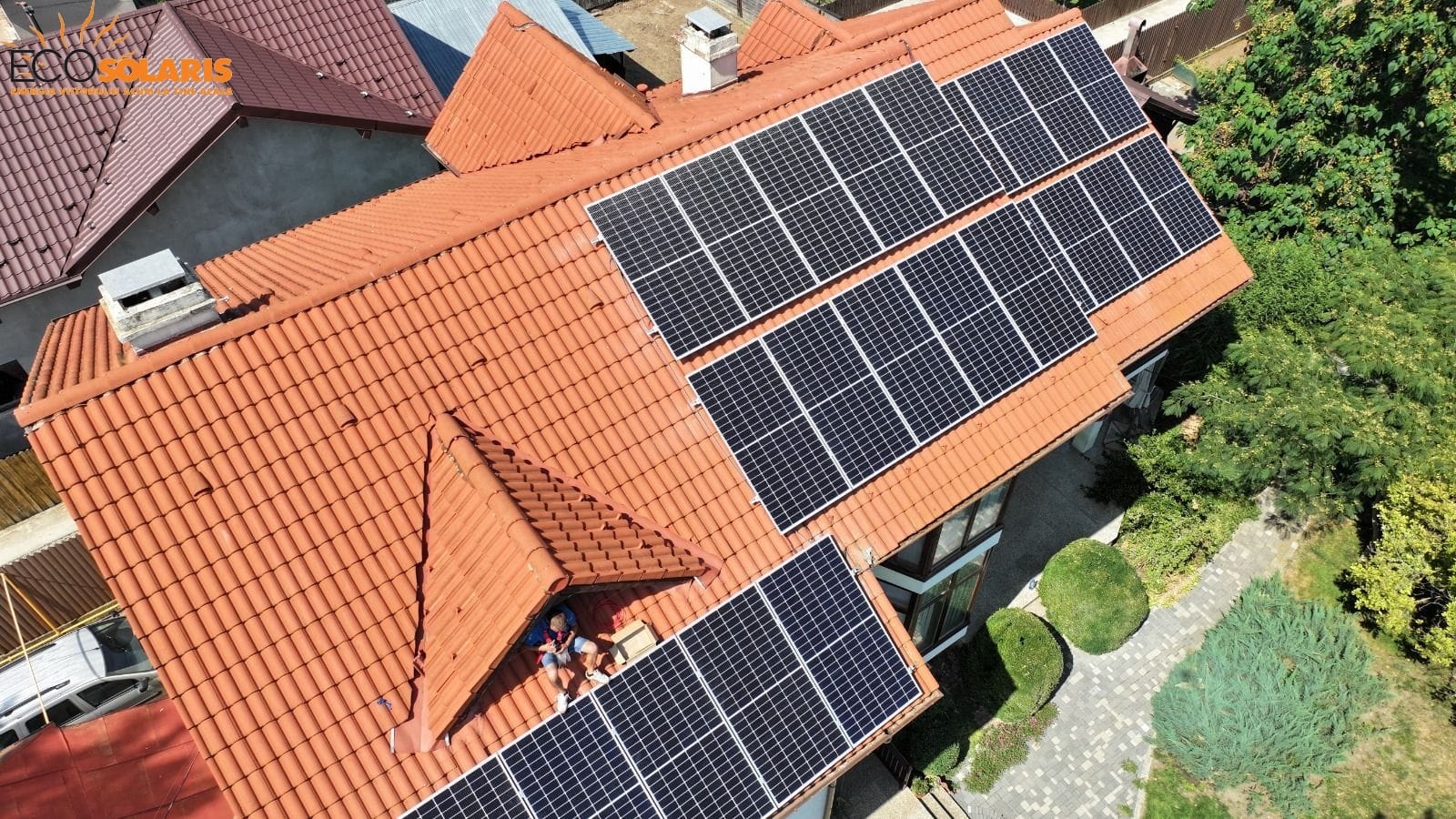
The system presented here is built around a balanced architecture, without excess power, but with a high level of control, modularity and reliability. Built around Victron Energy technology and EcoSolaris' LiFePO₄ batteries, it delivers a storage capacity of 30 kWh and a continuous output power of 6 kVA – more than enough for steady household consumption, but also for critical off-grid or hybrid applications.
A coherent architecture, not a simple set of equipment
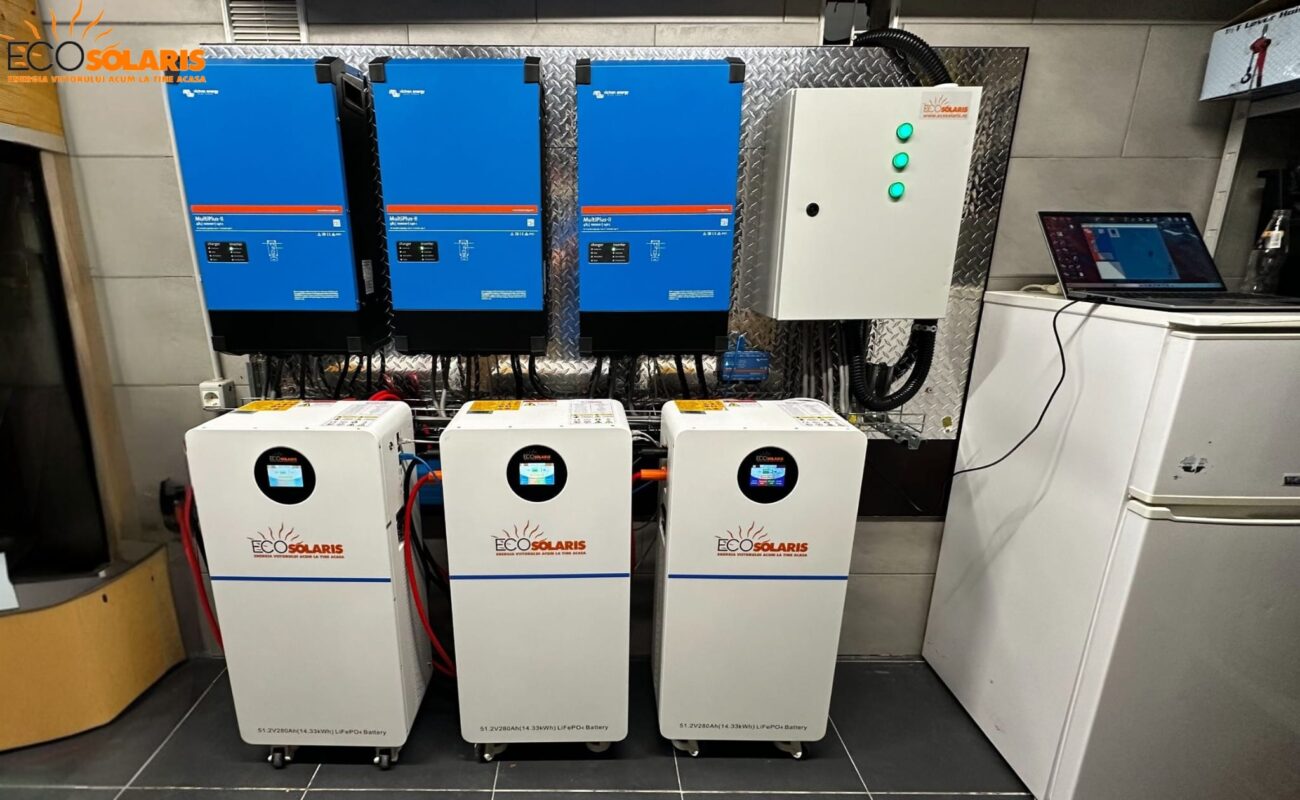
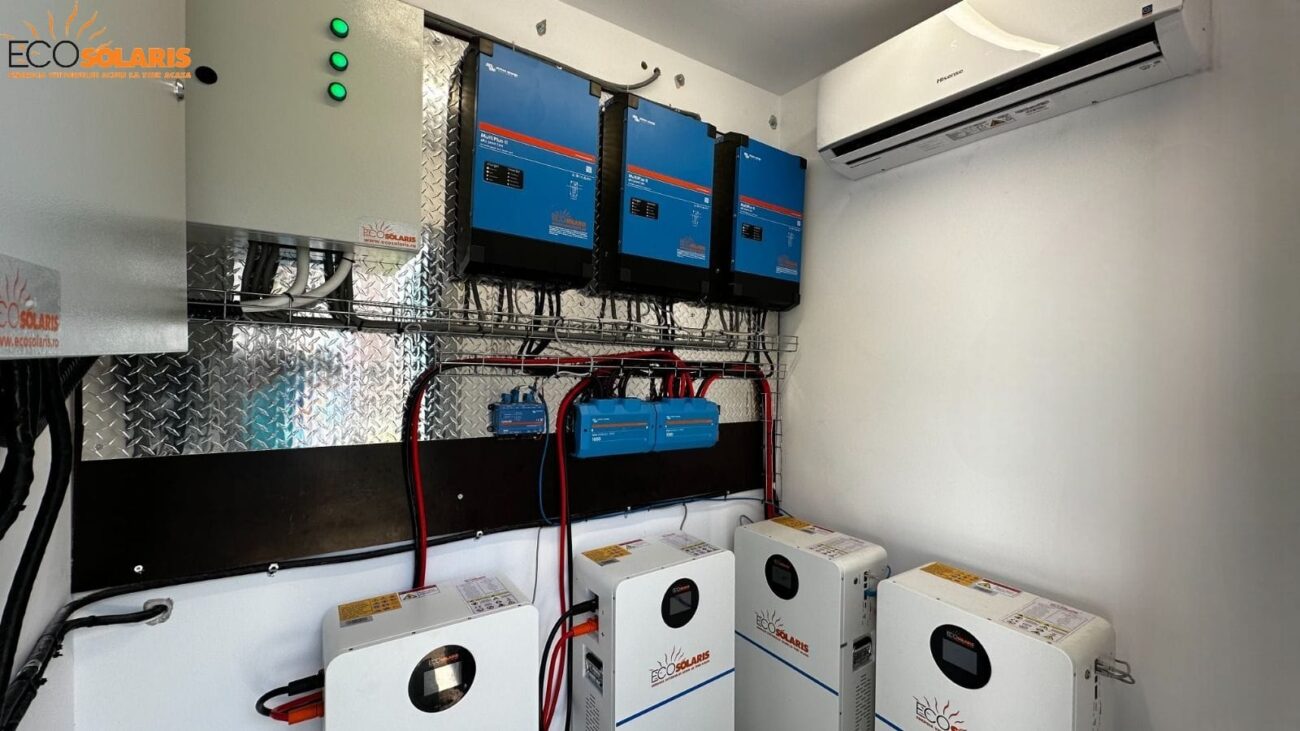
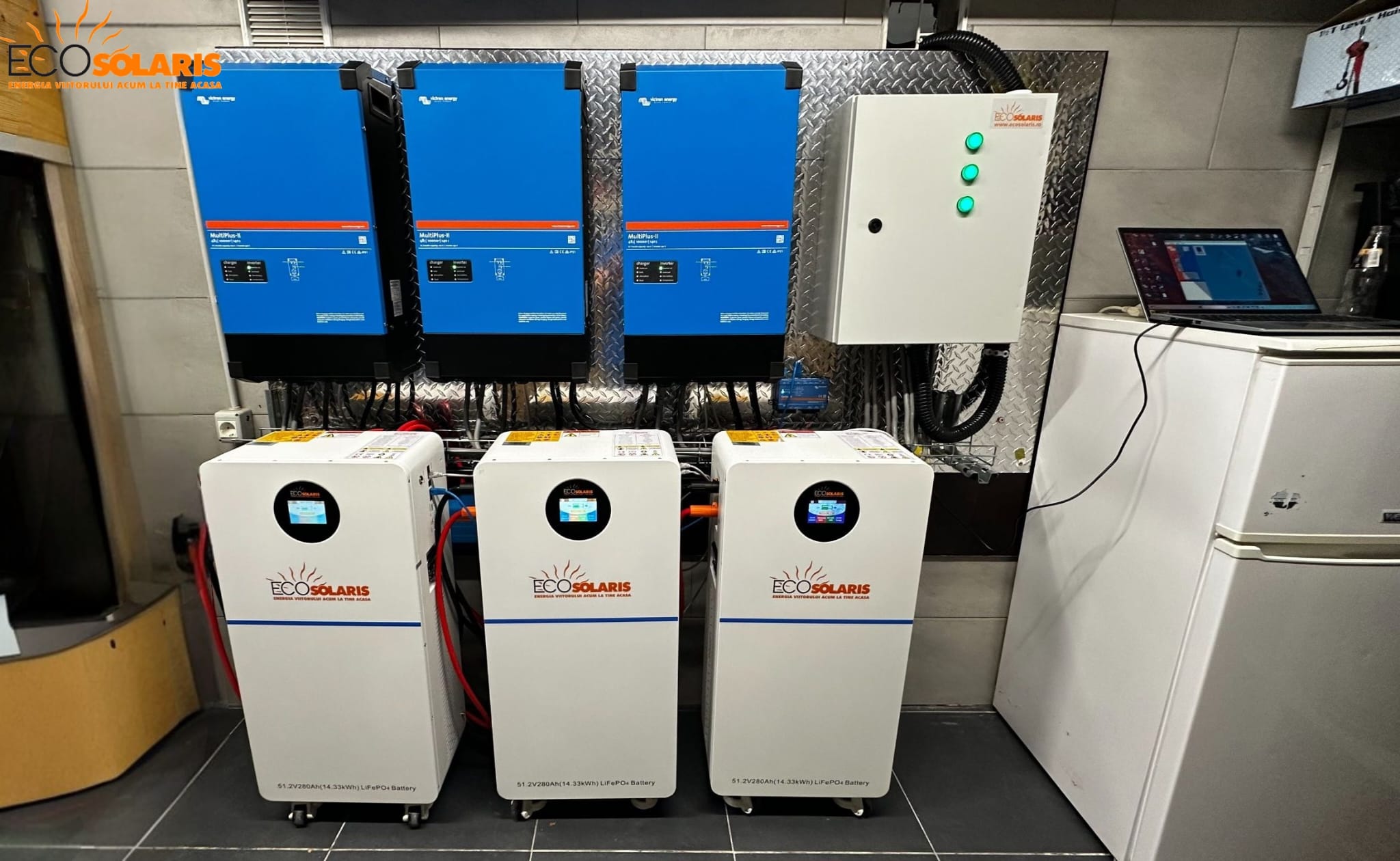
What differentiates a mature micro-grid system from a simple assembly of components is the internal logic. In the present case, the two units Victron MultiPlus-II 48/3000/35-32 are configured in parallel to ensure a symmetrical, stable and efficient power supply. They not only convert direct current to alternating current, but also manage the transition between sources – panels, batteries, grid or generator – without voltage syncopation or significant losses.
The third device, a Victron Energy MultiPlus-II GX 48/3000/35-32, adds the control layer. It is an intelligent controller with its own interface and full communication capability in the Victron Energy ecosystem. It functions not only as a monitoring interface, but as an automated decision point: it prioritizes consumption, triggers charging, switches between sources and transmits real-time system status information through the Victron VRM portal. Basically, the user does not have to do anything. Everything is already configured to work autonomously, and information is always available.
Distribution and protection thought for the long term
In a 30 kWh system, the charge/discharge currents are significant. Simple wiring and general safety are not enough. This is where the components come in Lynx Power In și Lynx Distributor M8, which provides a modular DC infrastructure, clearly organized and protected at the level of each line. The Lynx Distributor allows individual fuses to be fitted and segments to be monitored separately, meaning any anomaly can be identified and rectified within seconds – without affecting the rest of the system.
On the alternating current side, a protection and automation panel ensures switching between available sources (mains, generator, batteries) and isolates critical consumers in case of failure. More importantly, physical and electrical separation is maintained in any operating scenario, and the power supply is not interrupted even in case of switching.
Energy heart: two 15 kWh LiFePO₄ batteries
Storage is ensured by two batteries LiFePO₄ EcoSolaris [#$$#], 15 kWh each. These are high-performance batteries based on lithium-iron-phosphate chemistry, recognized for their thermal stability, low self-discharge rate and long lifetime. In practical terms: over 6000 cycles at 80% depth of discharge, with the ability to deliver and absorb energy quickly, without thermal stress and without significant capacity loss over time.
The native CAN interface allows communication with the Victron system so charging and discharging are fine-tuned based on temperature, state of charge or recent history. This optimizes life cycles and reduces the risk of imbalance between cells – an essential aspect in large systems.
Energy flow, optimized at every step
A micro-grid system does not mean absolute autonomy in all conditions - but intelligent, optimized autonomy. In the current configuration, the energy is primarily used for local consumption. What remains is directed to the batteries. If the load level reaches preset thresholds, the system turns off the surplus. In parallel, if the demand exceeds the current solar capacity, it automatically switches to the batteries. In their absence, the backup source is activated – either the network or the generator.
These transitions are instantaneous and transparent to the user. Critical applications - such as servers, water pumps, heating plants or medical devices - do not notice any "click", no pause. That's what makes the difference between a complete system and a generic PV installation.
Scalability and maintainability
A major advantage of the Victron architecture is scalability. Identical modules can be added in parallel, either on the inverter side or on the battery side. The GX and Lynx interfaces are designed for expansion – every new element is integrated without re-compartmentalization or major changes. This reduces future costs and simplifies maintenance.
In addition, diagnostics are integrated: each component reports its status in real time, errors are logged and notified, and the system can be inspected remotely. That lowers response times and allows for a predictive, not reactive, mode of operation.
Consumption profile: how much does 30 kWh cover?
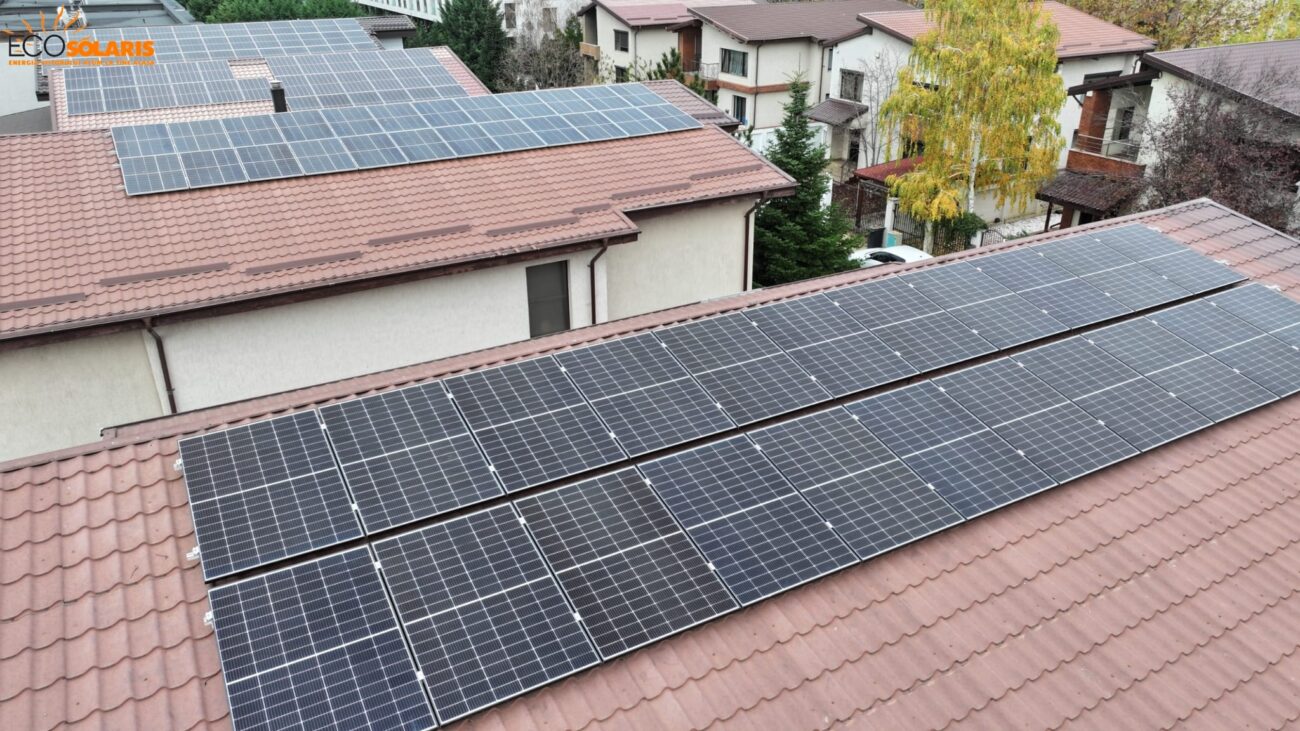
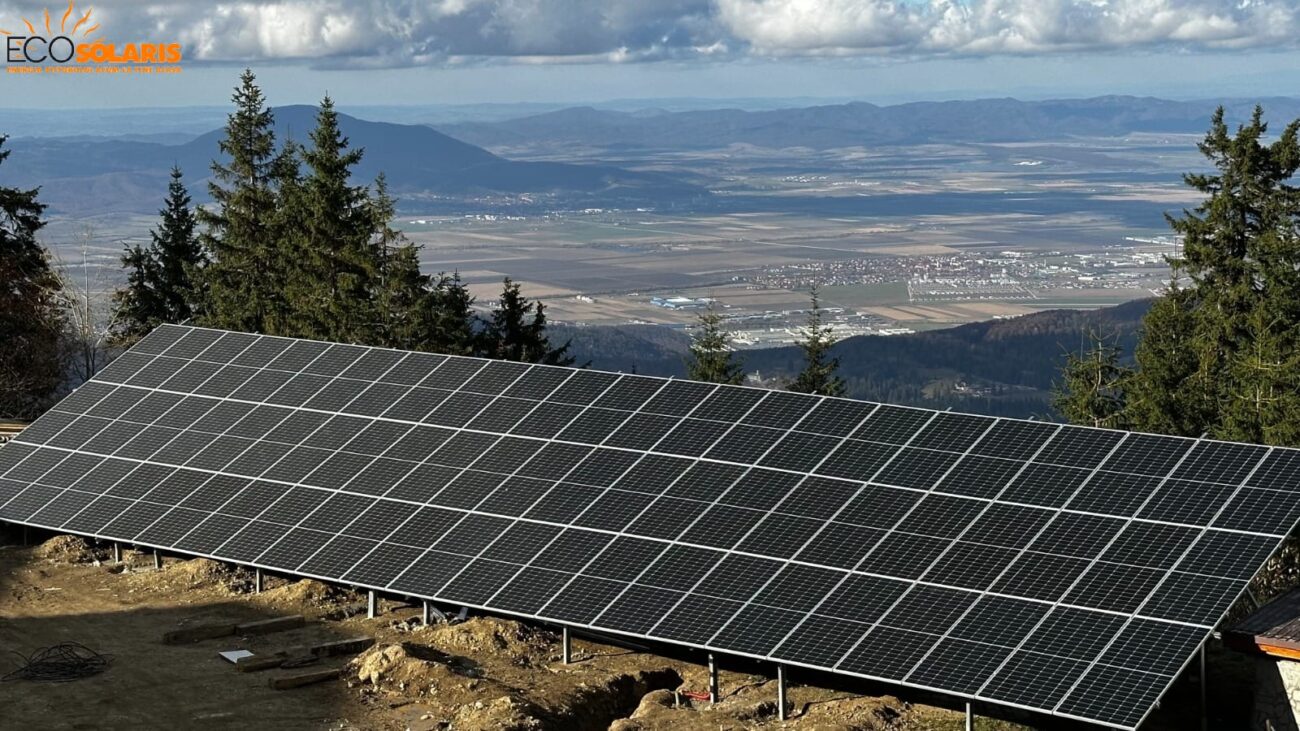
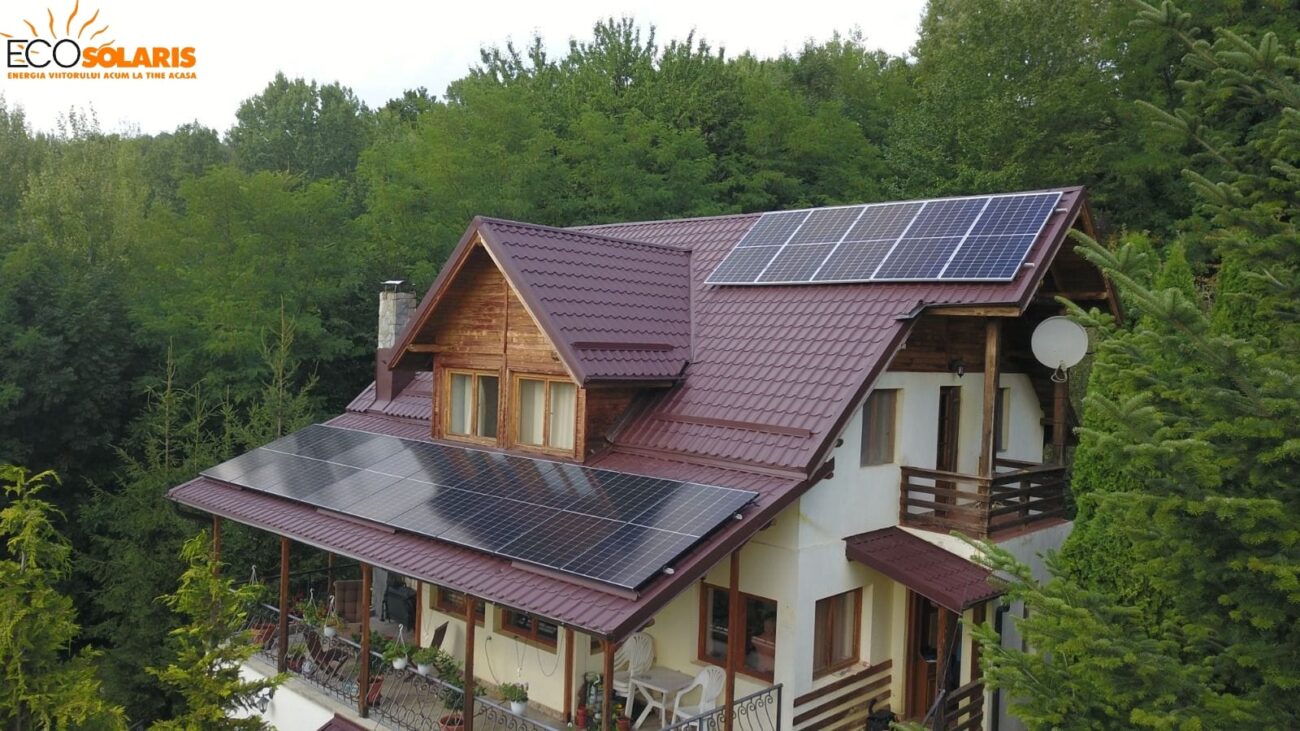
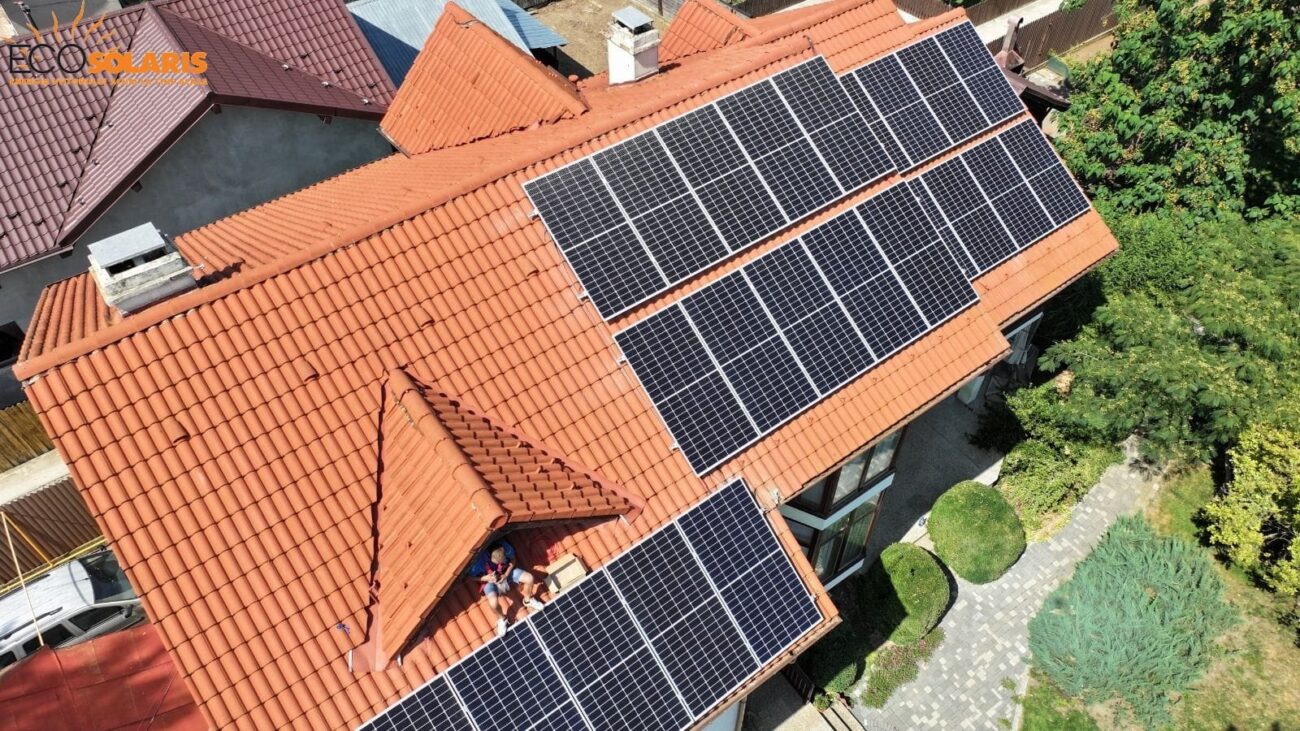
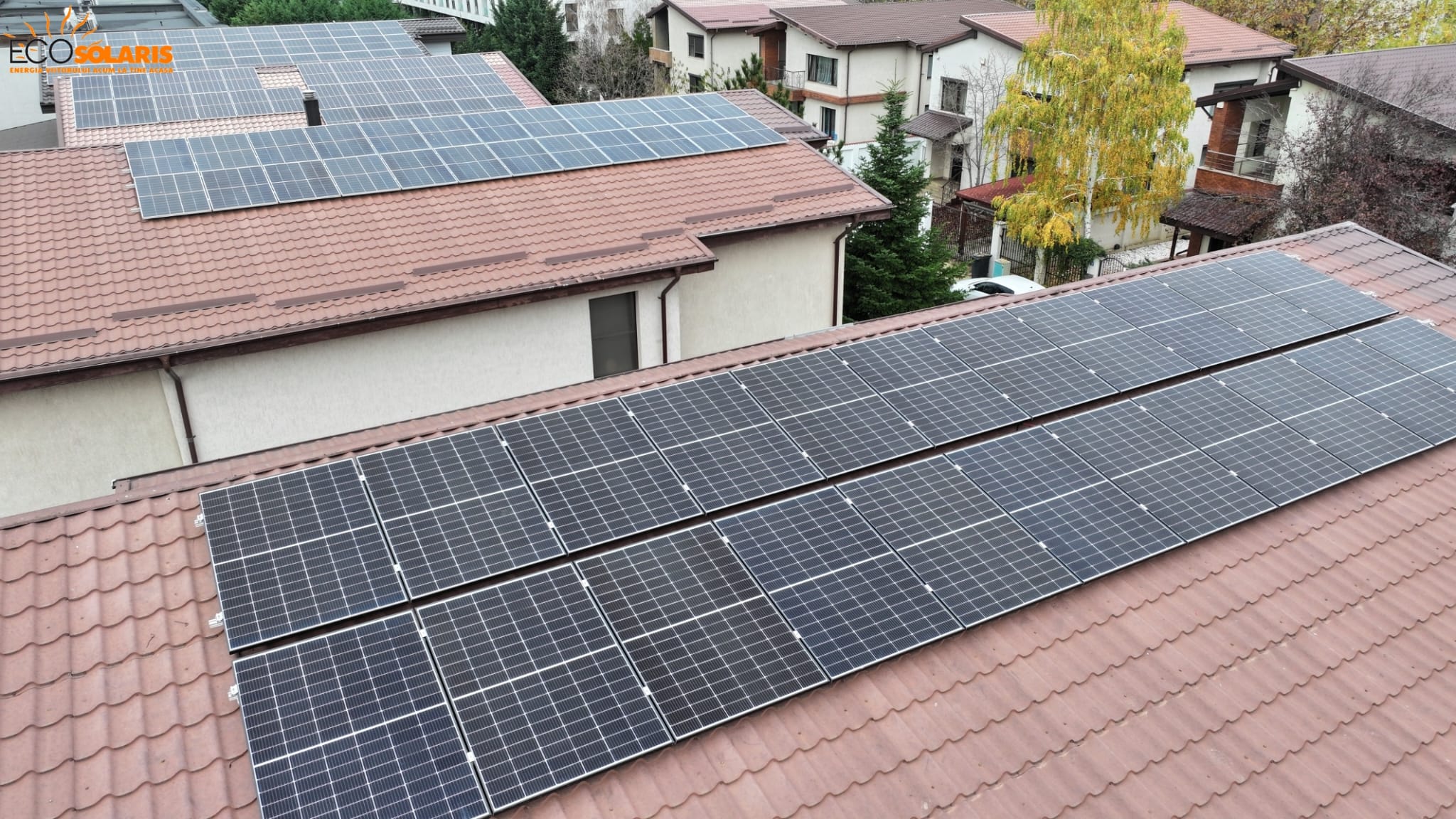
For a daily consumption of 10–12 kWh, the 30 kWh storage ensures 2–3 days of autonomy without solar input. In a configuration with correctly sized solar production (eg 5–8 kWp), total energy independence can be achieved for most of the year. In areas without a network or with frequent blackouts, this system becomes an anchor of energy stability.
In hybrid mode, it can operate in parallel with the public grid, significantly reducing energy bills and protecting sensitive consumers in the event of an outage. So the system is not exclusively dedicated to off-grid locations – it can also work in urban or commercial applications where continuity is essential.
An investment in control, not just energy
What this system offers, beyond energy, is control. Control over when you consume, over the source of the energy, over the real cost per kWh. You have data, you have history, you have forecasts. You don't depend on a monthly bill or a technical dispatcher. Don't wait. You act.
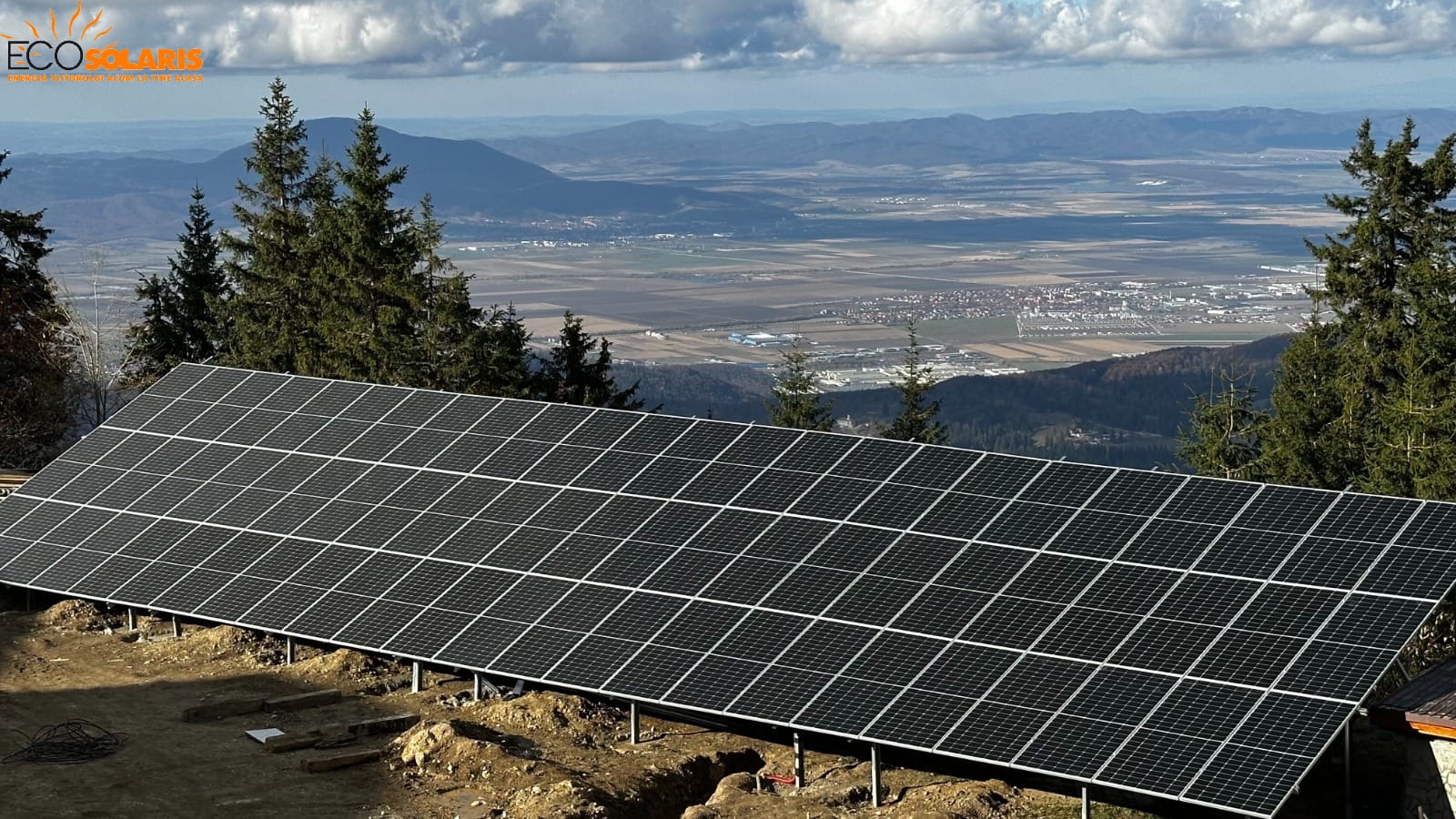
For autonomous homes, isolated premises, production halls with predictable consumption or agricultural farms, this configuration is a reliable energy core. It doesn't shine through marketing, but through functionality. It doesn't make spectacular promises, but delivers continuity, protection and long-term efficiency.
Conclusion [#$$#]
The 30 kWh micro-grid photovoltaic system presented here is not a one-size-fits-all solution, but one precisely calibrated for users who understand that energy must not only be produced – but managed. With a robust, integrated, modular and intelligent architecture, it offers exactly what is often missing in ordinary installations: coherence, control and continuity.
Energy autonomy is not about isolation, but calculated independence. And this system provides exactly that balance.