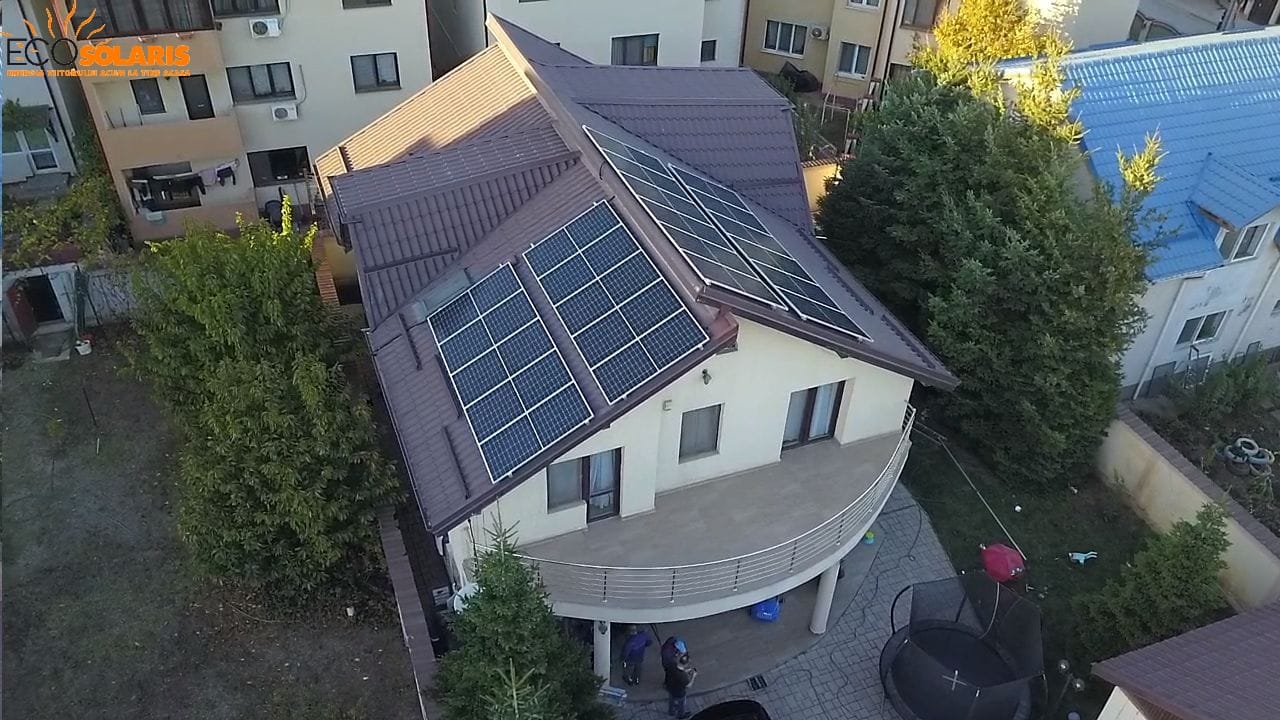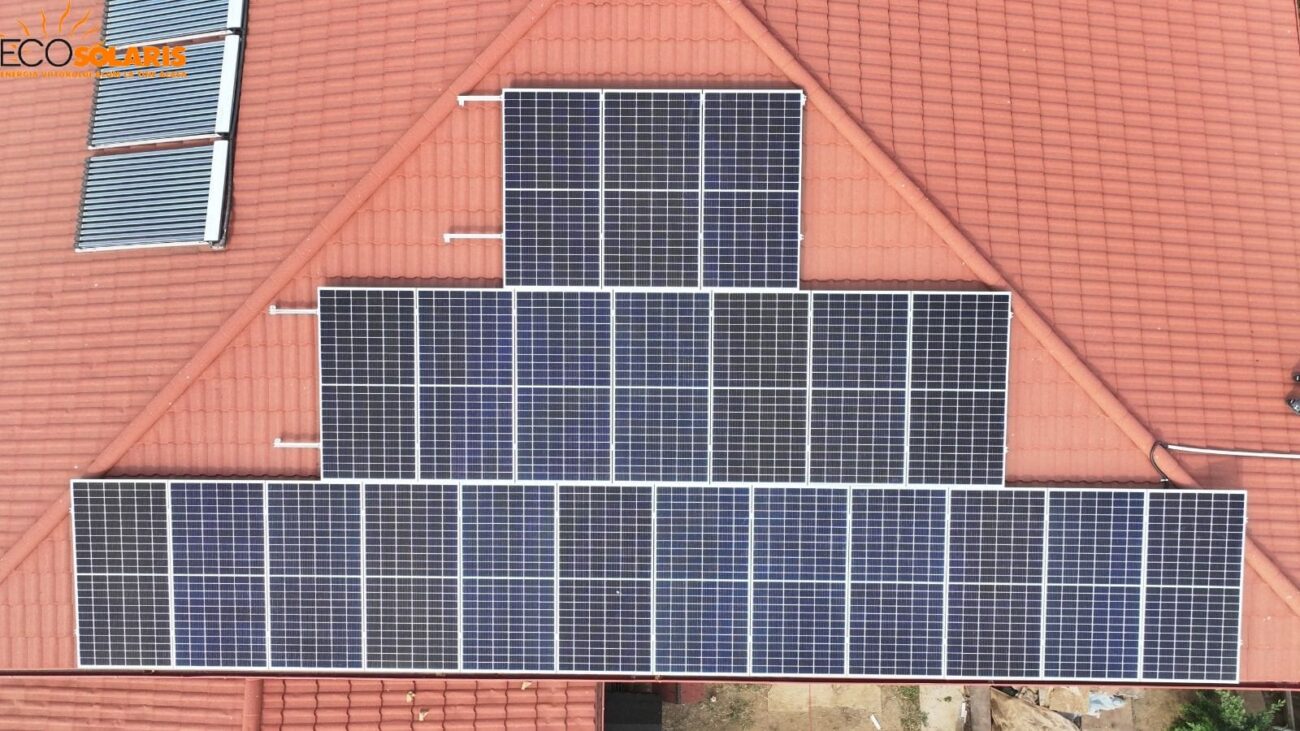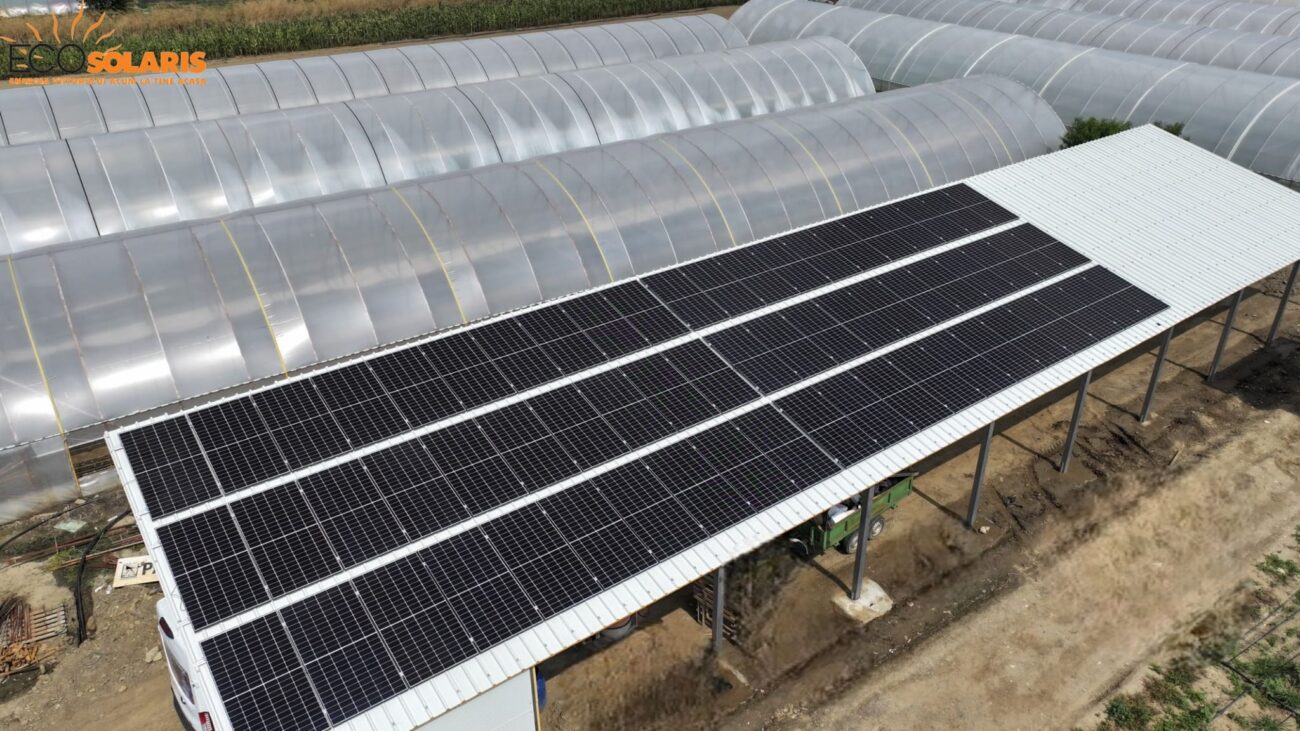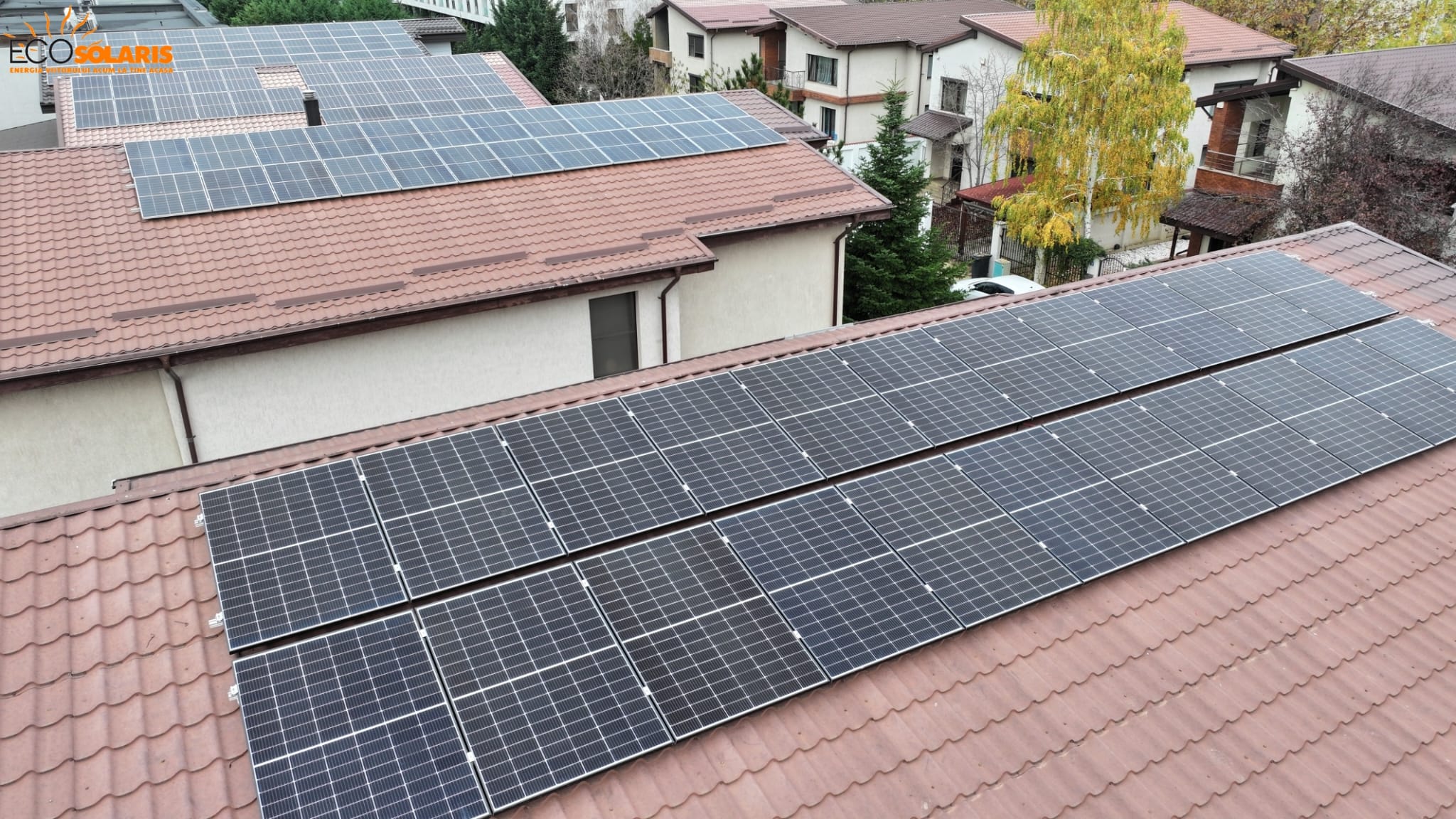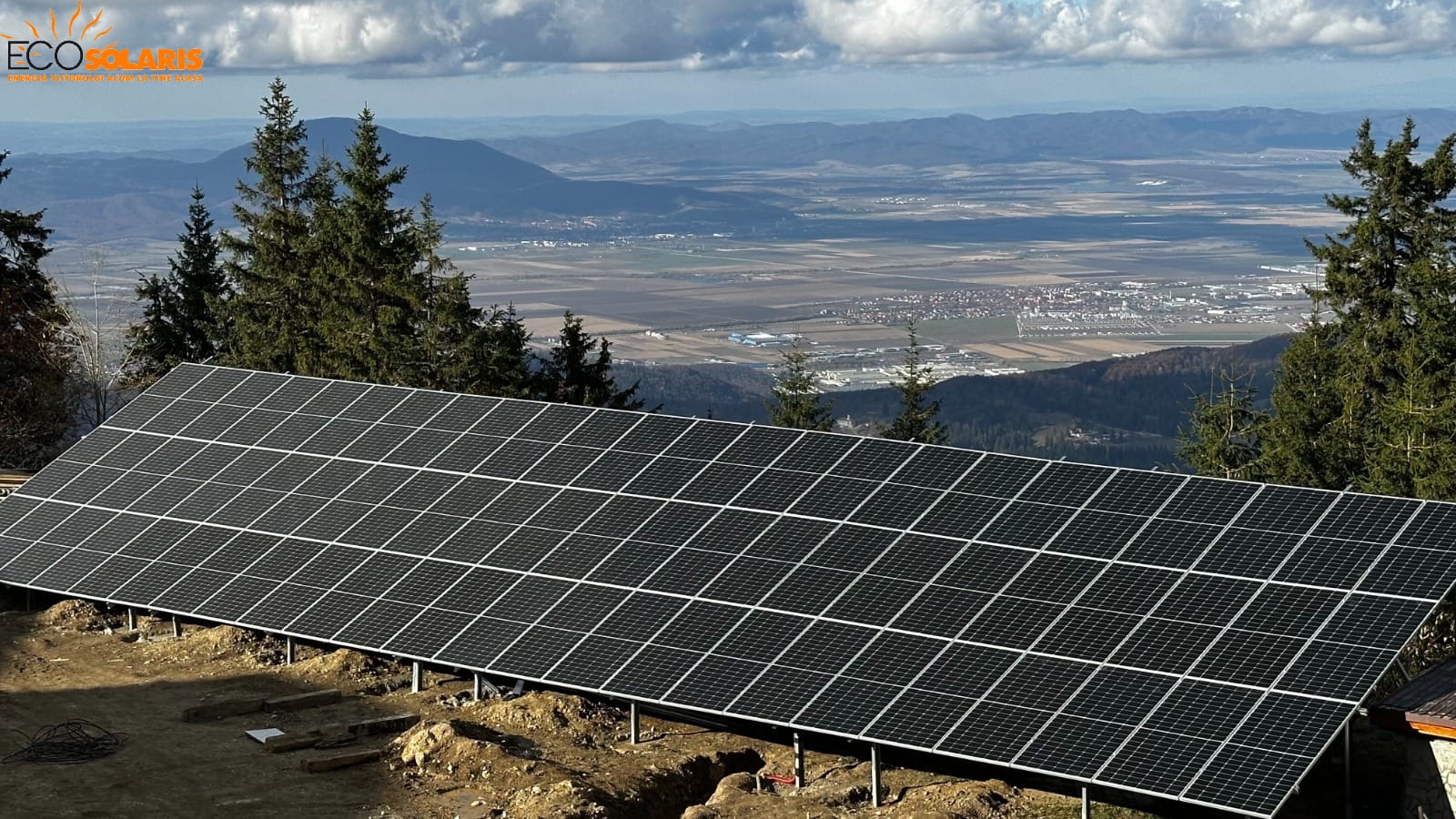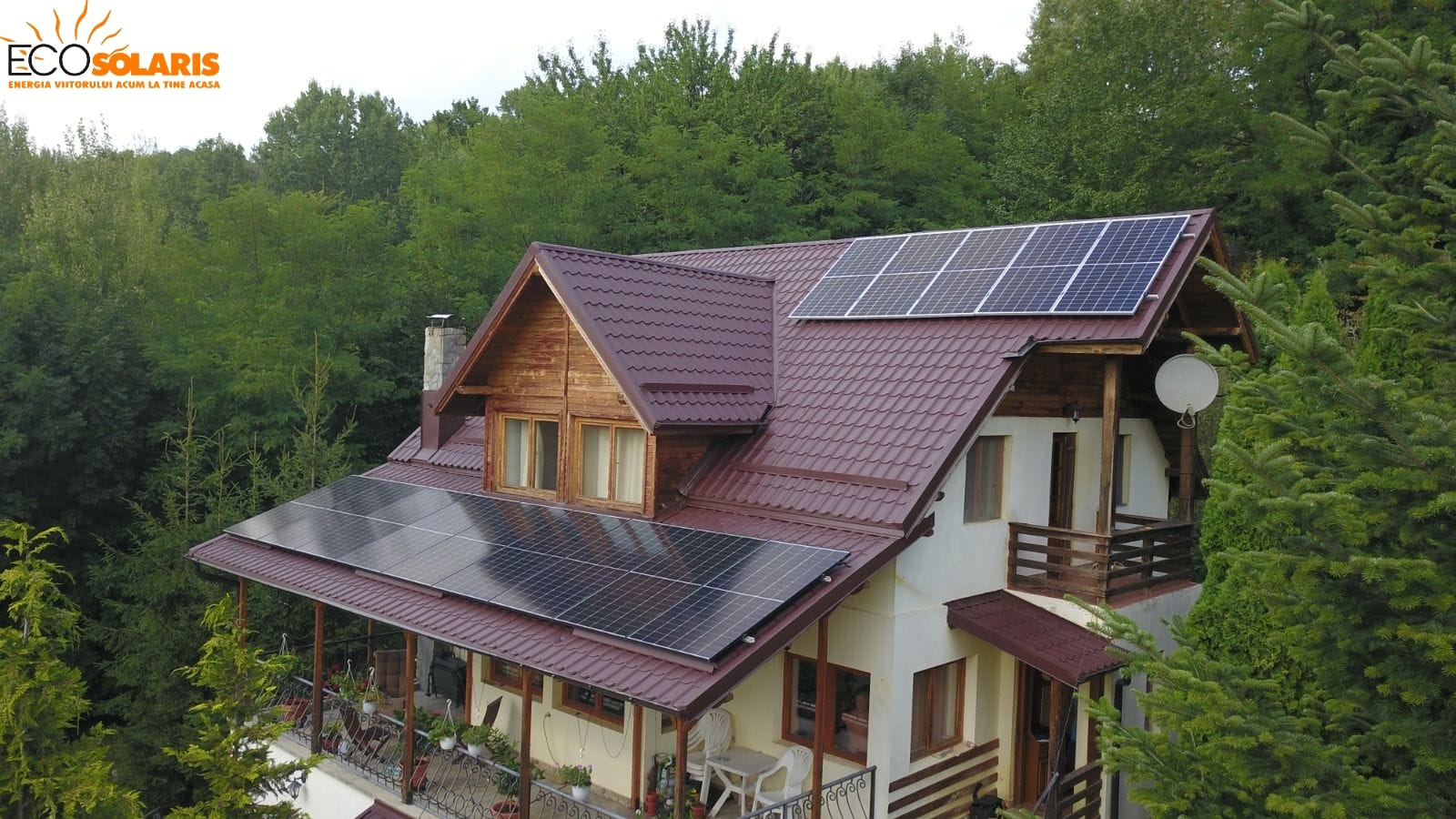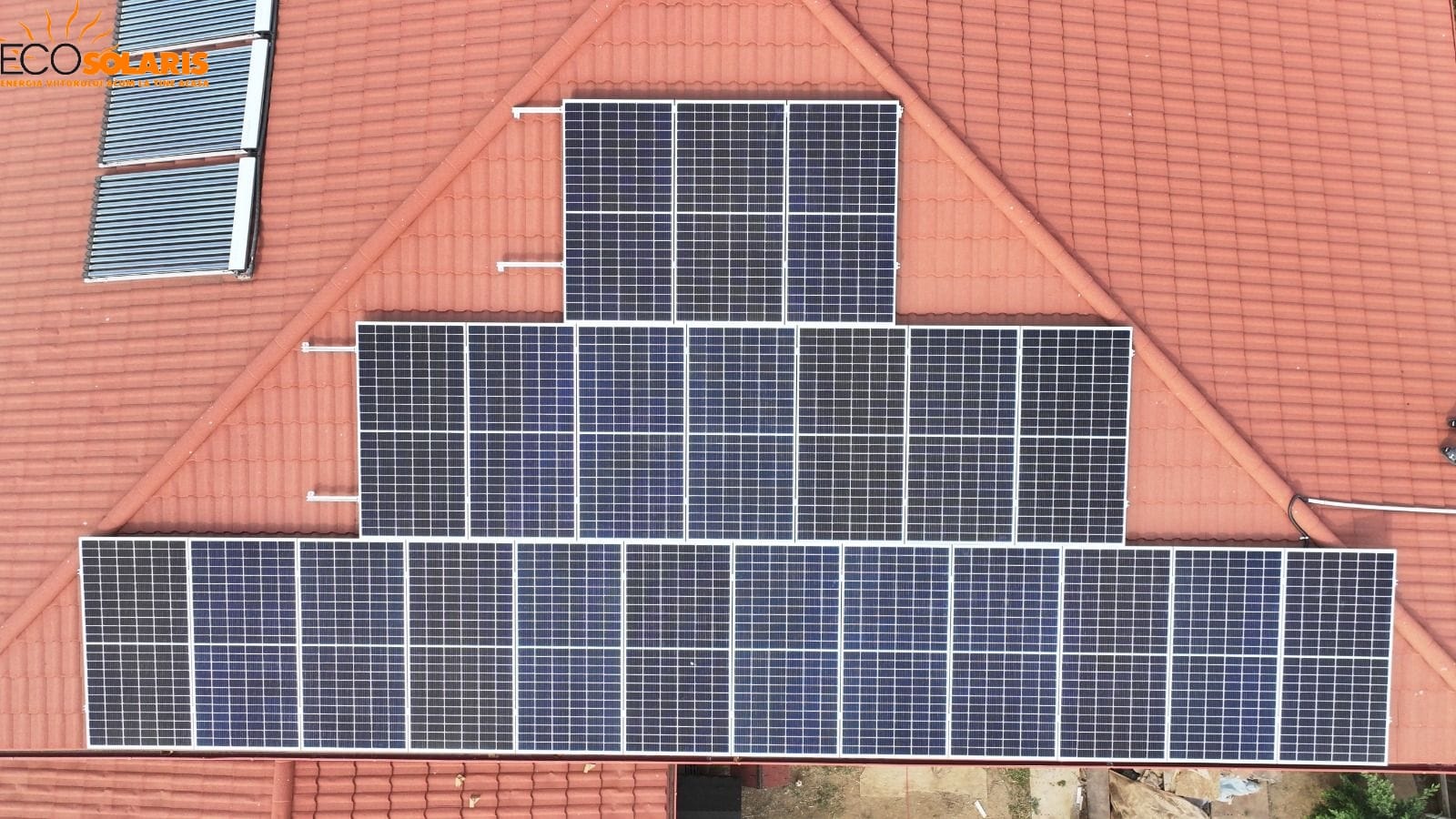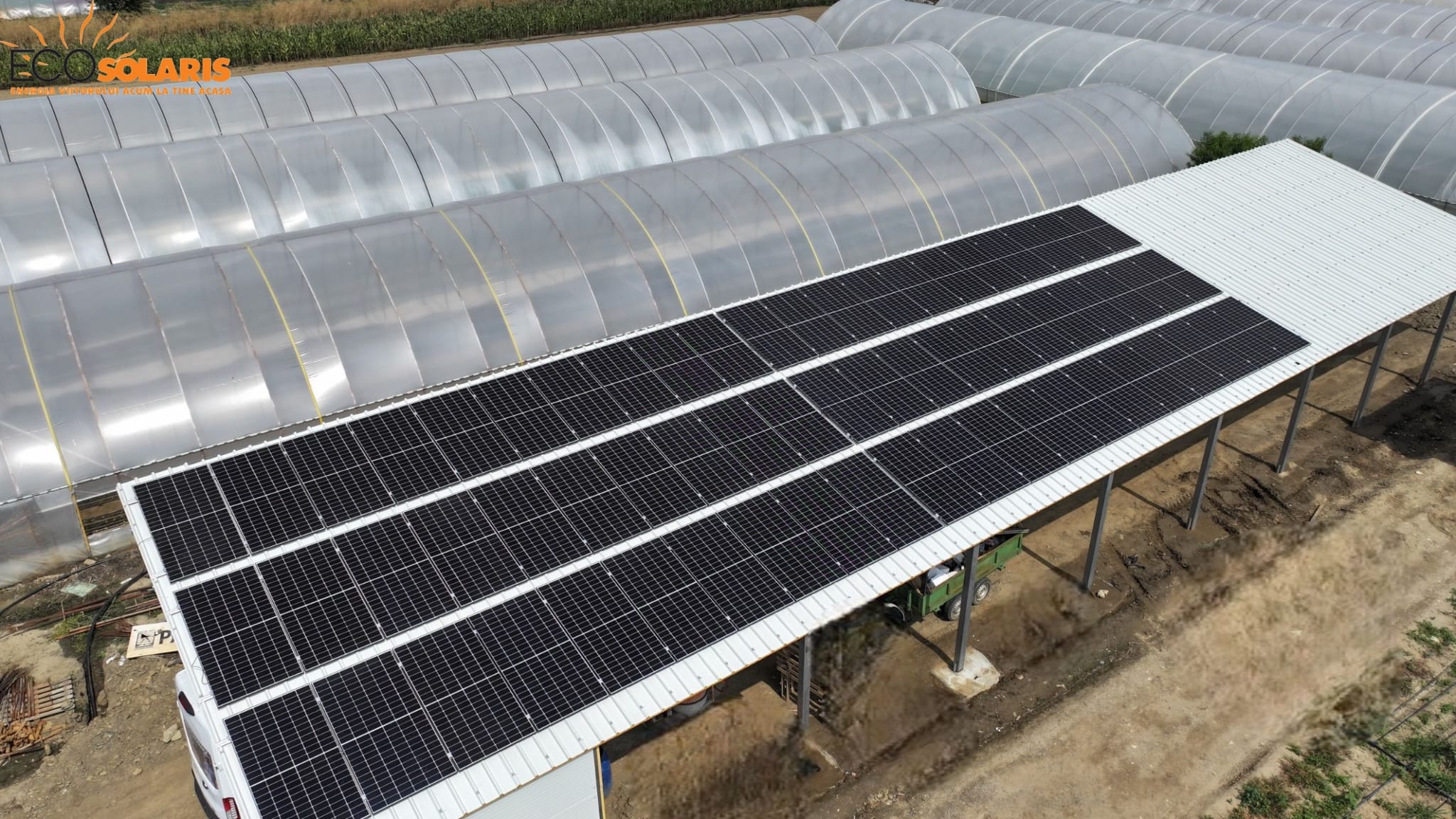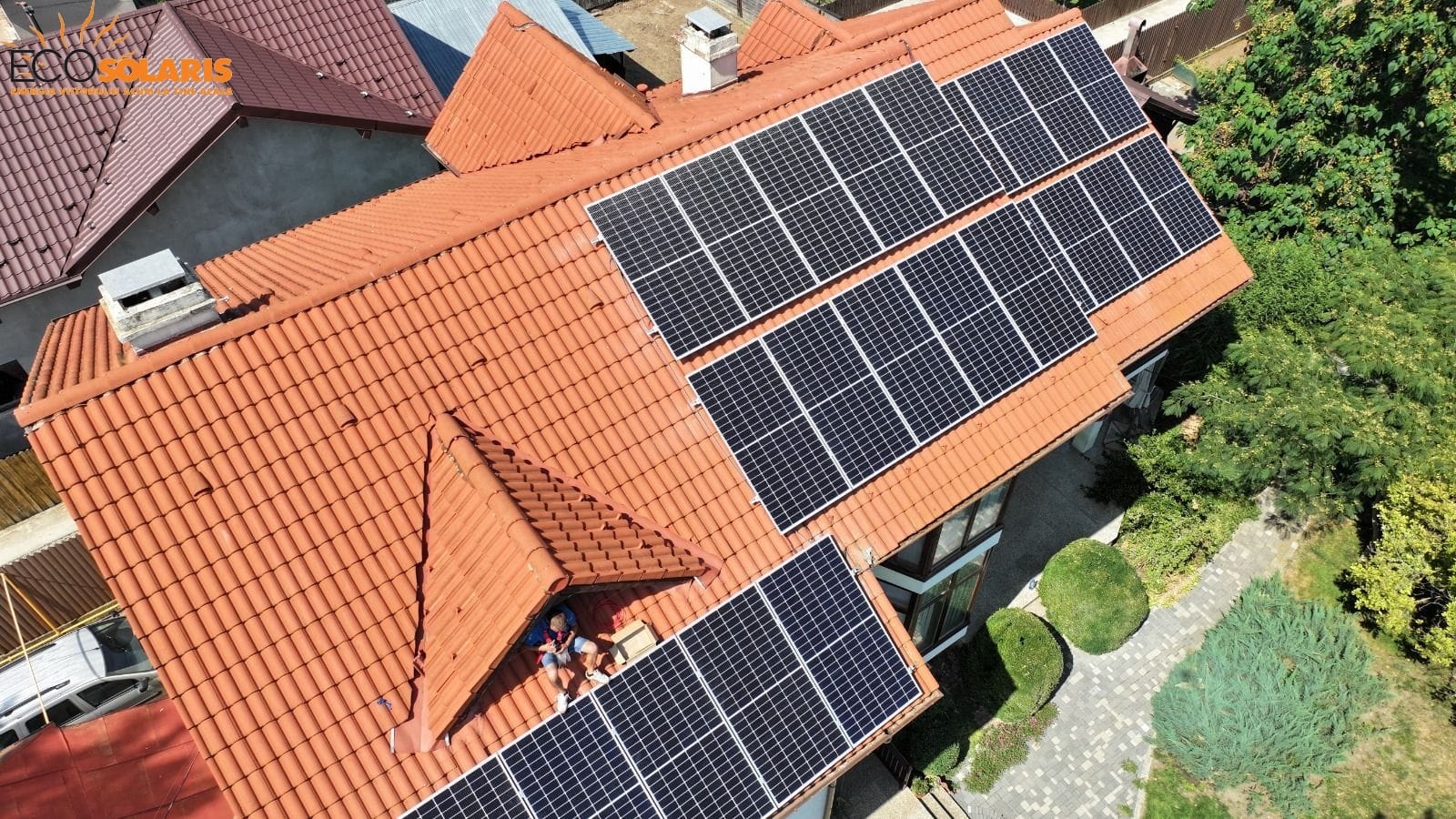




Photovoltaic system Micro-Grid - storage 150 kWh
The intelligent energy solution for autonomy and efficiency
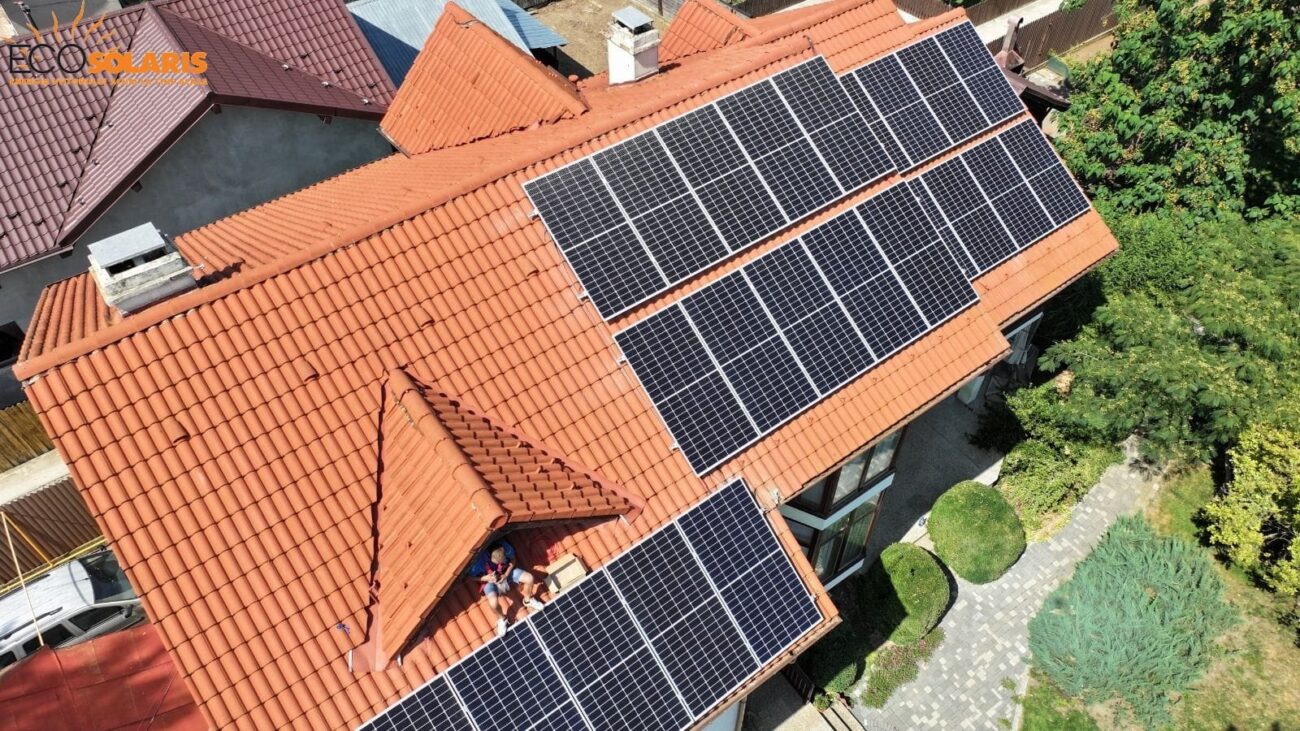
In the current context of the global energy transition and rising energy costs, micro-grid systems are gaining ground as sustainable, smart and efficient solutions for powering homes, businesses and communities. A 15 kWp micro-grid system with 150 kWh storage, equipped with Victron Energy technology and high-performance LiFePO4 batteries, offers a high level of energy autonomy, reliability and scalability.
In this article, we will look in detail at the configuration, advantages and applications of such a system, focusing on the key components and the economic, ecological and operational benefits generated.
What is a micro-grid system and why is it important?
A micro-grid is an autonomous electrical network that integrates renewable energy sources, storage systems and intelligent control and distribution devices. It works either independently (off-grid) or connected to the national grid (on-grid), with the possibility of automatically isolating itself in case of interruptions (islanding mode).
A micro-grid system becomes essential in areas with weak or unstable infrastructure, but also in locations where energy independence and cost control are priorities. Modern solutions enable adaptability, intelligent management and continuous optimization of energy consumption and production.
In addition to the obvious energy security benefits, micro-grids play a key role in reducing pressure on national grids and effectively integrating green energy. In countries with accelerated urban expansion or in isolated communities, they can become the backbone of the local electrical infrastructure.
System components
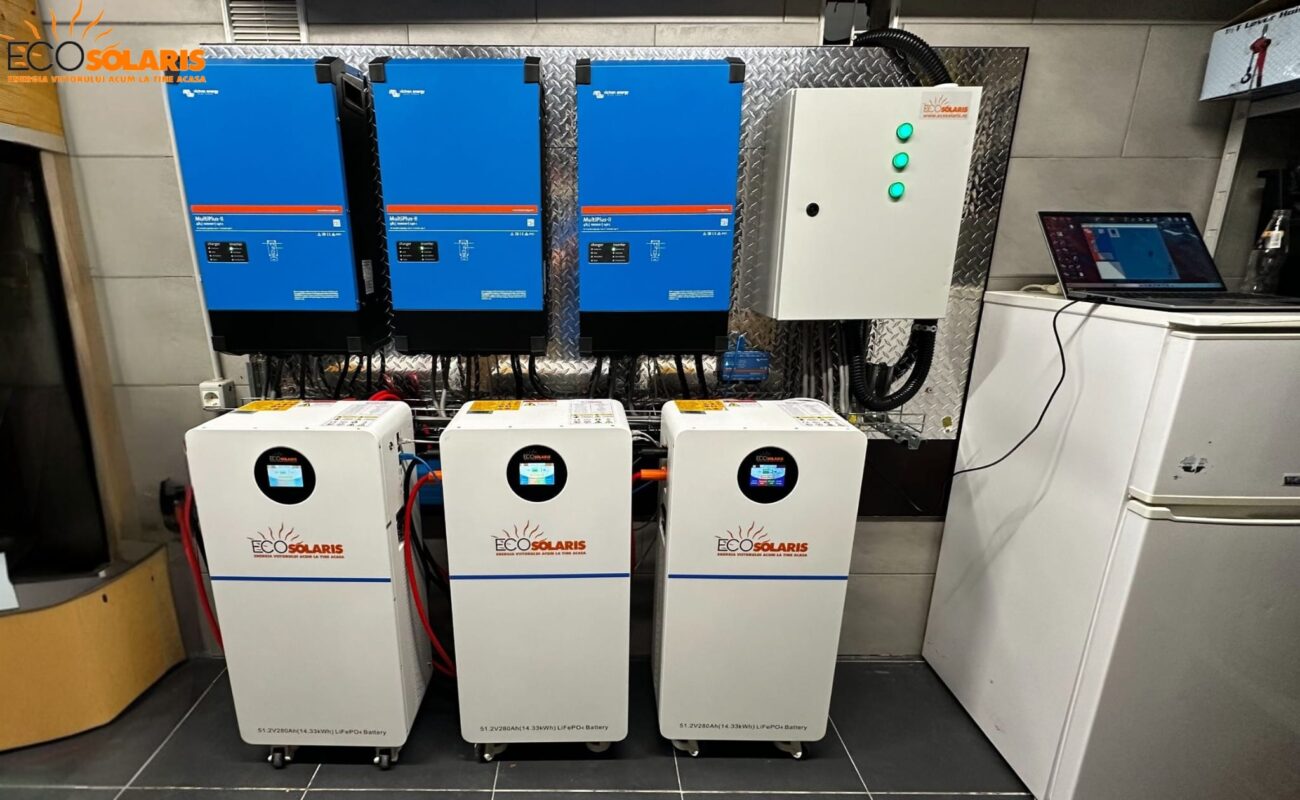
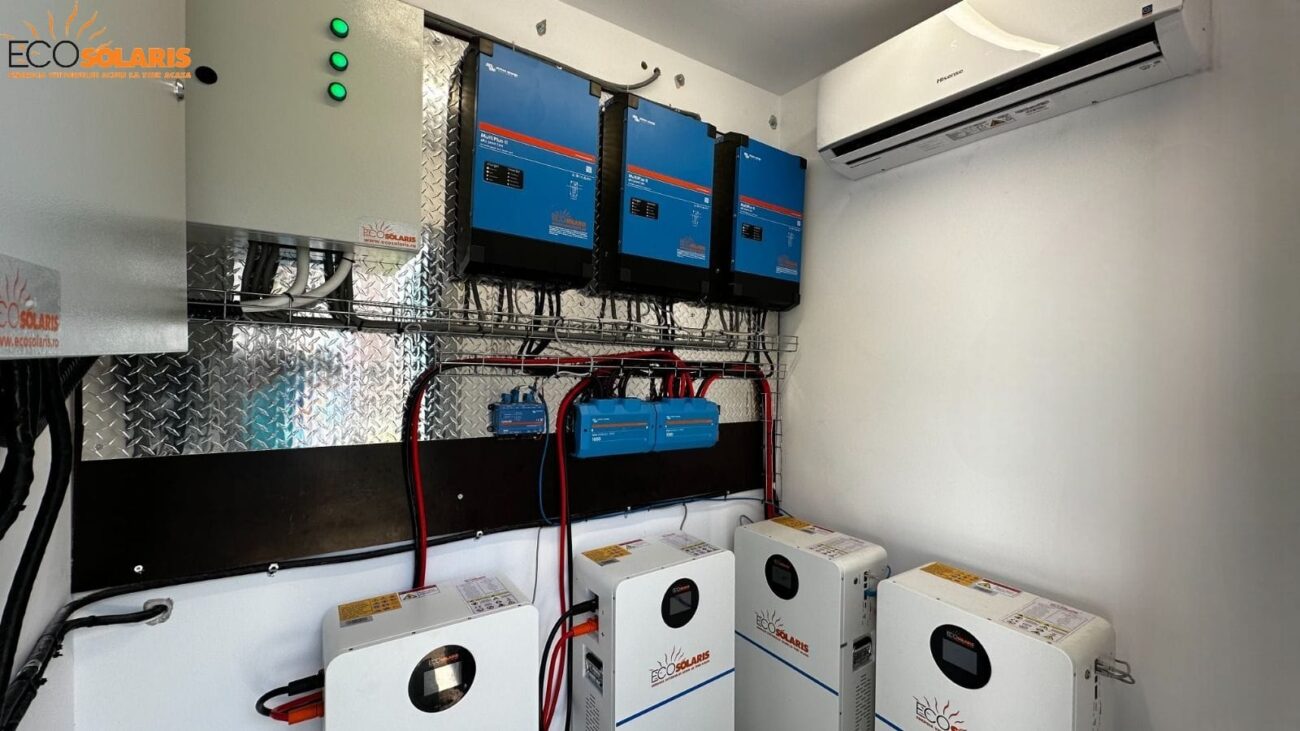
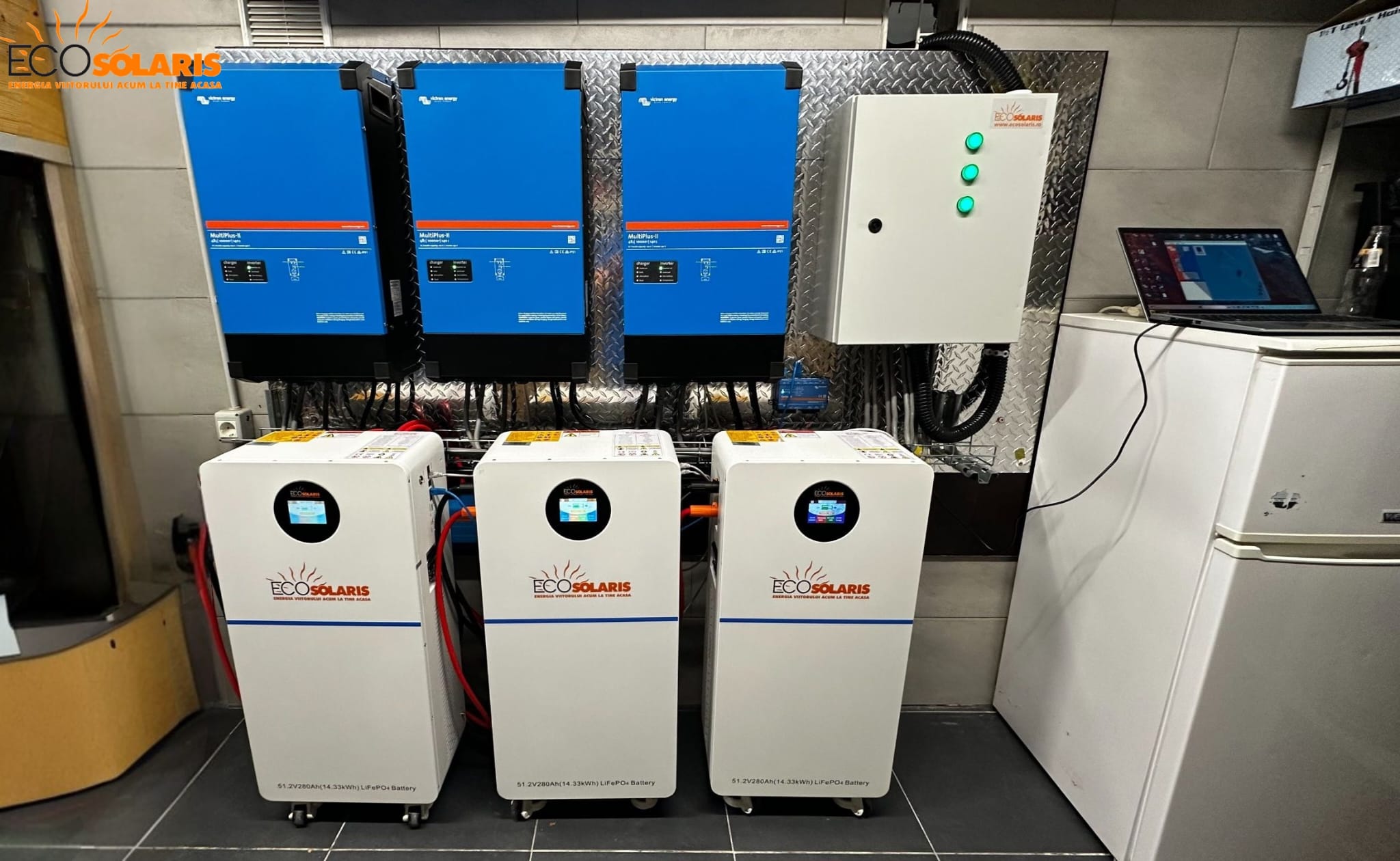
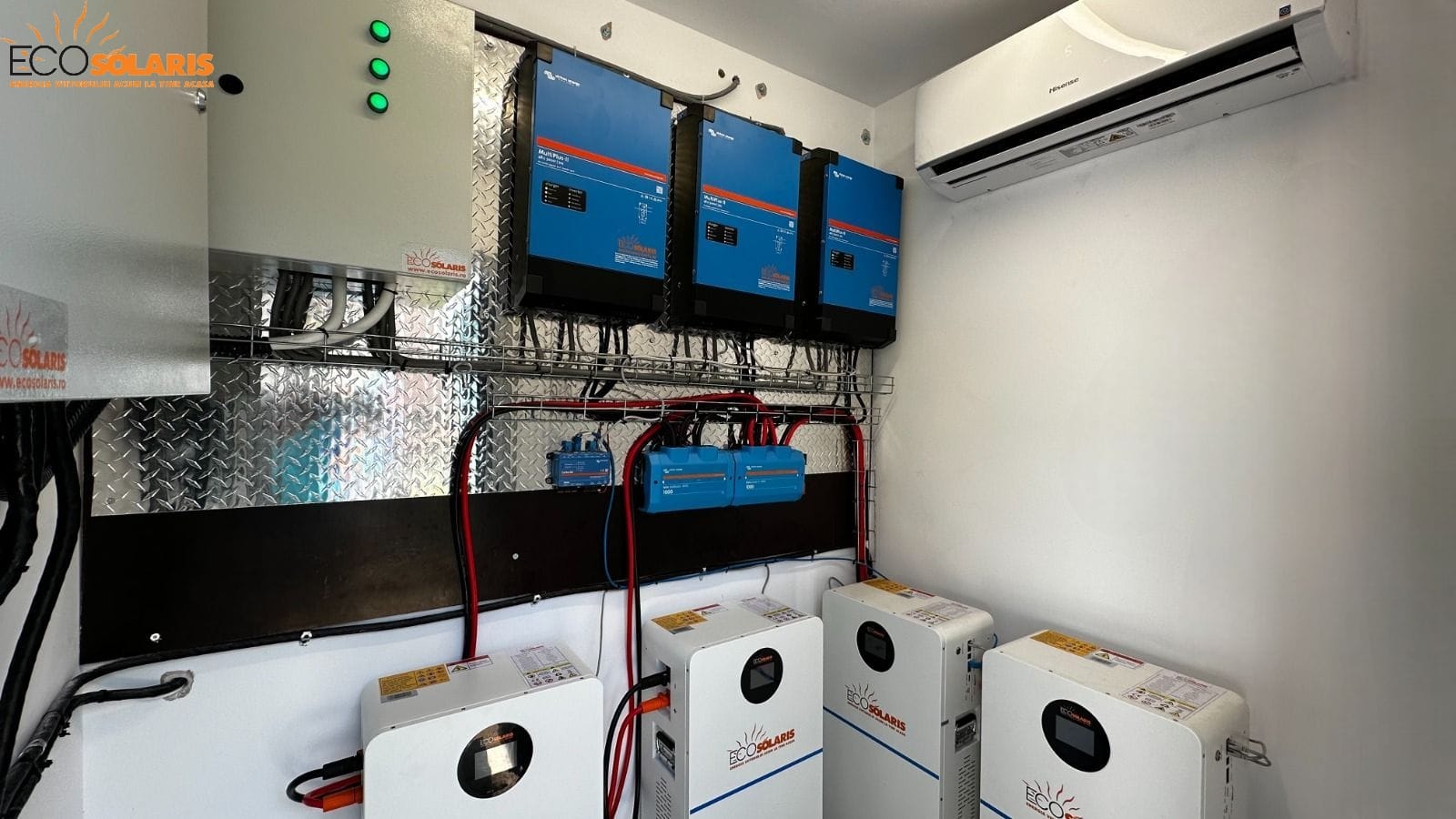
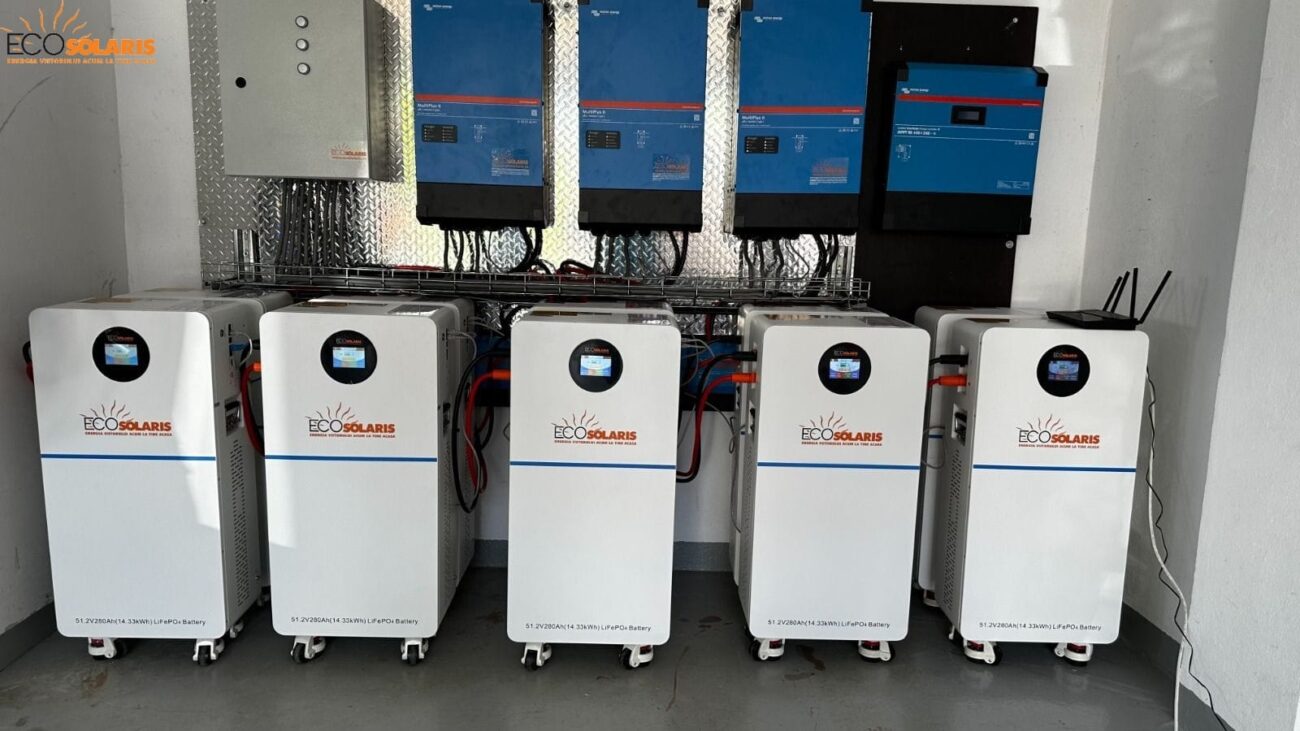
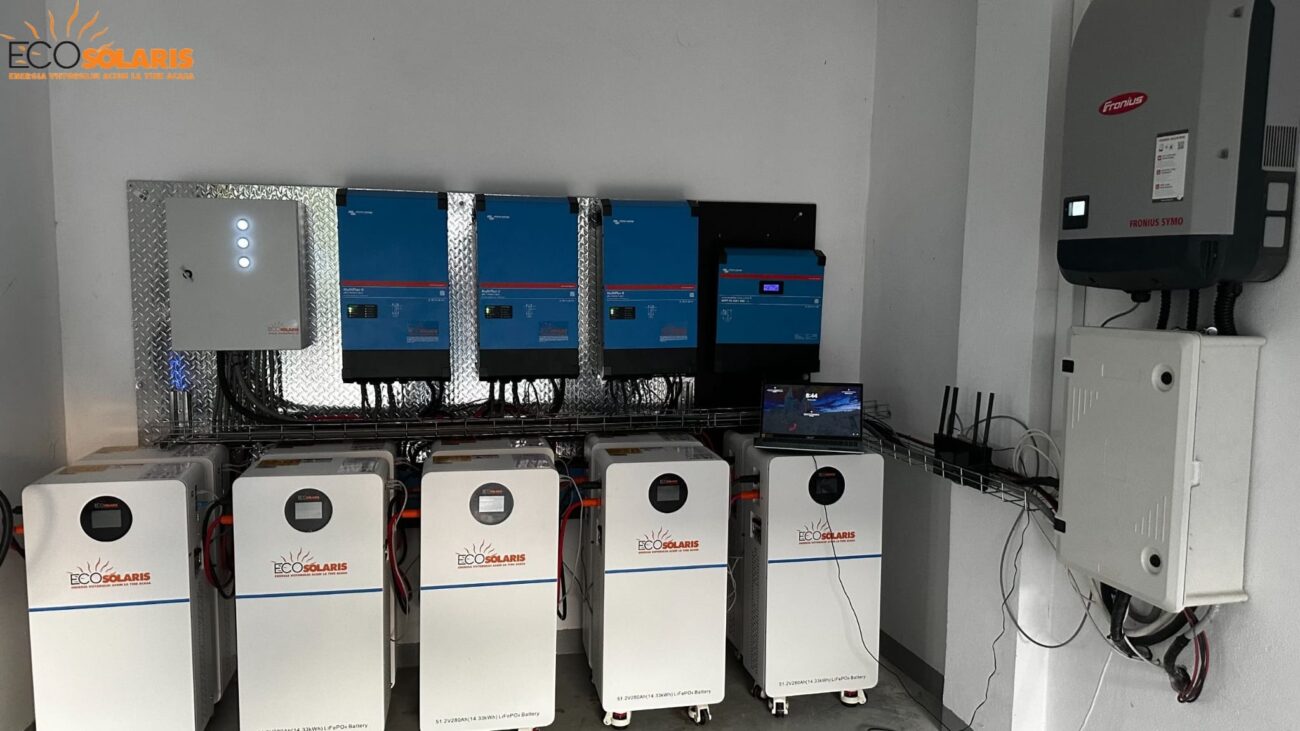
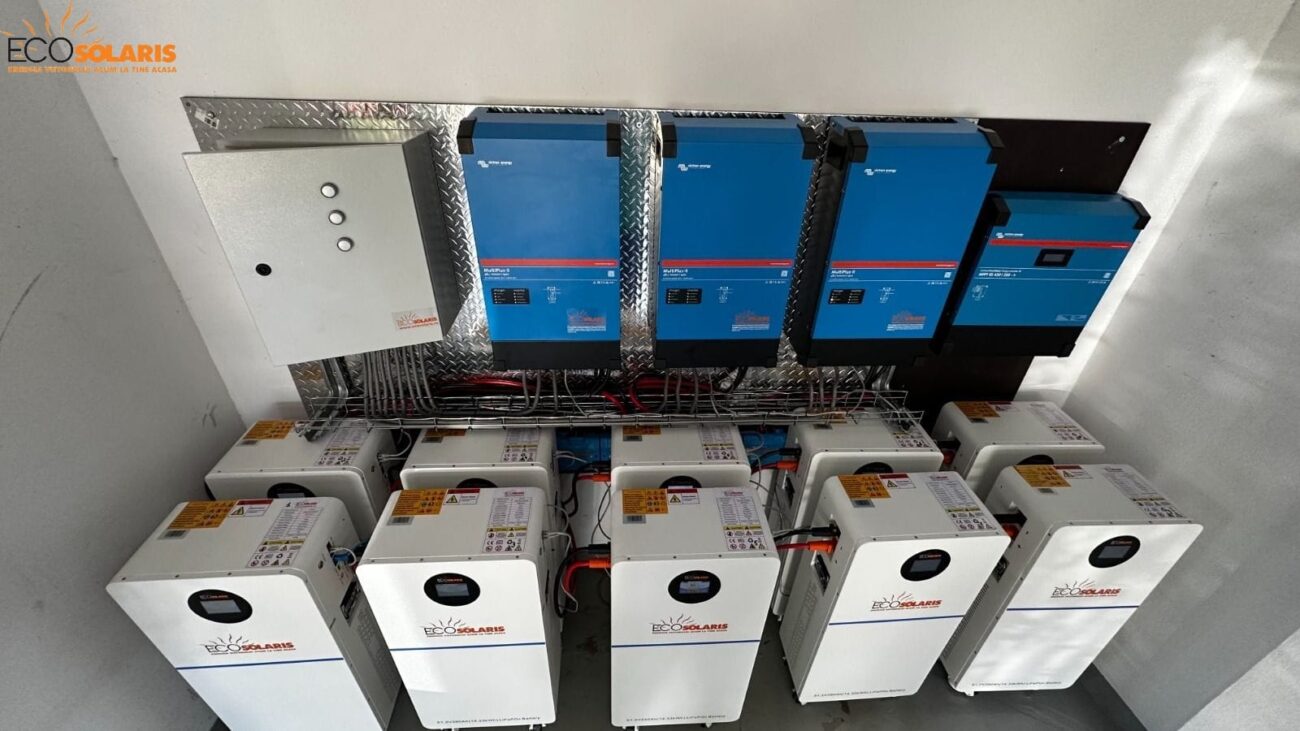
The configuration of this 15 kWp micro-grid system with 150 kWh storage is made with high reliability equipment produced by Victron Energy and EcoSolaris as follows:
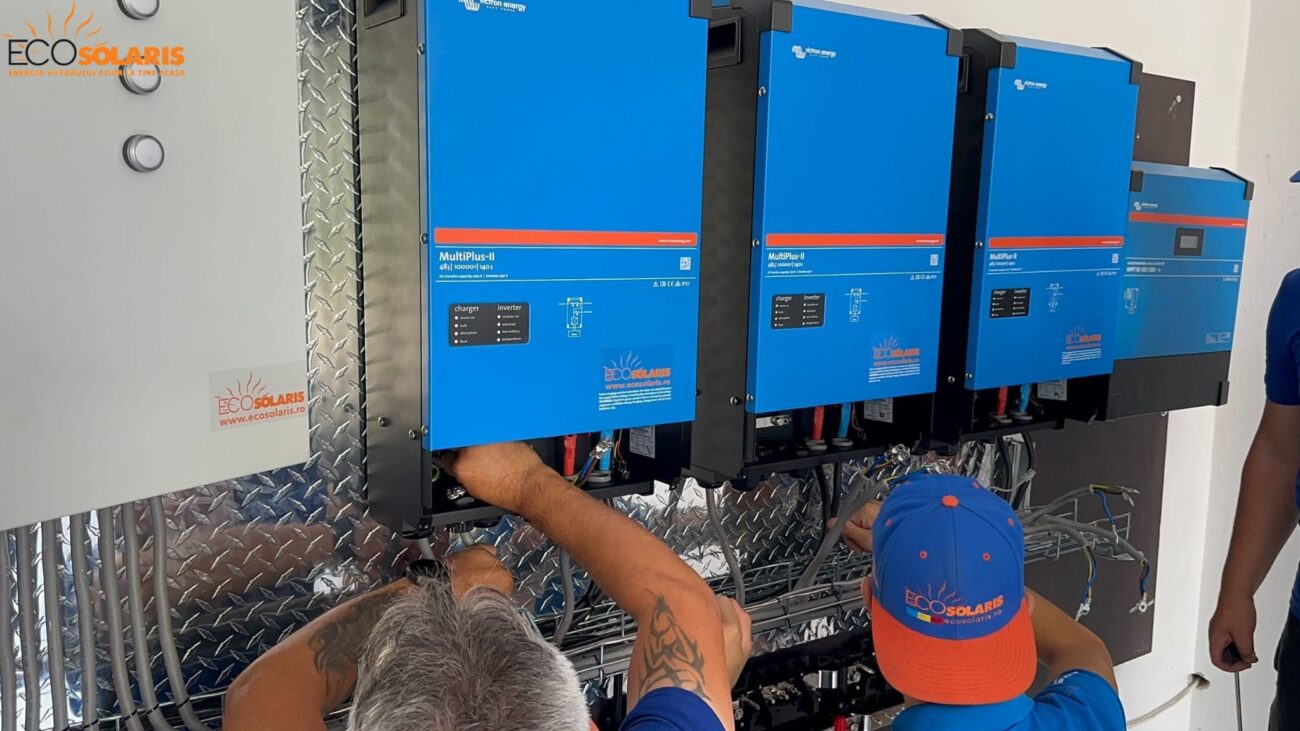
3 x Victron MultiPlus-II 48/10000/140-100 – Hybrid inverter/charger with 10 kVA power per unit, which allows parallel operation and supports three-phase applications. It provides energy continuity and operational flexibility.
1 x Victron Energy Cerbo GX – Advanced monitoring and control unit compatible with the VRM platform for remote monitoring and intelligent system integration.
1 x Lynx Distributor DC M10 Victron Energy – DC distributor with integrated protections and clear organization of connections.
3 x Lynx Power In M10 Victron Energy – Input modules for safe direct current connections, ideal for modular systems.
1 x AC Protection and Automation Panel – Provides protection against overloads, automatic switching and isolation from the mains in case of failures.
10 x LiFePO4 EcoSolaris batteries (15 kWh) – Total 150 kWh gross capacity, state-of-the-art batteries with extended life and high efficiency.
1 x SmartSolar MPPT RS 450/200 Victron Energy – High voltage solar regulator, with up to 200A charging current, ideal for large solar banks and optimal efficiency.
This combination of equipment allows for an optimal balance between performance, safety, scalability and operational efficiency.
Case studies and hypothetical scenarios
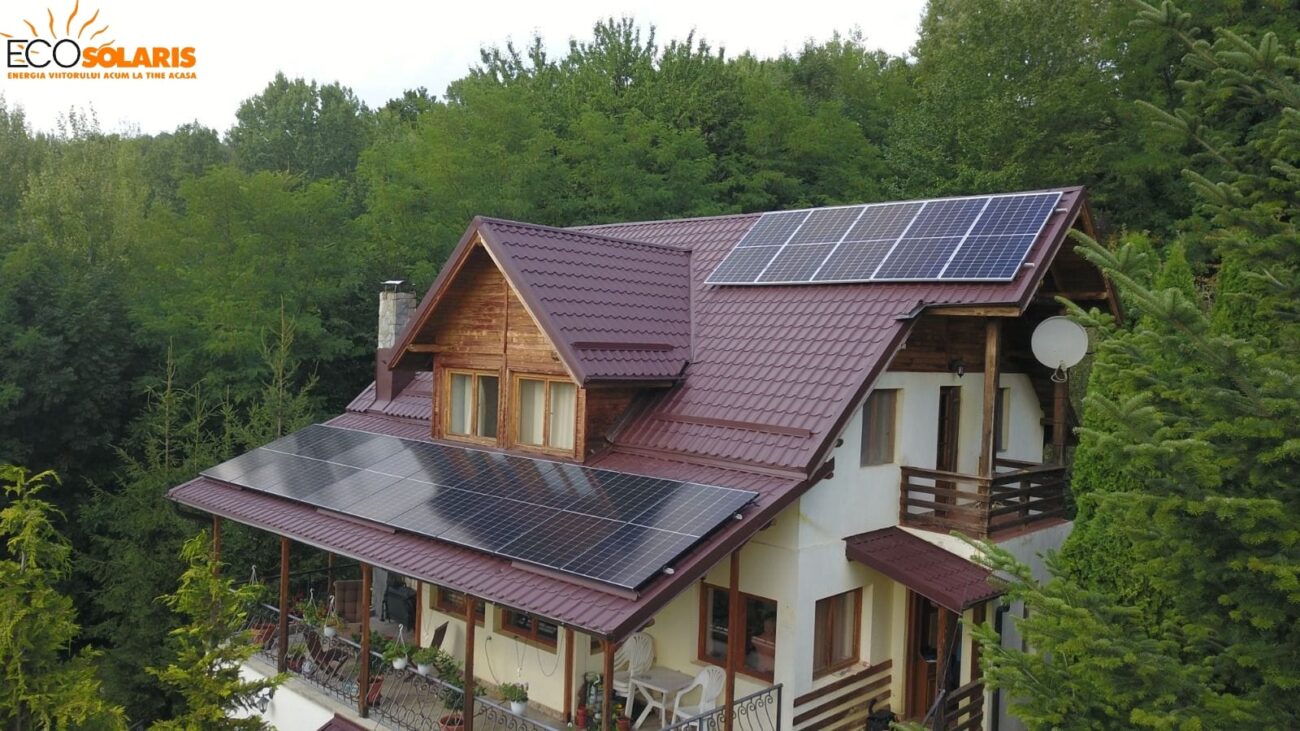
Case study: rural guesthouse in the mountain area [#$$#]
A tourist guesthouse with 12 rooms, restaurant and SPA center, located in the mountain area without stable access to the network, implemented a system identical to the one presented. With an average consumption of 80-100 kWh/day, the system provides full power in the summer season and ~80% in the cold season, when the heating is partially electric. Estimated annual savings: over 35,000 lei, not including operational losses avoided due to continuity of supply.
Urban scenario: passive house with electric garage
An nZEB single-family home with electric heating and electric vehicle (EV) charging consumes an average of 30-40 kWh/day. The micro-grid system allows over 90% autonomy throughout the year, including in cloudy conditions, thanks to the high storage capacity. In addition, it allows establishing an energy back-up for essential household appliances and EV charging at night.
Future prospects and expansions
One of the great advantages of the presented architecture is scalability. The system can be easily expanded both on the production side (by adding MPPT panels and regulators) and on the storage side (by integrating 2-4 more identical batteries without major modifications). In addition, by integrating some auxiliary sources (mini wind turbines, gas generators, geothermal systems), the micro-grid becomes a mixed energy platform, with increased autonomy and optimized performance.
The system is also compatible with smart-grid algorithms, being prepared for integration into a future decentralized energy ecosystem. It can participate in local energy exchange networks, with the possibility of trading the surplus through bilateral contracts or P2P (peer-to-peer) platforms.
Applications and usage scenarios
Micro-grid systems of this type have wide applicability, being suitable for a variety of residential, commercial and industrial contexts. Below are some concrete usage scenarios, accompanied by operational benefits and particularities:
1. Off-grid housing in isolated areas
For houses located in areas without access to the electricity grid (for example, in the mountains, in the forest or in protected areas), this system ensures continuous and complete power supply. The large storage capacity allows total autonomy, including in periods of low insolation. Users benefit from complete energy independence and zero operating costs.
2. Farmers and agro-tourism operators
In agriculture, such a system can power irrigation systems, pumps, greenhouse lighting systems and cold rooms. For rural guesthouses, the system offers energy stability, continuity of services for customers and a sustainable image. Energy costs can be reduced by more than 80% during the first years of use.
3. Eco lodges and tourist centers
In mountain tourism areas, isolated cabins or ecological relaxation centers can operate completely autonomously, supplying electrical heating, lighting, water supply and connectivity systems. A major advantage is eliminating the need for fossil fuel generators, thereby reducing noise and emissions.
4. Smart urban housing with EVs
In the urban environment, this system can support an nZEB smart home, with heat pumps, high-performance electrical equipment and the charging of an electric car. In combination with high efficiency solar panels, the home can achieve a degree of autonomy of over 90% throughout the year.
5. Data centers, workshops and small industrial units [#$$#]
The micro-grid can be used as the main or backup source for servers, production equipment or logistics premises. Response time in the event of a power outage is virtually instantaneous, and monitoring provides useful data to optimize workflows.
6. Humanitarian applications and emergency interventions
Due to the relative mobility of the system, it can be used for field hospitals, refugee camps or intervention centers in areas affected by natural disasters. It provides critical power for medical equipment, communication systems and lighting without depending on existing infrastructure.
These scenarios illustrate the versatility and strategic value of a well-configured micro-grid system, adaptable to both commercial and critical situations.
Conclusion
The presented micro-grid system is a strategic investment for anyone who wants full control over energy, security of supply and long-term cost reduction. Victron Energy components, LiFePO4 batteries and modular architecture ensure performance, scalability and compatibility with future expansions.
Whether it's a mountaintop cabin, a smart farm or a modern self-contained home, this 15kWp system with 150kWh storage is a complete, robust and energy- and cost-efficient solution.