










Make cleaner air a daily habit
Despite its importance to well-being, air quality is often overlooked. While we monitor our sleep and stress with smart devices, the air we breathe indoors tends to go unnoticed – even though it can have a direct impact on our energy, mood, sleep and focus.
With Ruuvi Air and the intuitive Ruuvi app, you'll gain a better understanding of how your everyday life shapes your indoor environment – and how small actions can make a big difference.
Introducing Ruuvi Air
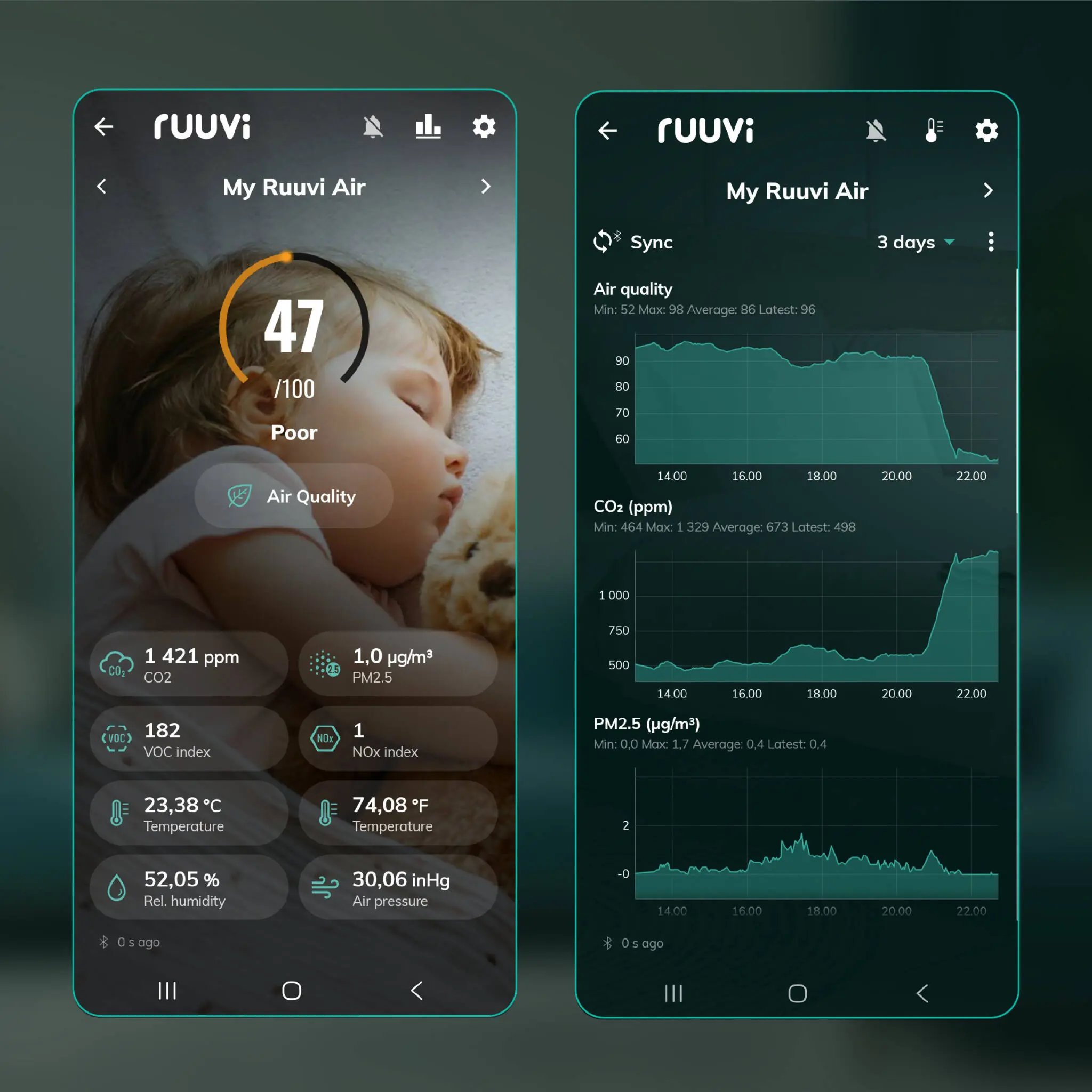
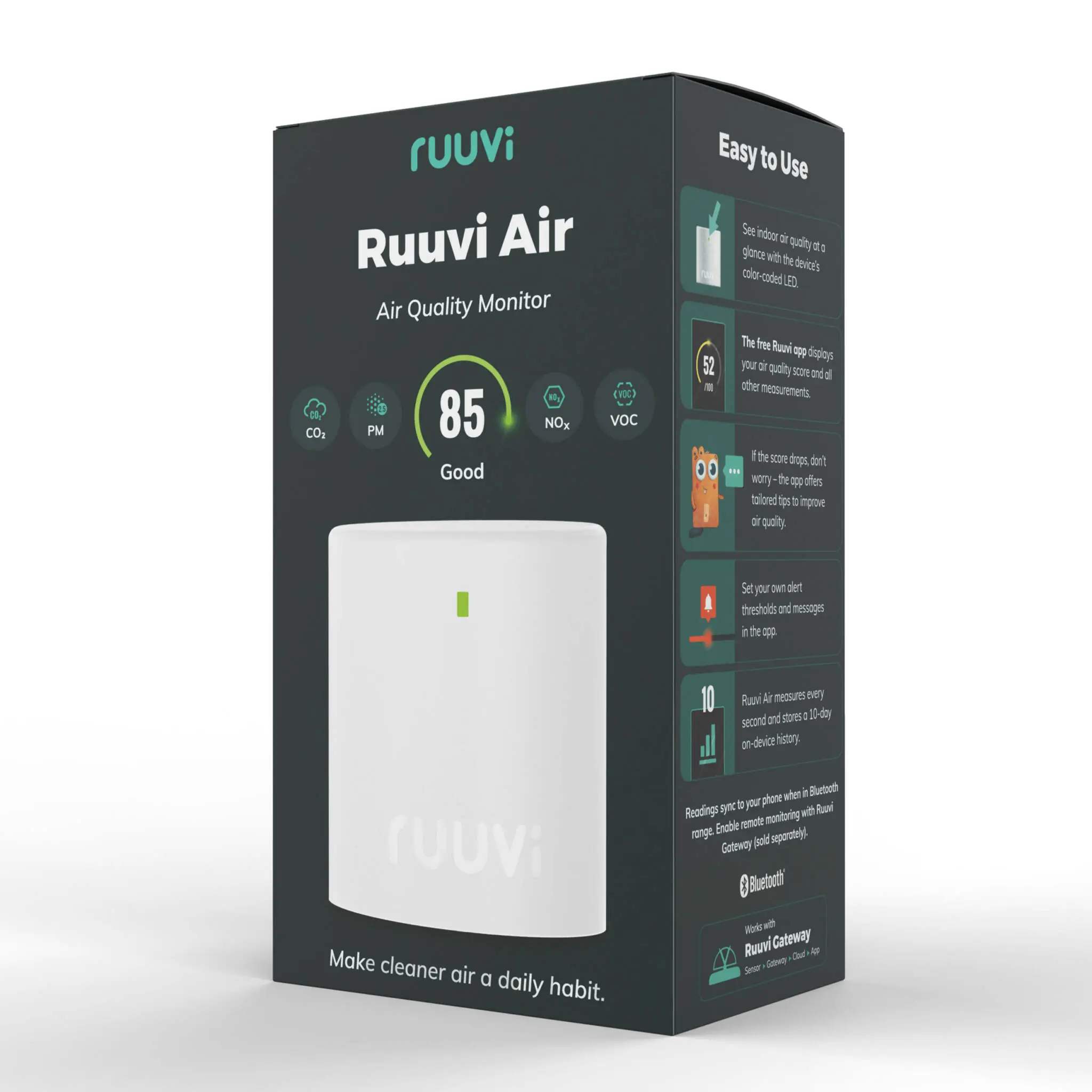
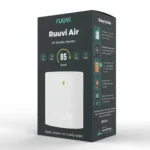
Ruuvi Air includes all the essential air quality and Ruuvi Indoor Air Quality Score (IAQS) sensors, giving you a quick look at how healthy your indoor air is. All measurements are sent directly to your mobile device.
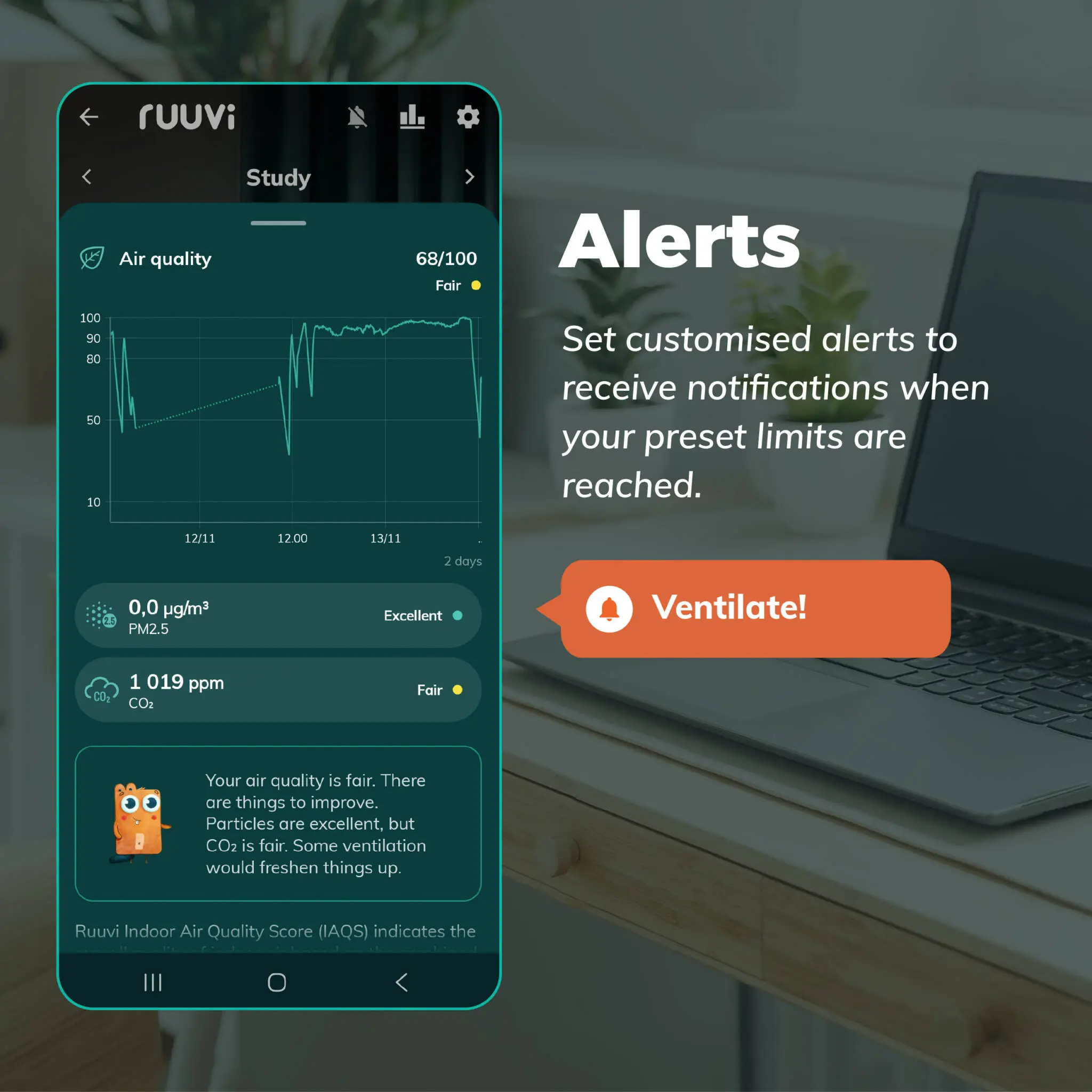
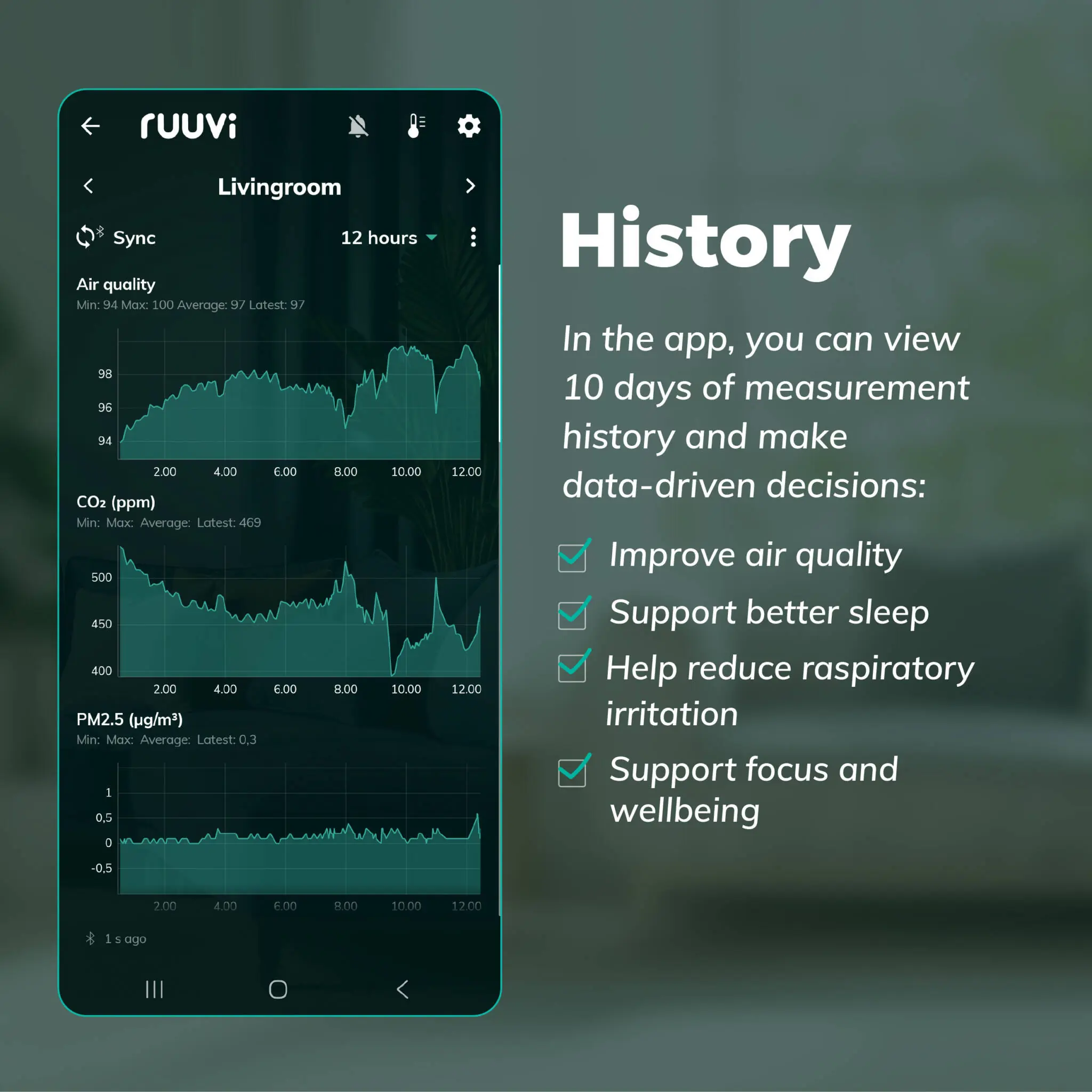
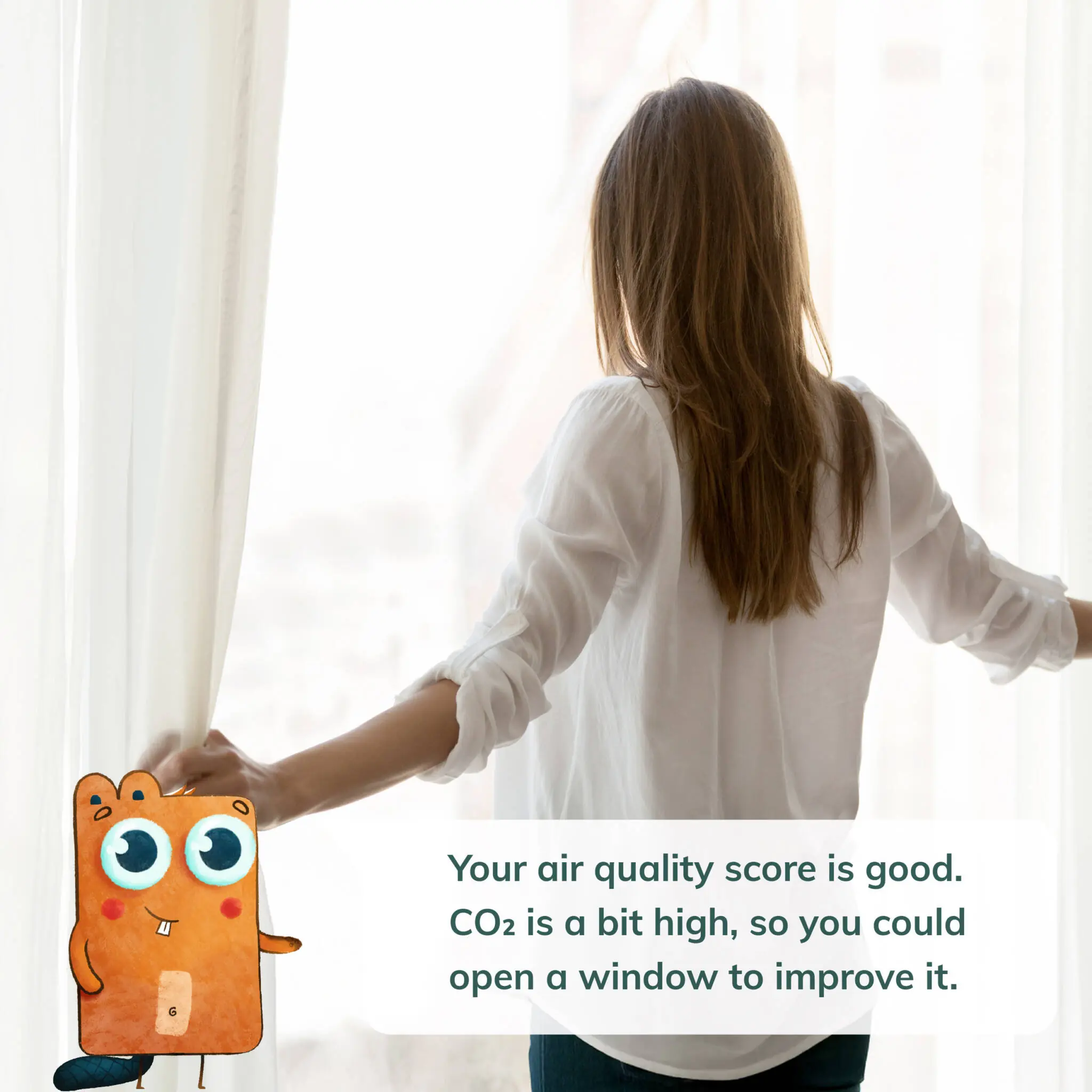
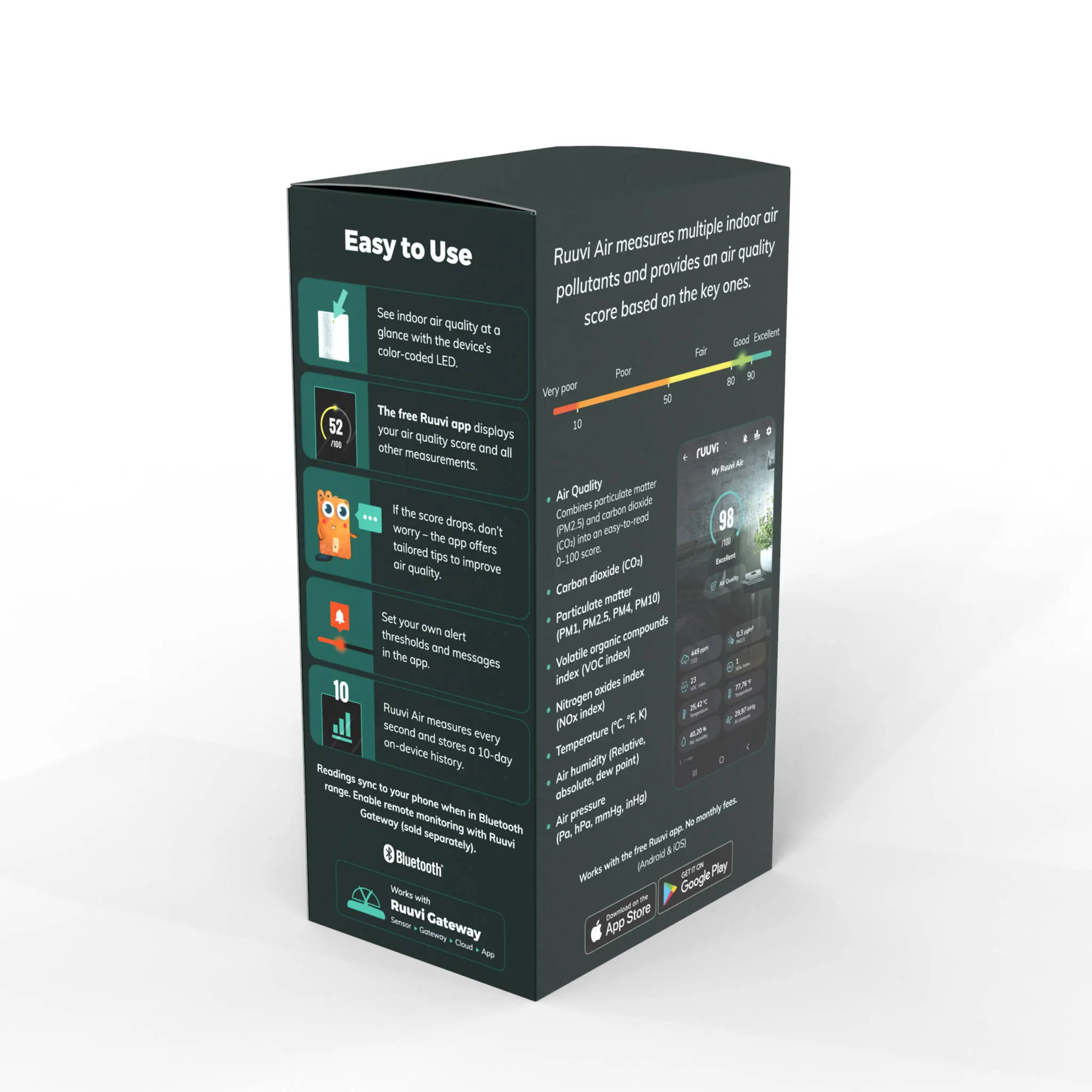
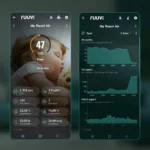
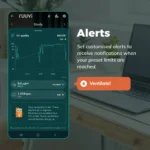
The Ruuvi Station mobile app allows you to view air quality status, real-time measurements for all parameters, detailed readings and historical graphs. You can set and receive customizable alerts when conditions reach critical levels. For additional support, the app provides personalized advice based on your air quality results to help you take meaningful action.
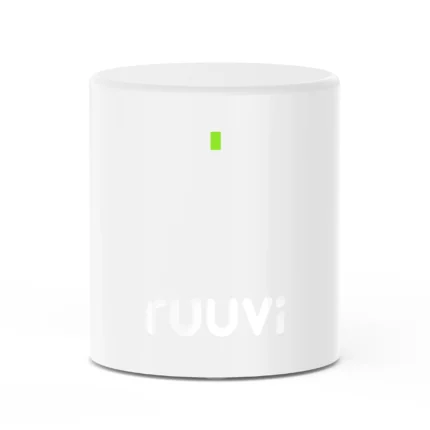
You can easily check your air quality status from the device's color-coded indicator light. The color corresponds to the Ruuvi Indoor Air Quality Score, which is also displayed in the app.
Ruuvi Indoor Air Quality Score (IAQS)
The Ruuvi Indoor Air Quality Score (IAQS) is a single number from 0 to 100 that summarizes how good or bad your indoor air quality is. It is based on two key factors: levels of fine particulate matter (PM2.5) and carbon dioxide (CO₂).
On-board sensors (7-in-1)
- Carbon dioxide (CO₂): [#$$#] ppm, typical accuracy ±50 ppm + 2.5% from 400 ppm to 1000 ppm, ±50 ppm + 3% from 1001 ppm to 2000 ppm, ±40 ppm + 5% from 2001 ppm to 5000 ppm. Range: 0-40000 ppm. High levels of CO₂ can cause fatigue and reduce concentration. Monitoring helps you know when it's time to ventilate.
- Particulate matter (PM): µg/m³, typical precision for PM1 and PM2.5: ±5 µg/m³ + 5% for the range 0-100 µg/m³, ±10 % for the range 100-1000 µg/m³, and typical precision for PM4 and PM10: ±25 µg/m³ for the range 0-100 µg/m³ and ±25 % for the range 100-1000 µg/m³. Range: 0–1000 µg/m³. Fine particles can enter your lungs and affect your health without any visible symptoms. The sensor shows how clean your air is.
- VOC (Volatile Organic Compounds): The VOC index mimics the perception of odors by the human nose, with a relative intensity compared to recent history. The VOC index is also sensitive to odorless VOCs, but cannot discriminate between them. On the VOC Index scale of 0 to 500, this gap is always mapped to a value of 100, making reading as easy as possible: a VOC Index above 100 means there are more VOCs compared to average (eg induced by a VOC event from cooking, cleaning, breathing, etc.), while a VOC Index below 100 means there are fewer VOCs compared to average (eg induced by fresh air from an open window, use of a air purifier, etc.).
- NOx: All NOx events are quantified on the same limited NOx Index scale, ranging from 1 to 500. Unlike the VOC Index, there is no gain adjustment for the NOx Index because the gas composition of NOx events typically does not vary as much as in VOC events. NOx compounds mainly come from traffic and combustion. They can irritate the respiratory system and reduce air quality, especially in urban areas.
- Temperature: °C, °F, K; typical accuracy ±0.45 °C at 15–30 °C (±0.81 °F at 59–86 °F). Temperature directly affects comfort and energy consumption. It is a key part of indoor air quality.
- Air humidity: Relative humidity (%), absolute humidity (g/m³), dew point; typical accuracy ±4.5% at 30-70%. Humidity affects breathing, sleep quality and even the health of the building. Both too dry and too humid air can cause problems.
- Air pressure: Pa, hPa, mmHg, inHg; accuracy ±1 hPa. Range: 500–1155 hPa. Changes in air pressure can impact how you feel and help interpret other environmental changes. They may also be associated with headaches or fatigue.
Basic specifications
- Operating temperature: +10 °C to +40 °C (50 °F to 104 °F), for indoor use in non-condensing environments.
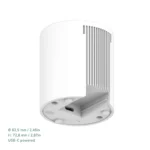
- Case: Polycarbonate
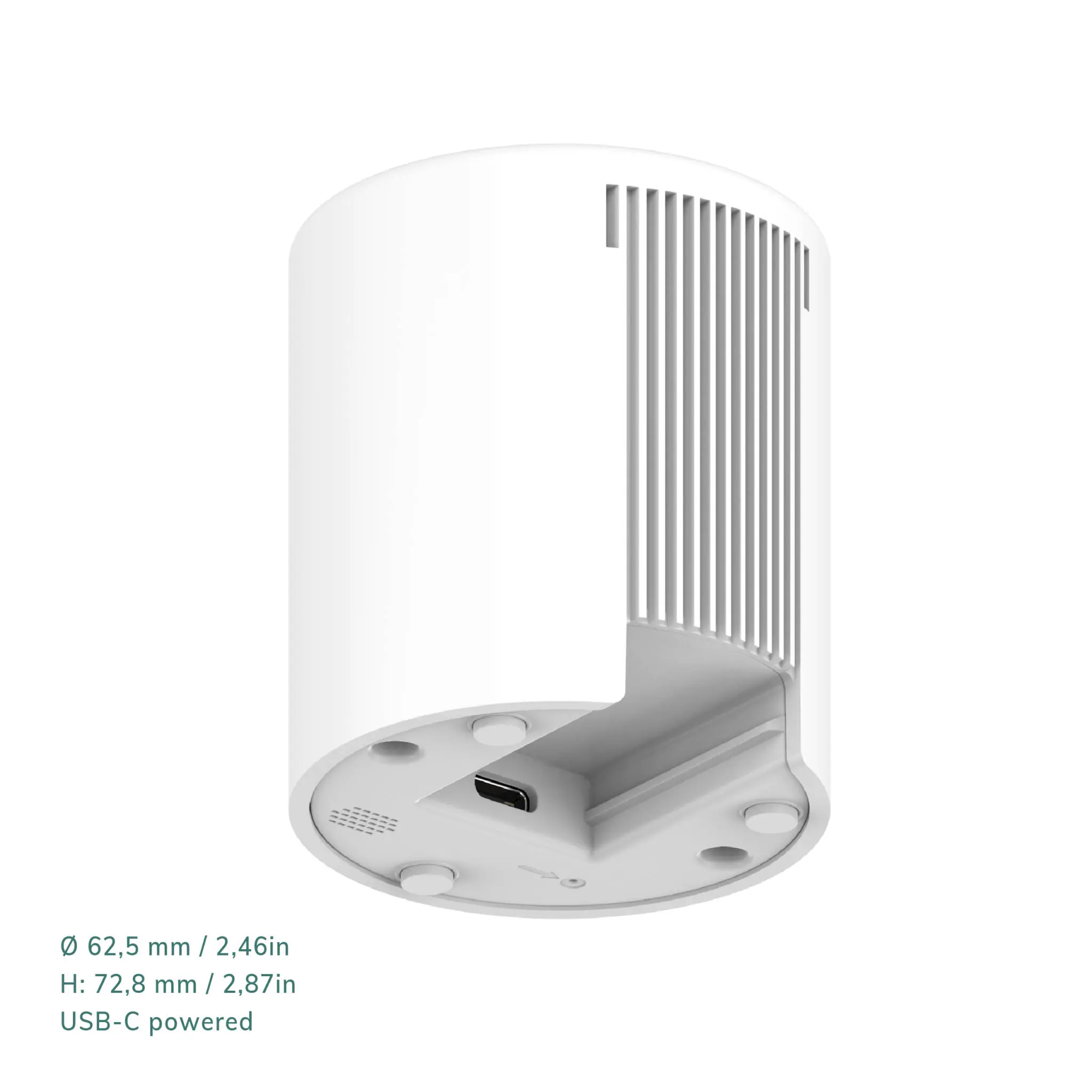
- Power supply: 5V 500mA USB-C
- Certifications: CE, FCC, RoHS, ISED, RCM
- Bluetooth range: 5-20 meters (indoors). The sensitivity of the receiving mobile device's antenna, obstacles and wall materials affect the range. For increased range, use the Ruuvi Gateway router as a receiver.
- Fan: The Ruuvi Air contains a small fan, which is an essential part of the sensor system. You may notice a faint sound when the device is on and working.
Mobile Application Features
- Free and easy: Easy to use free app, login is optional
- Platforms: Android and iOS
- Alerts: Configurable Bluetooth push alerts with customizable messages [#$$#]
- Personalized tips: Get practical tips to improve your indoor air quality
- Real-time measurements: Track data in real time
- Historical data: Detailed historical charts available for up to 10 days (offline)
- Historical export: Export history for 10 days
- Dashboard: See all sensors at a glance
- Customize sensors: Use custom backgrounds and names
- Multilingual: Available in English, Finnish, Swedish, French and German
Compatibility
- Integrations: Home Assistant (more coming soon)
- Remote monitoring: When you're out of Bluetooth range, remote online monitoring is available with Ruuvi Gateway and Ruuvi Cloud, both sold separately.
Included in the package
- Ruuvi Air sensor device
- 2 m USB-A to USB-C power cable
- 5V 1A Europlug USB-A wall adapter (110-230V)
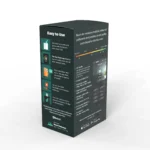
- Quick Start Guide












Reviews
Clear filtersThere are no reviews yet.