




Electric mobility represents one of the most dynamic transformations of the present. The number of electric vehicles is increasing rapidly, and with it the need for a modern, efficient and easily accessible charging infrastructure is also increasing. Charging stations are no longer mere technical accessories; they form the nervous system of a new energy era, where sustainability and advanced technology go hand in hand.
Whether we are talking about home users, companies, institutions or public areas, charging solutions are constantly evolving, becoming smarter, faster and better integrated with renewable energy. Electric mobility is not just the present – it is the foundation of a cleaner and more efficient future.
why i am the stations charging essential for the future of electric mobility?
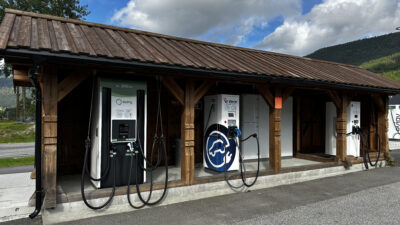
1. Accelerated growth of electric vehicles
As more and more drivers switch to electric vehicles, charging infrastructure becomes a necessity. Users are looking for fast, safe and efficient access to charging points, and the huge demand is driving the development of new solutions.
2. Lower costs than classic fuels
Electric charging is much more economical, especially when the energy comes from photovoltaic panels. Electric mobility thus becomes not only ecological, but also profitable in the long term.
3. The support of the authorities
Public policies strongly favor the transition to electric. Grants, funding programs and regulations for modern buildings encourage the installation of AC and DC substations in both public and private spaces.
4. Advantages for businesses
Companies that install charging stations attract customers, support sustainability and modernize their infrastructure. For many brands, the installation of stations is becoming a necessary standard.
Types of charging stations
1. AC Stations (Alternating Current)
It represents the most common solution for homes, private parking lots and offices.
Advantages:
low installation costs,
ideal for overnight charging,
powers between 3.7 kW and 22 kW,
high reliability.
2. DC (direct current) stations – Fast & Ultra-fast
Intended for public or commercial spaces, they allow very fast charging.
Advantages:
high powers, 30 kW – 350+ kW,
charge 20–80% in 20–40 minutes,
support for multiple standards.
3. Smart Charging Stations
These include smart features such as:
app monitoring,
charging schedule,
limiting consumption,
integration with photovoltaic and smart home systems.
Residential stations – charging from surplus solar energy
A major trend of 2025 is vehicle charging directly from home-produced solar energy. Users with photovoltaic panels are looking for solutions that maximize self-consumption and reduce grid dependency.
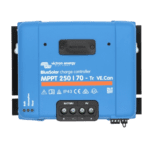
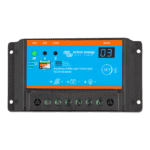
Victron Energy Stations – smart charging for homes
Victron Energy is one of the technology leaders for integrating car charging with solar panels.
Victron stations allow:
the use priority of the surplus solar energy,
reducing network consumption,
automated loading according to production,
integration with Victron inverter and batteries,
full monitoring via the Victron VRM platform. [#$$#]
For home users, this is one of the most effective ways to reduce the cost of electric mobility, turning the car into a natural element of their own energy system.
Wireless charging – a look into the future
If cable charging is the standard today, the future promises an even more convenient solution: wireless charging. This already proven and booming technology can completely change the way we use electric vehicles.
How does wireless charging work?
Based on electromagnetic induction, the technology transfers energy from a plate installed in the ground to a receiver on the underside of the car. Charging starts automatically when the vehicle is positioned over the transmitter.
Major advantages:
no cables required,
automated parking lot charging,
ideal system for garages and covered parking lots,
increased safety in wet or cold environments,
less mechanical wear.
Wireless technology in 2025
Although still at the beginning, the interest of the automotive industry is huge:
BMW, Hyundai and Mercedes are already testing models equipped with wireless receivers;
certain cities are testing road strips with wireless charging on the go;
wireless home systems are becoming more and more affordable.
Integration with solar energy will become a natural direction, enabling fully autonomous, cable-free and intervention-free charging in the future.
The trends that will define the future of charging stations
1. Ultra-fast charging (HPC)
Extremely short charging time, comparable to the classic power supply.
2. Total integration with renewable energies
Stations connected to photovoltaic panels or wind turbines are becoming standard.
3. Two-way charging – V2G and V2H
The electric car can supply the home or the grid at peak times.
4. Advanced energy management platforms
AI and automation solutions will optimize consumption at home, company or fleet level.
How Ecosolaris can help you
Ecosolaris offers complete solutions for any charging scenario:
AC and DC stations for homes, businesses and public spaces,
smart stations for monitoring and advanced control,
Victron Energy technology for charging from solar surplus,
electrical solutions integrated with photovoltaic systems,
professional design, installation and maintenance,
custom configurations for commercial fleets and parking lots.
Our goal is to provide efficient, safe and sustainable solutions adapted to the needs of each client.
Conclusion
Charging stations are the centerpiece of electric mobility. As technology advances, solutions become faster, smarter and better connected to renewable energy. Home stations, especially those that use surplus solar – like those from Victron Energy – are revolutionizing the way users power their vehicles.
The future of mobility is electric, automated, wireless and sustainable.
And Ecosolaris is ready to be part of this transformation.