
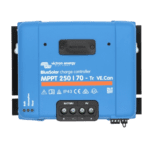





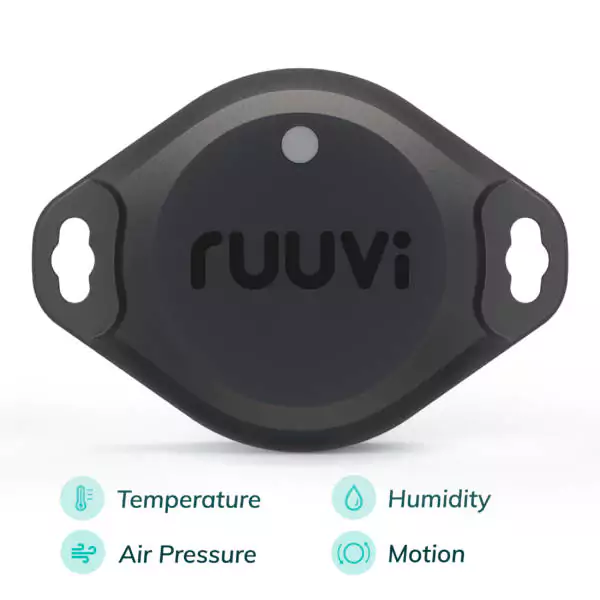

Un robust wireless temperature and humidity sensor is a device designed to perform reliably in industrial, outdoor or harsh environments where standard sensors would not hold up.
Below is the key information about this type of product:
Physical and Environmental Characteristics
The main focus of these sensors is durability and resistance to external factors:
- IP (Ingress Protection) classification: They are often classified at IP65, IP66 or IP67. An IP67 rating ensures complete protection against dust and temporary immersion in water (up to 1 meter).
- Operating Temperature Range: They are designed to withstand extremes, typically operating over wide ranges such as from -40°C to +75°C (or even up to +80°C for certain industrial probes).
- Materials: The housings are constructed from durable materials such as polycarbonate, ABS or, in the case of probes, stainless steel.
- Resistance: Industrial models can withstand shocks and vibrations.
Performance Specifications
Measurement accuracy and range are essential for critical applications:
- Temperature Accuracy: The high-quality sensors provide a typical accuracy of ±0.2°C to ±0.5°C.
- Accuracy Humidity: Relative humidity (RH) accuracy generally varies between ±2% și ±5% RH.
- Measurement Range:
- Temperature: The range can be very wide, often covering from -40°C to over 100°C.
- Humidity: It usually measures from 0% la 100% RH (no condensation).
Connectivity and Power
Installation flexibility is ensured by various wireless options:
- Wireless Technology:
- LoRaWAN®: Ideal for long distances (several kilometers outdoors), used in agriculture and industry due to low energy consumption.
- Wi-Fi / Ethernet: For integration into existing local networks, it often requires a cloud connection for notifications.
- Zigbee® / Bluetooth® (BLE): [#$$#] Used for mesh networks or local monitoring, often requiring a gateway (hub) for remote access.
- Power and Autonomy:
- Most are battery powered for easy placement.
- Industrial models are distinguished by exceptionally long battery life, which can reach from 2 to over 8 years, depending on the data transmission interval.
Typical Applications
Due to their robustness, these sensors are used in a variety of applications:
- Industrial Monitoring: Monitoring conditions in production halls, cold stores and technical rooms.
- Agriculture: Measurement of soil temperature and humidity (IP67 sensors) or air in greenhouses.
- Building Management: Monitoring conditions in museums, archives or data centers.
- External Environment: Use as part of professional weather stations or for environmental monitoring.













Reviews
Clear filtersThere are no reviews yet.